Most published writers have a drawer, or a folder, full of polite refusals. Some of the best known books of the past century came close to never reaching a shelf at all.
The numbers below come from interviews, memoirs, and widely repeated publishing history. Rejection counts for famous authors are often retold and rounded, so a few of them should be read as commonly cited figures, not exact tallies.
Stephen King and Carrie
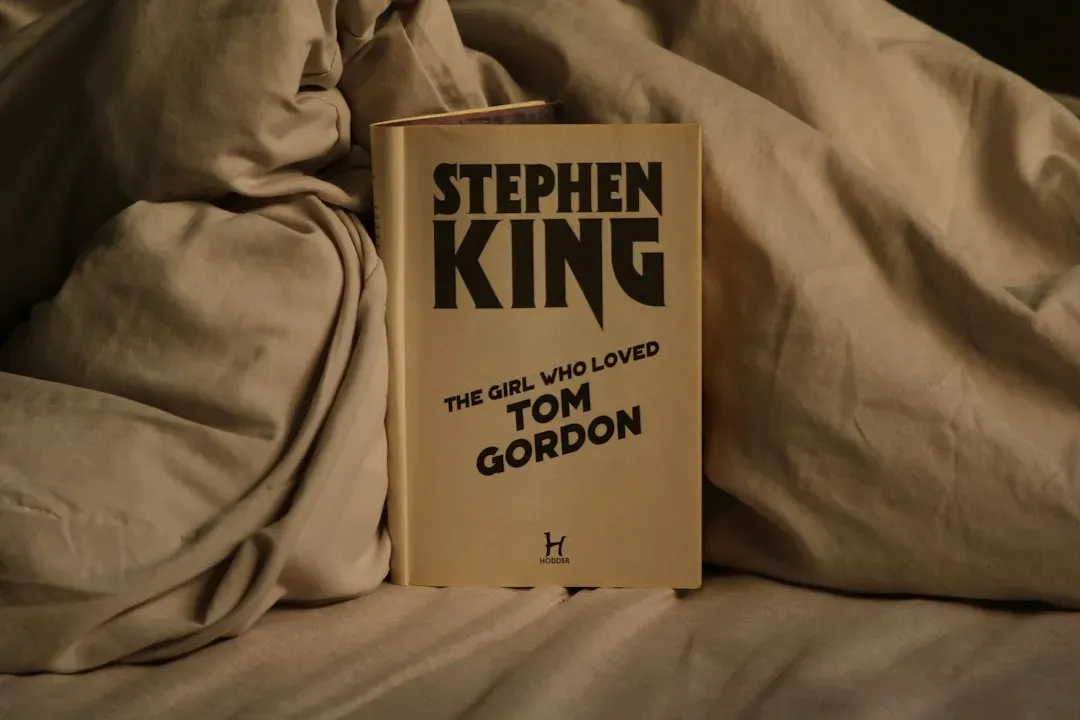
King has said in his memoir On Writing that he kept his rejection slips on a nail above his desk. When the nail could no longer hold them, he swapped it for a spike. Carrie was reportedly turned down about thirty times before Doubleday accepted it.
He had also thrown the early pages in the trash, and his wife Tabitha fished them out and urged him to keep going. The novel came out in 1974 and launched one of the most prolific careers in modern fiction.
Kathryn Stockett and The Help

Stockett has said she was rejected by sixty literary agents over about three years. The sixty first agent finally agreed to represent her. That persistence is a big part of why the story is told so often.
The Help was published in 2009 and became a major bestseller. It was later adapted into a film released in 2011.
Madeleine L’Engle and A Wrinkle in Time

L’Engle’s children’s novel was reportedly rejected by around twenty six publishers. Editors found it odd, partly because it mixed science, fantasy, and religious themes in ways that were hard to categorize.
John Farrar of Farrar, Straus and Giroux eventually took it on, and it appeared in 1962. The book went on to win the Newbery Medal in 1963 and remains a staple of school reading lists.
Dr. Seuss and And to Think That I Saw It on Mulberry Street
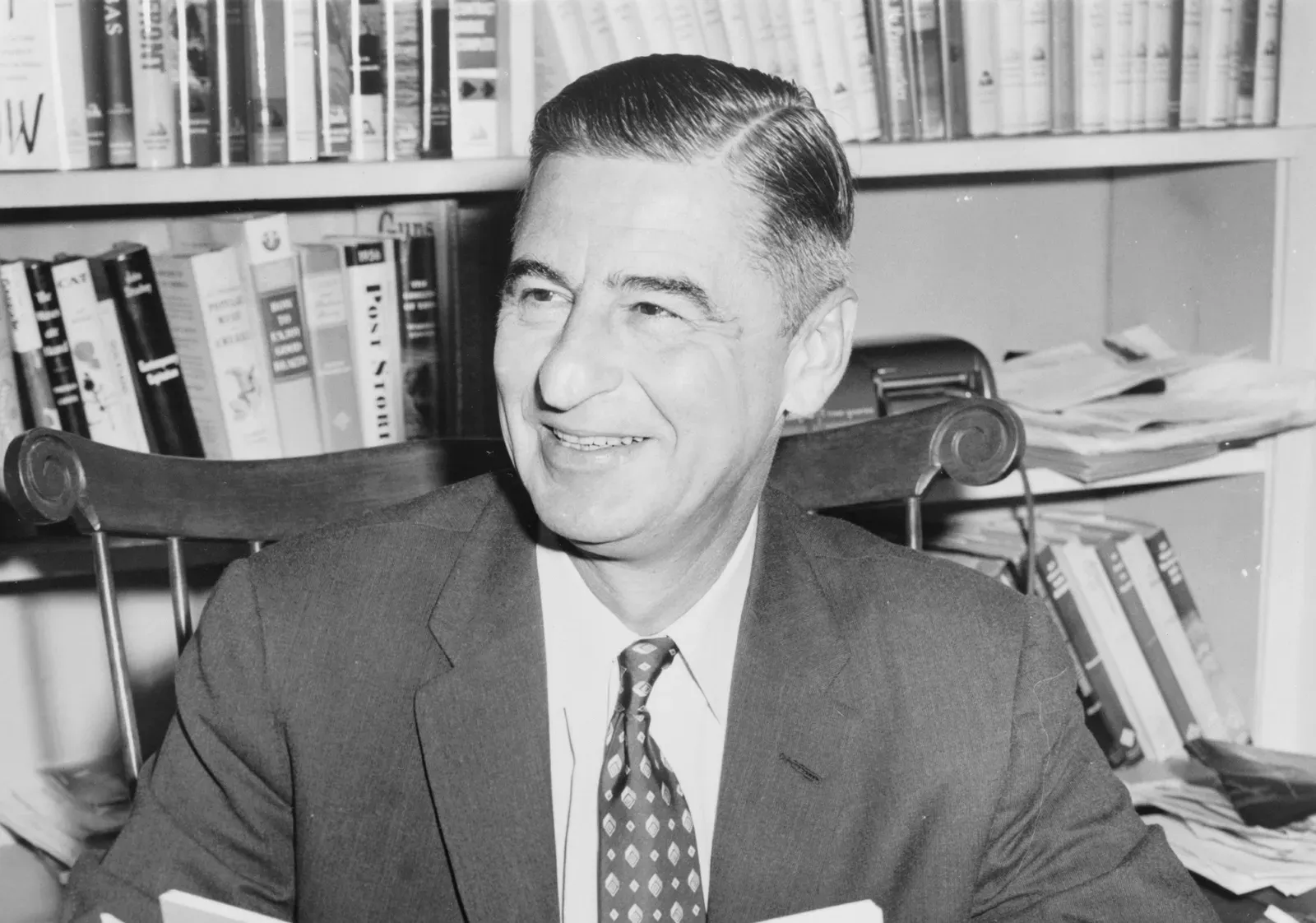
Theodor Geisel’s first children’s book is commonly said to have been turned down by about twenty seven publishers. The story goes that he was walking home, ready to burn the manuscript, when he ran into an old college friend who had just started work at a publishing house.
Vanguard Press published the book in 1937. It was the start of a catalog that would eventually include dozens of beloved titles.
Margaret Mitchell and Gone with the Wind

Mitchell wrote her novel in secret over several years while living in Atlanta. Accounts often say that around thirty eight rejections came before it found a home, though the exact number varies by source.
Macmillan published Gone with the Wind in 1936. It won the Pulitzer Prize for Fiction in 1937 and became one of the best selling American novels of all time.
Jack Canfield and Chicken Soup for the Soul

Canfield and his co author Mark Victor Hansen have long said that more than one hundred forty publishers passed on their collection of inspirational stories. Many reportedly felt short, uplifting pieces would not sell.
A small publisher in Florida finally took the book in 1993. The series later grew into a huge franchise with many spinoff titles.
John Grisham and A Time to Kill

Grisham, a lawyer in Mississippi, wrote his first novel in the early mornings before work. It was reportedly turned down by a dozen publishers and more than a dozen agents before a small house, Wynwood Press, printed a modest first run in 1989.
That printing sold slowly at first. His second novel, The Firm, became a breakout hit, and A Time to Kill was later reissued to much larger success.
Louis L’Amour and His Western Fiction

L’Amour is often credited with a staggering number of rejections early in his career, with some accounts putting it in the hundreds. He wrote while working jobs such as boxing, sailing, and mining, and he sold stories to pulp magazines before books.
The exact count is hard to verify, but his persistence is not in doubt. He eventually published over one hundred books, and his Westerns sold in enormous numbers over the decades.
Frank Herbert and Dune

Herbert spent years researching and writing Dune, a sprawling science fiction epic that did not look like a safe bet. It is frequently reported that more than twenty publishers declined it because of its length and complexity.
Chilton, best known for auto repair manuals, published the novel in 1965. Dune later became one of the best selling science fiction novels ever printed and has been adapted for film multiple times, including films released in 2021 and 2024.