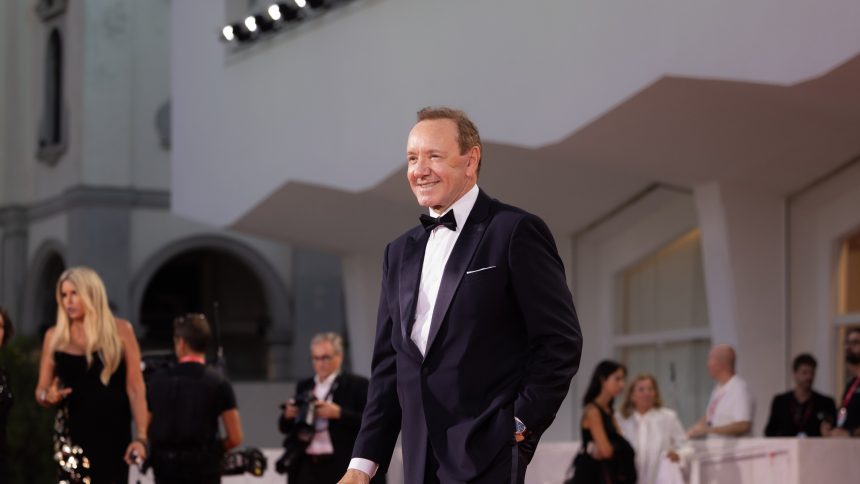
Casting a movie doesn’t end when the contracts are signed. Actors can be let go before, during, or even after production, and the final film often hides the evidence.
Audiences usually see only the replacement, and the earlier version of the story fades. Most of these stories did surface eventually, though sometimes years later and often with conflicting accounts. Here are eight well known cases.
Eric Stoltz, Back to the Future
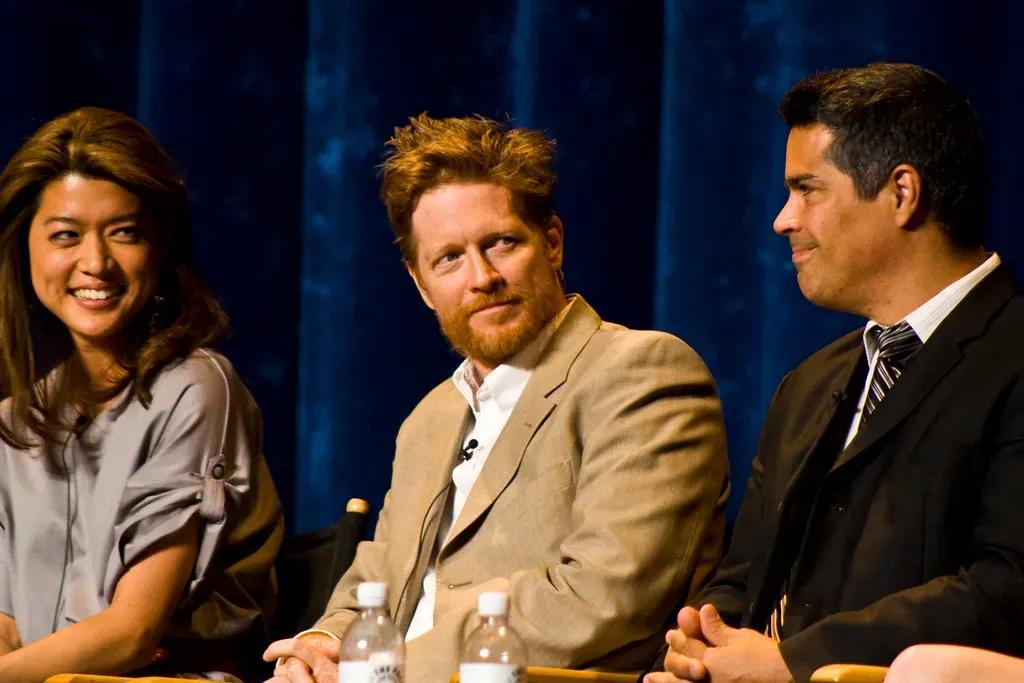
Michael J. Fox was the first choice for Marty McFly, but he was tied up shooting Family Ties, so the team went with Eric Stoltz instead. That decision held for a while. Weeks into production, the filmmakers, including director Robert Zemeckis and producer Steven Spielberg, realized Stoltz wasn’t getting many laughs in rough cuts.
Another account says a few weeks into filming, the directors felt Stoltz wasn’t bringing the energy they wanted to the character. Fox took over and the film became a classic. Few viewers today picture anyone else in the role.
Harvey Keitel, Apocalypse Now
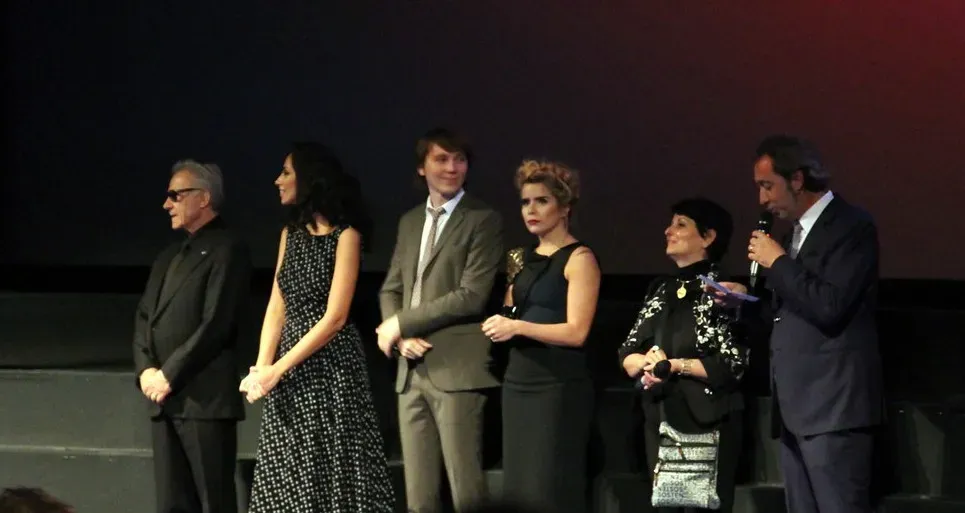
Francis Ford Coppola’s Vietnam epic is famous for its troubled shoot, and the lead role changed hands early on. Harvey Keitel was originally cast as Captain Willard. Coppola replaced Keitel with Martin Sheen and started again.
That meant footage had to be redone, which is a costly choice on any production. Apocalypse Now still went on to massive commercial success. Sheen’s version of Willard is the one that defined the film.
James Remar, Aliens
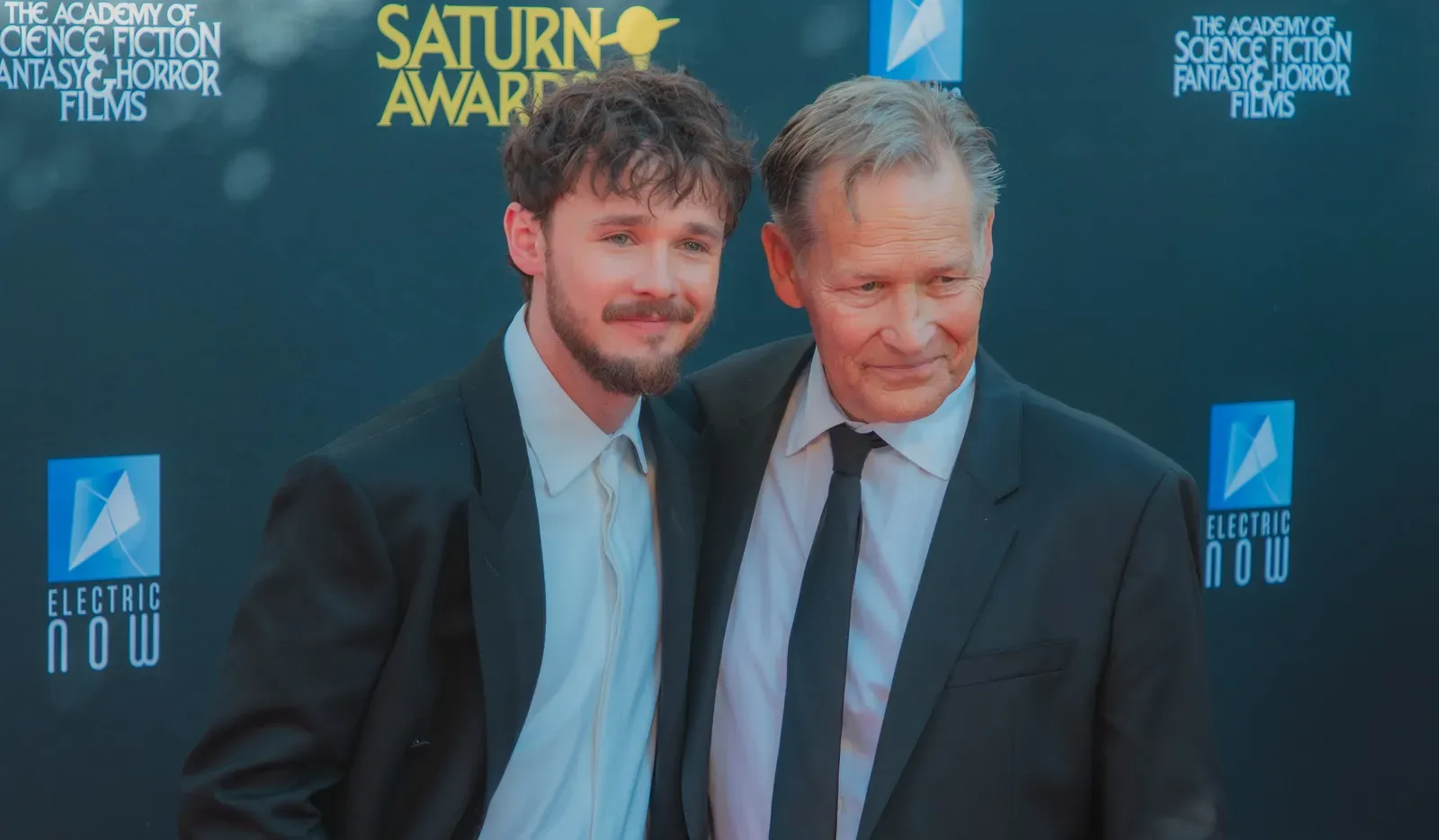
James Remar began shooting James Cameron’s sequel as Corporal Hicks. Cameron fired him and replaced him with Michael Biehn, and the official reason given was creative differences. The real story came out later.
Remar has said he was fired after a couple weeks of filming because he was arrested for drug possession. He has also said the firing damaged his relationship with director Walter Hill, and the two didn’t work together again for 12 years. Biehn’s Hicks became one of the franchise’s best loved characters.
Stuart Townsend, The Lord of the Rings
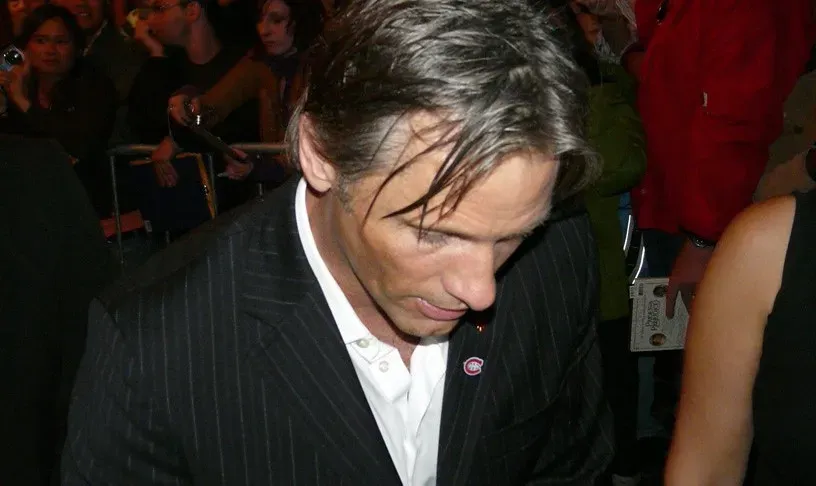
Stuart Townsend had spent months preparing to play Aragorn. Peter Jackson was reportedly unsatisfied and let him go after weeks of intense training and rehearsal. Accounts differ on the timing, with one saying he was dropped the day before filming began and another saying four days in, Jackson felt Townsend looked too young for the part.
Either way, the recast happened at the last minute on a huge production. Viggo Mortensen stepped in and became the face of the character. The shift is easy to miss now because the trilogy feels so settled in its casting.
Judy Garland, Valley of the Dolls
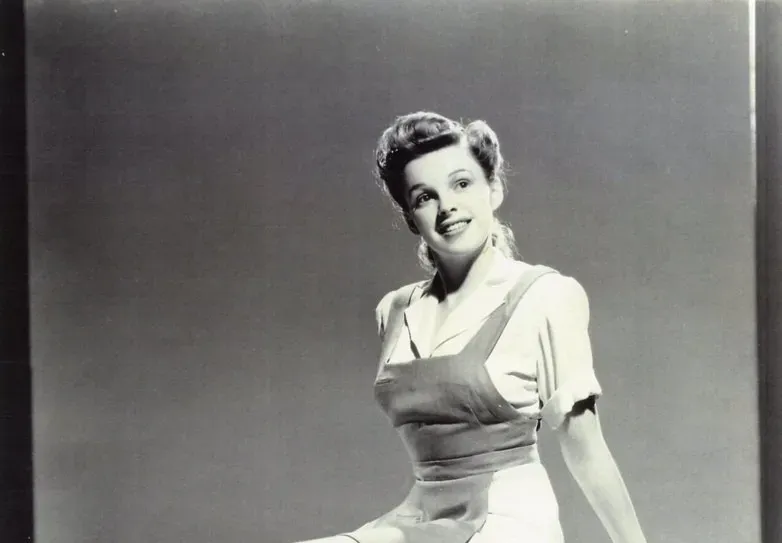
Judy Garland was cast as Helen Lawson in the 1967 adaptation. Fox executives said she resigned for personal reasons, but Garland claimed she was fired. Other accounts point to a contentious relationship with director Mark Robson and struggles with alcohol abuse.
Susan Hayward replaced Garland as Helen Lawson. It wasn’t Garland’s first such exit. Betty Hutton had replaced her as Annie Oakley in Annie Get Your Gun, and Garland parted ways with MGM the following year.
James Purefoy, V for Vendetta
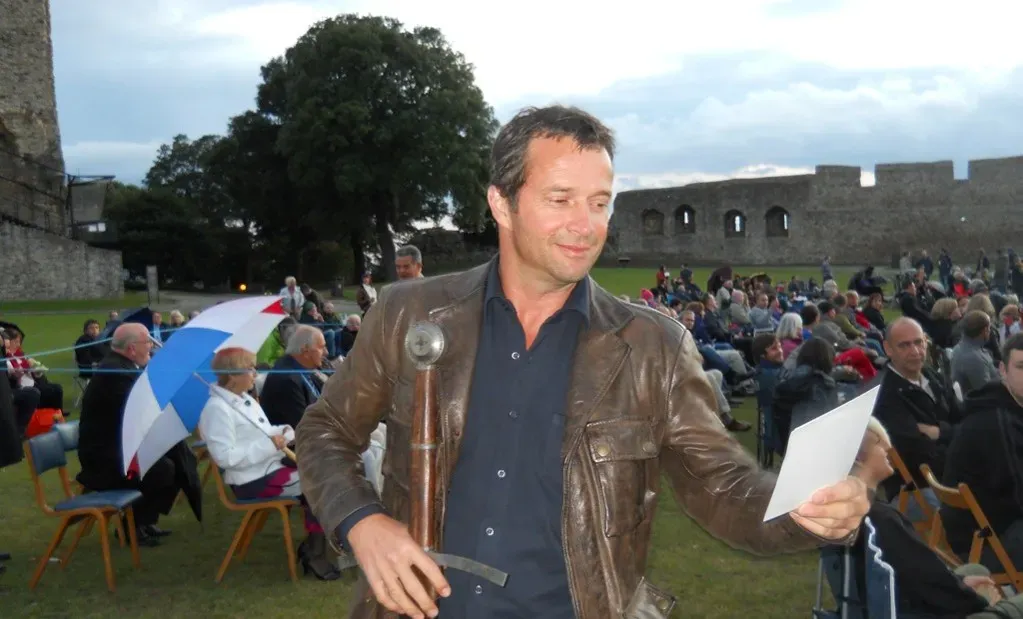
James Purefoy was the original V, a role played entirely behind a mask. About six weeks into filming, he reportedly complained that he couldn’t wear the mask for the whole film. Reports also cite creative disagreements over the mask and the vocal performance.
Hugo Weaving replaced him and re-recorded all the dialogue. Since V’s face is never shown, the swap left little visual trace. Weaving’s voice is what audiences remember.
Lori Petty, Demolition Man
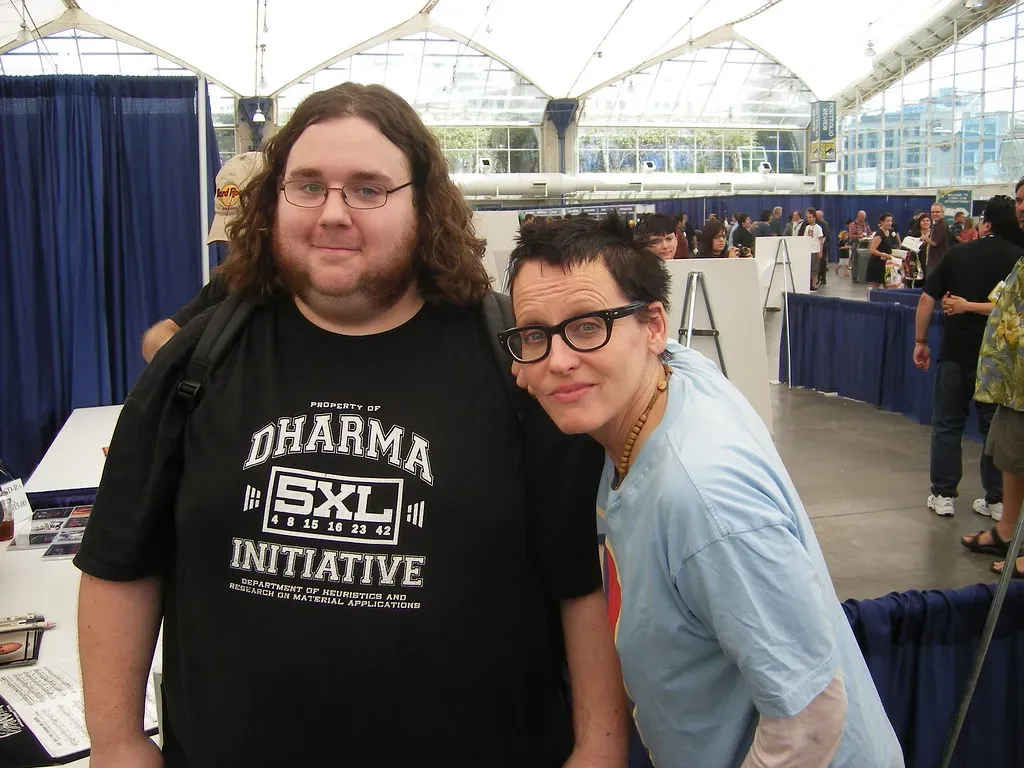
Lori Petty was cast as Lenina Huxley in the Sylvester Stallone sci-fi action film. A few days into filming, she was fired. Reports at the time cited creative differences.
Petty was let go and promptly replaced with a then unknown Sandra Bullock. The role gave Bullock a visible step up in her career. Petty’s version of the character was never seen by audiences.
Kevin Spacey, All the Money in the World
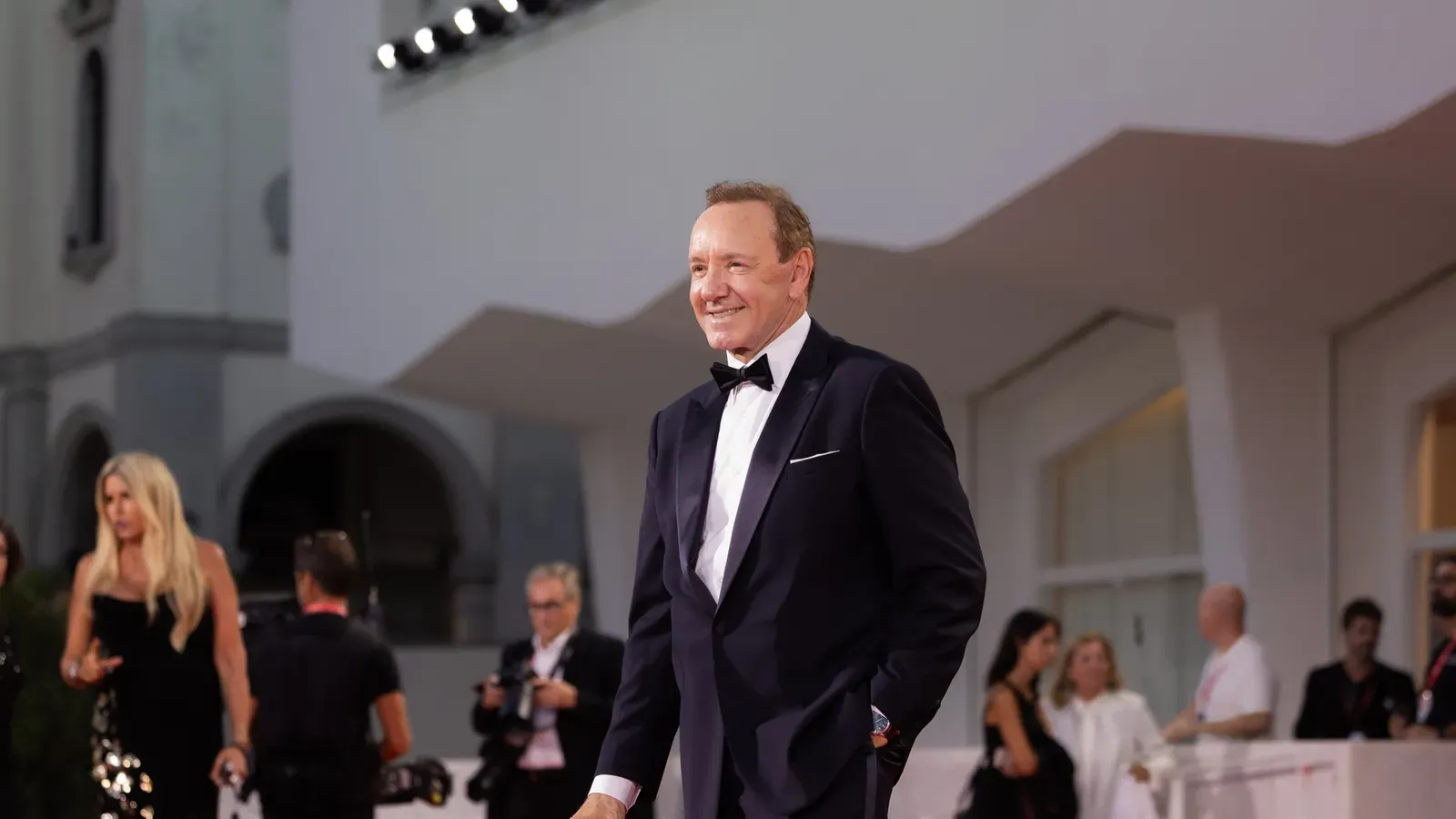
This case is the most unusual because the firing came after filming. Kevin Spacey had already completed filming when allegations surfaced against him. The production chose to recast rather than release the film as shot.
Christopher Plummer took over the role of J. Paul Getty, and his scenes were reshot. Despite the awards and memes for Plummer, very few major productions have followed the same path of recasting actors accused of serious crimes after filming. Plummer earned an Oscar nomination for the performance.