Comedy ages faster than almost any other genre. A drama about grief can feel the same in 1985 and 2026, but a joke depends on what its audience already believes, and those beliefs shift.
Plenty of beloved comedies still land. Others leave viewers wincing for reasons that have little to do with taste. The five below are widely loved films, and each has specific elements that read very differently now.
Revenge of the Nerds (1984)
This campus comedy follows outcast students who fight back against the jocks who bully them. It became a cult favorite and spawned several sequels. The underdog framing is its whole appeal.
The trouble is a scene in which a main character disguises himself and has sex with a woman who believes he is someone else. The film plays it as a win, and modern viewers widely read it as sexual assault. That one scene colors how many people now see the entire movie.
Sixteen Candles (1984)

John Hughes’s teen comedy is remembered fondly for its awkward, sweet portrait of a girl whose family forgets her birthday. Molly Ringwald’s performance still carries much of the film’s charm. Its romance is the part that holds up.
Its problems sit in the side characters. Long Duk Dong is a heavily stereotyped Asian character, with a gong sound effect accompanying his entrances. Another subplot involves a drunk, unconscious girl being passed along to a classmate, which the film treats as a joke. Ringwald herself has publicly criticized parts of the film in recent years.
Ace Ventura: Pet Detective (1994)
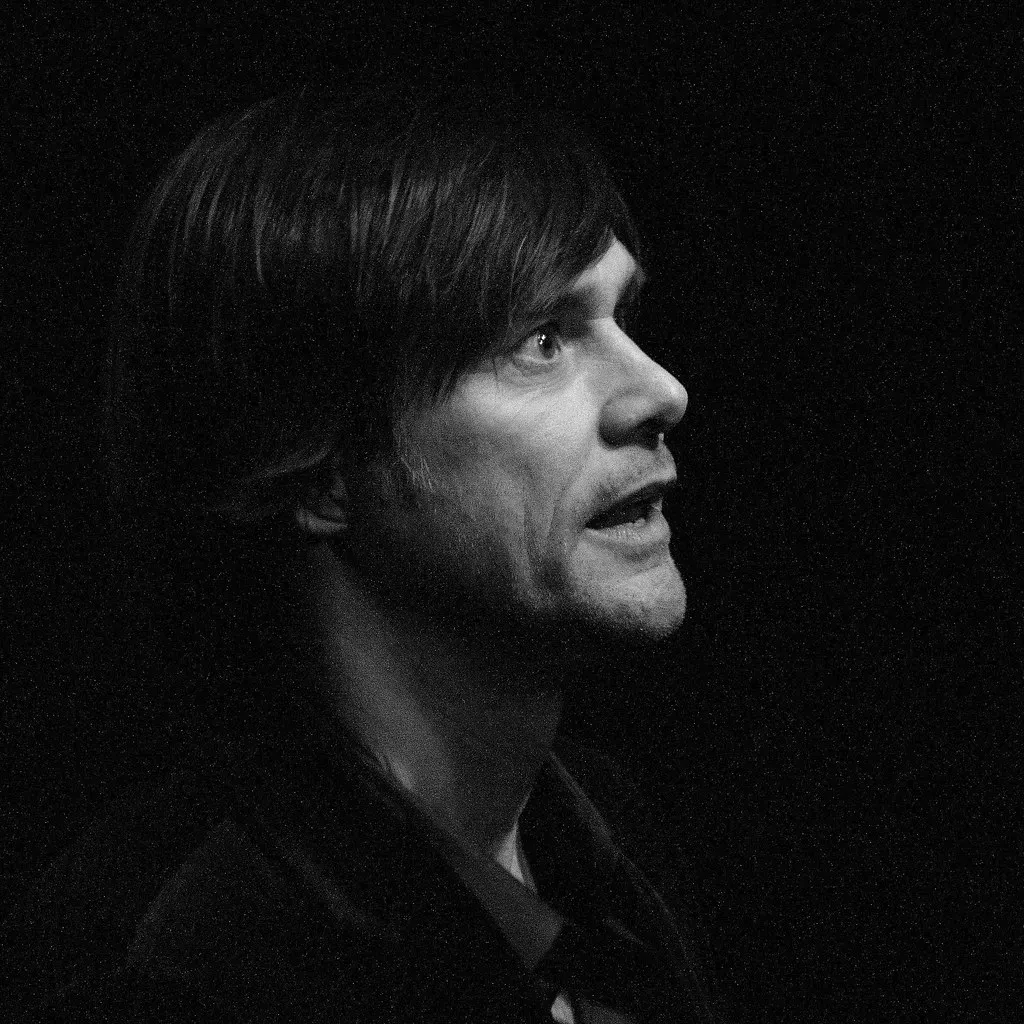
Jim Carrey’s breakout role made him a star, and its rubber-faced physical comedy remains impressive. Much of the slapstick still works because it relies on performance rather than topicality.
The big twist is the issue. The film’s villain is revealed to be a trans woman, and the reveal is staged as a source of disgust, with characters reacting by vomiting and scrubbing themselves. Carrey has said in interviews that he wouldn’t make that joke today, and the sequence is now commonly cited as an example of dated humor about gender identity.
Breakfast at Tiffany’s (1961)
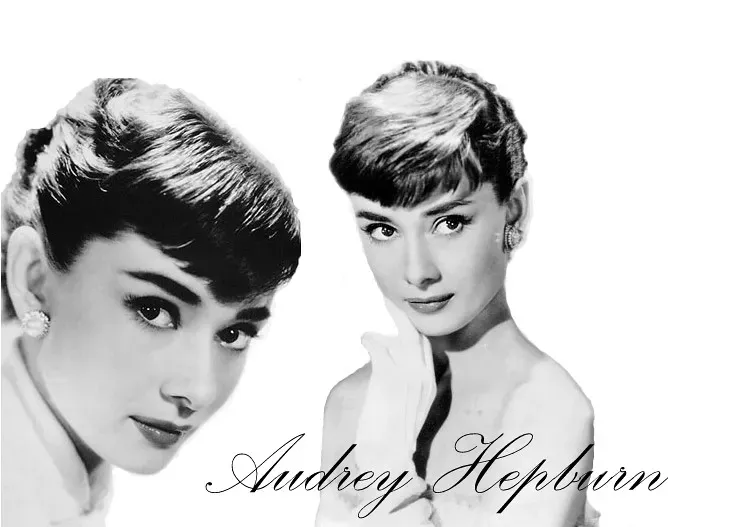
Audrey Hepburn’s Holly Golightly is one of cinema’s most recognizable characters, and the film is often called a romantic comedy classic. The fashion, music and Hepburn’s screen presence keep it widely screened. Few films have such an iconic look.
Mickey Rooney’s turn as Mr. Yunioshi, the neighbor, is a caricature of a Japanese man played by a white actor with exaggerated makeup and accent. It is the part of the film most often singled out as offensive. Rooney’s casting is routinely discussed in retrospectives, and some screenings now come with contextual notes.
Animal House (1978)

National Lampoon’s Animal House helped define the gross out college comedy, with John Belushi at its center. Its anarchic energy influenced decades of films that followed. It remains historically important for the genre.
Several scenes have aged poorly, including a moment where characters peep at a woman undressing, played for laughs, and a subplot involving a girl who passes out drunk while a character debates whether to take advantage of her. The treatment of women across the film is mostly as prizes or punchlines. Viewers now tend to see these gags less as rebellious and more as a product of their era.