Studios still lean on familiar formulas because familiar formulas used to be safe. The past few summers have made that bet look shakier, with several big franchise releases underperforming and a few original films breaking through.
Box office and review trends from 2024 to 2026 don’t prove that any single trope is dead. They do suggest audiences are less patient with the same moves repeated at scale. Here are seven that keep drawing eye rolls.
The Multiverse Cameo Parade
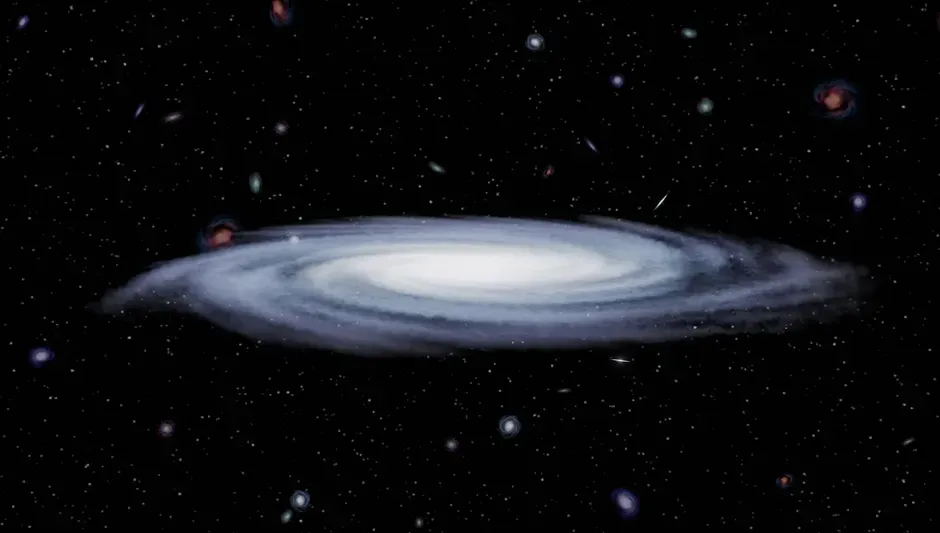
Multiverse stories promised endless possibilities, then often delivered a lineup of returning actors. Marvel’s Deadpool & Wolverine in 2024 leaned heavily on nostalgia and still crossed one billion dollars worldwide, so the approach isn’t a guaranteed failure. Yet it worked partly because the film played the idea for jokes.
Played straight, the same device has been less reliable. The Flash in 2023 stumbled badly despite its cameo-heavy marketing, and Marvel’s 2025 releases like The Marvels’ follow-ups drew more muted responses than earlier Avengers-era films. A cameo only lands when the story needs it.
The Endless Legacy Sequel
Bringing back a beloved cast decades later has become a standard play. Some of these have been hits, including Top Gun: Maverick and Beetlejuice Beetlejuice in 2024. Others have found less warmth, which suggests nostalgia alone doesn’t carry a film.
Audiences seem to respond when the sequel adds something new about the characters. When it simply replays the original beats with older faces, reviews tend to say so. The label “legacy sequel” now barely registers as a selling point.
The Sky Beam Finale
Many superhero and fantasy films end with a glowing pillar of light in the sky and a swarm of faceless enemies. It’s visually busy, and critics have pointed out how similar these climaxes look from film to film. Viewers often can’t recall what happened in them an hour later.
Part of the fatigue is about stakes. When the whole world is threatened every time, the threat stops feeling specific. Smaller, character-driven final acts have tended to leave a stronger impression.
Constant Quips in Tense Moments
A joke can relieve tension, but it can also drain it. Marvel’s house style made the habit famous, and many other franchises copied it. The result is that dramatic scenes sometimes get undercut by a punchline just as they begin to work.
Audiences have noticed, and reviewers frequently cite it when discussing tonal problems. Films that let a serious moment stay serious, like Oppenheimer in 2023 or Dune: Part Two in 2024, were rewarded with strong box office and awards attention.
Heavy Reliance on Visual Effects Spectacle
Unfinished or weightless computer effects have become a frequent complaint. Several recent blockbusters faced criticism over rushed effects work, and reports from visual effects artists about tight schedules and overwork became part of the public conversation. When a film looks artificial, it’s harder to care.
Practical stunts, by contrast, get noticed and praised. The Mission: Impossible series built much of its marketing around real stunt work, and viewers often cite physical filmmaking as a reason to see a movie in theaters.
Franchise Setup Over Standalone Story
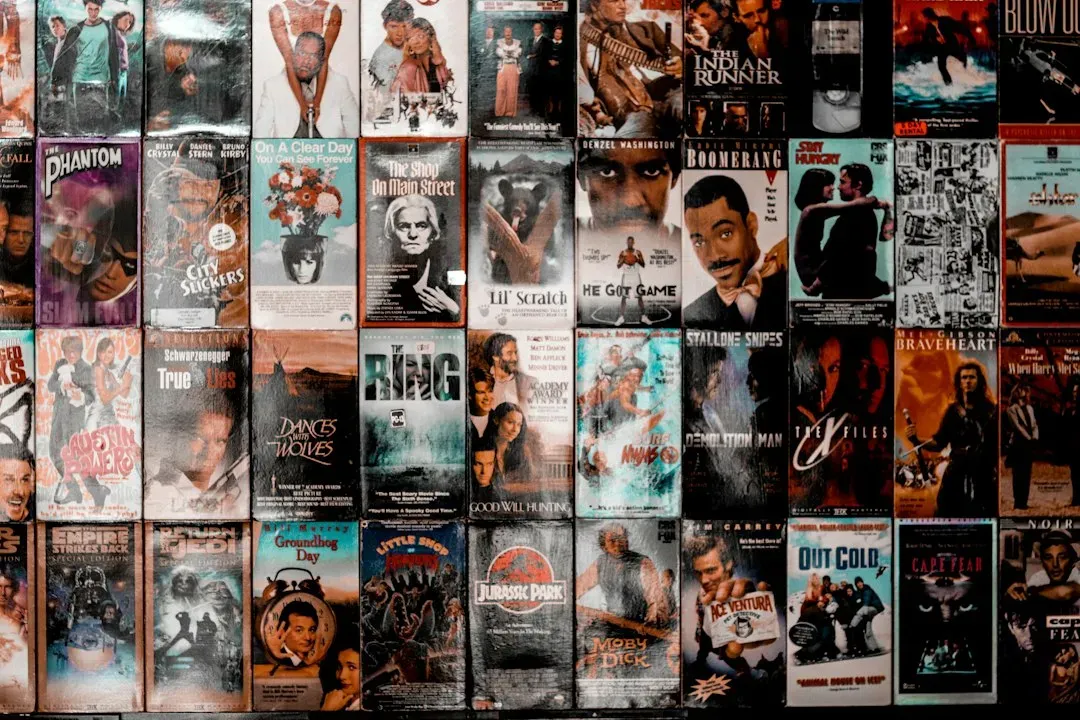
Many blockbusters now spend time planting seeds for future installments, including post-credit scenes and unresolved plots. This can make a single film feel like homework. Viewers who haven’t followed every earlier entry may feel shut out.
Studios have started to acknowledge the problem, with Marvel and others publicly talking about trimming output and focusing on quality. A film that tells a complete story gives people a clear reason to buy a ticket without a reading list.
Remaking Animated Classics as Live Action
Disney’s live action remakes have been a reliable source of revenue for years, though returns have become uneven. Snow White in 2025 was met with a difficult opening and mixed reviews, while Lilo & Stitch the same year performed strongly. That split suggests audiences pick and choose.
The common criticism of weaker entries is that they copy the animated originals closely without finding a reason to exist. When a remake feels like a shot-for-shot echo, viewers can simply rewatch the original at home.
Audiences haven’t stopped going to blockbusters, but they’re asking for more care in how they’re made.