The 1970s turned out to be a busy decade for television networks. When a side character clicked with viewers, executives often gave that character a show of their own. Some of those experiments ran for a decade, and others vanished within a season.
Here are twelve spinoffs from the era, listed roughly in the order they first aired. Some of the theme songs may start playing in your head as you read.
Maude

Maude Findlay first showed up on All in the Family as Edith Bunker’s outspoken cousin. Bea Arthur played her as a liberal foil to Archie, and viewers responded right away. CBS gave her a series that premiered in 1972.
The show ran for six seasons, ending in 1978. It tackled topics that other sitcoms usually avoided, which fit the Norman Lear style of the time. Maude also became the launching point for another spinoff, which comes up next.
Good Times

Florida Evans was the housekeeper on Maude, played by Esther Rolle. In 1974 she got her own series, set in a Chicago housing project. John Amos played her husband James.
Good Times ran until 1979 and mixed family comedy with real money worries. Jimmie Walker’s character J.J. became a breakout favorite, even as the cast sometimes disagreed about how the show treated him. It’s an unusual case of a spinoff that came from another spinoff’s parent show.
Rhoda
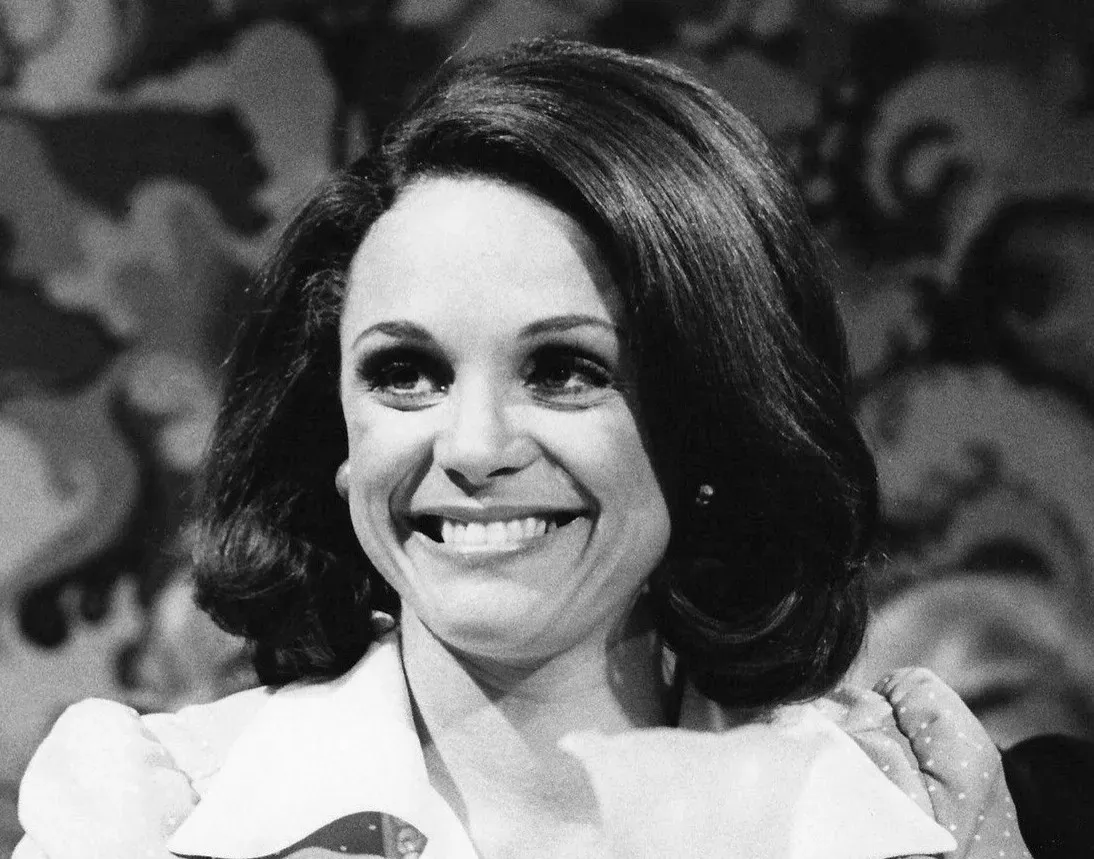
Valerie Harper’s Rhoda Morgenstern was the wisecracking best friend on The Mary Tyler Moore Show. She moved back to New York for her own series in 1974. The show followed her family life, her job, and her search for romance.
Her wedding episode that October was treated as a major television event at the time. The show ran until 1978, though the marriage storyline was eventually dropped. Rhoda is still one of the better remembered examples of a sidekick getting the lead.
The Jeffersons
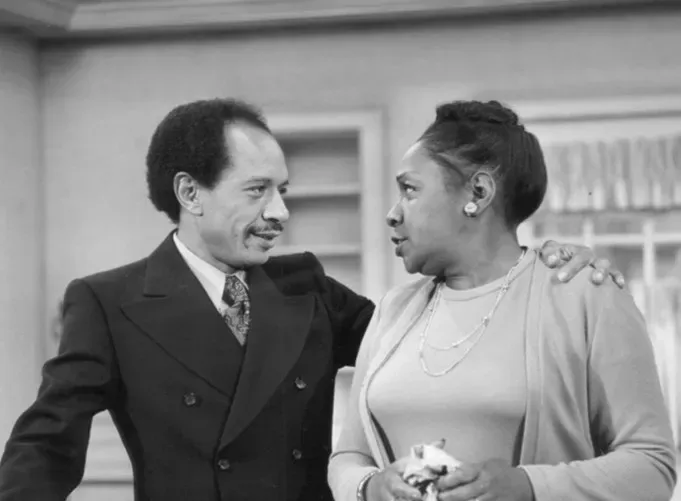
George and Louise Jefferson were neighbors of the Bunkers on All in the Family. They moved out of Queens in 1975, and the new series followed them to a high rise on Manhattan’s East Side. Sherman Hemsley and Isabel Sanford led the cast.
The Jeffersons lasted until 1985, which made it one of the longest running sitcoms of its era. Its theme song about moving on up is still easy to recognize. Sanford won an Emmy for her work on the show in 1981.
Phyllis
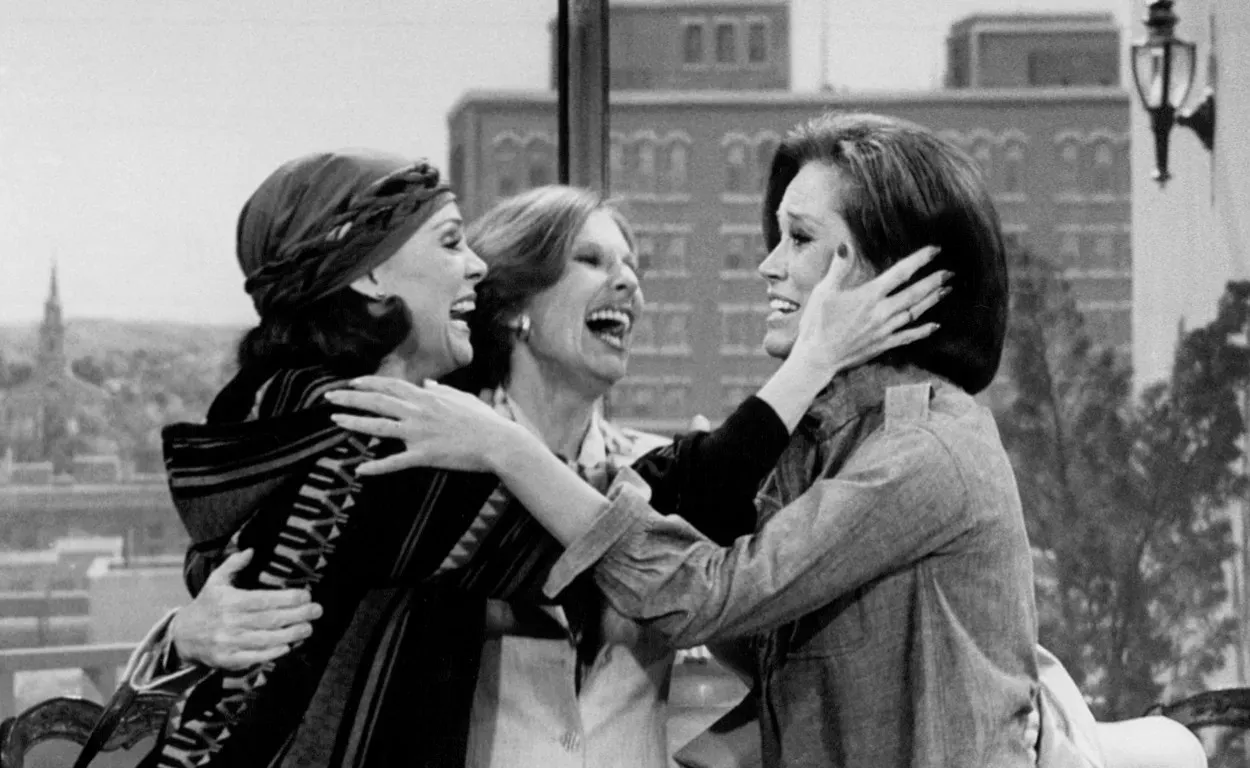
Cloris Leachman played Phyllis Lindstrom, Mary Richards’ snobbish landlady on The Mary Tyler Moore Show. Her spinoff began in 1975. The story had her widowed and relocating to San Francisco with her daughter.
The show lasted two seasons, ending in 1977. It never matched the popularity of its parent show, but Leachman’s comic style kept it entertaining. Phyllis is a good reminder that not every spinoff could become a long running hit.
Laverne and Shirley

Penny Marshall and Cindy Williams played the title roles of two brewery workers in 1950s Milwaukee. The pair first appeared as dates for Richie and Fonzie on Happy Days. Their own series premiered in 1976.
The show ran until 1983 and was known for slapstick bits and its chant style opening. Marshall later became a successful film director. For years, Laverne and Shirley was among the most popular shows on ABC’s Tuesday night lineup.
The Bionic Woman
Jaime Sommers was introduced on The Six Million Dollar Man as the love interest of Steve Austin. When her story took a turn, viewers wanted her back, and a series was built around her in 1976. Lindsay Wagner played the role.
The show started on ABC and moved to NBC for its final season, ending in 1978. Wagner won an Emmy for the part in 1977. The series showed that an action show could get a successful female led spinoff in the 1970s.
Fish
Abe Vigoda played the gloomy detective Phil Fish on Barney Miller. His character was popular enough to get a separate series in 1977. In it, Fish and his wife become foster parents to a group of teenagers.
The show was a different sort of sitcom than its parent, with more family comedy than workplace banter. It ran for a short time and ended in 1978. Vigoda went on to continue his well known work in comedy and film.
Lou Grant
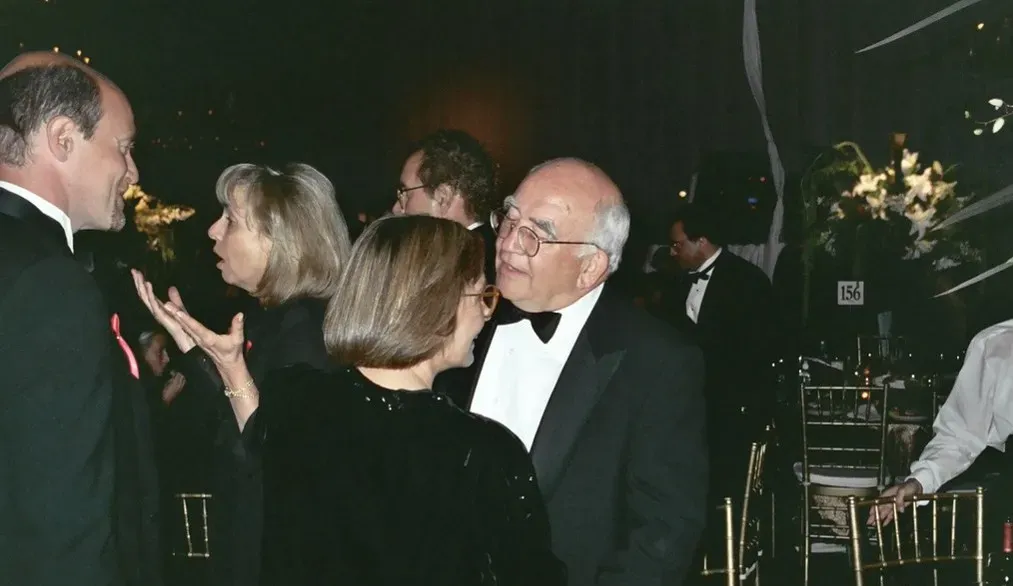
Ed Asner’s gruff newsroom boss was a central figure on The Mary Tyler Moore Show. When that show ended in 1977, he moved to Los Angeles for a new series. The change was bold, since Lou Grant was a one hour drama and not a sitcom.
Asner’s character now worked as an editor at a fictional newspaper, the Los Angeles Tribune. The series ran until 1982 and earned a strong reputation for its serious stories. It remains one of the most notable examples of a comedy character shifting to drama.
Mork and Mindy
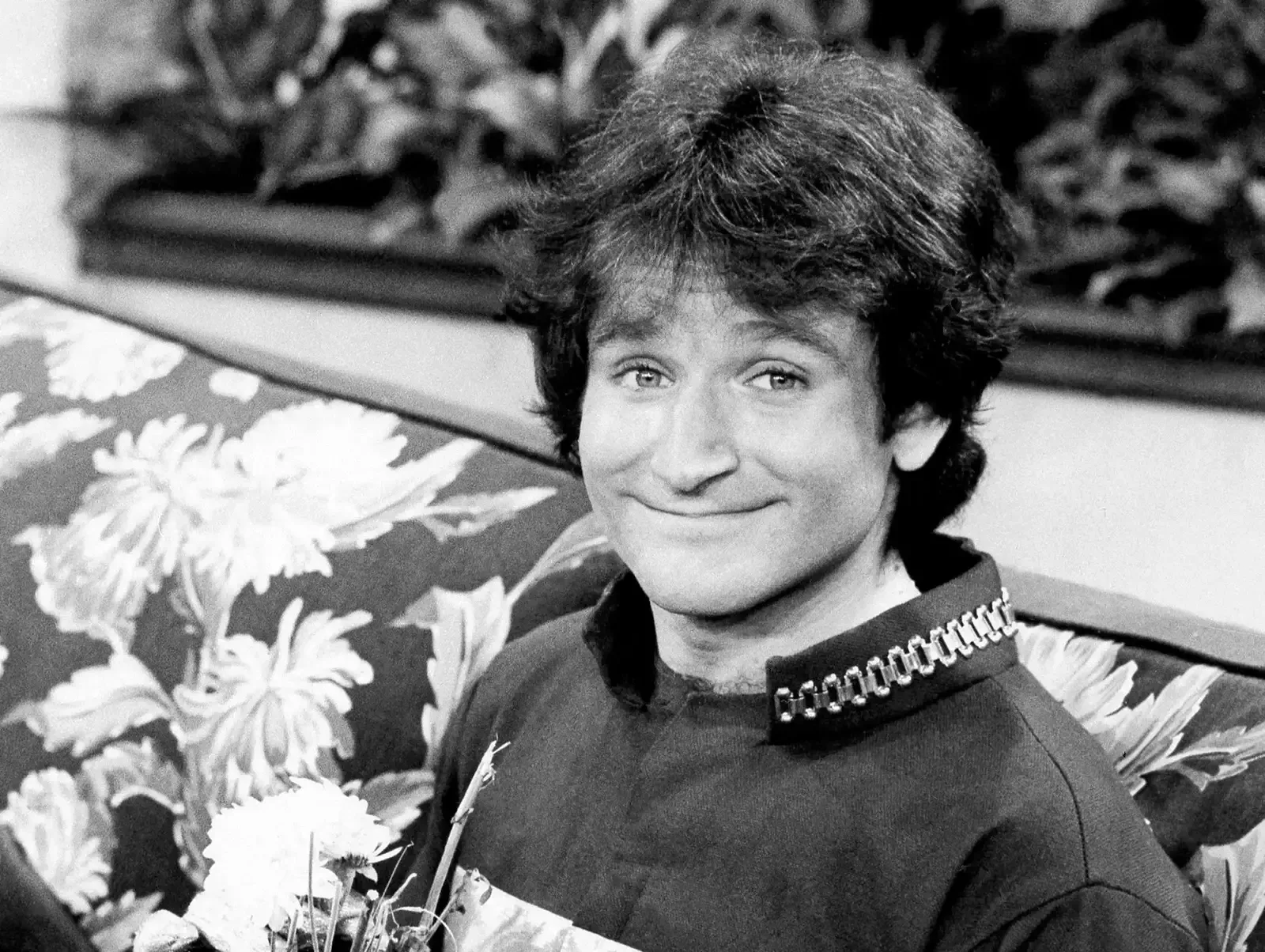
Robin Williams made his first appearance as the alien Mork in a 1978 episode of Happy Days. Audiences loved his manic energy, and a series started that fall. Pam Dawber played Mindy McConnell, who took the alien in at her home in Boulder, Colorado.
The show lasted until 1982 and helped make Williams a household name. It’s often remembered for his improvisations, which gave the show its distinct style. The series also gave us one of the decade’s most famous catchphrases, Nanu Nanu.
The Ropers
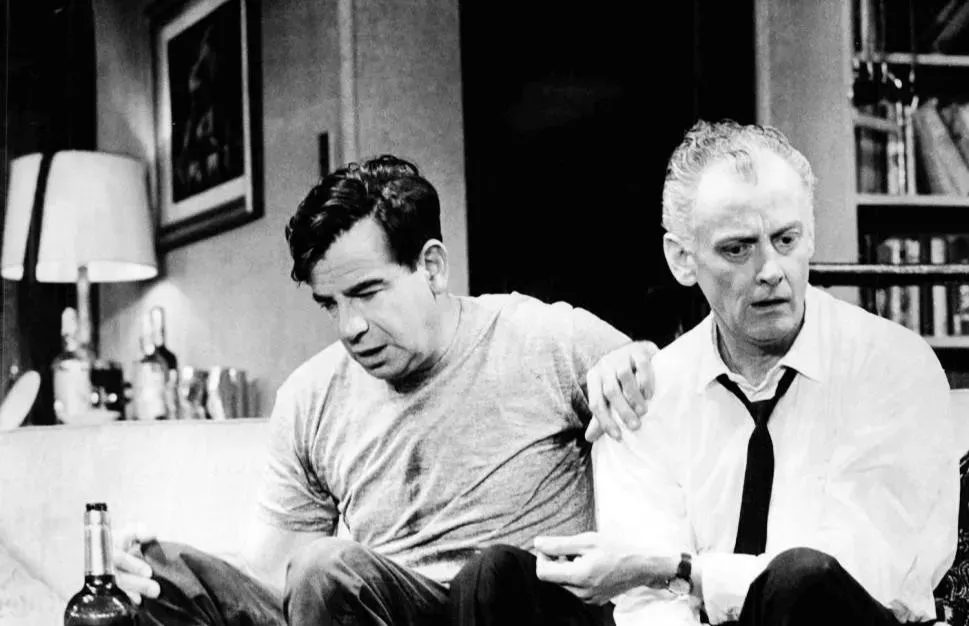
Stanley and Helen Roper were the landlords on Three’s Company, played by Norman Fell and Audra Lindley. In 1979 they moved to a new condo community in their own series. The couple’s bickering and Stanley’s cheapness carried over into the new setting.
The Ropers lasted only a short time, ending in 1980. Viewers seemed to prefer the pair as supporting players next to Jack, Janet, and Chrissy. Even so, it remains a well known spinoff from one of the decade’s biggest sitcoms.
Benson
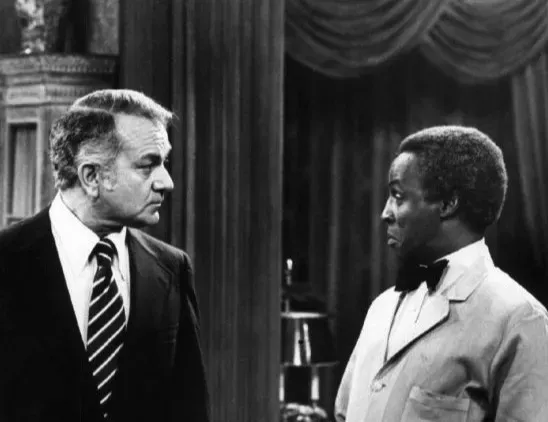
Robert Guillaume’s character Benson DuBois was the sharp tongued butler on the soap opera parody Soap. In 1979 he was given his own series, in which he worked for Governor Gatling. Over time, Benson’s role moved from household manager to state budget director and then lieutenant governor.
The show ran until 1986, which made it one of the more successful spinoffs of the late 1970s. Guillaume won an Emmy for playing the character in 1985, after an earlier win for Soap. Benson is a fitting entry to close out the decade.