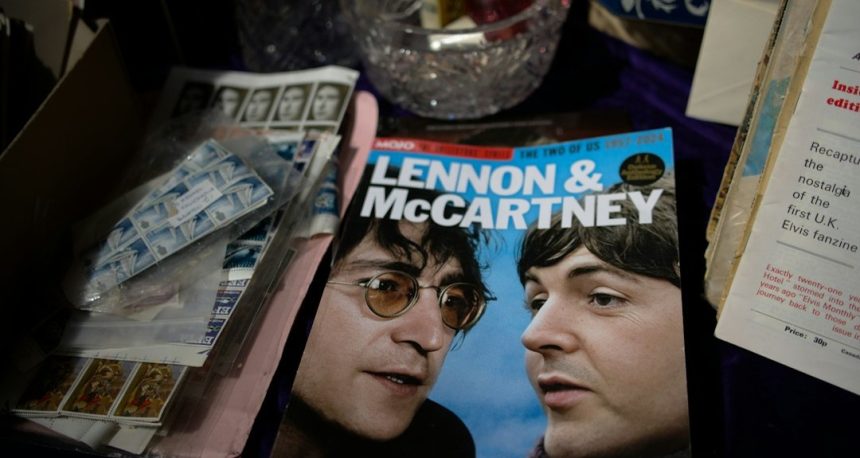
In the 1970s, a record could sell by the hundreds of thousands and still never get a spin on BBC Radio 1. The corporation’s producers and executives decided what suited the nation’s airwaves, and they were often cautious.
The reasons varied from politics to product names to plain old innuendo. Here are six songs from the decade that ran into the BBC’s red pen.
God Save the Queen by the Sex Pistols (1977)
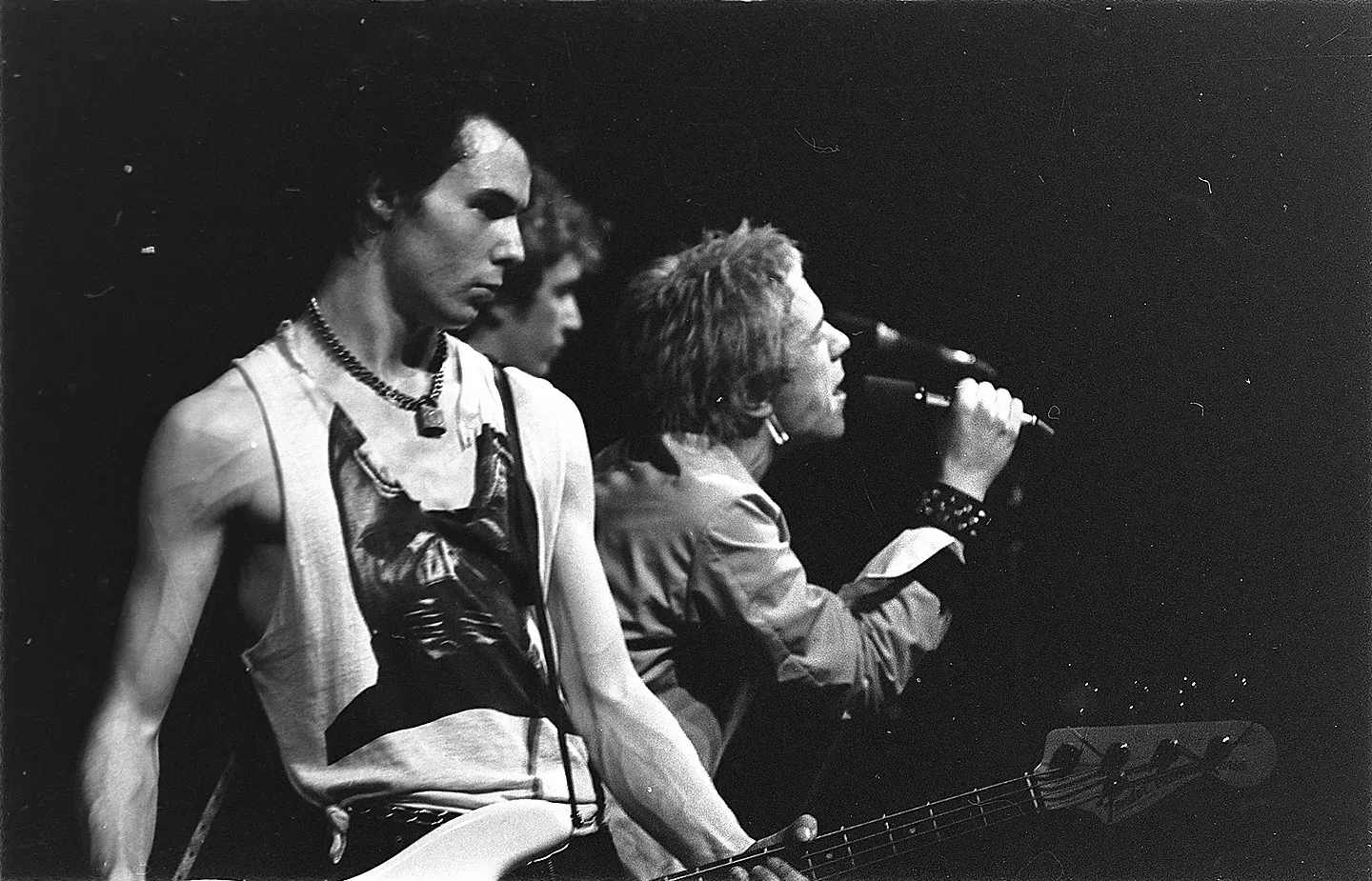
Released in the spring of 1977, just ahead of the Queen’s Silver Jubilee, this single was a direct jab at the monarchy and the national mood. The BBC refused to play it, and many shops and broadcasters kept their distance too.
It still climbed to number two on the UK singles chart. The band’s fans, and some commentators, have long argued it was kept from the top spot, which was held by Rod Stewart at the time. The official chart compilers have never accepted that claim, so it remains a matter of debate.
Give Ireland Back to the Irish by Wings (1972)
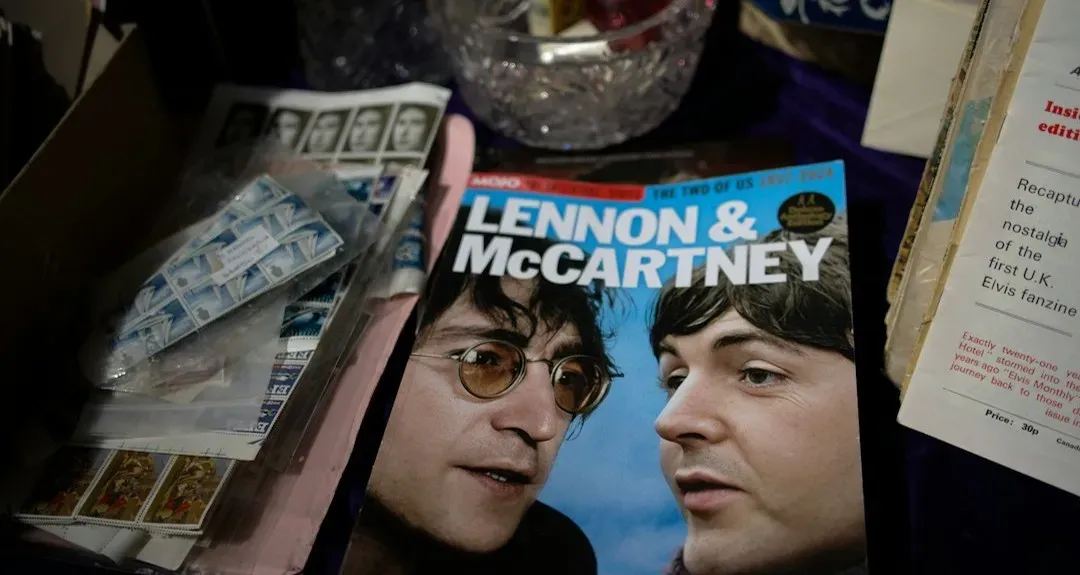
Paul McCartney wrote this single in response to Bloody Sunday in Derry in January 1972. The BBC banned it, as did the Independent Broadcasting Authority’s commercial stations, because of its political stance on Northern Ireland during the Troubles.
The ban didn’t stop it from reaching the UK top twenty. It was an unusually blunt move for McCartney, whose public image had been far softer. He later moved away from overtly political songwriting.
Hi Hi Hi by Wings (1972)

Later the same year, Wings found themselves in trouble again. The BBC banned Hi Hi Hi over lyrics it read as references to drugs and sex.
The record was a hit anyway, reaching the UK top five. Its flip side, C Moon, was the track radio stations were encouraged to play instead. It’s a good example of how a ban could redirect airtime without really hurting sales.
Lola by the Kinks (1970)
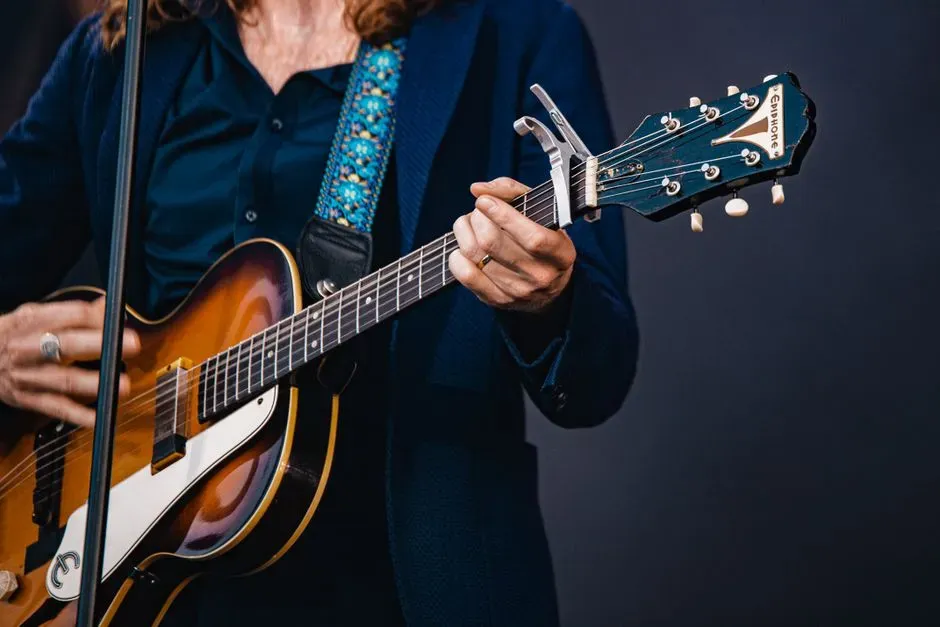
Lola is a case where the issue wasn’t the story but a brand name. The BBC had a strict rule against advertising, and the original lyric mentioned Coca-Cola.
Ray Davies had to alter the line to cherry cola so the song could be played on the BBC. He reportedly flew back from New York to re-record the vocal. The fix worked, and the song became one of the band’s biggest hits.
Love to Love You Baby by Donna Summer (1975)

Produced by Giorgio Moroder, this disco track was built around Donna Summer’s breathy, suggestive vocal. The BBC banned it because of how sexually explicit it sounded for daytime radio.
The full album version ran for roughly seventeen minutes, and shorter edits were issued for singles. The song still became a hit in the UK, and it helped establish Summer as the leading voice of disco.
Glad to Be Gay by the Tom Robinson Band (1978)

This one arrived at the very end of the decade. Tom Robinson’s anthem about gay pride and police harassment was kept off the BBC’s regular radio playlists, since the subject was considered too sensitive at the time.
The track, released on an EP in 1978, still reached the UK top twenty. Disc jockeys such as John Peel supported it where they could. Its history says a lot about how far attitudes and broadcasting rules shifted in the years that followed.