A mid-range studio film now costs around 65 million dollars to produce. That sounds like a lot until you set it next to the tentpoles. Tentpole blockbusters can pass 300 million before a cent is spent on marketing.
The gap between those two numbers says a lot about how Hollywood works in 2026. A handful of giant films carry the schedule, and their price tags keep climbing. Here’s what’s behind the numbers, based on reported budgets and industry estimates.
The $300 Million Threshold Has Become Routine

One recent industry guide says the price tag for creating spectacular worlds keeps climbing, making those massive $300 million budgets more common. Budget tiers published this year put the blockbuster range at $150M to $400M and above.
Plenty of people in the business no longer treat $300 million as shocking. One analysis says that a $300 million budget is no longer shocking and is expected. That’s a commentary piece, not hard data, but it matches how studios now talk about their biggest bets.
Avatar and the Cost of Building Technology

James Cameron’s films are the clearest example. The original Avatar cost $237,000,000. Its 2022 sequel carries an estimated budget of $350 to 460 million.
Avatar: Fire and Ash arrived in December 2025. According to Variety, 20th Century Studios reportedly gave it a budget of more than $400 million. Much of that comes from a long production, since Fire and Ash started shooting simultaneously with The Way of Water in New Zealand in September 2017, and filming wrapped in late December 2020. Estimates of the third film’s cost vary by source, so treat any single figure with some care.
Franchise Sequels Keep Raising the Bar
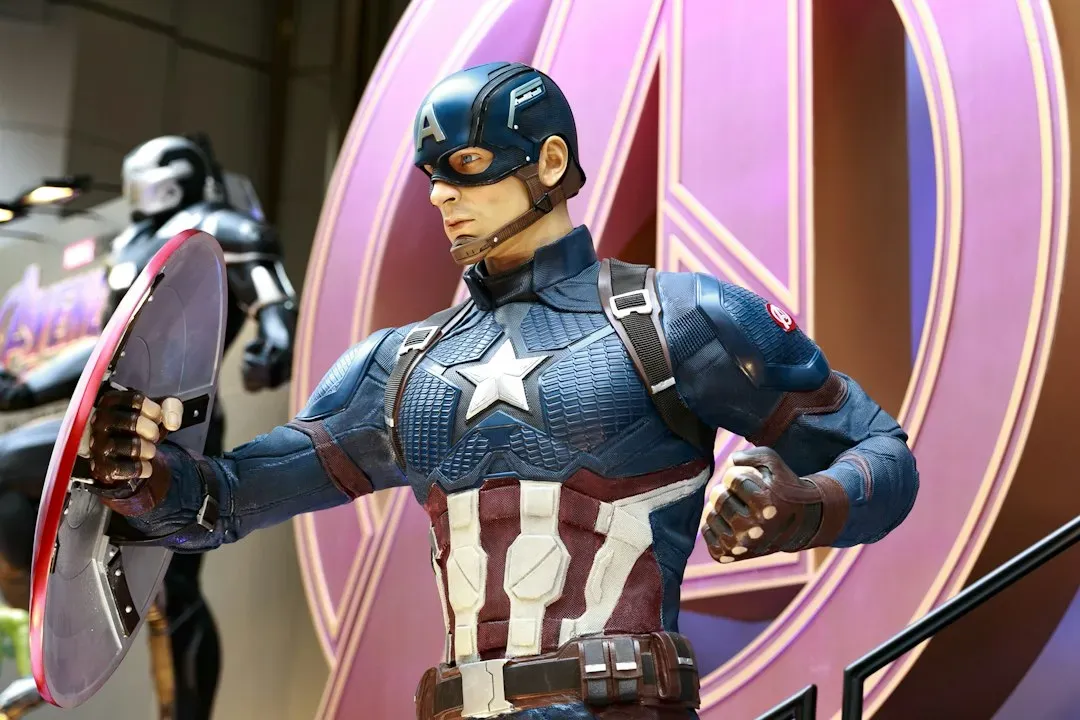
Marvel’s biggest films show the same pattern. Avengers: Endgame has an estimated budget range of $356 to 400 million. It also made a total gross of $2.94 billion after a September 2026 re-release called Encore.
Results like that give studios a reason to keep spending. Avengers: Doomsday is scheduled for release in December 2026, with Avengers: Secret Wars to follow in December 2027. I couldn’t find a confirmed budget for Doomsday, so there’s no number to put on it here.
Stars, Salaries, and the Cast List

Talent costs rise with success. When Pirates of the Caribbean took off, Johnny Depp’s salary increased substantially after the first two films. The same logic applies to any franchise lead whose name helps sell tickets overseas.
The share spent on actors is often smaller than people assume. One estimate says a typical $200 million blockbuster spends about 9% of its total budget on three lead actors, around $18 million. If that’s right, salaries explain only part of the story, and the rest goes to the machinery behind the camera.
Visual Effects and Huge Crews

Effects work is a major line item in modern tentpoles. Productions like these involve hundreds of visual effects artists, stunt performers, and technicians working simultaneously. Coordinating that many people is a logistical task on its own.
Creature work shows how specific costs can get. Reports on Jurassic World: Fallen Kingdom note that creature effects became one of the film’s defining expenses. Every added shot, retake, or redesign adds to the final total.
Global Shoots and Pandemic Aftershocks

Shooting in several countries is expensive even in normal times. Jurassic World Dominion filmed at Pinewood Studios in England as well as locations in Malta and Canada, requiring complex international logistics during worldwide travel restrictions.
Safety precautions during the pandemic stretched schedules too. According to one guide, these pandemic related expenses pushed numerous 2023 releases toward the $300 million mark. Delays cost money, because crews and equipment keep getting paid while the clock runs.
Marketing Adds Another Huge Bill

The production budget is only part of what a studio spends. For Avatar: Fire and Ash, Disney would need to spend at least $100 million to effectively market it worldwide, if not more. One budget guide estimates promotion and advertising for a $300 million film at $150M to $200M.
That pushes the all in cost for such a film to roughly $480 million, according to the same guide. Industry estimates also hold that a movie costing $300 million to produce typically requires at least $427.8 million in box office returns just to break even. Those break even figures are rules of thumb, and real deals vary by studio and by market.
The Risk When Big Bets Miss
Large budgets leave little room for error. SlashFilm points out that inflated budgets have been a huge problem in Hollywood for years, especially with a box office on shakier ground than ever. It also noted that the latest Mission: Impossible film was another $400 million tentpole facing the same pressure to earn big.
Not every costly film pays off, even with a famous name attached. The Flash (2023) spent $200 million and underperformed. Meanwhile, 2026 has produced at least one clear hit, since The Super Mario Galaxy Movie became the first film of 2026 to cross $1 billion. The spread between winners and losers is why studios treat each blockbuster as a high stakes decision.
Big Budgets Beyond Hollywood

The trend isn’t limited to American studios. India’s Ramayana: Part 1, a 2026 release, is listed with a budget of $200,000,000 to $250,000,000, which makes it one of the most expensive non English films on record.
That reflects a wider belief in global spectacle. One analysis argues that the shift toward $300 to 500 million budgets reflects Hollywood’s embrace of global cinema, where a single film can be a $1 billion enterprise. Studios everywhere are betting that one big film can reach audiences in many countries at once.