
Many of the books students are asked to read each year began as commercial disappointments. Some sold only a few thousand copies, some went out of print, and a few had authors who died believing they had failed.
What changed was rarely the text. A critic, a war, a paperback edition or a new generation of teachers gave these novels a second chance, and the eight below show how that happened.
Moby Dick by Herman Melville

Moby Dick appeared in 1851 to confusing reviews and weak sales. Melville’s earlier sea adventures had been popular, but this sprawling book about whaling and obsession did not match what readers expected from him. By most scholarly accounts, it sold only around three thousand copies during his lifetime.
Melville died in 1891 with the book largely forgotten. Its revival came in the early twentieth century, around the centennial of his birth in 1919, when critics and biographers began to champion his work. Raymond Weaver’s 1921 biography was an important part of that shift, and the novel soon became a fixture of American literature courses.
The Great Gatsby by F. Scott Fitzgerald
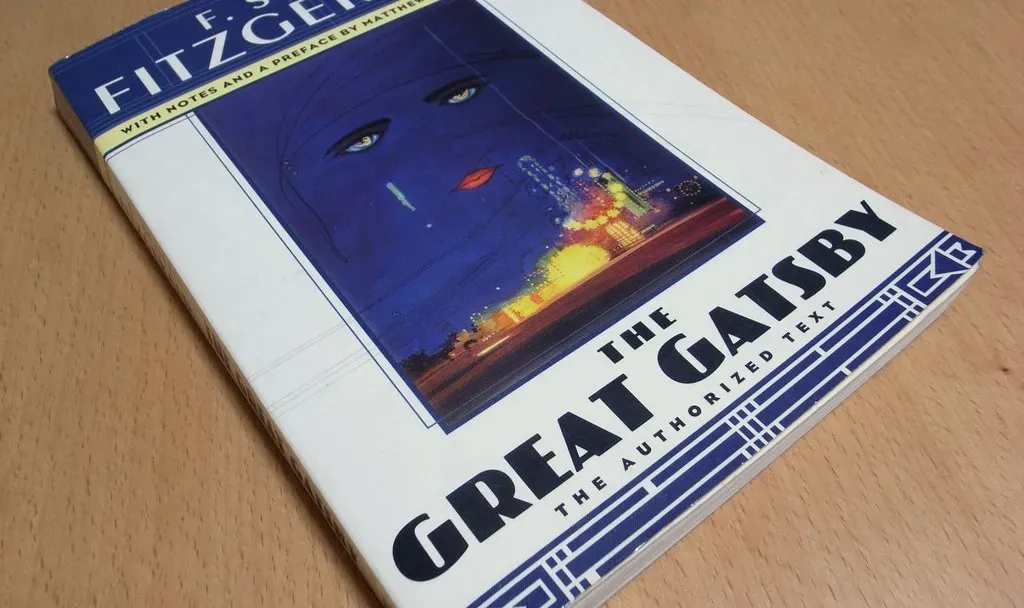
Gatsby was published in April 1925 with a first printing of about twenty thousand copies. A small second printing followed, yet the book still sold fewer than twenty one thousand copies in total, which disappointed Fitzgerald after the success of his earlier work. He died in 1940, convinced his reputation had faded.
World War II gave the book a surprising boost. The Armed Services Editions program put cheap paperbacks into the hands of American troops, and well over a hundred thousand copies of Gatsby went out to servicemen. Postwar critics and teachers then took it up, and it became a standard high school text.
Their Eyes Were Watching God by Zora Neale Hurston

Hurston’s 1937 novel received mixed reviews, and some Black male critics of the day disliked its dialect and its focus on a woman’s inner life. It faded from print over the following decades. Hurston herself died in 1960 in poverty, and she was buried in an unmarked grave.
The turnaround began in 1975, when Alice Walker published an essay about searching for Hurston’s grave in Ms. magazine. The University of Illinois Press reissued the novel in 1978, and it has since become a core text in American and African American literature courses.
Lord of the Flies by William Golding

Golding’s first novel was reportedly turned down by many publishers before Faber and Faber accepted it in 1954. Sales in the United States were modest at the start, and the book fell out of print there within a few years. It did not look like a future bestseller.
Things changed in the early 1960s, when paperback editions reached college students and then high school classrooms. Its themes of power, fear and group behavior suited discussion, and teachers adopted it widely. Golding received the Nobel Prize in Literature in 1983, by which time the book was already a school favorite.
The Awakening by Kate Chopin

Chopin’s 1899 novel followed a married woman who seeks independence, and reviewers of the time were often harsh about it. Many objected to its treatment of marriage and desire. The book drifted out of circulation, and Chopin’s reputation suffered for the rest of her short career.
Its rediscovery came decades later. The Norwegian scholar Per Seyersted published Chopin’s complete works in 1969, which drew new attention to her writing. By the 1970s, feminist critics and teachers were placing The Awakening on syllabi, and it remains a common choice in American literature surveys.
Wuthering Heights by Emily Bronte
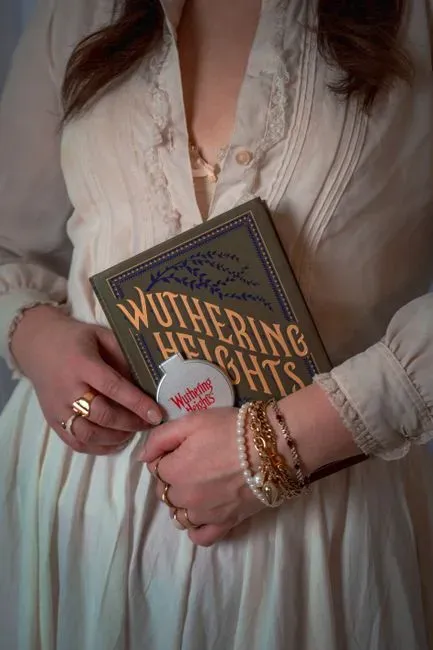
Emily Bronte published Wuthering Heights in 1847 under the pen name Ellis Bell. Reviewers were divided, and many found its violence and its harsh characters unsettling. Sales did not match those of her sister Charlotte’s Jane Eyre, which appeared in the same year.
Emily died in December 1848, long before the book’s standing improved. Charlotte prepared a new edition in 1850 with a preface that helped readers approach it more sympathetically. Over the following decades critics came to regard it as a landmark of Victorian fiction, and it is now routinely taught in secondary schools and universities.
The Sound and the Fury by William Faulkner

Faulkner’s 1929 novel is told through fragmented, shifting voices, and it asked a lot of general readers. It earned some respect from critics but did not sell widely. By the mid 1940s, most of his books were reported to be out of print in the United States.
Malcolm Cowley’s The Portable Faulkner, published in 1946, reintroduced his work to a new audience. Faulkner won the Nobel Prize in Literature in 1949, and universities began teaching him seriously. The Sound and the Fury is now a standard example of modernist technique in literature courses.
The Bluest Eye by Toni Morrison

Morrison’s debut novel came out in 1970 and attracted little notice at first. Sales were low, and Morrison was working as an editor at the time. The book dealt with racism, beauty standards and childhood trauma, subjects that many readers were not yet ready to discuss openly.
Her later novels, especially Song of Solomon and Beloved, brought her wide acclaim, and she won the Nobel Prize in Literature in 1993. Readers and teachers then went back to her first book, and it entered many high school and college reading lists. It has also been challenged and removed in various school districts in recent years, which shows how much attention it now receives.