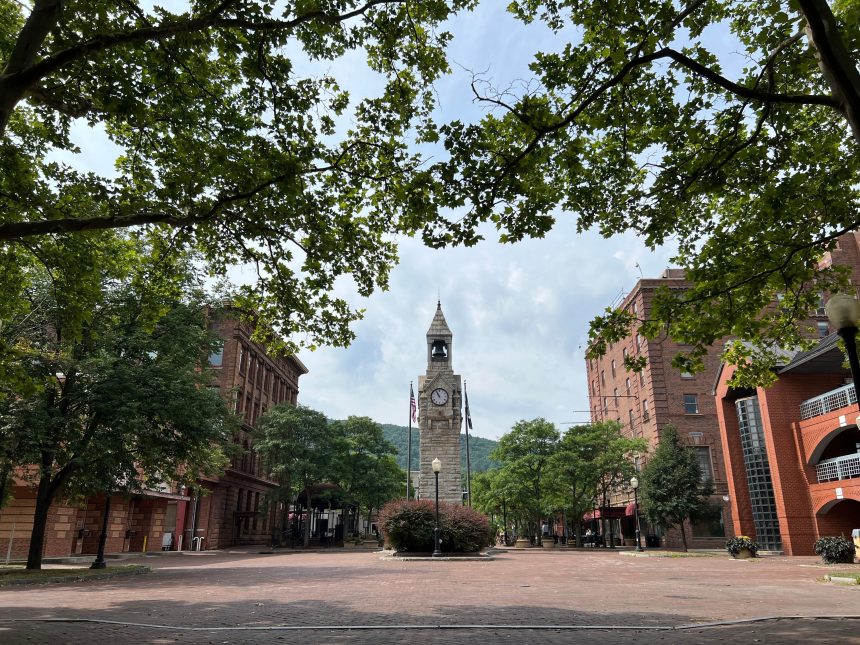
Some of the most memorable places in movies are only a block or two long. A bandstand, a courthouse, a row of brick storefronts, and a theater marquee can tell you who lives in a town before anyone speaks.
Several of these streets were real places. Others were built from scratch on studio lots. Here are seven that earned their place in film history.
Bedford Falls, It’s a Wonderful Life
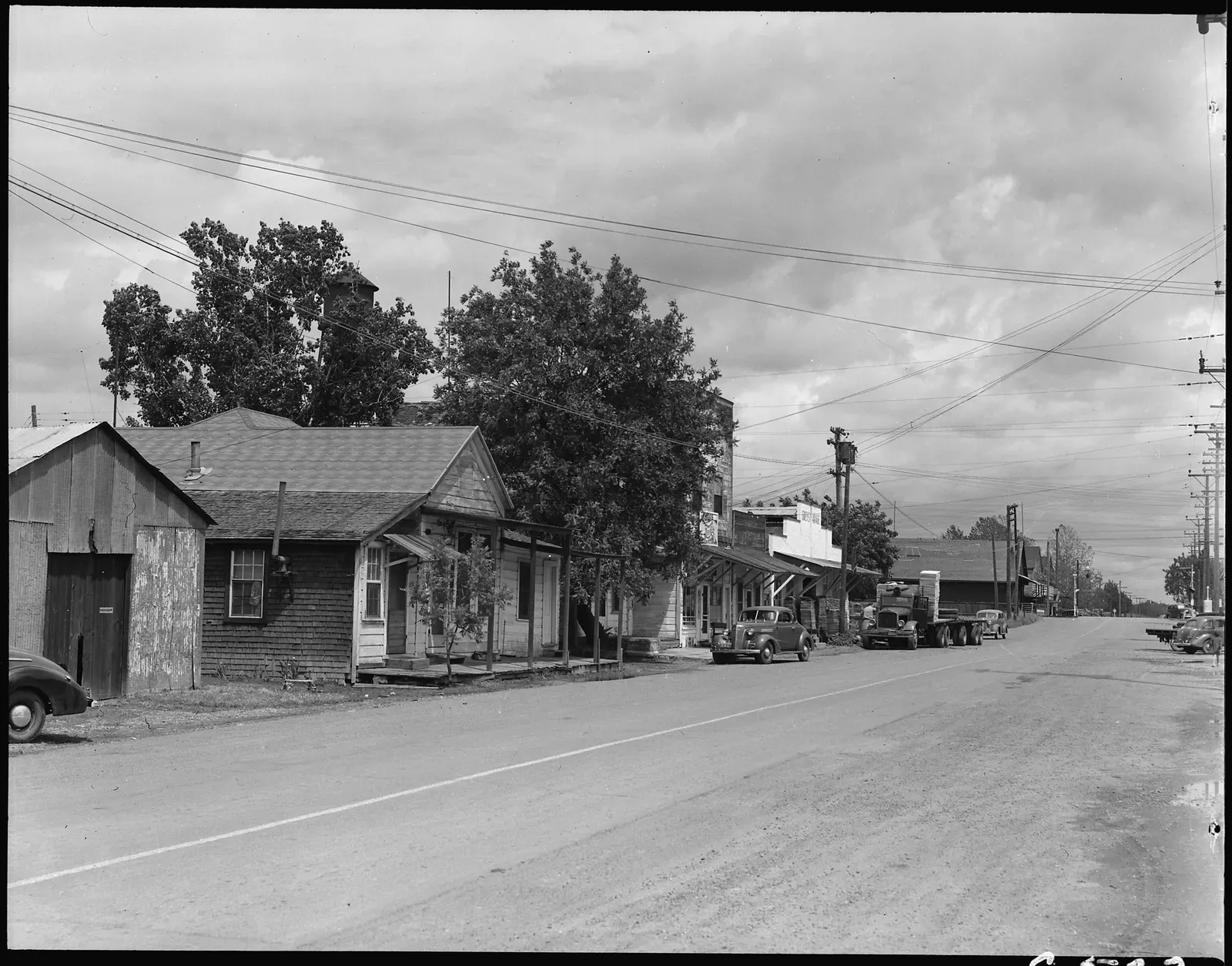
Frank Capra’s 1946 film gave American cinema its most famous fictional small town. The Bedford Falls main street was not a real town. It was a large set built on a ranch in Encino, California, and it was among the biggest film sets of its day.
Several real towns have been linked to the film’s spirit. Seneca Falls, New York, is the best known, and it holds an It’s a Wonderful Life festival each December. The link is a local tradition and a claim by the town, not a confirmed fact from the production.
Hill Valley, Back to the Future
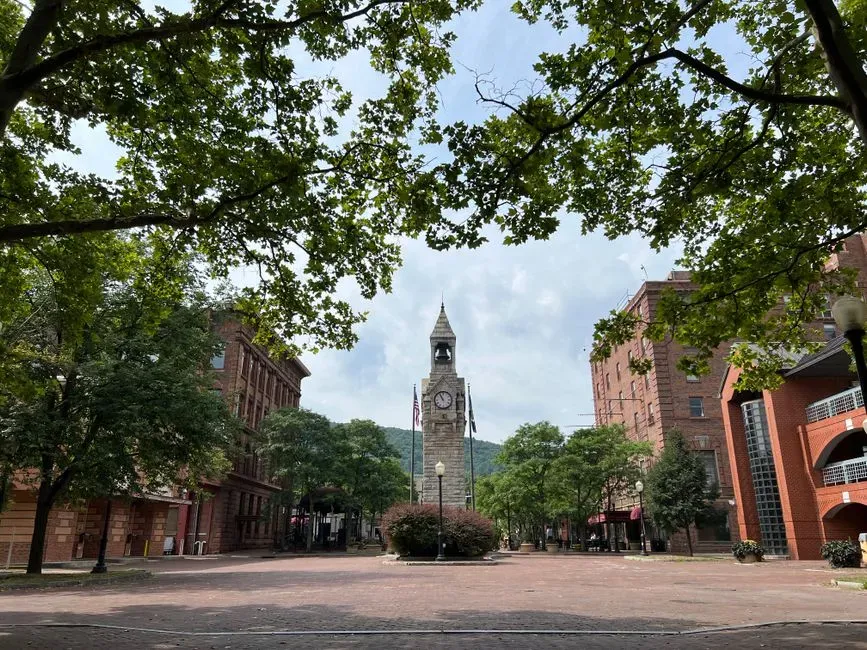
Hill Valley’s heart is its Courthouse Square, with the clock tower at the center. Robert Zemeckis shot the 1985 film on the Universal Studios backlot in California. The same square had already appeared in Gremlins in 1984, where it stood in for the town of Kingston Falls.
The set could be dressed for different eras, which suited a story that jumps between 1955 and 1985. The square is still tied to the film in the public mind, and Universal Studios Hollywood tours pass through the backlot area where it stands.
Maycomb, To Kill a Mockingbird
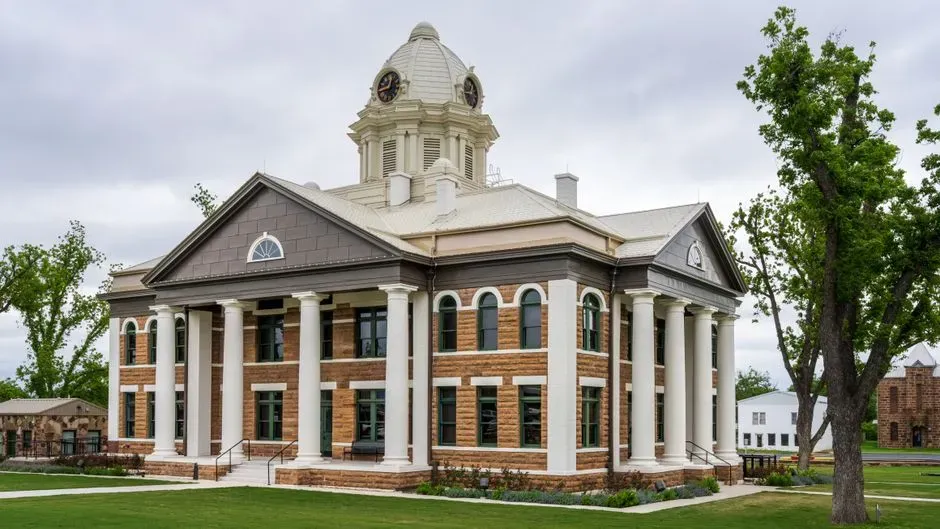
The 1962 adaptation of Harper Lee’s novel presented Maycomb, Alabama, as a sleepy Depression era town. Director Robert Mulligan filmed it on a set built at Universal rather than in Alabama. The set was modeled on the look of the Deep South, and the courthouse was inspired by the one in Lee’s hometown.
That hometown is Monroeville, Alabama, which calls itself the literary capital of the state. Its old courthouse now houses a museum devoted to Lee and the story. So the film’s Maycomb was a studio creation, while the real place that inspired it still stands.
Archer City, The Last Picture Show
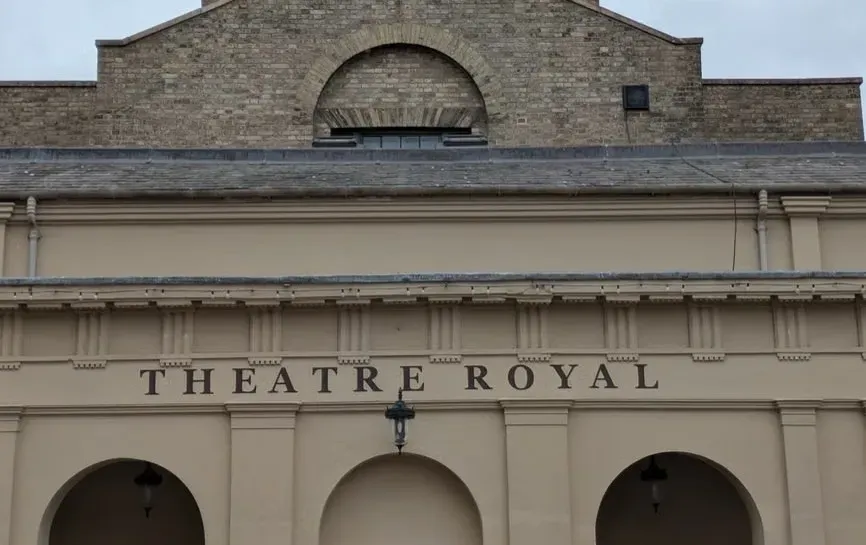
Peter Bogdanovich shot his 1971 drama in Archer City, Texas, the hometown of novelist Larry McMurtry, who wrote the book it is based on. Filming in black and white on real streets gave the dusty, fading Texas town a stark look. The main street and its old movie theater are central to the story.
Archer City is a real, working small town, and it still draws film fans. The picture show in the story reflects a real place, since the town’s historic Royal Theater has been restored in recent years. McMurtry also kept a famous bookstore business in Archer City for decades.
Edgartown, Jaws
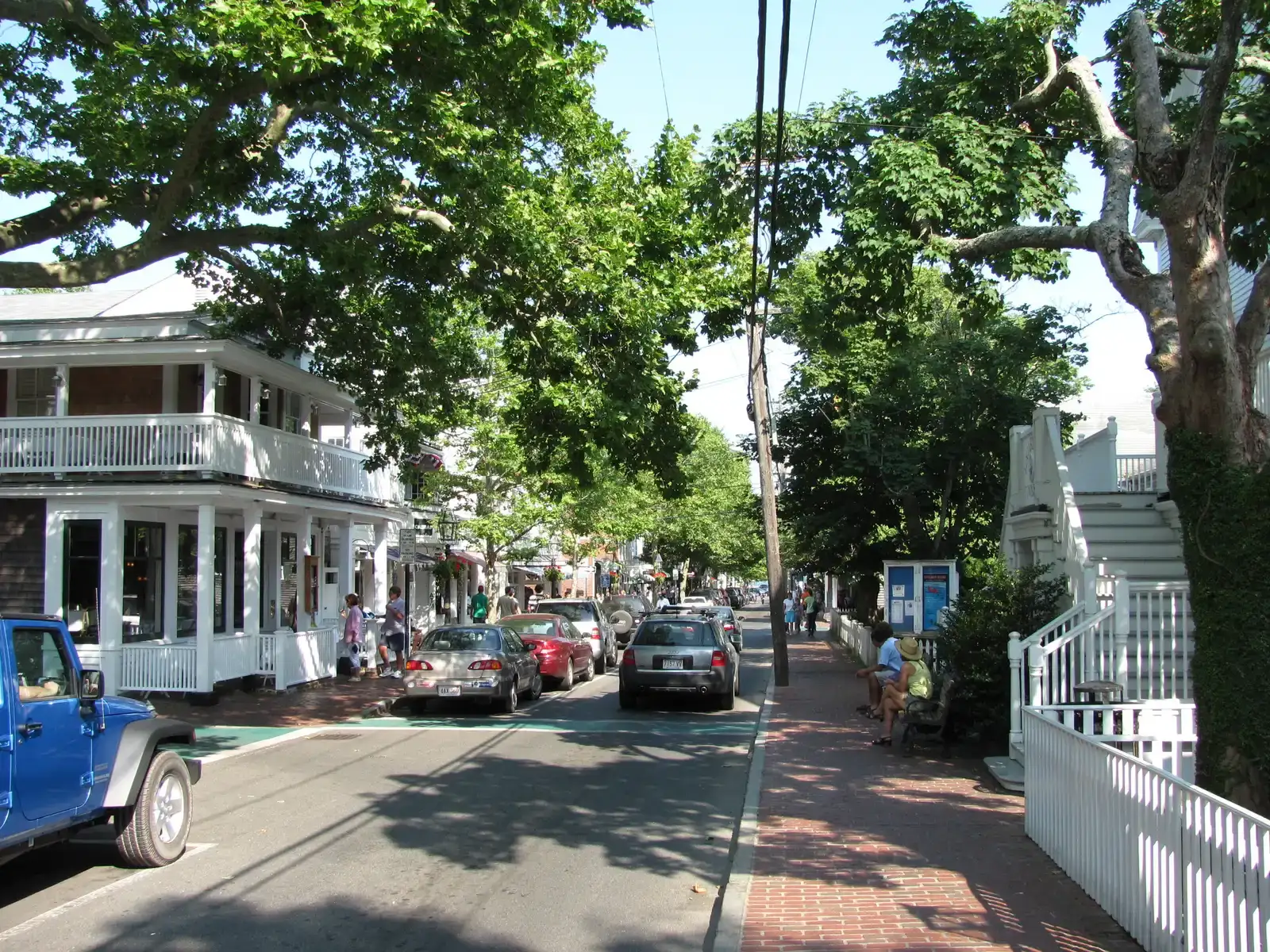
The fictional Amity Island of Jaws is really Martha’s Vineyard, Massachusetts. Steven Spielberg’s 1975 thriller used Edgartown’s Main Street for many of the town scenes, with its white clapboard houses and tidy storefronts. The cheerful look of the town is what makes the arrival of the shark so unsettling.
Other island spots appear too, including the bridge on Sengekontacket Pond, now called the Jaws Bridge. Local residents served as extras during the shoot, and the Vineyard still embraces its connection to the movie. Fans often seek out the locations on summer trips.
Woodstock, Groundhog Day
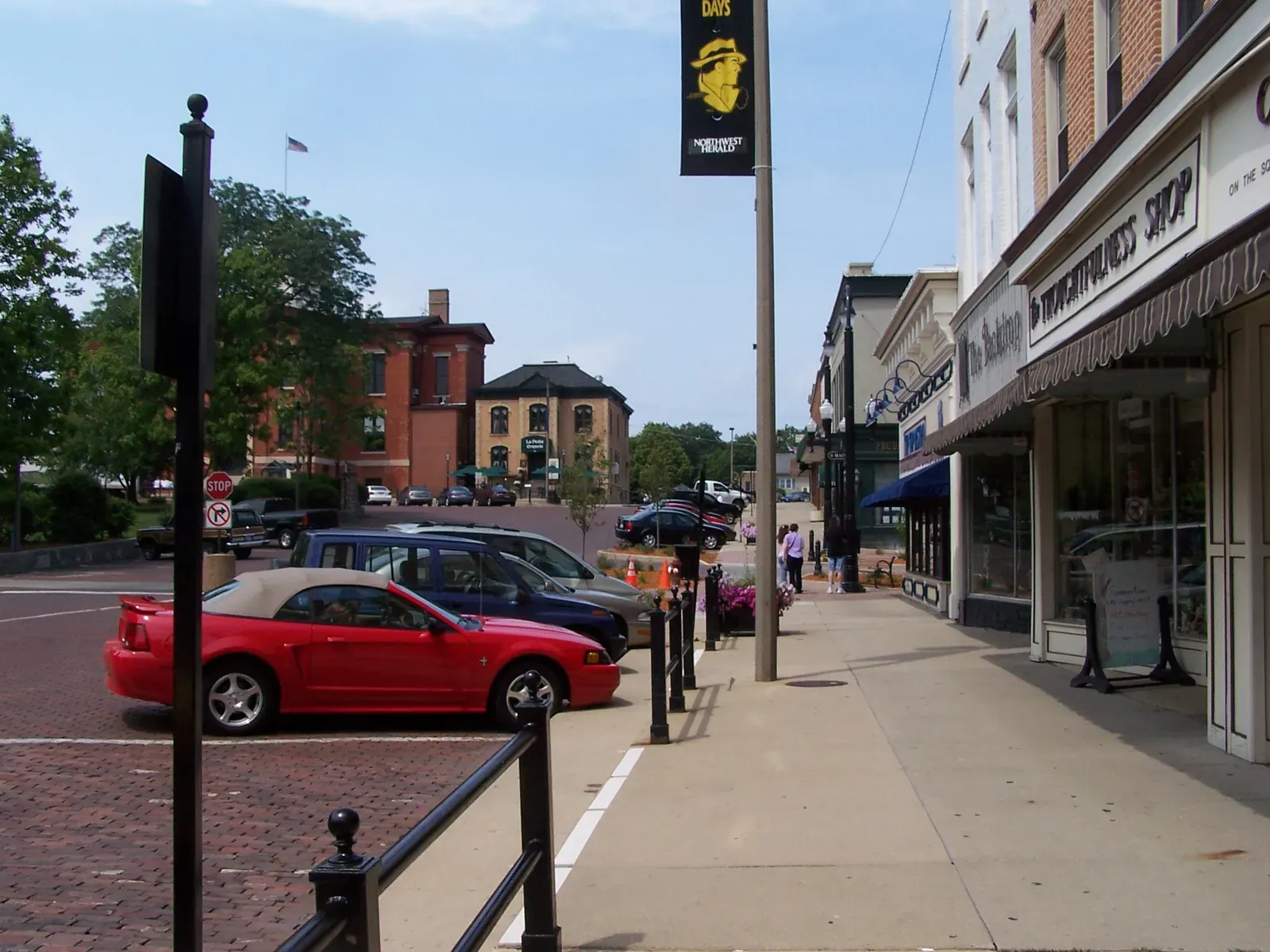
The 1993 comedy is set in Punxsutawney, Pennsylvania, but most of it was filmed in Woodstock, Illinois. Director Harold Ramis used the town square, with its bandstand and historic Opera House, for the scenes of the looping day. Bill Murray’s character walks the same blocks over and over, and the compact layout helps sell the idea.
Woodstock has leaned into its film history. The town holds a Groundhog Day celebration every February, and a plaque marks the spot where Murray stepped into the famous puddle. The square remains a pleasant, walkable downtown with shops and restaurants.
Lehi and Payson, Footloose
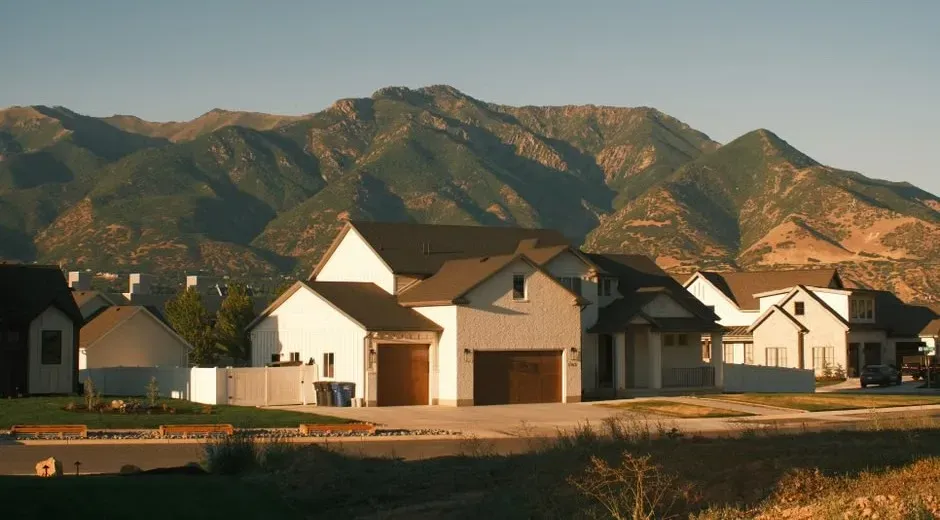
Footloose, the 1984 film directed by Herbert Ross, takes place in the fictional town of Bomont. It was filmed in several Utah County communities, including Lehi, Payson, and Santaquin. The streets and buildings gave the story a believable look of a small, tight knit town in the American heartland.
The grain elevator at the Lehi Roller Mills, used in the film, remains a landmark for fans. Lehi has grown significantly since the 1980s and is now part of Utah’s fast growing tech corridor. Even so, its older downtown streets still connect to the movie.