
The 1980s gave the Academy Awards a mix of quiet family dramas, sweeping biographies, and war films that still get argued over. Ten movies took the top prize for films released between 1980 and 1989. Some are taught in film classes, while others have mostly faded from casual conversation.
Here they are in release year order, with a few details about what made each one stand out. Keep a mental tally as you go.
Ordinary People (1980)
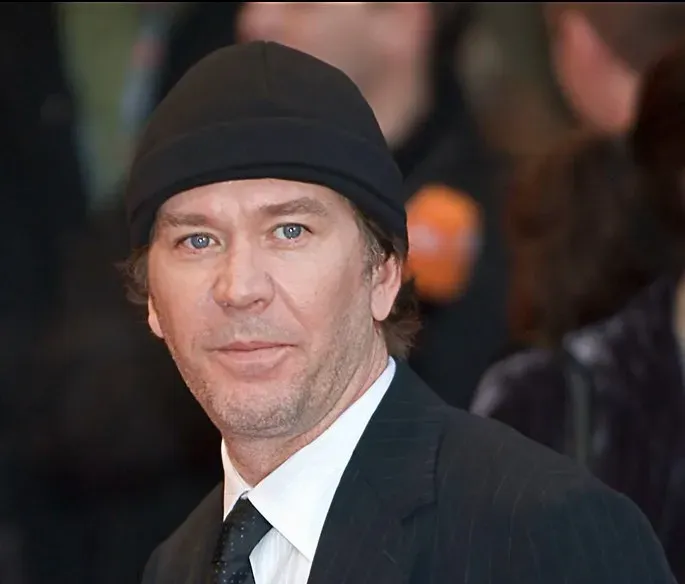
Robert Redford made his directing debut with this drama about a wealthy Illinois family coming apart after the death of a son. It was adapted from Judith Guest’s novel and focused on grief, guilt, and the things families can’t say to each other. Mary Tyler Moore’s cold, controlled mother was a surprise to audiences who knew her from comedy.
The film won four Oscars, including Best Director for Redford and Best Supporting Actor for Timothy Hutton. It also beat Raging Bull for Best Picture, a result people still debate. If you’ve only heard about it as the movie that beat Scorsese, it’s worth watching on its own terms.
Chariots of Fire (1981)
Hugh Hudson’s film follows two British runners at the 1924 Paris Olympics, Harold Abrahams and Eric Liddell. One runs to overcome prejudice, and the other runs in line with his faith. Their stories are based on real athletes, though the film does adjust some details for drama.
The movie won four Oscars, including Best Original Score for Vangelis. That synthesizer theme became one of the most recognizable pieces of film music of the decade. Colin Welland also won for Best Original Screenplay.
Gandhi (1982)
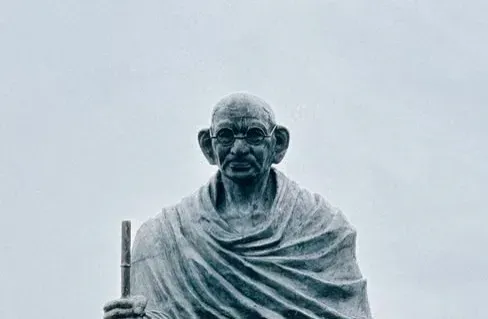
Richard Attenborough spent years trying to get this biography made, and the finished film runs over three hours. It traces Mohandas Gandhi’s life from his time in South Africa to his assassination in 1948. Ben Kingsley played the lead and won Best Actor.
Gandhi won eight Academy Awards in total, including Best Director for Attenborough. It’s a big, old fashioned epic with enormous crowd scenes. Watch it when you have a free evening.
Terms of Endearment (1983)

James L. Brooks directed this story of a mother and daughter, played by Shirley MacLaine and Debra Winger, across several decades. It’s based on Larry McMurtry’s novel and moves between comedy and heartbreak. Jack Nicholson plays a retired astronaut who lives next door.
The film won five Oscars. MacLaine took Best Actress and Nicholson won Best Supporting Actor, while Brooks won for directing and for adapted screenplay. Many viewers remember it as the one that makes the whole room cry.
Amadeus (1984)
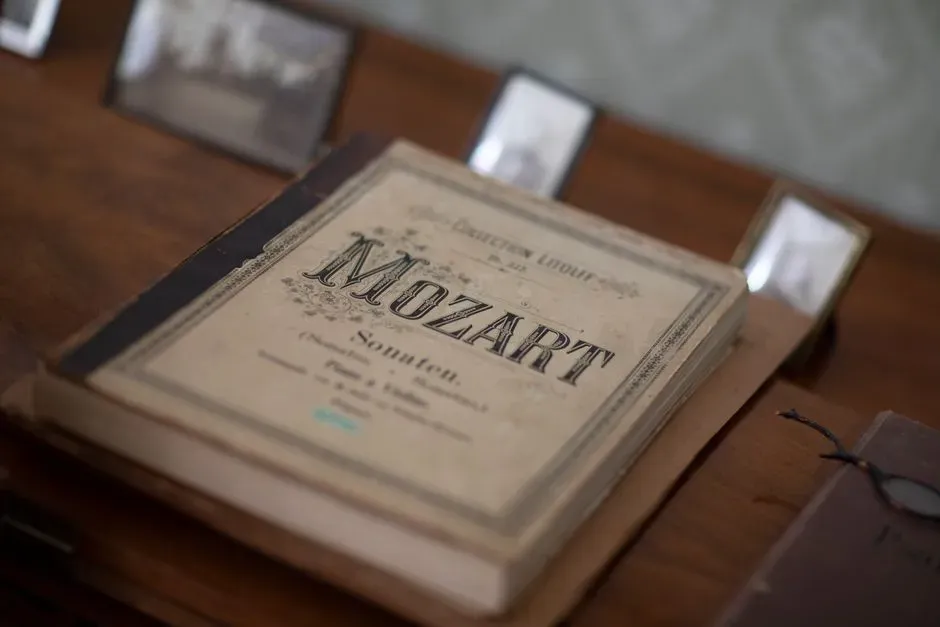
Milos Forman adapted Peter Shaffer’s play about Mozart and his jealous rival, Antonio Salieri. The film is a dramatization and not a strict history, and it takes plenty of liberties. Its lush costumes and use of Mozart’s music helped bring classical music to a wider audience.
Amadeus won eight Oscars. F. Murray Abraham took Best Actor as Salieri, beating his own costar Tom Hulce, who played Mozart. Forman also won Best Director.
Out of Africa (1985)

Sydney Pollack directed this romantic drama based on the memoir of Isak Dinesen, the pen name of Karen Blixen. Meryl Streep plays a Danish woman who moves to Kenya, and Robert Redford plays the adventurer she falls for. The landscape photography is a big part of its appeal.
The film won seven Oscars, including Best Director for Pollack and Best Original Score for John Barry. Streep was nominated for Best Actress, though she didn’t win that year. It’s a classic for viewers who like grand, slow burning romance.
Platoon (1986)

Oliver Stone drew on his own service in Vietnam to write and direct this war drama. It follows a young volunteer, played by Charlie Sheen, caught between two sergeants played by Tom Berenger and Willem Dafoe. The film’s muddy, exhausted look was a deliberate break from more heroic war movies.
Platoon won four Oscars, including Best Director, Best Film Editing, and Best Sound. It remains one of the best known Vietnam films. It’s not an easy watch, but it’s a powerful one.
The Last Emperor (1987)
Bernardo Bertolucci directed this epic about Puyi, who became China’s last emperor as a small child. The production was granted unusual access to shoot inside the Forbidden City in Beijing. The visuals are a big reason people still seek it out.
The film was nominated for nine Academy Awards and won every one of them. That included Best Director for Bertolucci and Best Original Score. Few Best Picture winners have swept their nominations so completely.
Rain Man (1988)

Barry Levinson’s road movie stars Tom Cruise as a self centered salesman who discovers he has an autistic older brother. Dustin Hoffman plays the brother, Raymond. The film was a major box office hit and introduced many viewers to a conversation about autism.
Rain Man won four Oscars, including Best Actor for Hoffman and Best Original Screenplay. Levinson also won Best Director. Some viewers now find its portrayal dated, but it remains among the decade’s most discussed winners.
Driving Miss Daisy (1989)
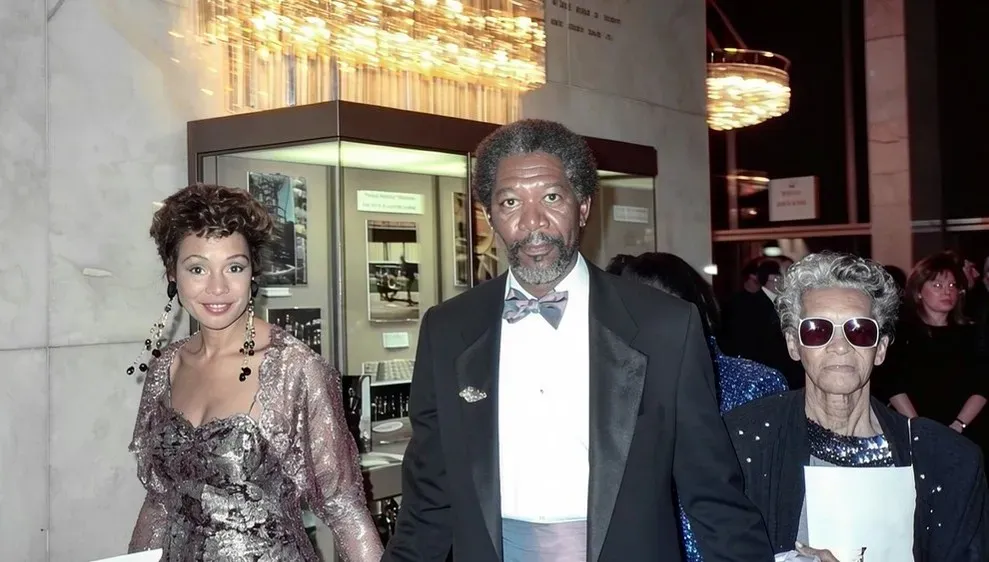
Bruce Beresford directed this gentle drama about an elderly Jewish woman in Atlanta and her Black chauffeur, played by Jessica Tandy and Morgan Freeman. It spans about a quarter century and follows their slowly deepening friendship. It was adapted from Alfred Uhry’s play.
The film won four Oscars, including Best Actress for Tandy, who was 80 at the time and became the oldest winner in that category up to then. Beresford was not nominated for Best Director, which drew attention at the time. The film has also drawn later criticism for how it handles race.
Your Final Count

That’s the full list, from Ordinary People in 1980 to Driving Miss Daisy in 1989. Seven or more means you’ve covered most of the decade. Fewer than that leaves plenty of good evenings ahead.