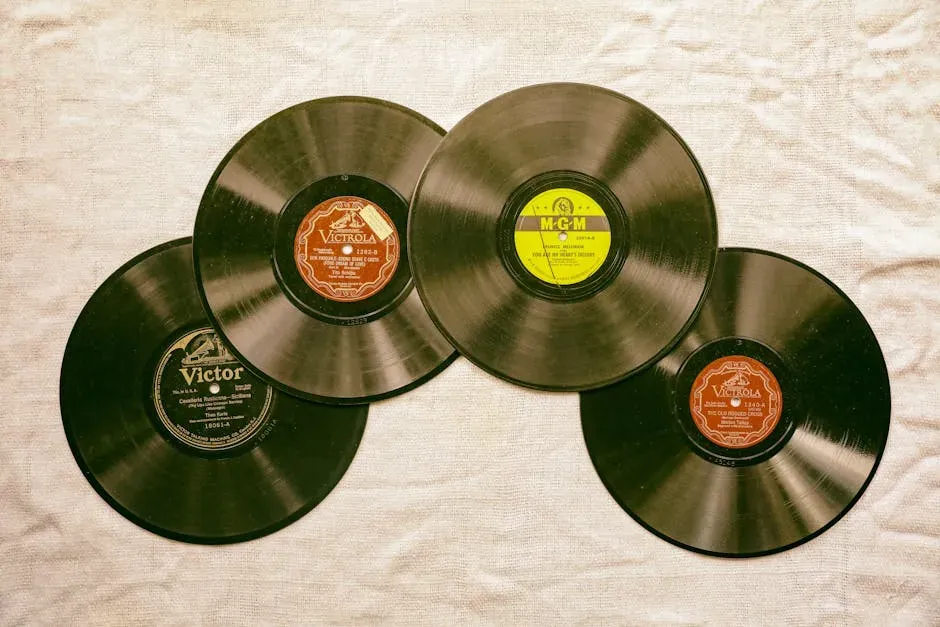
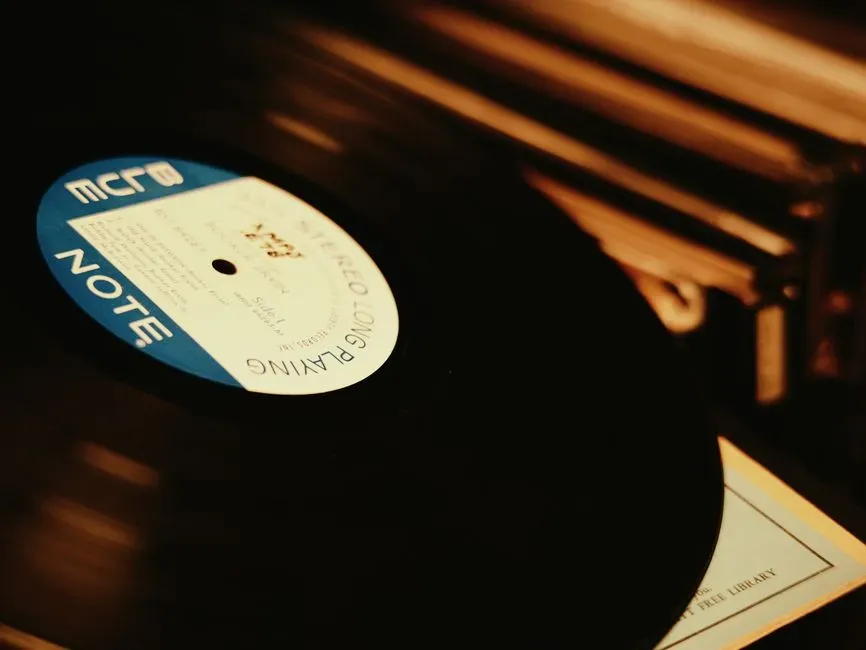
There was a time when buying an album meant holding something. You’d pull out the sleeve, unfold it, and read while the needle dropped or the cassette spun. That ritual gave listeners information that today’s streaming platforms simply don’t bother to include, and the gap is bigger than most people realize until they go looking for it.
Spotify, Apple Music, and their competitors deliver music instantly, but they strip away layers of context that used to come standard. Liner notes weren’t just packaging filler. They were a direct line between the artist and the audience, often the only place certain facts about a record existed at all.
Songwriting Credits That Explain Who Actually Wrote the Music
Songwriting Credits That Explain Who Actually Wrote the Music (Image Credits: Pexels)
Liner notes routinely listed exact songwriting splits, showing which band member wrote the lyrics, who composed the melody, and who arranged the strings or horns. This mattered enormously in bands where credit disputes later became public, like Fleetwood Mac or The Beatles, because the printed record settled the question at the time of release. Fans could see, in black and white, that a particular song was written solely by one member even if the whole band performed it.
Streaming services generally show only the primary artist and sometimes a vague “songwriter” field pulled from metadata databases, which are frequently incomplete or wrong. Apps rarely break down individual contributions to a track the way an LP sleeve did, leaving listeners with no easy way to know who actually wrote what. Anyone curious has to search outside the app entirely, often landing on fan wikis of uneven reliability.
Studio Musicians Who Never Toured but Shaped the Sound
Studio Musicians Who Never Toured but Shaped the Sound (By Martin Meyerspeer, CC BY-SA 3.0)
Session players like the Wrecking Crew in Los Angeles or the Funk Brothers in Detroit played on countless hit records without ever appearing on a concert stage, and liner notes were often the only place their names showed up. Albums from Motown, for instance, sometimes credited the specific bassist, drummer, or keyboardist who built the groove listeners danced to for decades. That kind of detail turned an anonymous backing track into a recognizable signature once fans learned to spot a particular player’s style.
Streaming apps almost never surface this information, since their metadata is built around the headline artist and rarely extends to session personnel. A listener today could stream a Marvin Gaye classic hundreds of times and never learn which musicians actually played the instruments. The historical record of who built these songs increasingly survives only in liner note archives, reissue booklets, and dedicated discography sites.
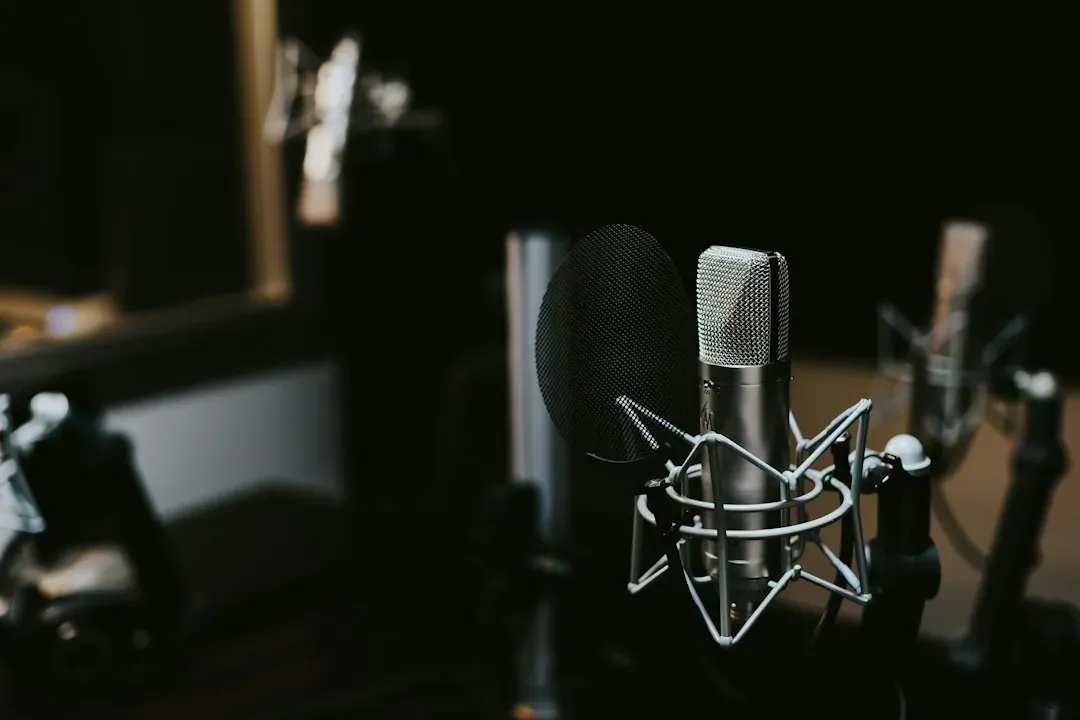
Recording Locations That Reveal the Album’s Actual Story
Recording Locations That Reveal the Album’s Actual Story (Image Credits: Unsplash)
Many liner notes specified exactly where an album was recorded, whether that was Abbey Road Studios, Muscle Shoals Sound Studio in Alabama, or a cheap rented space during a low point in a band’s career. That detail often explained a lot about the record’s texture, since studios had reputations, house engineers, and even specific rooms known for particular acoustic qualities. Fans who cared about production could trace a sonic signature across albums recorded in the same building years apart.
Streaming platforms don’t include this kind of production geography anywhere in their standard listening interface. There’s no field for “recorded at” the way there was on the back of an LP jacket, so this context has largely vanished from casual listening. Listeners who want it have to seek out liner notes reissues, documentaries, or dedicated books about recording studios.
Personal Dedications and Thank-You Lists
Personal Dedications and Thank-You Lists (Image Credits: Pexels)
The thank-you section of a liner note often read like a diary entry, listing family members, mentors, other musicians, and sometimes cryptic references that fans spent years decoding. These sections occasionally hinted at who inspired a record, who the artist was dating, or which producer had become a trusted collaborator across multiple projects. They added a human layer to the album that made it feel like a specific moment in someone’s life rather than a polished commercial product.
None of this survives the transition to streaming. Digital platforms have no equivalent field, and even artist bios on these apps tend to be generic paragraphs written by a licensing service rather than anything personal from the artist. The dedication page, once a small window into an artist’s private world, simply doesn’t exist in the digital listening experience.
Instrument Details That Explained the Album’s Texture
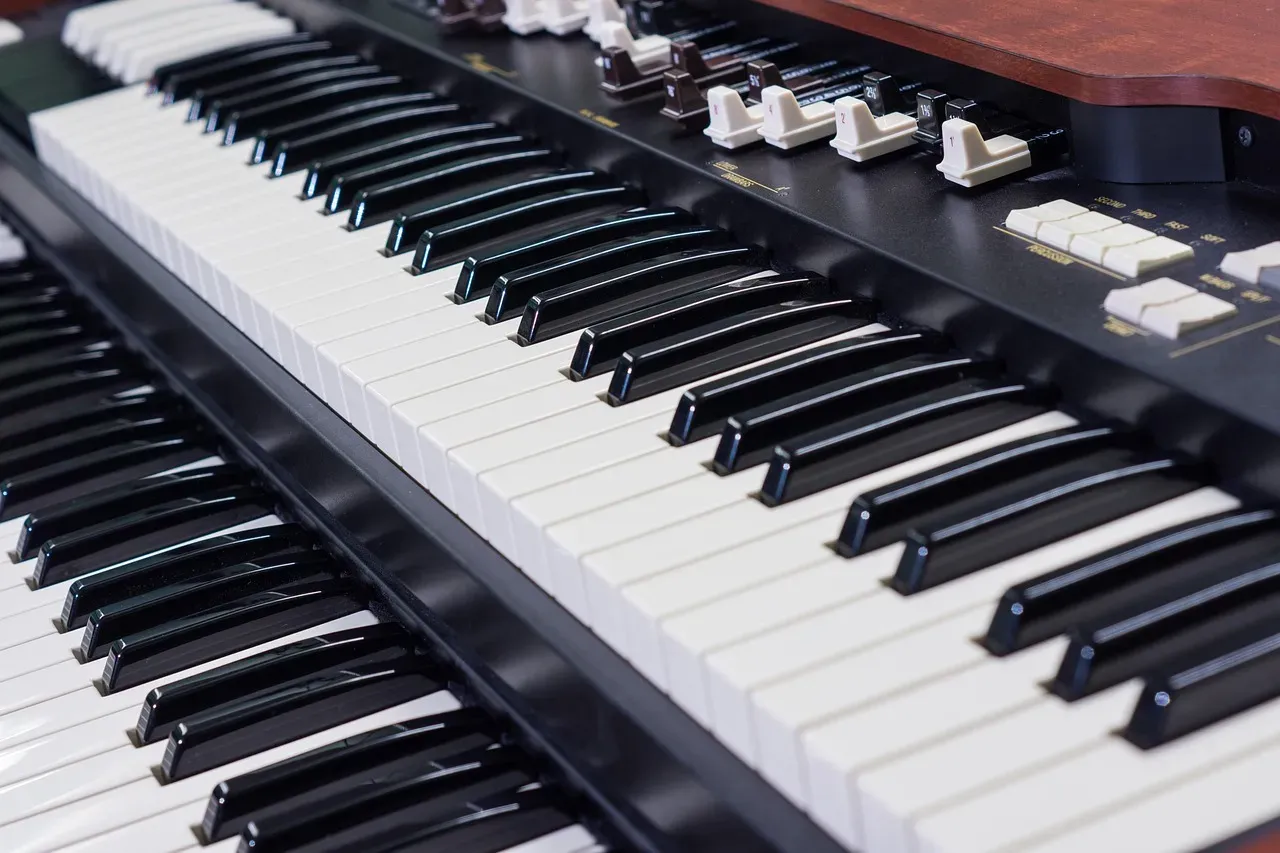
Instrument Details That Explained the Album’s Texture (Image Credits: Pixabay)
Liner notes frequently specified which instruments appeared on which tracks, down to details like a Hammond B3 organ, a Rickenbacker guitar, or a Moog synthesizer used for a specific solo. For gearheads and musicians, this was essential information that explained why a song sounded the way it did. Prog rock and jazz fusion albums in particular leaned heavily on these credits, since the instrumentation itself was often part of the artistic statement.
Streaming apps offer no equivalent breakdown anywhere in their interface. A listener hearing an unusual sound on a track has no built-in way to learn what instrument produced it, unlike the physical liner note that spelled it out plainly. This has pushed a lot of that knowledge into fan forums and specialized gear databases that exist entirely outside the mainstream listening experience.
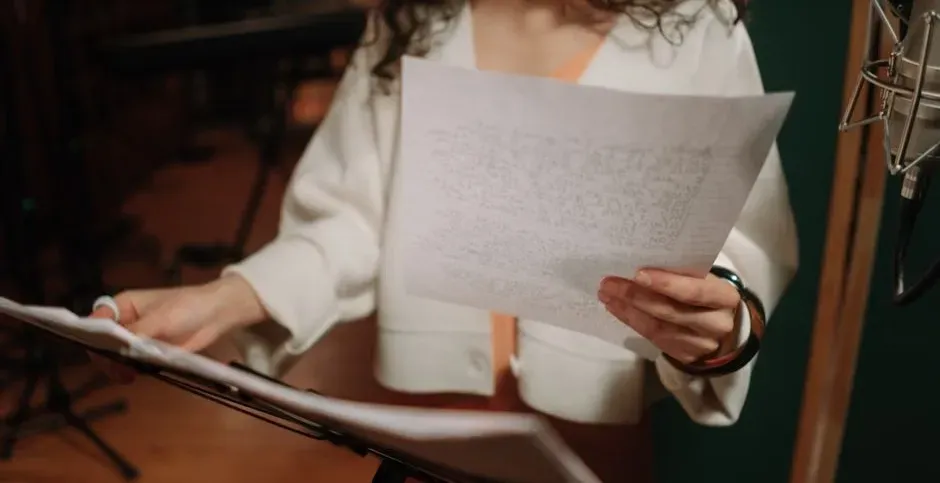
Printed Lyrics That Settled Arguments Over Words
Printed Lyrics That Settled Arguments Over Words (Image Credits: Pexels)
Many albums included full printed lyric sheets, which mattered because song lyrics are often mumbled, mixed low, or intentionally ambiguous on the actual recording. Fans debating a lyric’s meaning could simply check the sleeve rather than relying on guesswork. This was especially valuable for genres like hip hop and folk, where wordplay and storytelling were central to the artistic intent.
Streaming platforms do offer lyrics now through partnerships with services like Musixmatch, but these are frequently riddled with transcription errors and lack any input from the actual artist. The printed lyric sheet was, in many cases, verified directly by the songwriter before release, giving it an authority that crowd-sourced digital lyrics rarely match. The accuracy gap between an official liner note lyric sheet and a modern streaming lyric overlay remains noticeable to careful listeners.
Album Concept Explanations From the Artist Directly
Album Concept Explanations From the Artist Directly (Image Credits: Pixabay)
Concept albums often included a paragraph or two explaining the record’s narrative arc, written by the artist or a close collaborator to guide listeners through the intended story. Pink Floyd’s The Wall and similar ambitious releases used liner notes to clarify structure that might otherwise confuse a first time listener. This context shaped how an entire generation understood the album as a unified work rather than a loose collection of songs.
Streaming apps present tracks in a flat list with no room for this kind of framing device. Listeners can shuffle a concept album without ever realizing it was designed to be heard in strict sequence with a specific narrative in mind. Some artists have tried adding context through liner-note-style descriptions in their artist profiles, but this remains inconsistent and far less detailed than what physical packaging once offered.
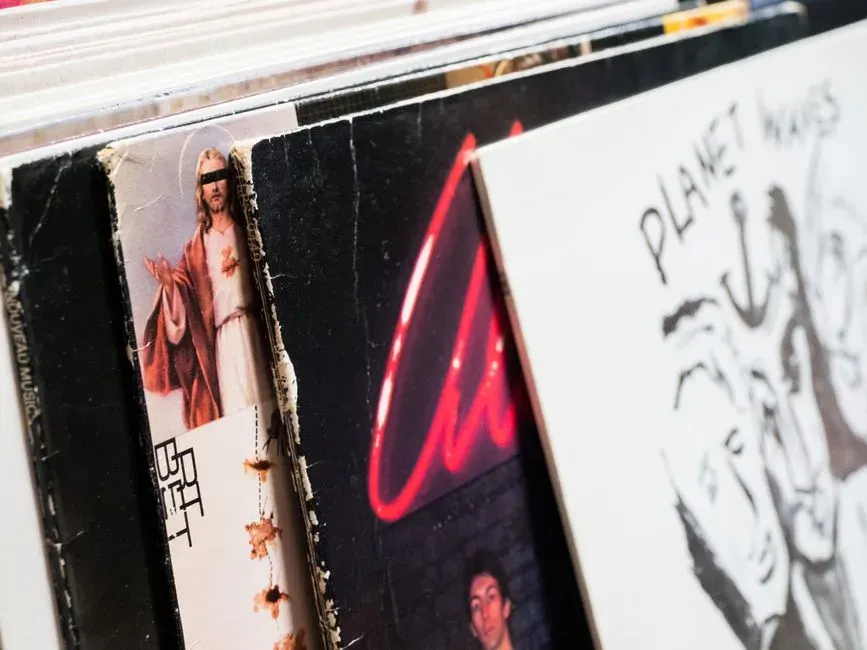
Photography and Artwork Credits That Told a Visual Story
Photography and Artwork Credits That Told a Visual Story (Image Credits: Pexels)
Album sleeves often credited the photographer, the graphic designer, and sometimes even the location where cover art was shot, giving visual context that shaped how fans perceived the music before they even heard it. Iconic covers like Nirvana’s Nevermind or Pink Floyd’s Dark Side of the Moon came with specific creative credits that added another layer of meaning to the release. These details connected album art to a broader creative team, acknowledging that a record’s visual identity was its own collaborative achievement.
On streaming platforms, cover art appears as a small thumbnail with essentially no accompanying credit information. The photographer, designer, or creative director behind an iconic image is rarely acknowledged anywhere in the app. This erasure means an entire category of creative labor behind album art has become almost invisible to modern listeners.
Technical Credits for Producers, Engineers, and Mixers
Technical Credits for Producers, Engineers, and Mixers (Image Credits: Pexels)
Liner notes typically listed who produced, engineered, and mixed each track, distinguishing these roles clearly even when multiple people worked on different songs within the same album. This mattered because a producer’s signature sound, like Quincy Jones on Michael Jackson’s Thriller or Rick Rubin’s minimalist approach across various genres, was something fans learned to recognize and seek out. Understanding these credits helped listeners follow a producer’s career across different artists and genres.
Streaming services do sometimes list producer credits, particularly for newer releases where metadata standards have improved somewhat, but coverage remains inconsistent across older catalog titles. Mixing and mastering engineers are almost never credited on major platforms, even though their work significantly shapes how a finished record actually sounds. This inconsistency means a listener’s ability to trace technical talent across a career depends heavily on which era and which platform they’re using.
Pressing and Release Details That Marked a Record’s Place in Time
Pressing and Release Details That Marked a Record’s Place in Time (Image Credits: Pexels)
Vinyl and CD liner notes often included specific pressing information, catalog numbers, and release dates that helped collectors and historians place a record precisely within an artist’s timeline. These details became especially valuable decades later, when fans and researchers needed to verify which version of an album they owned or which pressing corresponded to a particular sonic mix. Small print on the back cover carried real archival weight for anyone piecing together music history.
Streaming platforms typically show a release date but rarely distinguish between different pressings, remasters, or regional variants the way physical liner notes did. A listener streaming an album has no easy way to know if they’re hearing the original 1970s mix or a later remaster with altered levels. This loss of technical specificity has made careful discography research meaningfully harder for anyone without access to physical archives or dedicated collector databases.
Partner offer
Partner offer
Planning a trip to Vegas?
Compare hotel rates and show tickets on VEGAS.com.