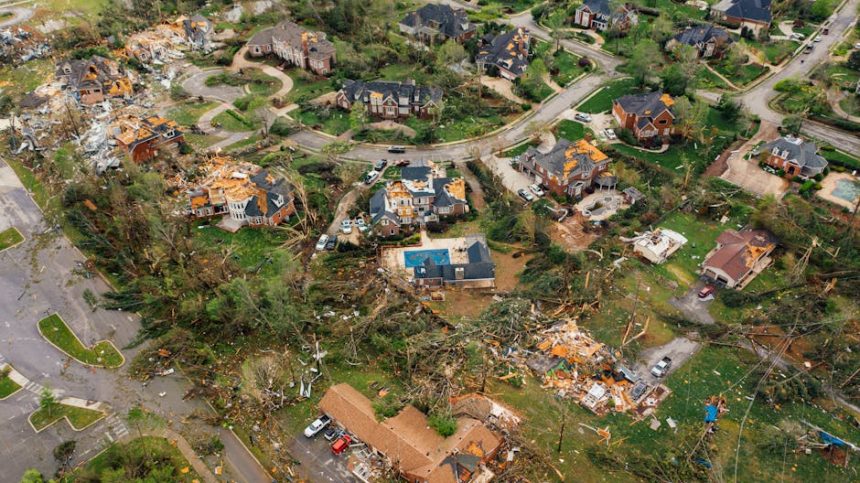
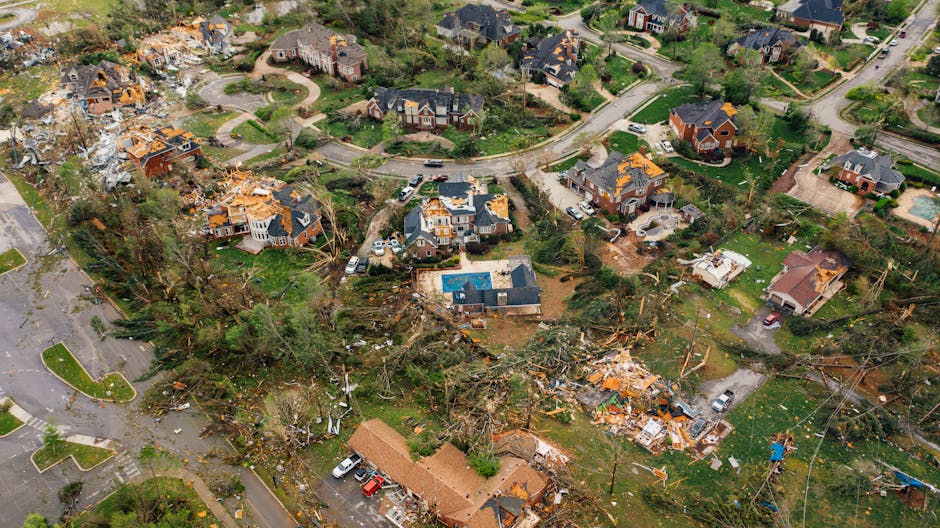
The Atlantic hurricane season runs from June 1st through November 30th. – Image for illustrative purposes only (Image credits: Pexels)
The Atlantic hurricane season carries direct implications for public health planning across coastal areas. It runs from June 1 through November 30 each year. This established window allows health agencies and emergency services to align resources ahead of potential storms that can disrupt medical access and increase risks of injury or illness.
Why the Calendar Matters for Health Systems
Health officials use the fixed dates to time preparedness activities. Hospitals review surge protocols and supply chains well before June. Communities receive reminders about evacuation routes and medication storage during the same period.
The schedule also guides public messaging campaigns. Residents learn when to update emergency kits and check insurance coverage. These steps reduce last-minute strain on clinics once storms approach.
Key Periods Within the Season
Activity tends to build after the official start date. Peak months often fall between August and October. Health departments monitor forecasts closely during those weeks to adjust staffing and patient transport plans.
November marks the close of the season. Agencies then evaluate response efforts and restock supplies. This cycle repeats annually with only minor adjustments to the overall dates.
Practical Steps for Residents
People in at-risk zones can begin simple preparations now. Updating contact lists for local health departments is one early action. Reviewing prescriptions and ensuring a multi-day supply of medications is another.
Local governments typically issue seasonal alerts starting in late May. These notices highlight shelter locations and special-needs registries. Following the guidance helps limit health complications during any storm event.
What matters now: With the season opening in under three weeks, health and emergency teams are finalizing coordination plans based on the June-to-November window.