
Walk into any home that was decorated in the early 2000s and you’d find a very specific set of gadgets scattered across counters and shelves. A corded phone by the kitchen wall, a stack of DVDs beside the television, a digital camera charging in a drawer somewhere. These items felt permanent at the time, almost like fixtures of modern life rather than passing trends.
Two decades later, most of those objects are quietly vanishing, replaced by a single glowing rectangle that fits in a pocket. This isn’t nostalgia for its own sake. It’s a real, measurable shift in consumer behavior, backed by industry reports, government surveys, and sales data that show just how fast these once-essential household items are fading from daily use. Here’s a closer look at seven of them, along with the numbers that prove they’re on their way out.
1. Corded and Cordless Landline Telephones
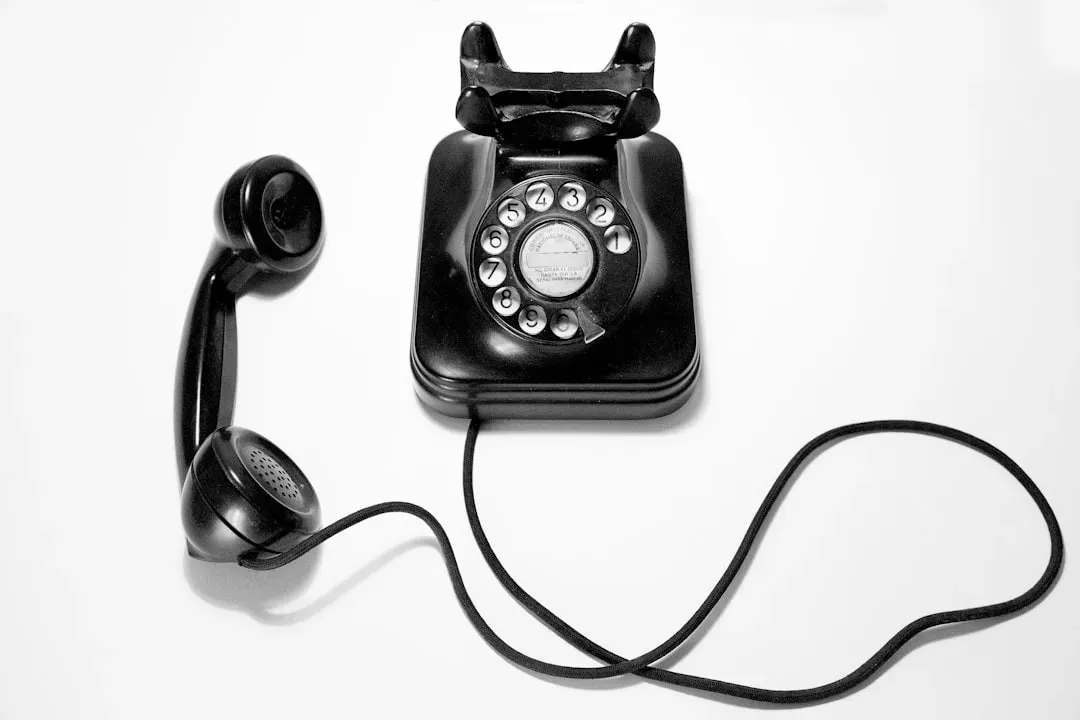
The home phone was once the anchor of every household’s communication setup, and the 2000s actually marked its peak in the United States. The 2000s marked the peak of landline ownership in the country, and it has declined in the aftermath of widespread adoption of mobile technology. Fast forward to today and the numbers have flipped almost completely. According to recent data, 78% of U.S. households are now wireless‑only phone users, up from 71% just one year ago, meaning more than 208 million Americans rely solely on mobile phones for voice communication.
The decline hasn’t been gradual so much as accelerating. Over the past five years, landline phone use has declined by 40.9 million households, and in the last year alone, 6.5 million have cut the landline cord nationwide. Interestingly, the story isn’t entirely one-directional. A quiet cultural comeback may be brewing, especially among younger generations, with a TikTok trend emerging of people deliberately incorporating landline phones into their routines as a way to reduce screen time. Even so, the device that once defined every kitchen wall is now mostly a relic kept alive by older generations and a small wave of nostalgic younger users.
2. DVD and Blu-ray Players
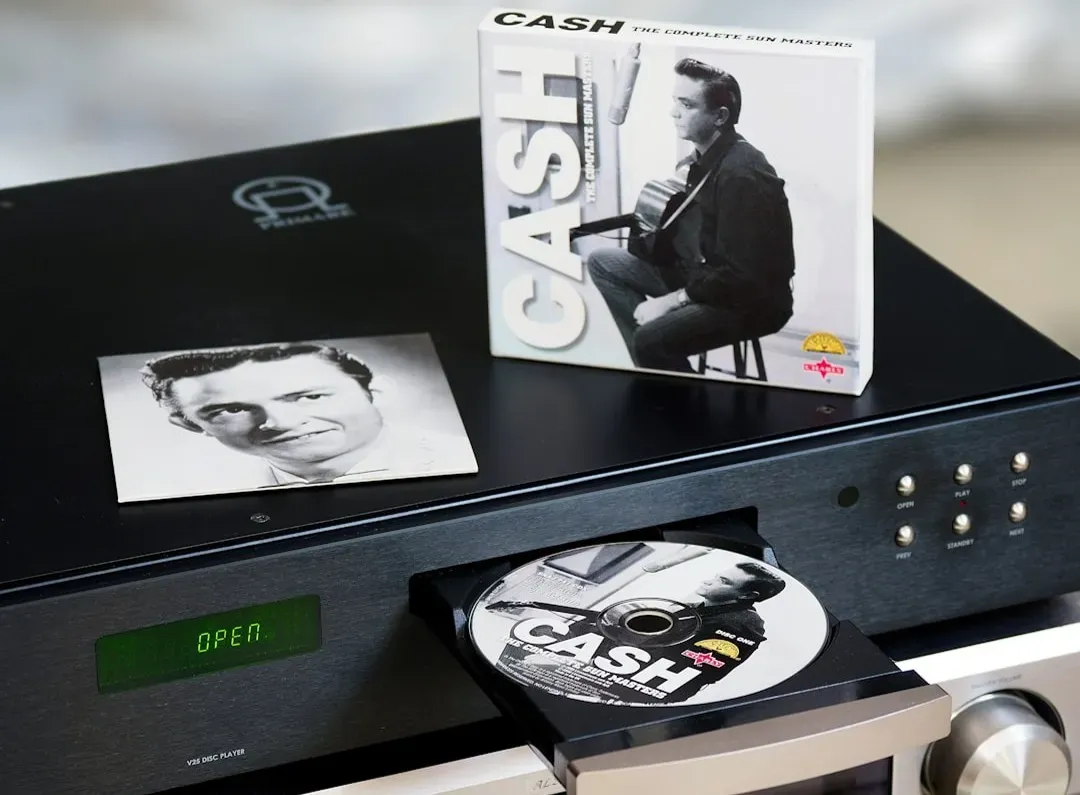
Few household items symbolize the 2000s quite like the DVD player parked beneath the television. That entire industry has essentially collapsed under the weight of streaming. Physical disc sales in the U.S. declined 23% from 2023’s $1.3 billion, to $959.6 million in 2024, a 94.2% decrease from DVD sales’ all-time high of $16.6 billion in 2006. That drop, notably, began roughly a year after Netflix launched its streaming service.
Retailers have followed the trend just as sharply as consumers have. Best Buy eliminated physical disc sales entirely in 2024, while Walmart and Target have drastically reduced shelf space, further eroding accessibility. Hardware makers have pulled back too, since the scarcity of modern Blu-ray players is compounded by the fact that few manufacturers are producing new units. There is a small counter-trend worth mentioning: physical media sales only fell about 9 percent in 2025, a much smaller drop than the more than 20 percent declines seen in both 2023 and 2024, hinting that a niche audience of collectors and younger nostalgic buyers is keeping the format on life support rather than reviving it.
3. Standalone GPS Navigation Devices
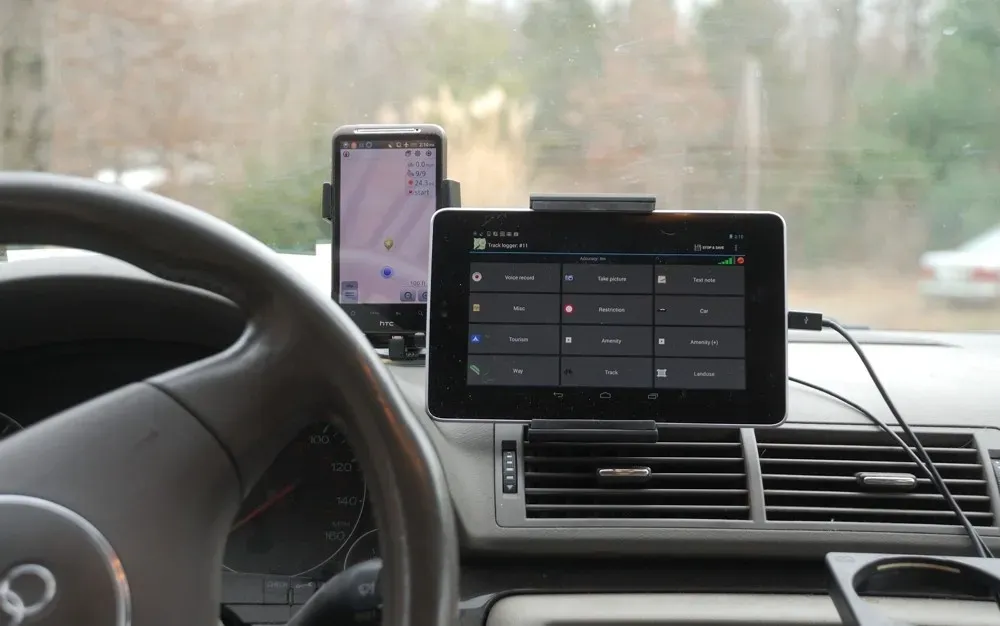
Before Google Maps and Waze became default apps on every phone, dashboard-mounted GPS units from brands like Garmin and TomTom were considered essential road-trip gear. That business model was upended almost overnight once smartphones caught up. The rise of smartphones with built-in GPS, especially after the launch of the iPhone 3G in 2008, made standalone navigation devices seem obsolete, and Garmin’s stock, once valued at over 20 billion dollars, plunged nearly 80% in a span of about 12 months.
The scale of what Garmin lost illustrates just how central these devices were to the 2000s household. In the company’s golden days in 2008, Garmin shipped 16.9 million personal navigation devices and controlled 36% of the global Personal Navigation Device market. Garmin itself survived by pivoting hard into fitness watches, outdoor gear, and marine electronics rather than car dashboards, but the plain dashboard GPS puck that used to suction onto every windshield has essentially disappeared from ordinary households, replaced entirely by the map app already sitting in everyone’s pocket.
4. Point-and-Shoot Digital Cameras
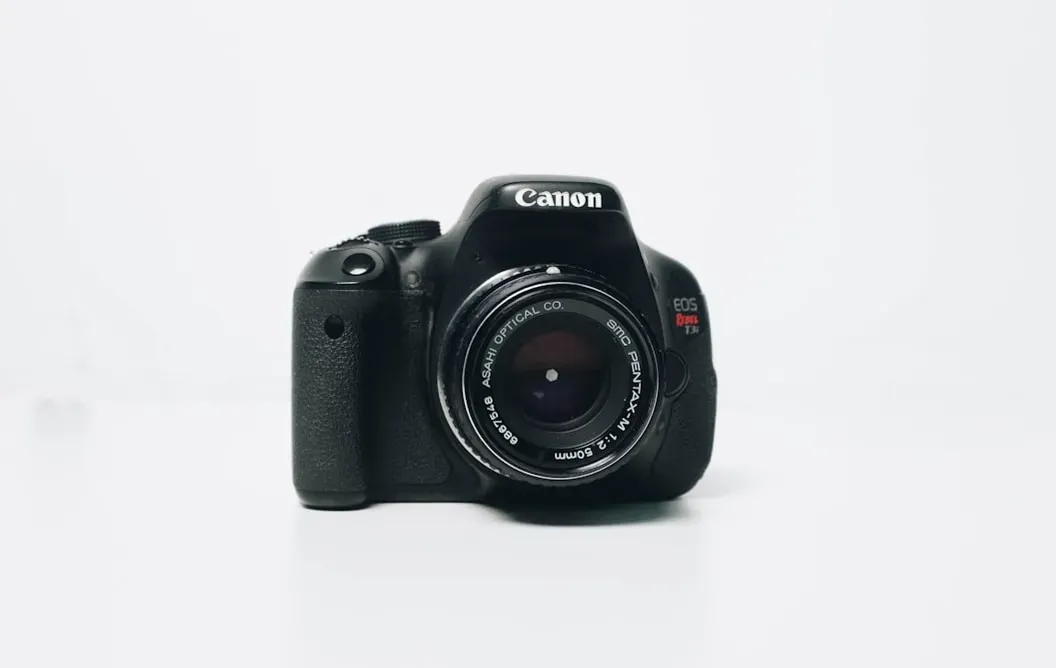
The compact digital camera was arguably the defining gadget of 2000s birthday parties, vacations, and school events, but its collapse has been one of the steepest in modern consumer electronics history. Worldwide camera shipments dropped by 94 percent between 2010 and 2023, wiping out decades of growth, with CIPA members shipping just 1.7 million cameras with built-in lenses in 2023, down from almost 109 million in 2010.
What makes this decline so remarkable is the speed at which it happened once smartphone cameras matured. By 2012, the point-and-shoot market was in freefall, with sales plunging by double digits year after year, roughly 20 to 30 percent annual declines between 2012 and 2015. There’s a small revival worth noting for context: shipments of compact cameras ticked back up in 2025, though even that rebound remains a tiny fraction of the format’s former scale. In 2010, more than 108.5 million compact cameras were shipped worldwide, and the 2025 numbers are just 2.24 percent of that peak year.
5. Printed Phone Books and Yellow Pages

The thick, yellow-covered directory that used to land on doorsteps every year has all but vanished from most American homes. Regulators started the process by allowing phone companies to stop the mass printing of residential directories. The demise of the phone book began on October 14, 2010, when regulators in New York approved Verizon’s request to stop mass-printing residential phone books, marking the beginning of the end of the beloved household staple and saving an estimated 1,640 tons of paper.
The underlying reason is simple: nobody needs a printed directory when a search engine does the job faster and more accurately. One recent survey showed 97% of consumers went online to look for businesses instead. Business-focused Yellow Pages directories haven’t disappeared entirely, though. Phone books are still made and distributed to millions of households across the United States, though their scale and purpose have shifted dramatically, and while residential White Pages have largely been discontinued in most regions, business-focused Yellow Pages continue to be printed and delivered annually. They now mostly serve older adults and rural communities who are less likely to search online for local services.
6. Answering Machines
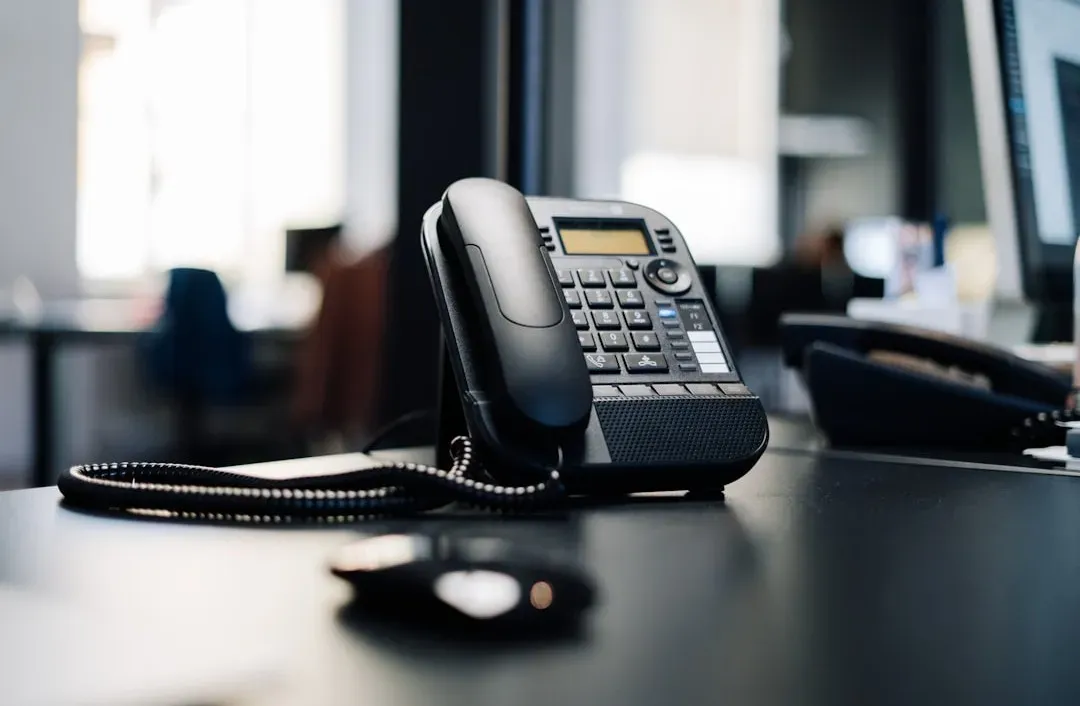
The little box that recorded messages with a blinking red light was a fixture of nearly every 2000s household, often paired directly with the landline phone it depended on. As landline adoption collapsed, so did the entire ecosystem built around it, including the standalone answering machine that families once used to screen calls or catch messages while out of the house. Voicemail built directly into cell phone service, along with visual voicemail apps, made the physical device redundant almost overnight for most households.
What’s interesting is that the concept of an answering machine never actually disappeared, it simply moved from a plastic box on the counter into software running invisibly on a phone carrier’s network. Younger adults who have never lived with a landline have likely never even seen a standalone answering machine in person. For households that still keep one plugged in, it tends to function more like a decorative holdover than a functional necessity.
7. Fax Machines

The home fax machine, once considered a modern convenience for sending documents without a trip to the post office, has become one of the quietest casualties of the smartphone and scanning-app era. Most households that owned one in the 2000s used it sparingly even then, mostly for signing and returning paperwork, and today that entire function can be handled by snapping a photo of a document and emailing a PDF. Multifunction printers still technically include fax capability, but the standalone home fax machine as its own dedicated appliance has essentially disappeared from everyday use.
Where fax technology survives, it tends to live in specific professional environments such as legal offices, medical practices, and certain government agencies that still require it for compliance or security reasons. In the average household, though, the machine that once required its own phone line and spool of thermal paper has simply been replaced by apps that scan, sign, and send documents in seconds. It’s a reminder that obsolescence at home doesn’t always mean a technology vanishes everywhere, sometimes it just retreats into narrower, more specialized corners of use.
8. Printed Encyclopedia Sets and Reference CD-ROMs
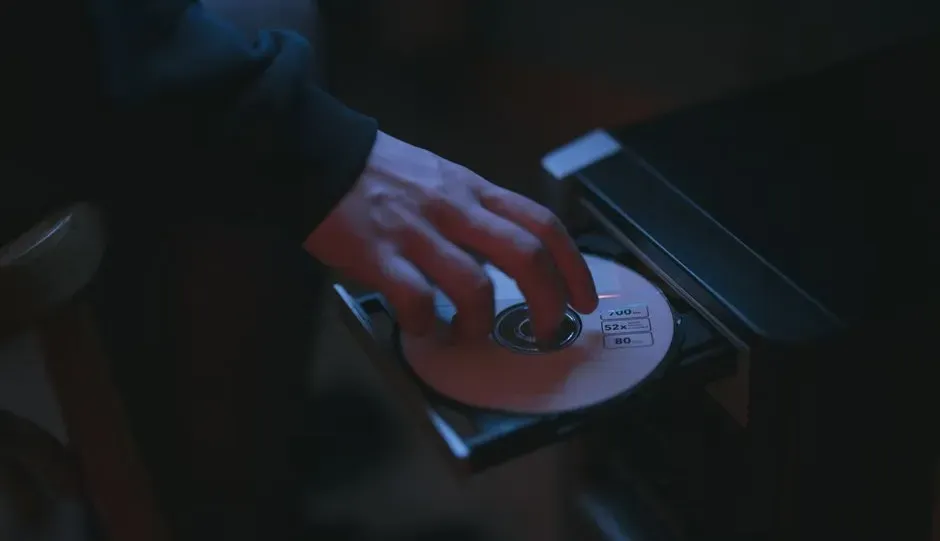
Bookshelves in 2000s households often carried a full set of encyclopedias, a purchase that represented a serious financial investment for many families trying to give their kids access to reliable reference material. Alongside those printed volumes sat CD-ROM reference software, which briefly bridged the gap between print encyclopedias and the internet before broadband access became widespread. Both formats were rendered nearly pointless once online encyclopedias and search engines offered instantly updated information for free.
The shift was symbolic as much as practical. A printed encyclopedia set could never be updated once it left the printing press, while a search engine reflects new information within minutes of it being published. Families no longer feel the need to dedicate shelf space or hundreds of dollars to a reference collection that starts becoming outdated the moment it arrives. What used to be a proud fixture of the family living room is now more likely to be donated, sold at a garage sale, or simply thrown away.
The Bigger Picture
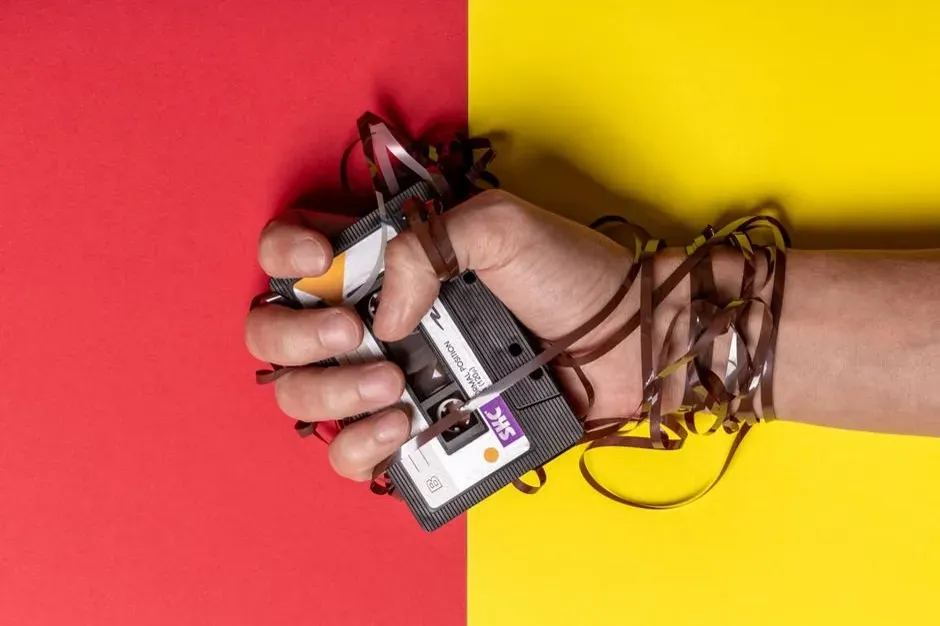
None of these seven items disappeared because they stopped working or because people suddenly disliked them. They faded because smartphones, streaming platforms, and broadband internet quietly absorbed every function they used to perform, often doing it faster, cheaper, and more conveniently. It’s a pattern that keeps repeating itself with each new wave of consumer technology, and there’s no reason to think it will stop with this list.
What’s worth remembering is that obsolescence rarely happens all at once. Landlines, phone books, and standalone cameras are still technically available to buy, and small pockets of nostalgic or practical demand keep a few of them limping along. Still, the broad trend is unmistakable. The household gadgets that once felt indispensable in the 2000s have become optional at best, and in some homes, completely forgotten. A decade from now, today’s kids may look at photos of these old devices the same way we once looked at rotary phones and typewriters, curious relics from a world that quietly moved on without them.