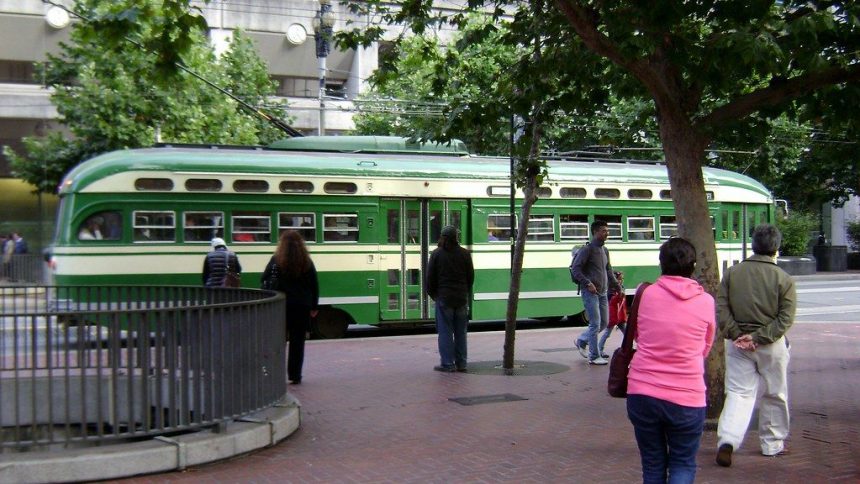
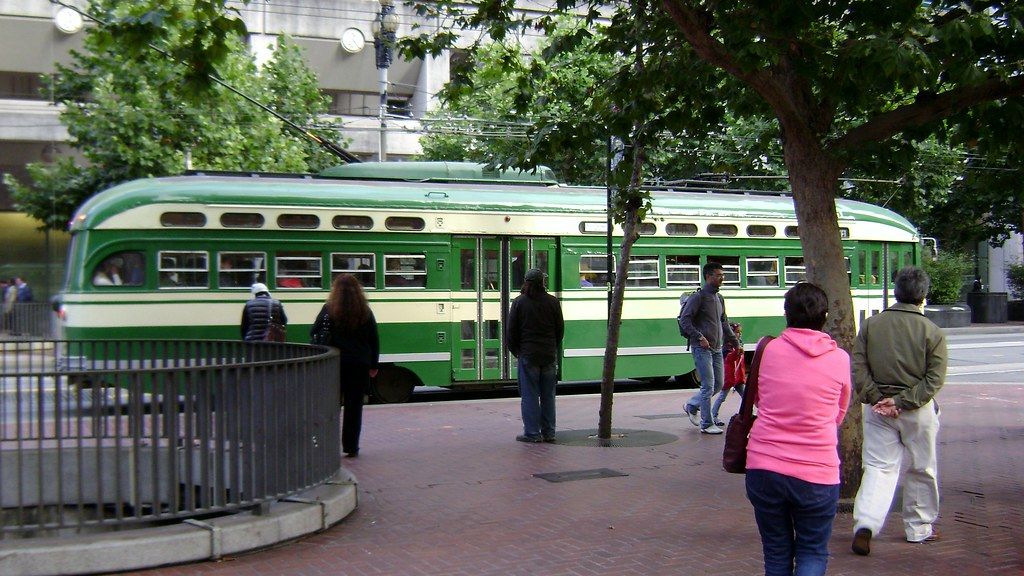
Sharp Rises Across Major Networks (Image Credits: Flickr)
Los Angeles — Motorists across California pumped gas at averages topping $5.90 per gallon last month, the highest since early 2024, as the war in Iran disrupted Middle East oil supplies.[1][2] Public rail operators reported sharper upticks in passengers during March, fueling cautious optimism that wallet pressures might finally draw commuters away from highways clogged with single-occupancy vehicles. Systems from the Bay Area to Southern California logged gains approaching or exceeding 20% in some cases compared to the prior year, though experts caution the shift remains fragile.
Sharp Rises Across Major Networks
Los Angeles Metro tallied 6.3 million rail riders in March, a jump from 5.8 million the previous March and 5.7 million two years earlier.[1] Weekday boardings climbed 8.6% over March 2024 levels, signaling more routine work trips alongside leisure outings to dodge parking fees and traffic jams. Officials noted weekend crowds heading to events like Major League Baseball games and the Oscars after-parties.
In the Bay Area, BART carried 5.4 million passengers that month, up from 4.5 million in March 2025 and 4.1 million in 2024.[1] San Francisco’s Muni buses served nearly 15 million riders, an increase from 13 million two years prior, with weekday averages hitting 529,000.[3] Caltrain set post-pandemic records after 30% growth in February and 27% the month before.
The Pump Pain Driving Change
Regular unleaded jumped 30% statewide since January, per federal energy data, with Los Angeles prices rising from $4.67 in February to $5.93 in March and San Francisco from $4.83 to $5.99.[1] Southern California’s Metrolink saw gains tied directly to these costs, now averaging $5.29 a gallon after an 80-cent monthly spike.[2] Smaller operators like Santa Maria Regional Transit posted 8-10% increases, projecting up to 23% for the fiscal year as locals ditched cars for $1.50 bus fares.[4]
Operators credit the pinch alongside warmer weather and major gatherings such as the Game Developers Conference. Metro spokesperson Maya Pogoda highlighted how riders increasingly opt for trains on weekends to skip congestion costs. Yet BART’s Alicia Trost pointed to conferences and protests as additional draws.
Commuter Perspectives and Agency Hopes
Riders voiced practical motivations. One Bay Area traveler called transit stress-free for reading or working en route, while another cited environmental benefits and fuel expenses.[3] Metrolink passengers from Irvine emphasized family savings, with one noting the system’s 14 cents per mile versus 72 cents in national driving reimbursements.[2]
Caltrain’s Dan Lieberman expressed confidence that trial riders might stick around post-price drop, realizing trains as a superior option. Metrolink promoted $15 weekly passes for broad access, underscoring affordability amid summer travel plans.
Persistent Barriers Temper Enthusiasm
Despite the upswing, California’s rail networks grapple with deep-rooted car reliance and sluggish pandemic recovery. Urban planning professor Michael Manville at UCLA observed that drivers often trim other budgets before altering commutes. UC Berkeley’s Ethan N. Elkind recalled the 2022 Ukraine war spike, which failed to yield lasting transit gains due to its brevity and infrastructure shortcomings.[1]
Systems hover below pre-2019 peaks: BART weekdays at half capacity, Muni at 79%.[3] Budget shortfalls loom large, with BART eyeing a $376 million gap next year, Muni $307 million, and Caltrain $75 million annually. Proposed sales taxes and parcel levies aim to bridge deficits, but agencies push service tweaks like fewer Muni delays and station events to build loyalty. Events inflated March tallies, complicating direct gas-price links, while sprawling suburbs demand more walkable transit hubs.
Electric vehicles offer competition, with used models dropping in price as new sales soften. Metro invests in expansions, including LAX people-mover tests and new A Line stops.
Toward Sustainable Momentum
If oil disruptions persist, necessity could cement habits, prompting cuts in leisure drives for essential rail trips. Agencies like Muni tout North America’s greenest fleet to appeal beyond costs. Success hinges on blending price pain with reliable service and destination clusters in places like downtown Los Angeles or Oakland. For now, the March momentum hints at possibility, but transforming car culture requires more than a temporary fuel squeeze.