Most famous bands didn’t start out with the name on the posters. Some began as school projects, others as rehearsal room jokes, and a few were renamed because a label or promoter said so.
Below are nine original names. Try guessing the band before you read on, and the history behind each switch will follow.
Original Name: Smile
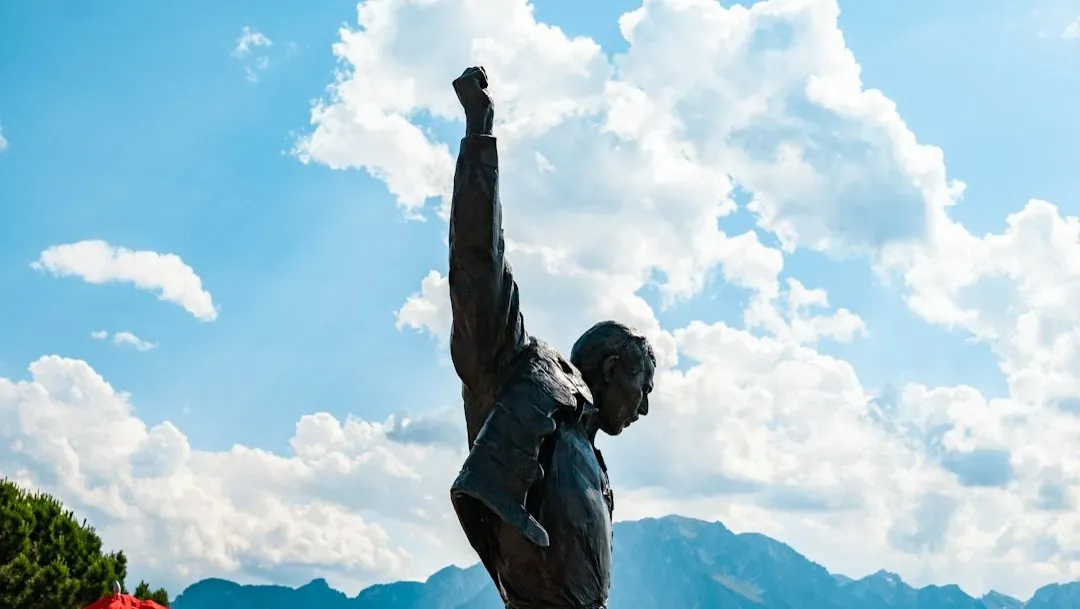
Smile was a London band that included guitarist Brian May and drummer Roger Taylor, along with singer and bassist Tim Staffell. They played around the college circuit in the late 1960s. Freddie Bulsara, a friend of Staffell’s who studied art and design, followed the group closely.
When Staffell left in 1970, Bulsara stepped in as the singer. He adopted the stage name Freddie Mercury and pushed for a new band name, Queen. Bassist John Deacon joined in 1971, which completed the lineup that went on to global fame.
Original Name: The Tea Set
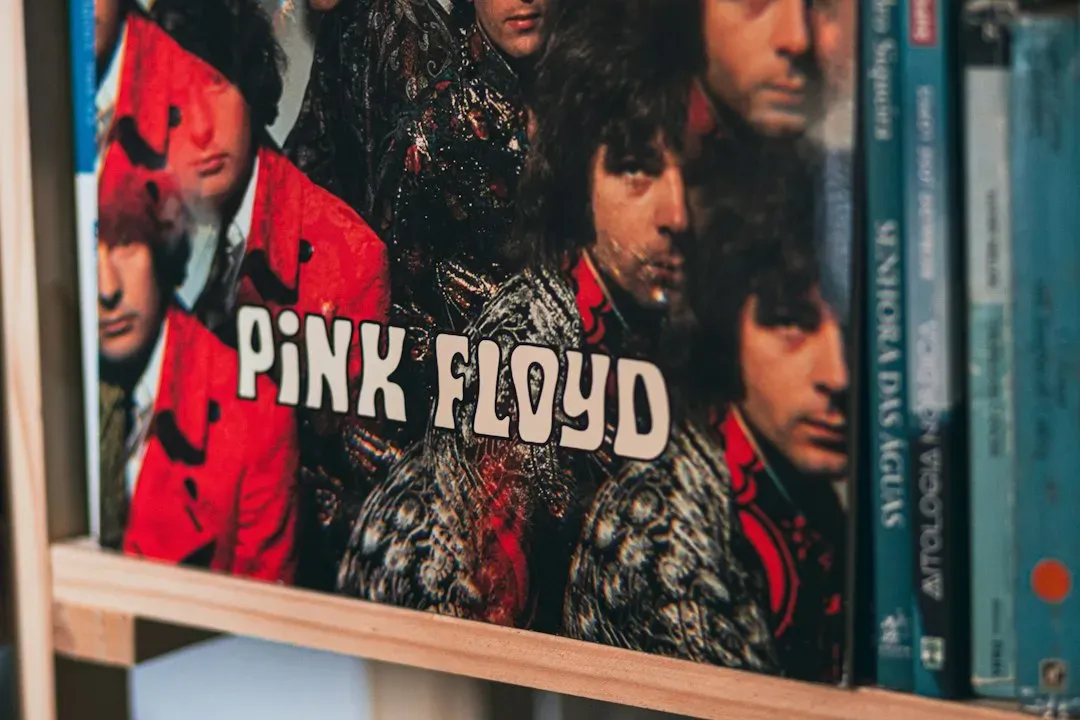
Before Pink Floyd, there was The Tea Set, a London group formed by students including Roger Waters, Nick Mason and Richard Wright. Syd Barrett joined the group in its early days. The band is also said to have used several other short lived names along the way.
The change came when they found themselves on the same bill as another group called The Tea Set. Barrett came up with Pink Floyd, drawing on the first names of two American blues musicians, Pink Anderson and Floyd Council. The name stuck even after Barrett left the group in 1968.
Original Name: The New Yardbirds
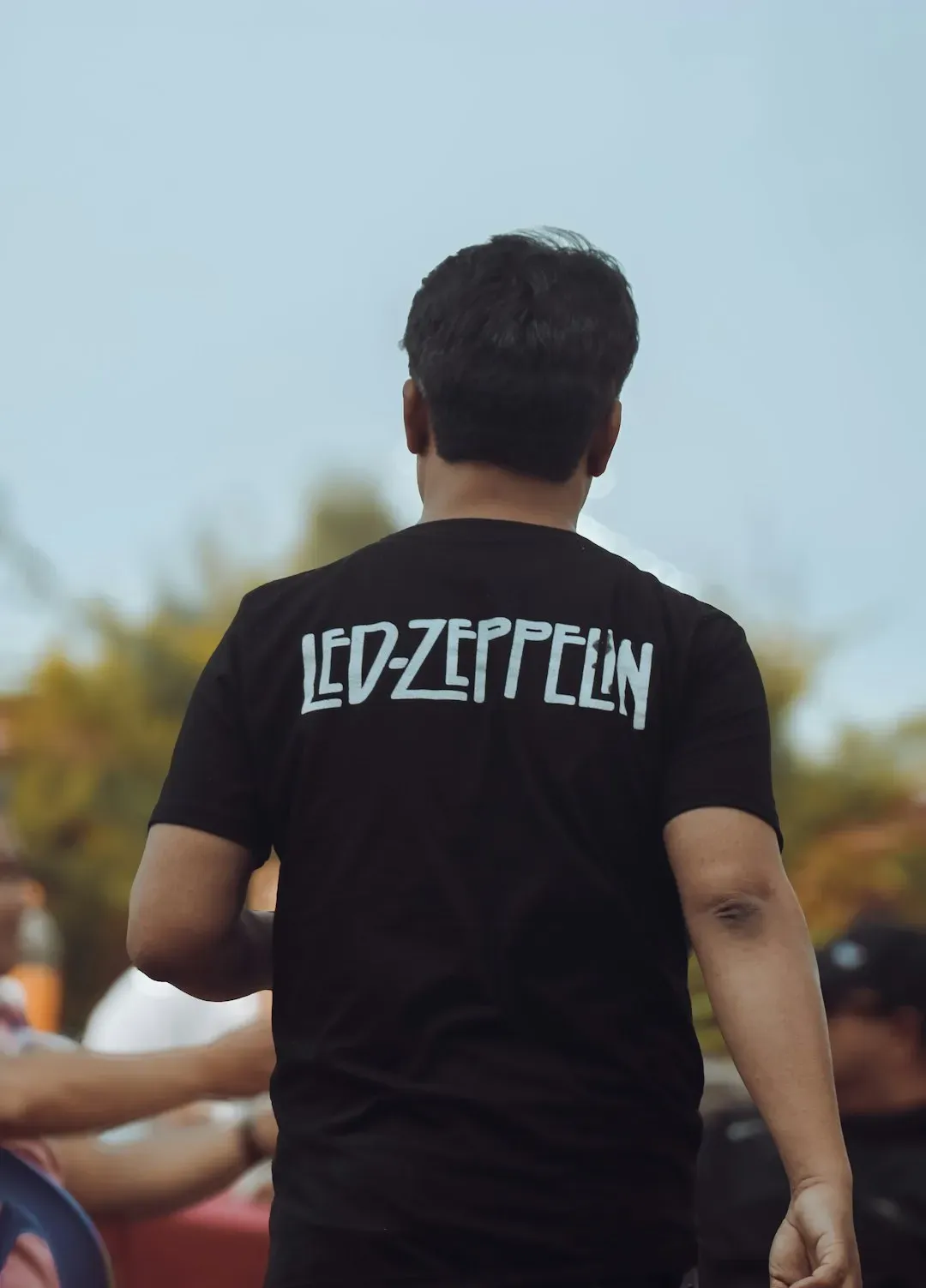
Led Zeppelin began life under a borrowed identity. After The Yardbirds broke up in 1968, guitarist Jimmy Page was left with contractual commitments for Scandinavian dates. He assembled a new lineup with Robert Plant, John Paul Jones and John Bonham, and they toured as The New Yardbirds.
The name Led Zeppelin soon replaced it. A commonly told story credits Keith Moon and John Entwistle of The Who with joking that a supergroup would go down like a lead balloon. Page liked the idea and altered the spelling, and their debut album arrived in January 1969.
Original Name: The Quarrymen
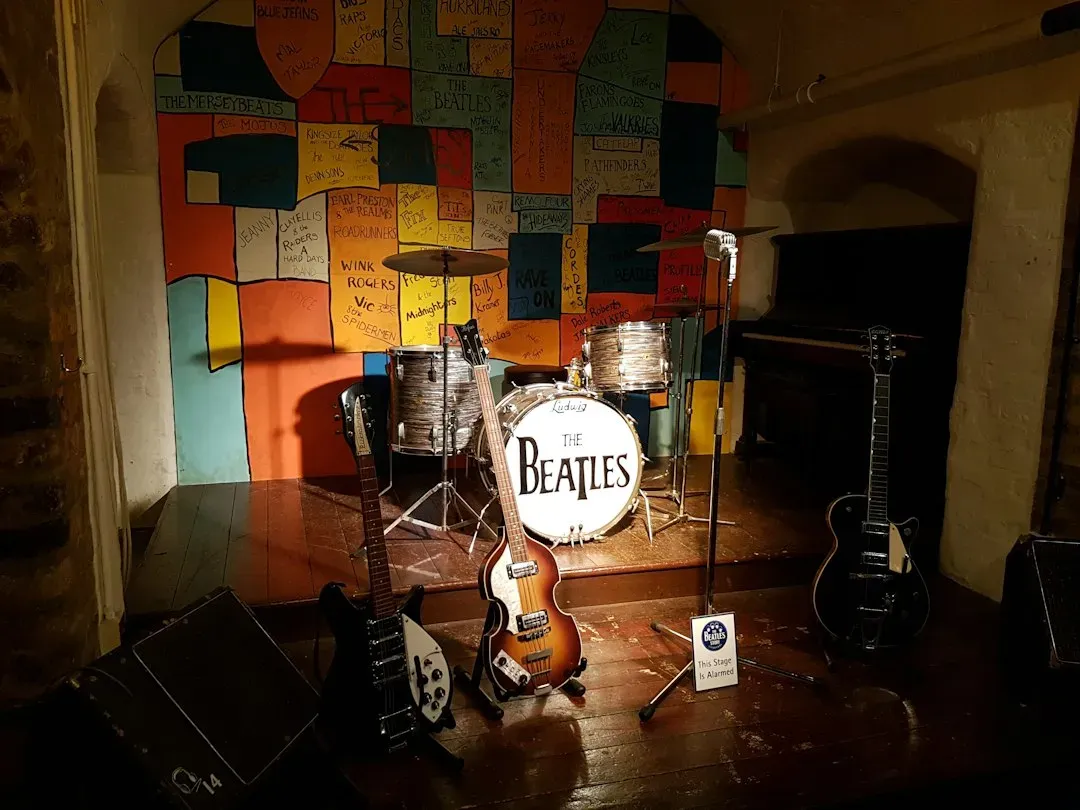
John Lennon formed The Quarrymen in Liverpool in 1956, naming the skiffle group after his school, Quarry Bank High School. Paul McCartney joined in 1957, and George Harrison followed soon after. The lineup changed often in those early years.
By 1960 the group had gone through several names, including Silver Beetles, before settling on The Beatles. Pete Best and Stuart Sutcliffe were part of the lineup during the Hamburg residencies. Ringo Starr replaced Best in 1962, shortly before the band’s first single.
Original Name: On a Friday
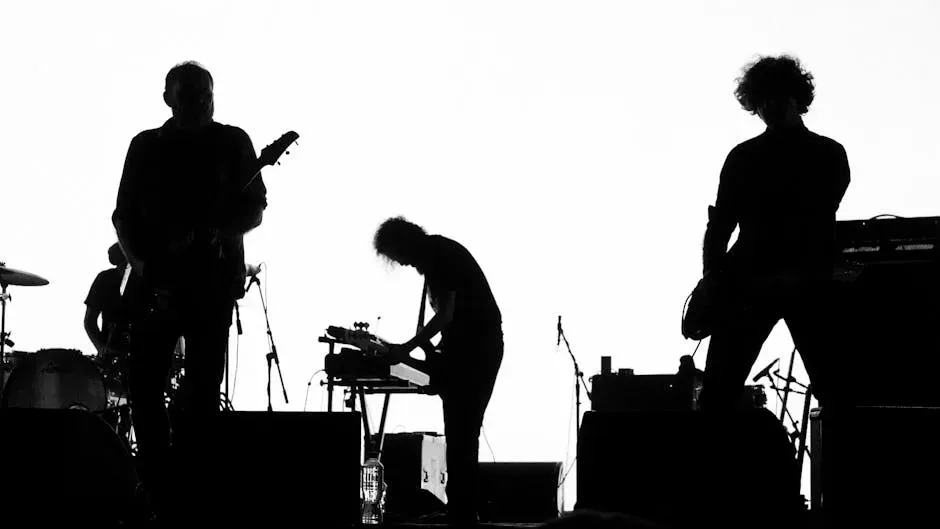
Radiohead formed at a boys’ school in Abingdon, Oxfordshire, in the mid 1980s. The five friends were first known as On a Friday because that was the day they rehearsed in the school’s music room. Thom Yorke, Jonny Greenwood, Colin Greenwood, Ed O’Brien and Phil Selway have been the core lineup ever since.
The name changed around 1991 when the band signed with EMI. The new one came from a song called Radio Head by Talking Heads, from the 1986 album True Stories. Their debut album Pablo Honey followed in 1993.
Original Name: Sweet Children
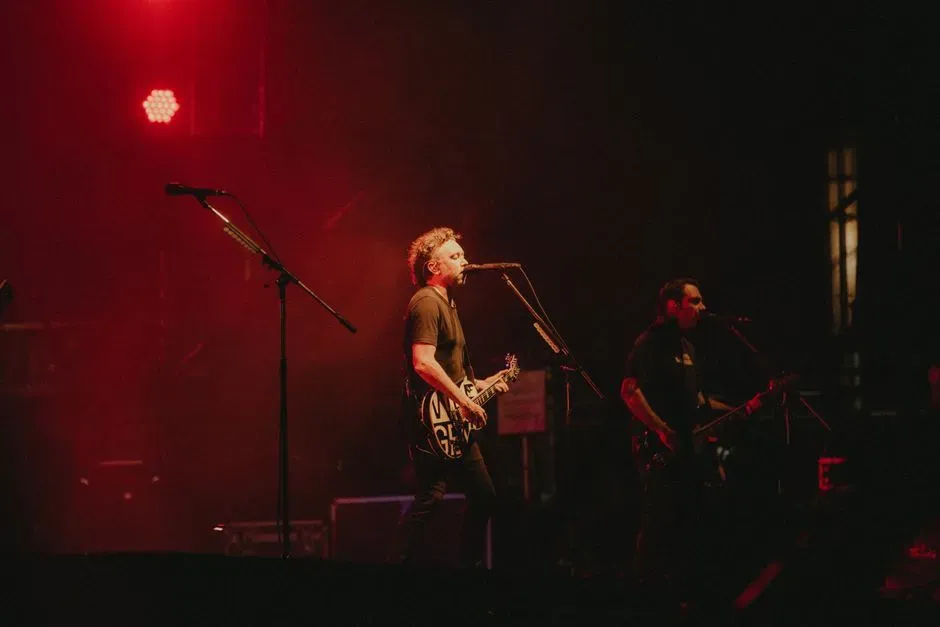
Billie Joe Armstrong and Mike Dirnt started playing together as teenagers in the East Bay area of California. In 1987 they performed under the name Sweet Children, and drummer John Kiffmeyer, known as Al Sobrante, joined them early on. The group played local punk venues such as 924 Gilman Street.
The band became Green Day in 1989, shortly before releasing its first EP, 1,000 Hours. Tré Cool replaced Sobrante in 1990. The name is often linked to the band’s fondness for marijuana, a reading consistent with what the members have said over the years.
Original Name: Starfish
Coldplay’s story begins at University College London in the mid 1990s. Chris Martin and Jonny Buckland met there and formed a band, initially called Pectoralz and then Starfish. Guy Berryman and Will Champion joined to complete the four piece.
The group became Coldplay around 1998, ahead of its early EP releases. Their debut album Parachutes came out in 2000 and included the single Yellow. Starfish later gained a small footnote in the band’s history as the name of a rival act that had already been using it.
Original Name: Kara’s Flowers
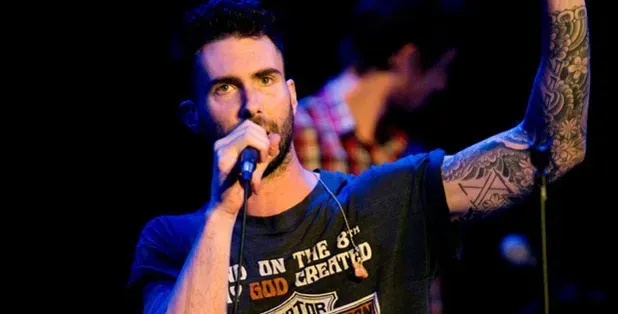
Maroon 5 started as Kara’s Flowers, a band formed by school friends in Los Angeles that included Adam Levine, Jesse Carmichael, Mickey Madden and Ryan Dusick. They signed with Reprise Records and released an album, The Fourth World, in 1997. It failed to make much of an impression commercially, and the label dropped them.
The members regrouped, spent time away from music and then returned with a new name and a new guitarist, James Valentine. Their debut as Maroon 5, Songs About Jane, was released in 2002. It eventually became a major seller, helped by singles like This Love and She Will Be Loved.
Original Name: Mookie Blaylock
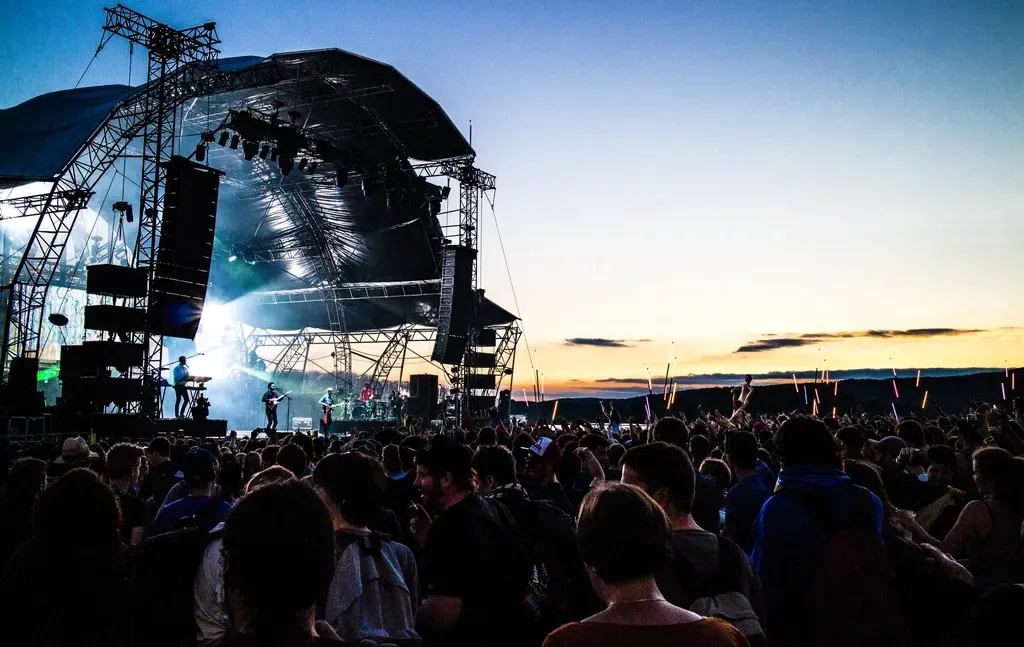
Pearl Jam’s earliest name was taken from a basketball player. Mookie Blaylock was a point guard for the New Jersey Nets and later the Atlanta Hawks, and the Seattle band used his name while writing and playing its first songs. Eddie Vedder joined the lineup in 1990, working alongside Stone Gossard, Jeff Ament and Mike McCready.
Legal and label concerns about using a player’s name led the group to change it before releasing their debut album in 1991. The album was still titled Ten, a reference to the number Blaylock wore. The new name, Pearl Jam, has been used ever since.
Names That Stayed Behind
Each of these nine acts changed its name early, before or just as it reached a wide audience. In most cases, the new name arrived alongside a lineup change, a record deal or a conflict with another group.
The original names survive mainly as trivia, though Smile, Kara’s Flowers and Mookie Blaylock still show up in band histories and fan discussions. Only Radiohead and Green Day kept their founding members throughout, while the rest changed lineups over time.