Some films get better on a second viewing. Others are so heavy that people respect them enormously and still never press play again. You’ll hear it often in film forums and group chats: “I’m glad I saw it, but once was enough.”
That reaction isn’t a criticism. In most of these cases it’s a sign the film did exactly what it set out to do. Here are eight war films that viewers regularly describe as one and done, along with the reasons why.
Come and See
Elem Klimov’s 1985 Soviet film follows a teenage boy through the Nazi occupation of Belarus. It’s widely ranked among the greatest war films ever made. It’s also one that many people call almost unbearable.
The camera stays very close to the boy’s face as his innocence is stripped away. Sound design carries much of the horror. Viewers often say that the experience works precisely because it can’t be shaken off, so returning to it feels like volunteering for the ordeal again.
Grave of the Fireflies
Isao Takahata’s 1988 animated film from Studio Ghibli is drawn from Akiyuki Nosaka’s semi autobiographical story. It follows two siblings trying to survive in Japan near the end of World War II. It was originally released in theaters alongside My Neighbor Totoro, which is a strange pairing given the tone.
Animation makes it feel gentle at first, and that’s what catches people off guard. Many viewers say they cried hard the first time and haven’t felt ready to repeat it. The film is quiet, simple and devastating.
Schindler’s List
Steven Spielberg’s 1993 drama about the Holocaust won seven Academy Awards, including Best Picture. It was shot mostly in black and white, which gives it a stark, documentary like feel. It runs a little over three hours.
That length matters. Few people can casually revisit a film this long and this grim on a free evening. Many treat it as something to see once, then return to only deliberately, perhaps for school or a commemorative occasion.
Saving Private Ryan

Spielberg’s 1998 film opens with the Omaha Beach landing, a sequence of roughly twenty minutes that changed how battle was filmed. It won five Academy Awards, including Best Director. Veterans and critics alike praised its realism at the time.
That opening is exactly why some viewers hesitate to go back. The chaos is intense, and the rest of the film carries a steady emotional weight. People often remember it vividly enough that they don’t feel the need for a second look.
Son of Saul
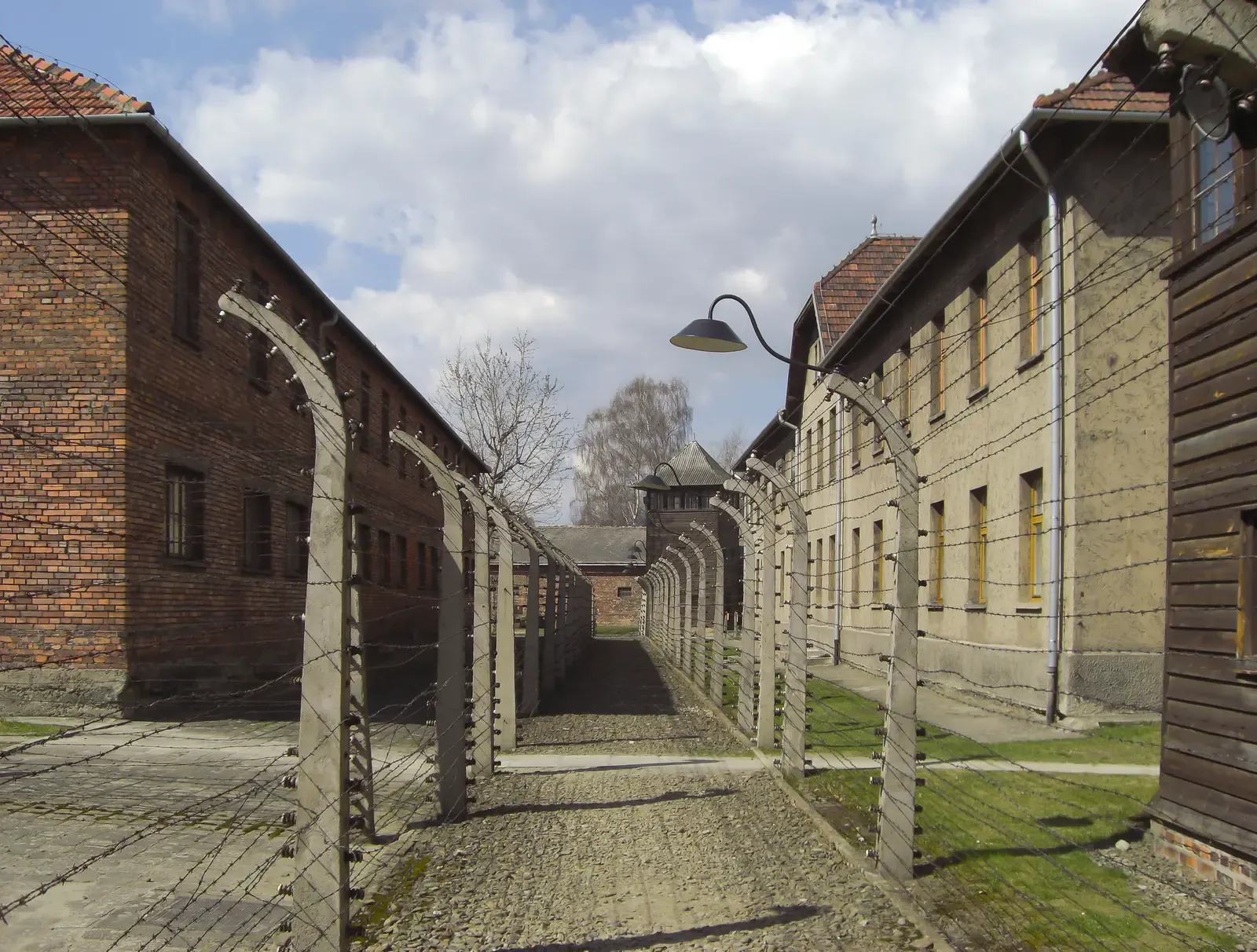
László Nemes’s 2015 Hungarian film follows a prisoner forced to work in a Sonderkommando unit at Auschwitz. It won the Grand Prix at Cannes and the Oscar for Best Foreign Language Film. The camera stays tight on the main character, while the horror stays blurred at the edges of the frame.
That approach is deliberate, and it’s draining. Viewers say it leaves them silent afterward. It’s the kind of film people recommend carefully, and often with a warning.
All Quiet on the Western Front
Edward Berger’s 2022 German adaptation of the Erich Maria Remarque novel won four Academy Awards, including Best International Feature. It was released on Netflix, which made it easy for a huge audience to find. It follows young soldiers whose enthusiasm collapses in the trenches of World War I.
Its brutality is relentless, and the ending doesn’t offer comfort. Plenty of viewers admire it and say they have no wish to sit through it again. Streaming makes it simple to replay, yet the mood is enough to keep many people away.
The Zone of Interest
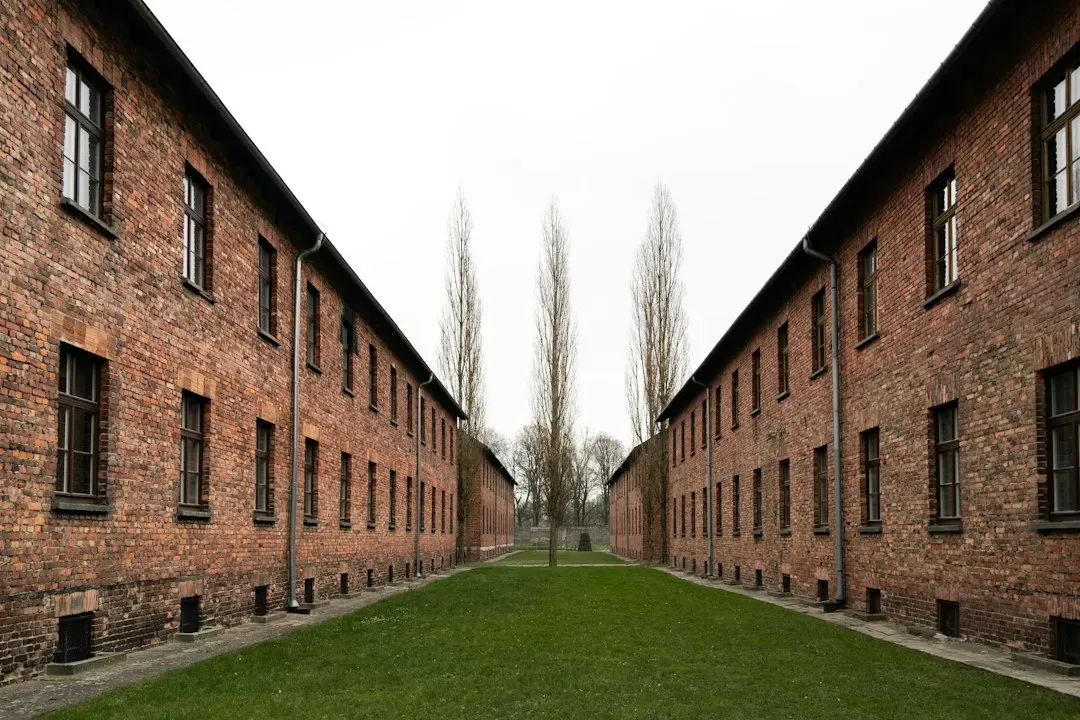
Jonathan Glazer’s 2023 film shows the domestic life of a commandant’s family living beside Auschwitz. It won Oscars for Best International Feature and Best Sound at the 2024 ceremony. Almost all the violence stays offscreen.
The sound design is the horror. Distant noises intrude on ordinary family scenes, and the contrast lingers. Viewers describe it as a film they can’t forget, which is partly why they don’t rush to rewatch it.
Platoon
Oliver Stone’s 1986 Vietnam War film drew on his own service and won Best Picture. It shows a young recruit caught between two opposing sergeants and a moral crisis within his own unit. At the time it felt like a harsh corrective to earlier, more heroic images of war.
Some people return to it for its performances and its place in film history. Others say the despair and the chaos of the jungle scenes made one viewing plenty. It stays on lists of respected films that few call comfortable.
Why Once Can Be Enough
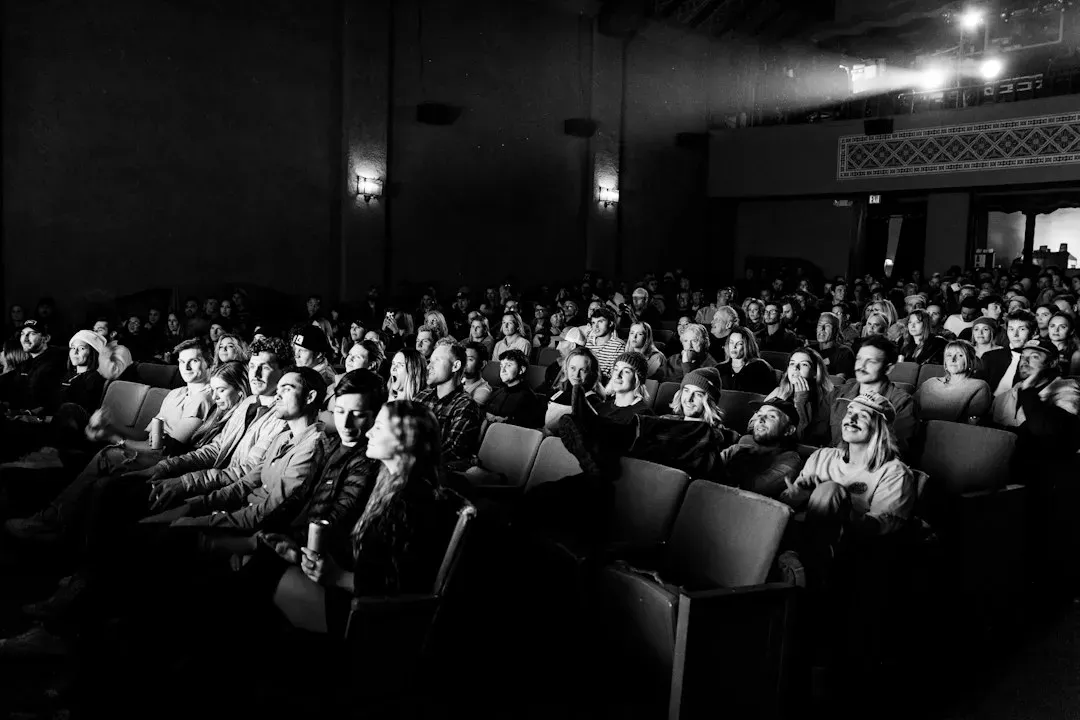
None of these films were made to be background viewing. They aim to make audiences feel something lasting, and that can be hard to repeat on demand.
Viewers who say they’ve seen each of them only once are usually describing respect, not dislike. The films stay with them anyway.