Most of us can tell roughly when we grew up by how we carried our music around. A shoebox of tapes, a spindle of discs, a player the size of a deck of cards. Each format had its own small rituals, from flipping a record to rewinding with a pencil.
Some of these formats vanished quietly. Others never really left. Here are eight worth revisiting, in roughly the order they showed up.
The Vinyl LP
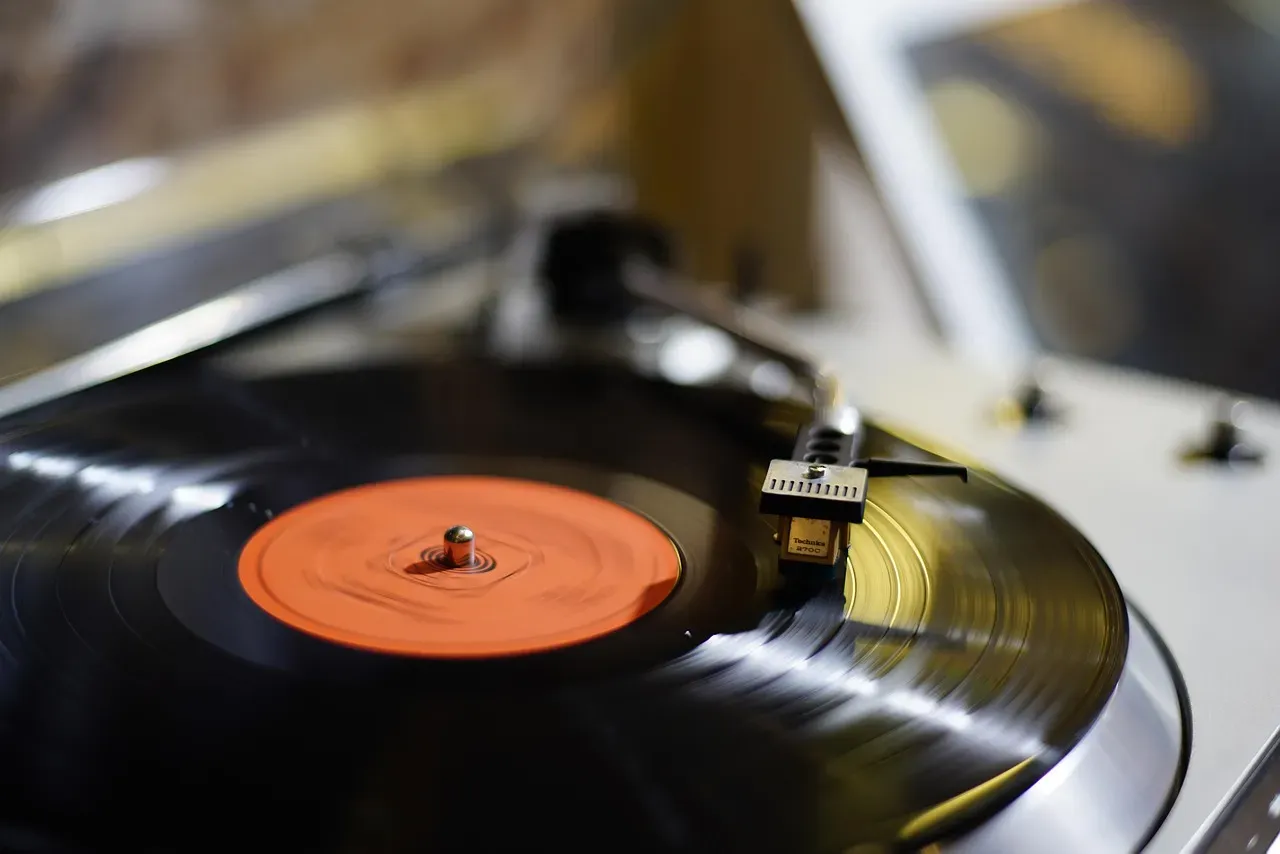
The long playing record arrived in 1948 and shaped how albums were made for decades. It was meant to be played start to finish, with a break in the middle when you turned it over. Cover art became a medium of its own.
Vinyl is also the one format on this list that has made a real comeback. Vinyl sales grew for the 19th consecutive year in the US and passed $1 billion in wholesale revenue for the first time since 1983. Revenue grew 9.3% to $1.04 billion from 46.8 million units, up from 43.4 million units in 2024.
The Eight Track Tape
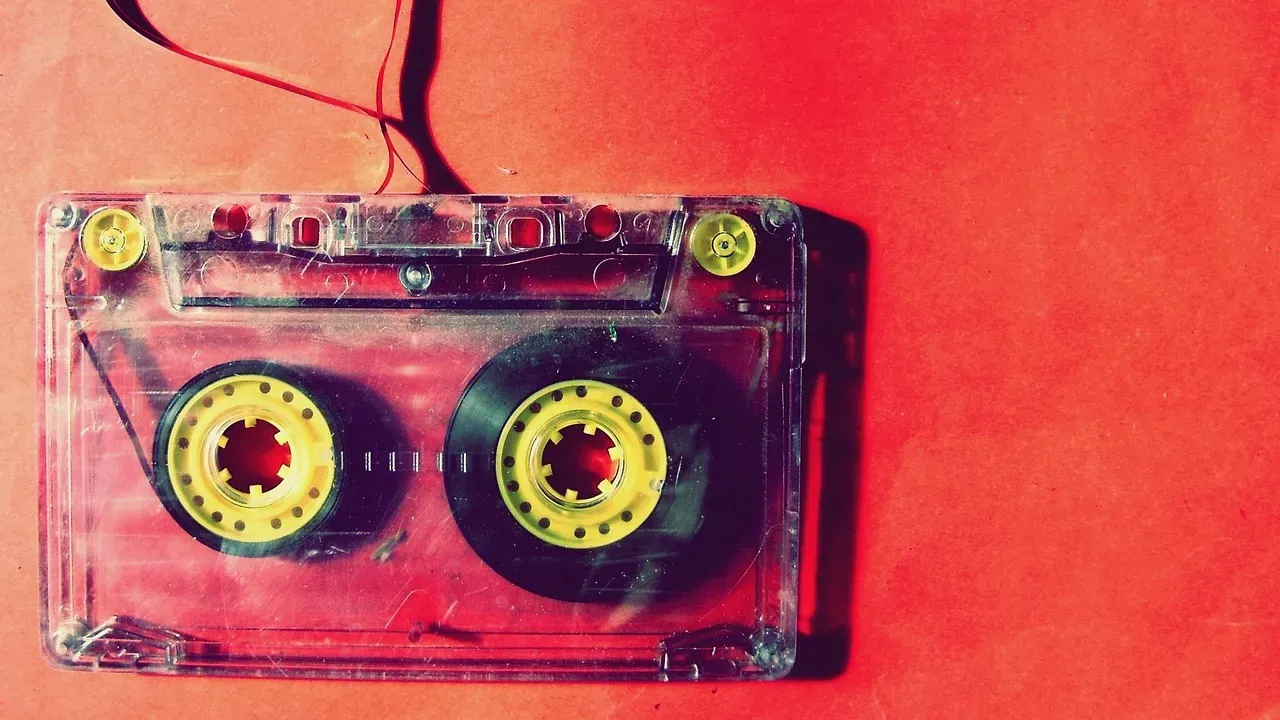
The eight track was a chunky cartridge with a continuous loop of tape inside. It was a car stereo favorite through the 1960s and 1970s, mostly because you could slot it in without fiddling with reels. Many of us remember the loud clunk when it changed programs.
That clunk sometimes landed in the middle of a song, which was part of the charm and part of the frustration. The tape couldn’t be rewound easily, and the cartridges were bulky. By the end of the 1970s, the smaller cassette had taken over the dashboard.
The Compact Cassette
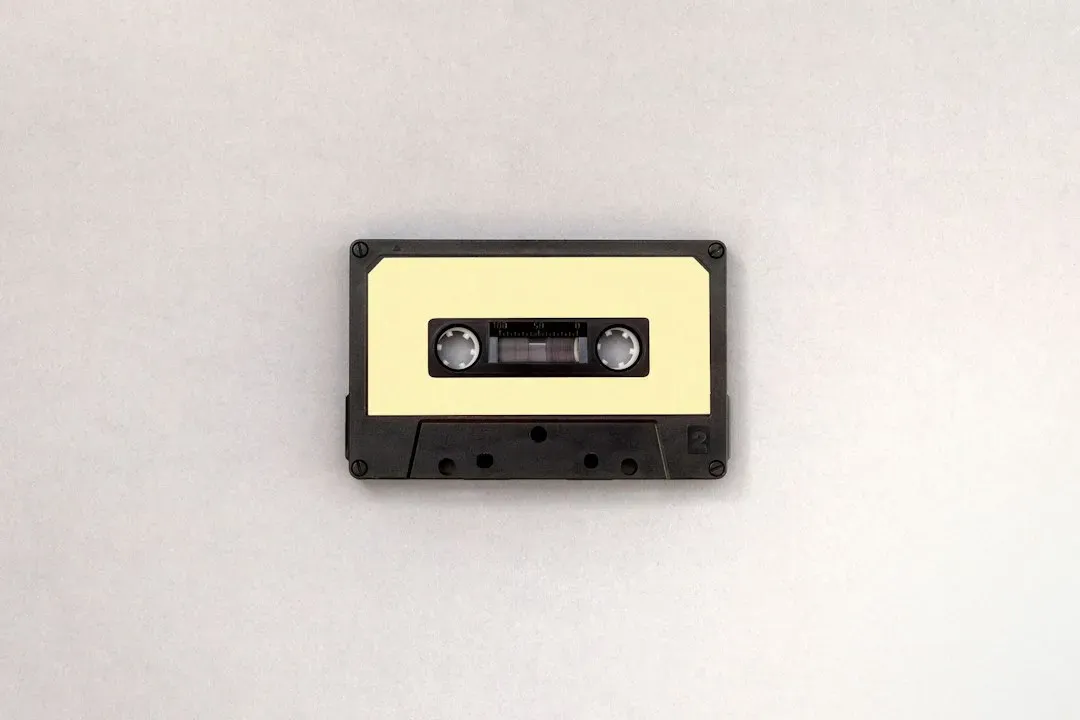
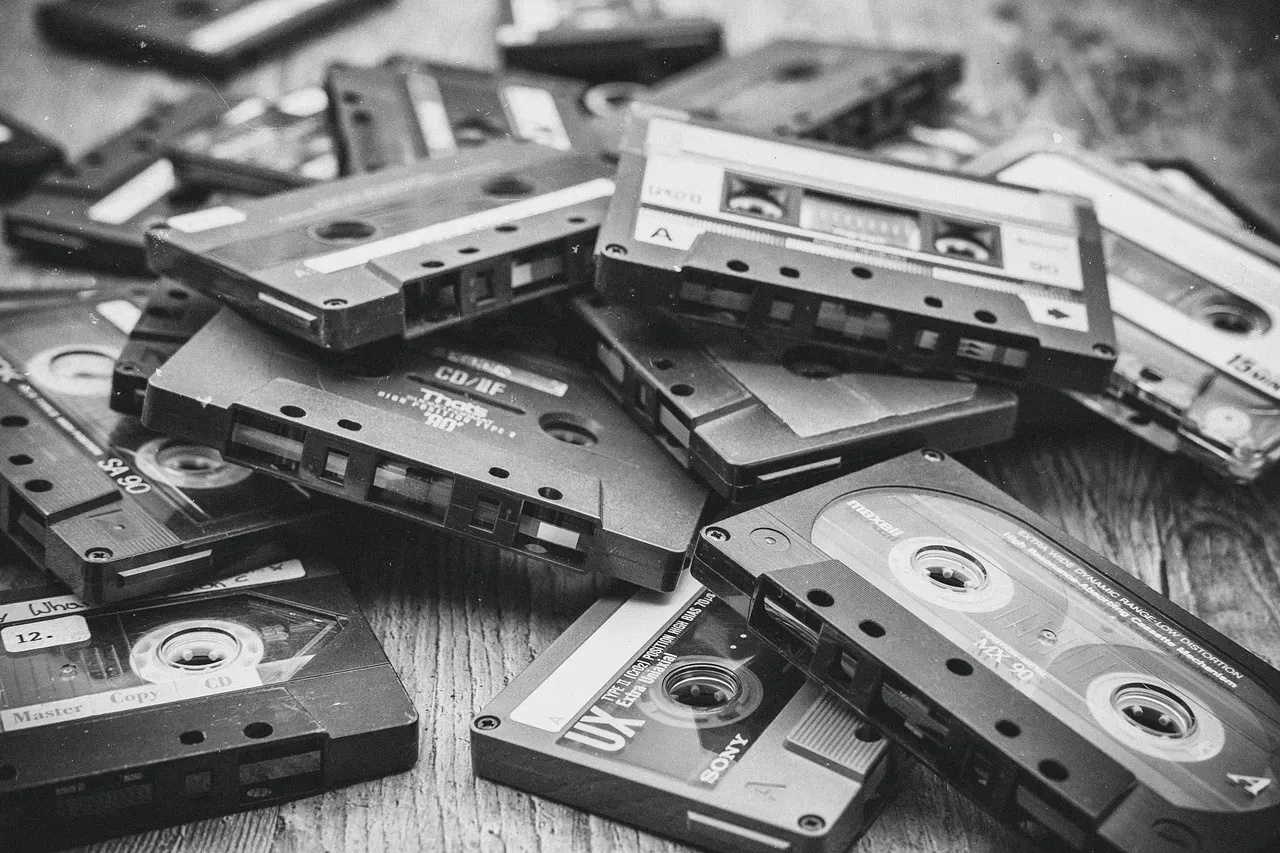
Philips introduced the Compact Cassette in 1963, and it became the format of mixtapes. You could record from the radio, from friends’ records, or from your own voice. A blank tape cost little, and a thoughtful mix said a lot.
Sony’s Walkman, launched in 1979, put the cassette in people’s pockets and made private listening normal. Anyone who’s untangled a ribbon of tape from a player knows the format’s weak spot. Cassettes still turn up at indie labels today, though they’re a niche product.
The Compact Disc

Philips and Sony developed the CD together, and it reached shops in 1982. It promised clean sound with no hiss, and it didn’t wear out the way a record could. For many people, the 1990s were the CD years, with towers of jewel cases and a skip every time the player got bumped.
Partner offer
The format is fading but not gone. CDs brought in $312.4 million on 29.5 million units in 2025. That revenue dipped 11.6% from the year before.
Digital Audio Tape
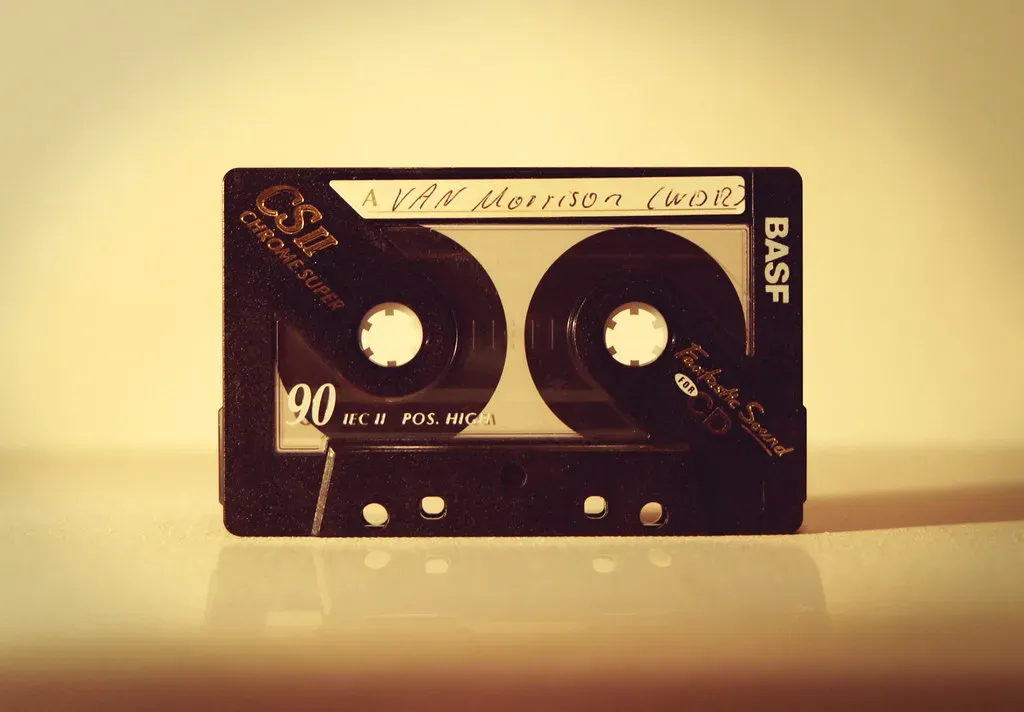
Sony brought Digital Audio Tape to market in 1987. It recorded in digital quality on a tape smaller than a cassette. Studios and serious hobbyists took to it, but it never became a household item.
Part of the reason was fear. Record labels worried that perfect digital copies would be easy to make, and that concern helped lead to the US Audio Home Recording Act in 1992. Consumers mostly stuck with cassettes and CDs.
The Digital Compact Cassette
Philips launched the Digital Compact Cassette in 1992 as a digital upgrade to the tape you already owned. Its clever trick was that the decks could also play regular analog cassettes. That was meant to ease people into the switch.
It didn’t work. The format was discontinued by 1996, and few people today have even seen one. It’s a good example of a sensible idea arriving just before the market moved on.
The MiniDisc
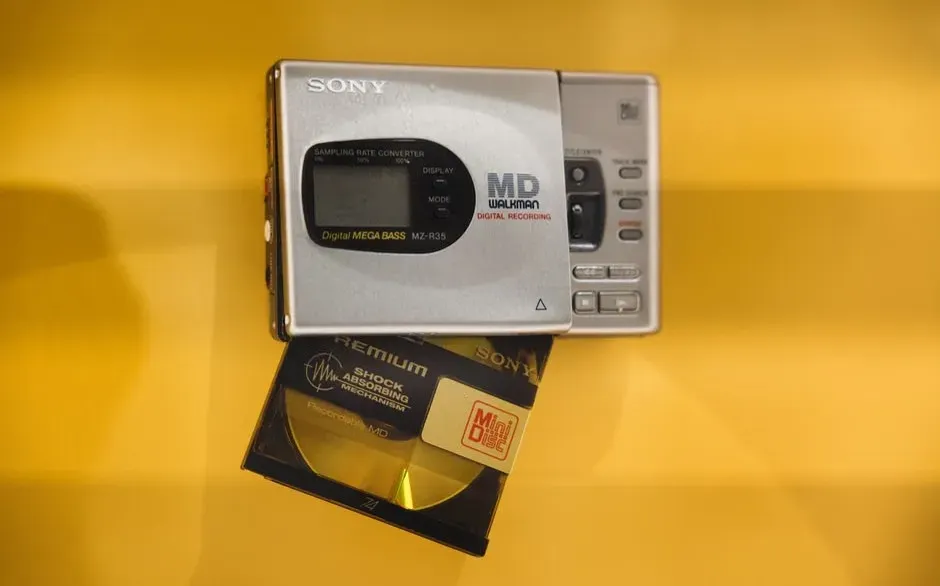
Sony released the MiniDisc in 1992. It was a small, recordable disc in a protective case, with compression that let a lot of music fit on a tiny medium. You could name tracks, skip instantly, and record over them again and again.
It found a loyal audience in Japan and among people who taped live gigs. Elsewhere, it never overtook CDs or later MP3 players. Sony stopped selling MiniDisc players in 2013, closing the book on a format that always felt a bit ahead of itself.
The MP3 Download
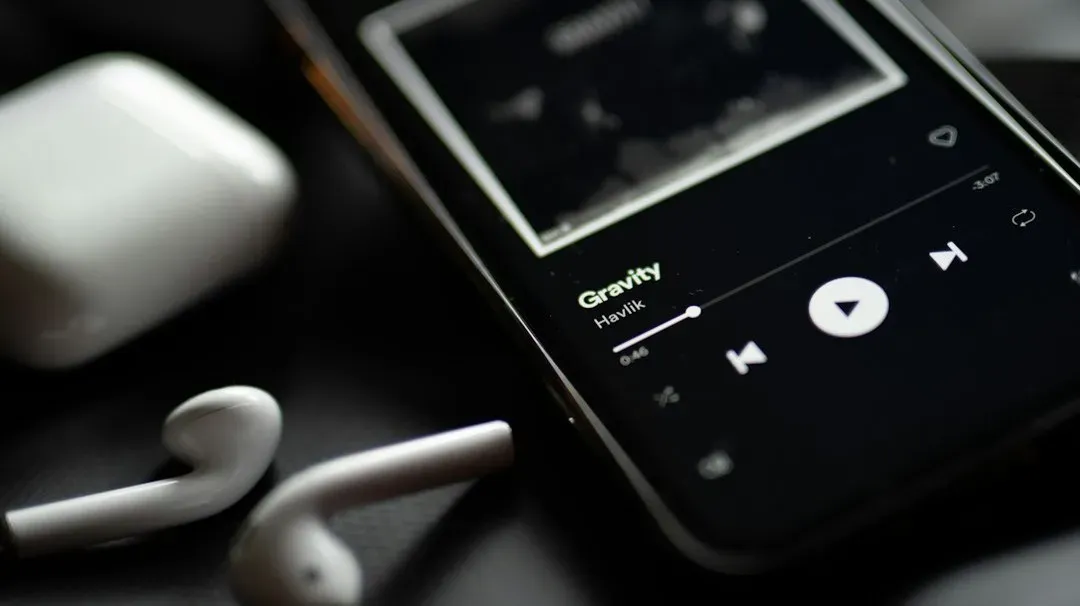
MP3 files turned songs into things you could copy, store, and carry without a physical object. The iPod arrived in 2001, and the iTunes Store followed in 2003, giving buyers a legal way to build a digital collection. For a few years, downloading a single track felt like the future.
Streaming has since taken over almost entirely. Streaming made up $9.47 billion of the $11.5 billion in US recorded music revenue in 2025, according to the RIAA. The old download library still sits on some hard drives, a quiet reminder of the in between years.
Partner offer
Planning a trip to Vegas?
Compare hotel rates and show tickets on VEGAS.com.