Every great show asks two very different things of its opening and closing hours. The pilot has to hook a stranger who has never heard of these characters. The finale has to satisfy someone who has spent years, sometimes over a decade, living inside that world. Those are not the same job, and plenty of series have discovered the hard way that nailing one does not guarantee the other.
Looking back at eight of the most talked about shows in modern television, the gap between how a series began and how it ended tells its own story about writing, expectation, and the strange pressure of an ending everyone has already imagined for themselves.
Breaking Bad: a quiet start, an unforgettable goodbye
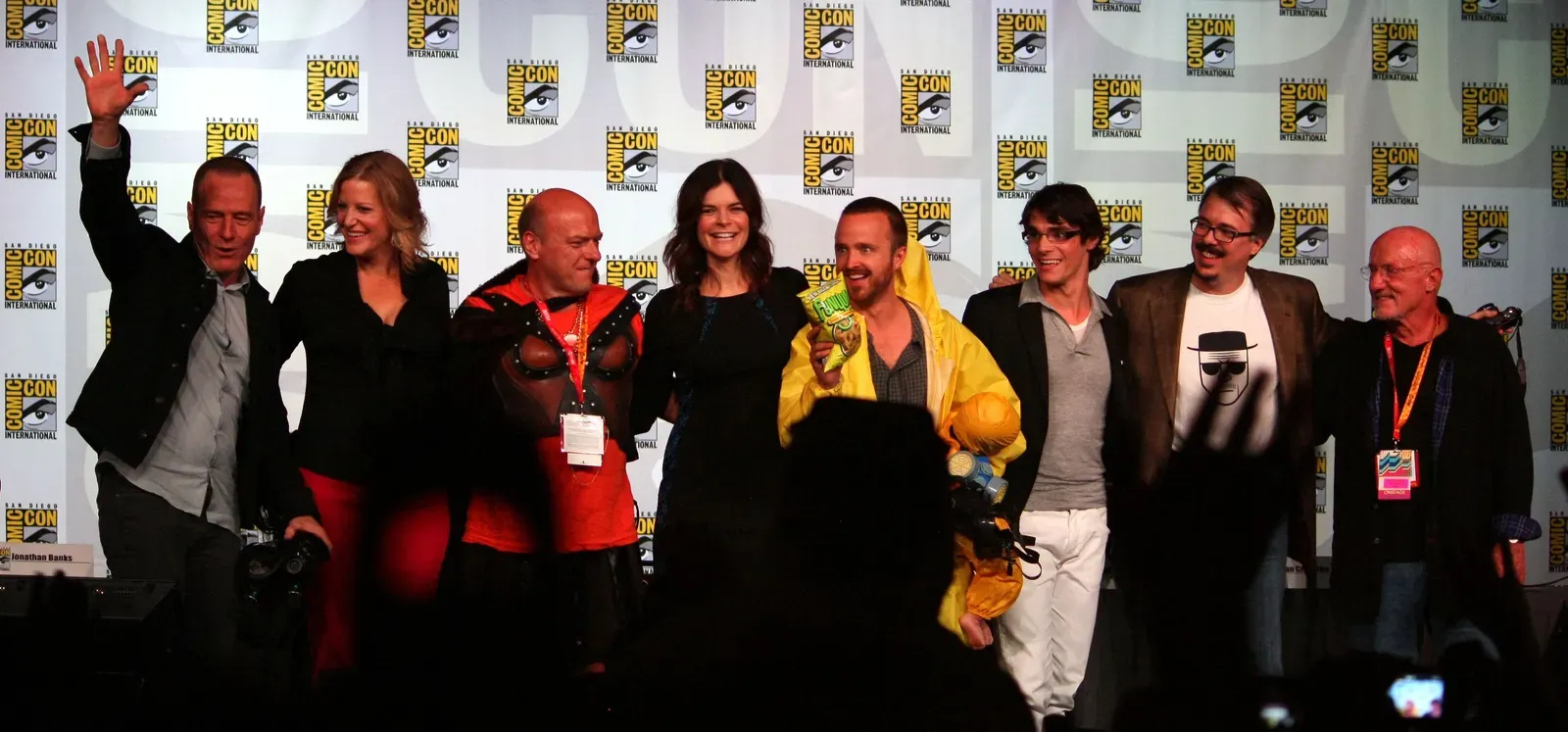
“Breaking Bad” premiered in January 2008 to a modest audience, pulling in a relatively unassuming 1.4 million viewers for its pilot. For most of its run, the show stayed a critical darling with a small following, rarely climbing past a couple million viewers per episode even during tense season finales.
Then came “Felina” in September 2013, which drew a massive 10.3 million viewers, with the previous best ever audience just seven days earlier at 6.6 million. The finale is now widely ranked among the best TV episodes of all time, with IMDb placing it at No. 3 of its Top 100 Best Rated Episodes. This is the rare case where the ending genuinely outshines the beginning, both in audience size and in reputation.
Game of Thrones: a fantasy gamble that turned into a phenomenon, then a fight
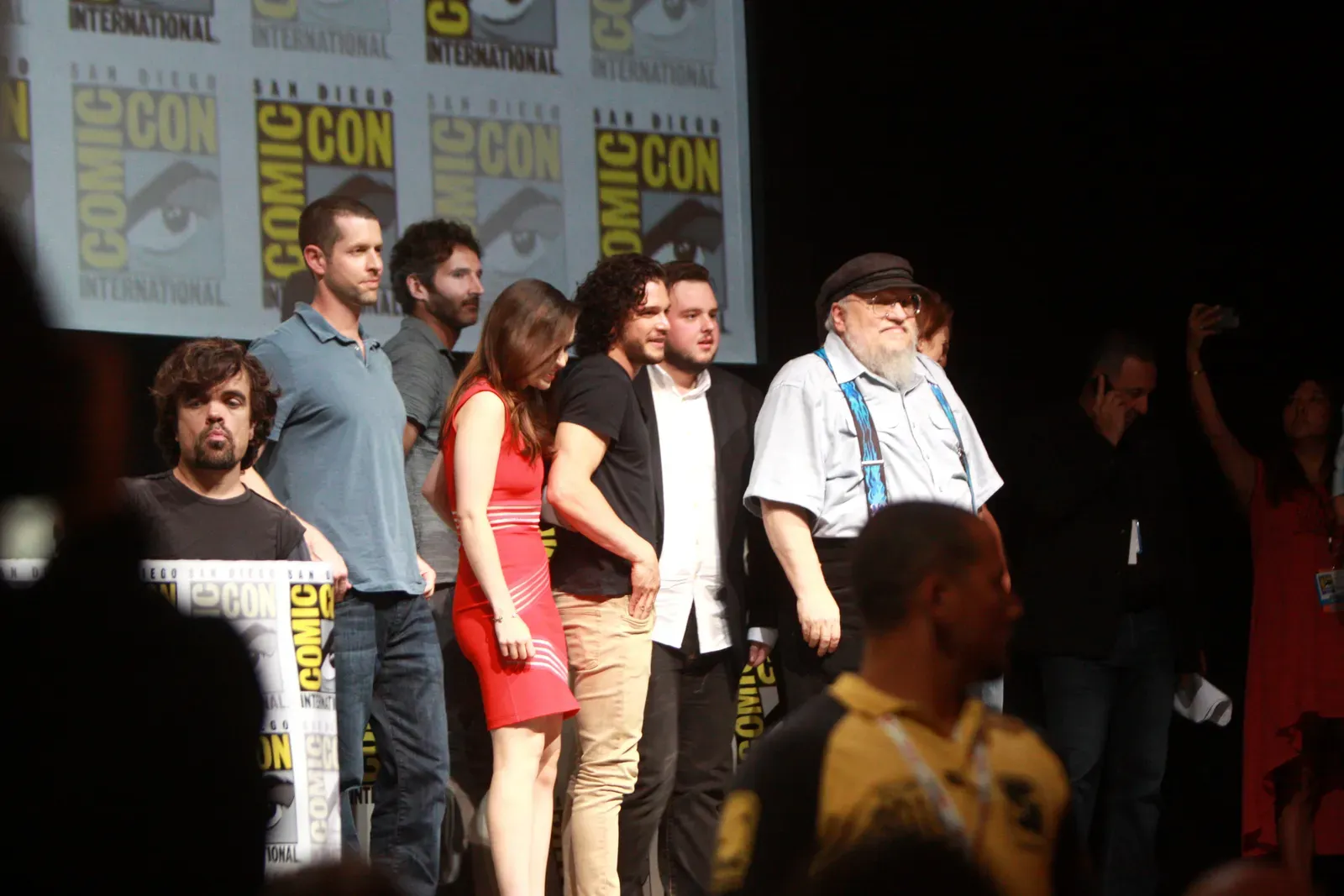
When “Game of Thrones” debuted in 2011, it was treated skeptically by many critics who doubted a sprawling fantasy epic could work on prestige television. It grew slowly at first before becoming the most talked about show on the planet, driven by shocking twists and a willingness to kill off major characters without warning.
The final season told a different story. The series finale landed at 57 percent “rotten” on Rotten Tomatoes, with critics calling it a “bittersweet” and “unfortunately bland” series closer, while the show’s Season 8 audience approval sat at 50 percent and critics scored the final season at just 35 percent. The debut built a legend. The finale spent years being picked apart, with showrunners later admitting they expected some controversy but did not anticipate the level of backlash it would receive.
The Sopranos: an origin story that redefined a genre, an ending that split the room

David Chase’s mob drama opened in 1999 and is widely credited with kickstarting the modern era of prestige cable television, giving HBO its first real flagship drama and proving antiheroes could carry a series for years. The pilot’s slow burn character study of Tony Soprano in therapy set a template that shows like “Breaking Bad” and “Mad Men” would later follow.
The finale, “Made in America,” famously cut to black mid scene, leaving Tony’s fate unresolved. It remains one of the most debated endings in television history, referenced years later even in discussions of other divisive finales, as one Twitter user did when comparing a different show’s ending unfavorably to it, “Seriously, I don’t know what was worse this finale or the Sopranos.” The ambiguity that once felt shocking has since been reassessed by many critics as bold rather than lazy, but the initial reaction was closer to confusion than celebration.
Lost: a spectacular pilot, a philosophical ending nobody fully agreed on

“Lost” opened with one of the most expensive and ambitious pilots ever made for network television, a plane crash on a mysterious island that immediately promised mythology, mystery, and stakes. It hooked millions of viewers who spent six years theorizing about smoke monsters, numbers, and time travel.
The series finale, “The End,” revealed that the final season’s alternate timeline was a form of purgatory, leaving several plot threads unsolved or under resolved. Some viewers found it moving and thematically consistent. Others felt cheated after years of clue hunting that seemingly led nowhere concrete, which is why “Lost” still shows up on lists of the most divisive endings in television history.
How I Met Your Mother: a charming setup, a finale fans still argue about
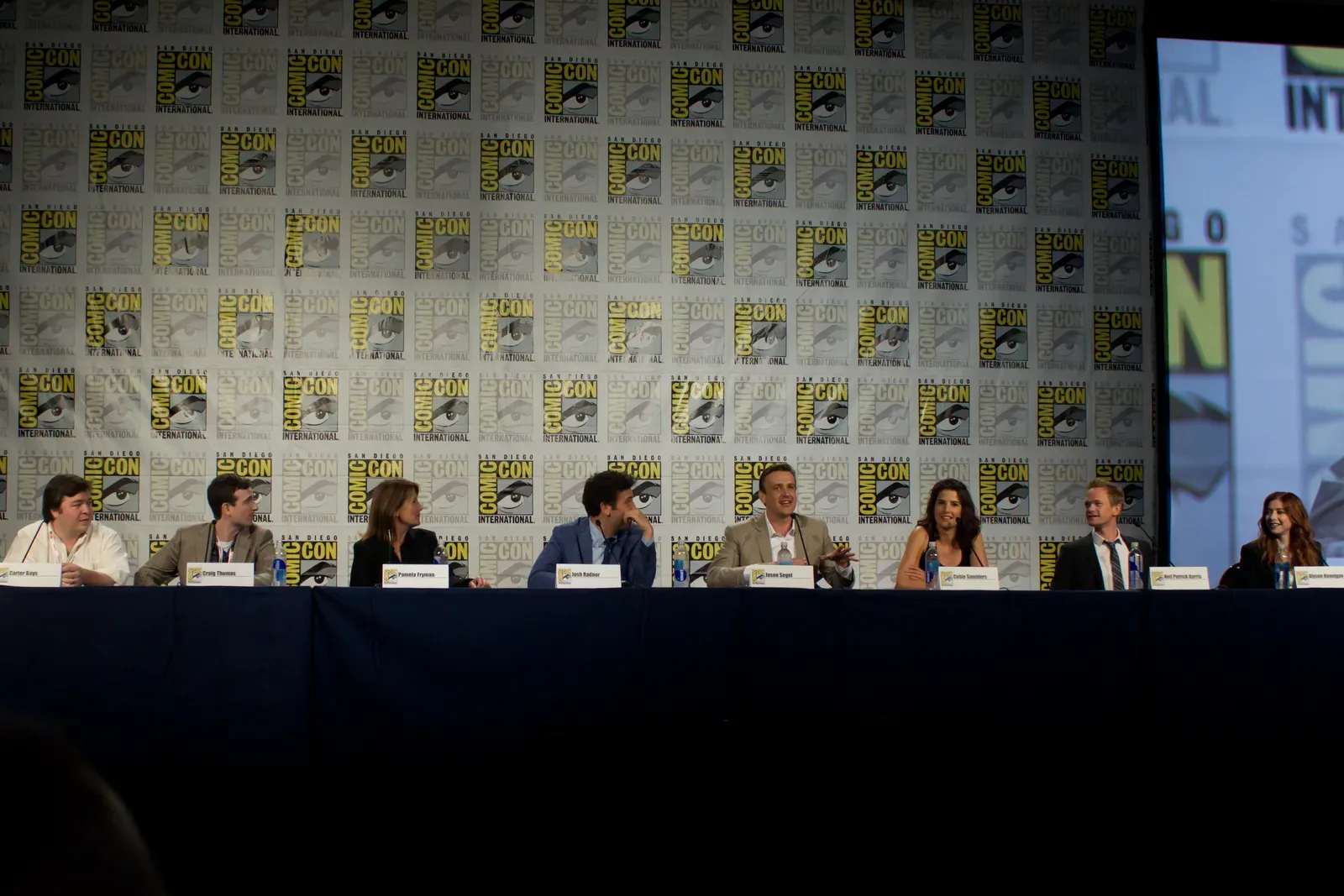
The sitcom’s 2005 pilot set up a simple, appealing premise: an older Ted Mosby tells his kids the long story of how he met their mother, framed around his friend group’s romantic misadventures in New York. It was warm, funny, and easy to binge, building a loyal audience over nine seasons.
The finale reversed course by revealing the mother had died and pairing Ted back up with Robin, a decision that “outraged many fans” according to a USA Today review, which criticized minimizing the woman the show spent nine seasons teasing. The backlash was so strong that an alternate ending was later released as part of the DVD and Blu-ray release. Few shows illustrate the debut versus finale gap as sharply as this one.
Dexter: a chilling introduction, a finale that undid years of goodwill
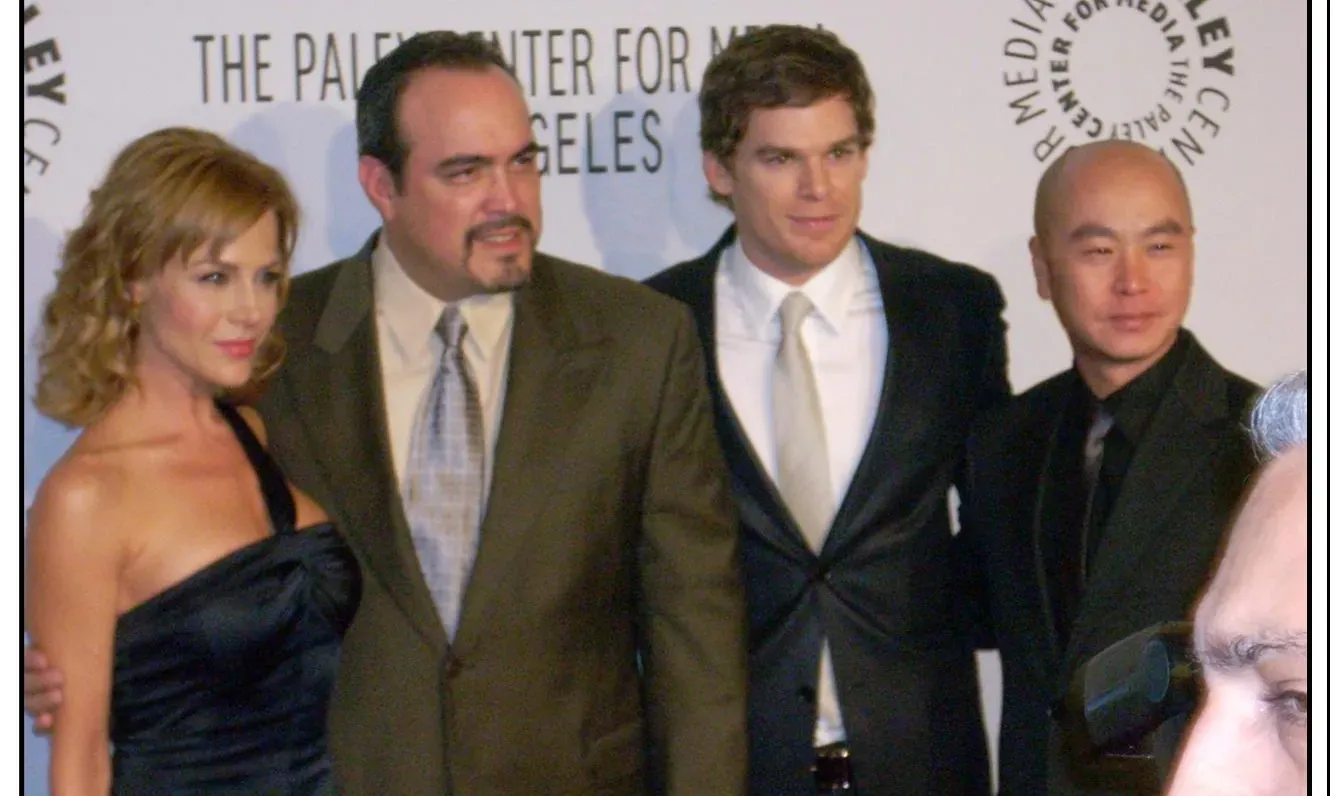
“Dexter” premiered in 2006 with a genuinely unsettling hook, a forensic analyst who moonlights as a serial killer targeting other killers, told with dark humor and a distinctive voice. It quickly became one of Showtime’s signature shows and earned strong reviews for its early seasons.
By the finale, that goodwill had eroded considerably. Even the show’s own creator later admitted the ending “failed to satisfy” and “broke a certain trust with the audience,” per comments reported by ScreenRant. Audience reaction data backed that up, with Dexter frequently cited by viewers as having the worst TV finale of all time, with critic comments claiming the show deserved better.
Seinfeld: a slow burn beginning, a finale that tried something risky and lost some fans
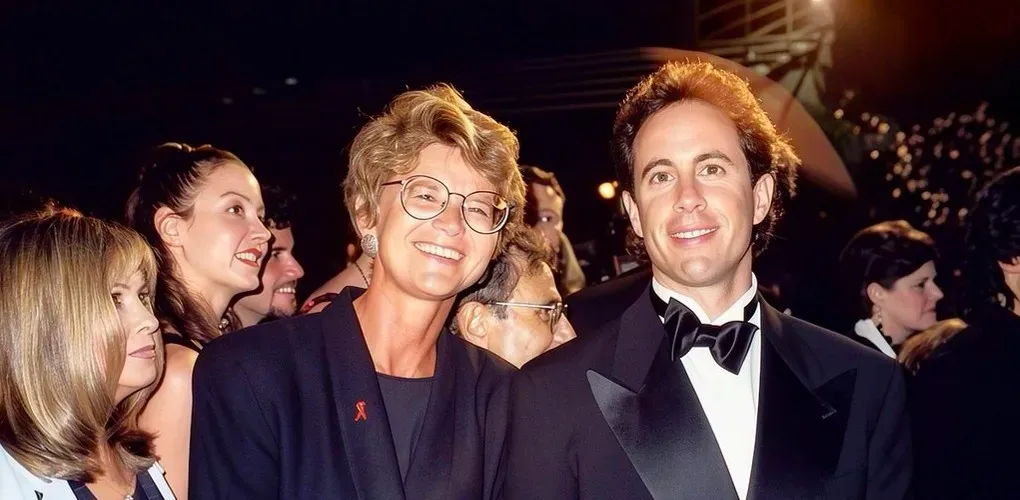
“Seinfeld” started in 1989 as a modest NBC pilot originally called “The Seinfeld Chronicles,” and it took time to find its footing before becoming the defining sitcom of the 1990s. The show’s early episodes were low key by comparison to what it eventually became, a show famously about nothing that turned observational comedy into an art form.
The finale took the four leads and put them on trial for years of selfish behavior, ending with them in jail rather than any warm sendoff. Reaction was notably mixed at the time, and it remains a frequently cited example of a beloved show ending on a note that felt more like a statement than a satisfying goodbye, even as many critics have since reconsidered its boldness.
The Wire: an underappreciated start, a finale critics still call among the best

“The Wire” debuted in 2002 to underwhelming ratings and limited mainstream attention, buried by a complex structure and a refusal to simplify its portrait of Baltimore’s drug trade and institutions. It took years, and largely word of mouth after the show ended, for it to be recognized as one of the greatest dramas ever produced.
The finale, “-30-,” closed out storylines with a montage that suggested the same cycles of crime and institutional failure would simply continue with new faces. Critics have consistently praised it for staying true to the show’s unglamorous, unresolved tone rather than manufacturing false closure. In this case, the finale did not need to outshine a weak debut so much as finally get the credit the whole series always deserved.
The takeaway

Across these eight shows, there is no single formula for sticking the landing. “Breaking Bad” and “The Wire” managed to close out their stories on their own terms and came out stronger for it, while “Game of Thrones,” “Lost,” “How I Met Your Mother,” and “Dexter” all built enormous goodwill only to spend their final hours spending it down. “The Sopranos” and “Seinfeld” sit somewhere in between, both endings that were divisive in the moment and have only grown more interesting with distance.
What these endings share is scale. Only shows that mattered enough to build passionate audiences ever generate this kind of scrutiny in the first place. A forgettable pilot rarely leads to a finale anyone remembers, good or bad.