The Mojave Desert spans roughly 20 million acres across California, Nevada, Utah, and Arizona, and from the outside, it can seem like one of the earth’s most indifferent places – too hot, too dry, too remote to matter much to a world obsessed with green futures. That impression is wrong. Few landscapes in North America are currently more contested, more studied, or more central to the country’s energy and conservation reckoning than this sun-scorched basin. Underneath its spare surface, the Mojave holds ancient groundwater, fragile ecosystems, rare species, and solar potential that has drawn billion-dollar projects from across the globe. Whether any of that amounts to genuine sustainability, or a story we’re telling ourselves while taking more than we give back, is worth examining closely.
A Desert Under Pressure: Setting the Stage
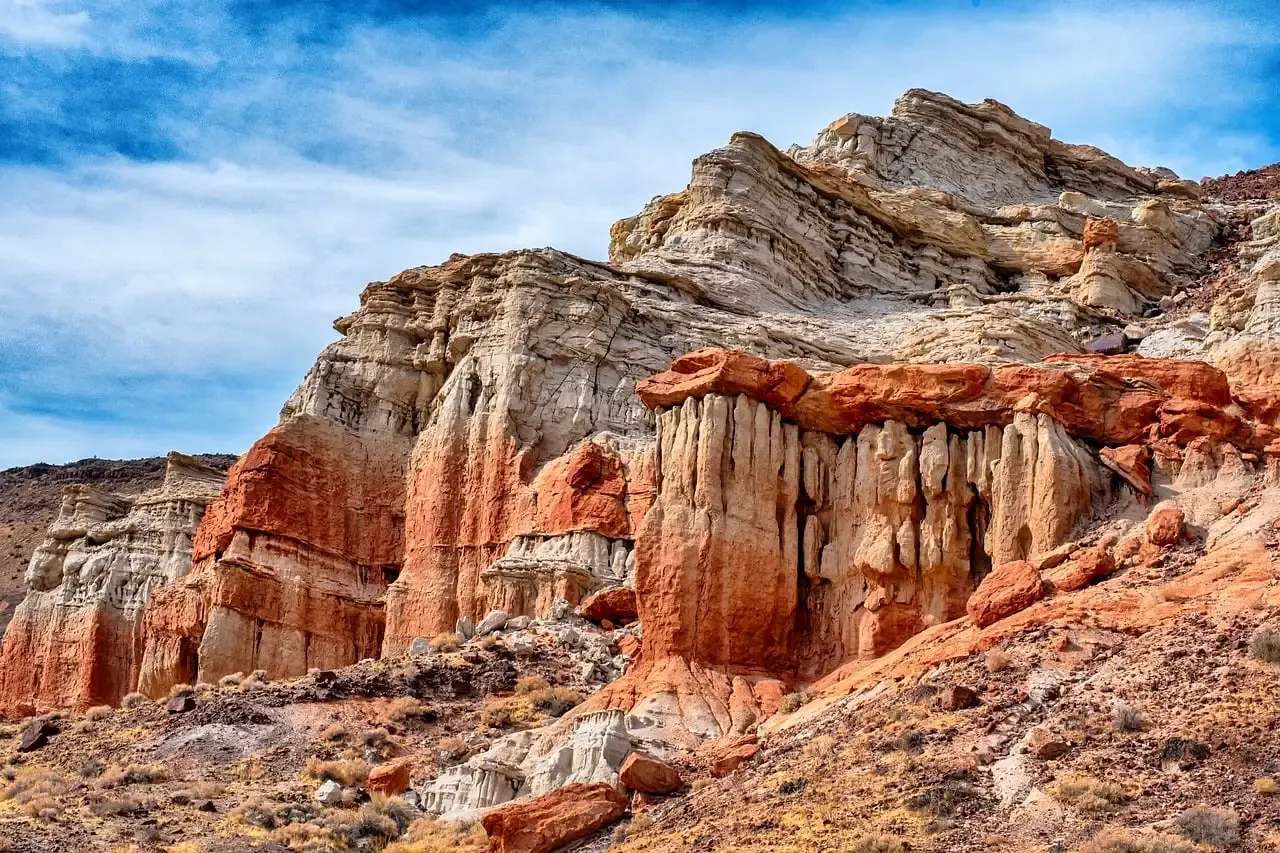
The Mojave Desert is genuinely one of the world’s last great places. Its scenic beauty and natural wonders shelter a huge range of plants and animals, and its 20 million acres provide clean water to drink, fresh air to breathe, energy to power our lives, and economic opportunities from recreation to military training. It is also, increasingly, a place where competing demands collide head-on. Energy developers, conservationists, water managers, tribal communities, and military planners are all staking claims on the same arid ground.
The Mojave is one of the most promising areas in the world for developing solar energy, but if not done carefully, utility-scale developments can have very serious environmental consequences. That tension, between genuine climate need and ecological fragility, runs through every conversation about this desert’s future.
Solar Power Giants: The Scale of Energy Development
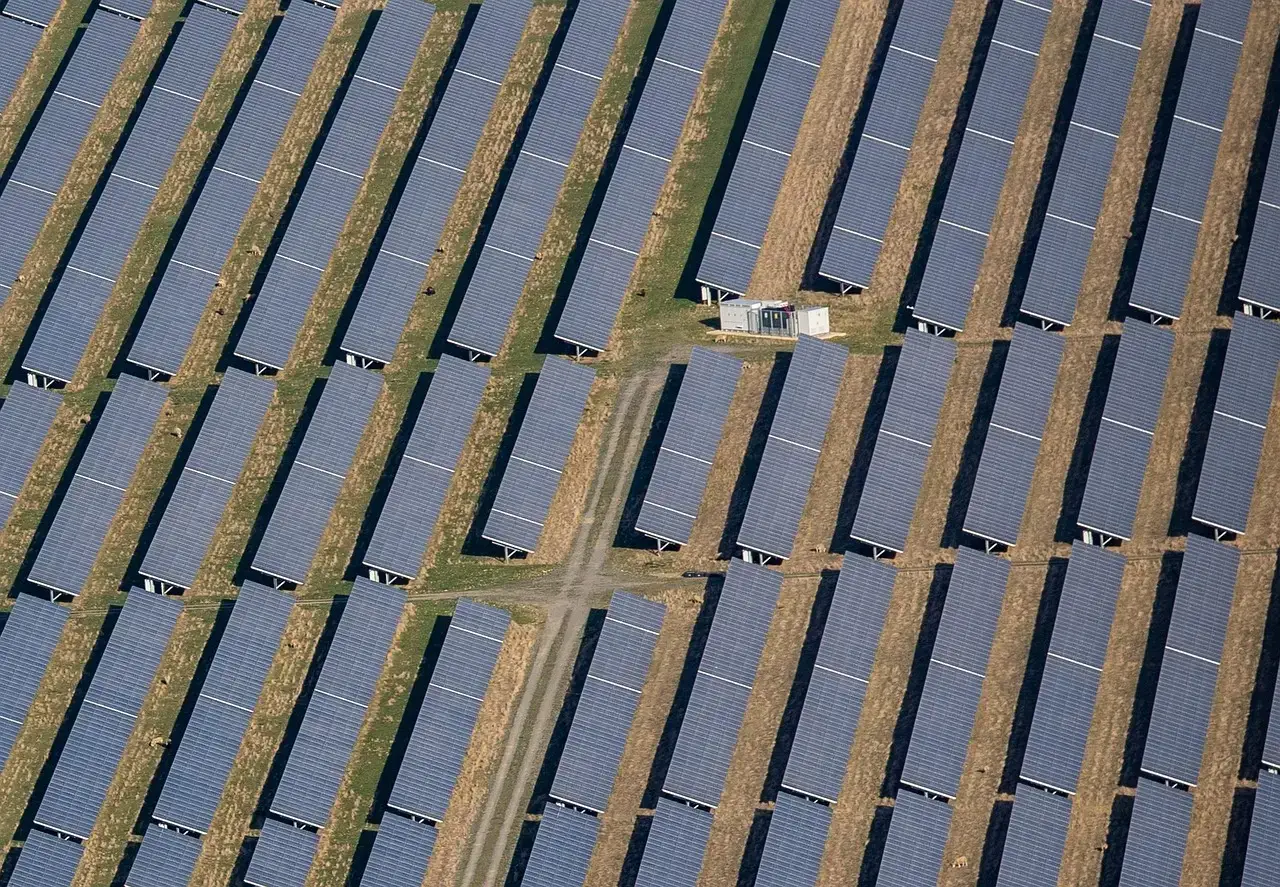
As of November 2025, the largest operational utility-scale solar farm in Fremont Valley is the 4,600-acre, 875 MW Edwards Sanborn Solar and Energy Storage Project, a public-private partnership. That single project covers more land than many American cities. A rapid expansion of the renewable energy footprint is taking place in southern Fremont Valley, primarily on privately held land, and descending eastward along State Route 58 from the Tehachapi Mountains, the scale of this buildout becomes unmistakable – miles of operational and under-construction solar fields blanket the desert floor.
Among the energy installations in the region is the 1.5 GW Alta Wind Energy Center, currently the third-largest onshore wind farm in the world, which supplies power to Southern California Edison. Adjacent stands the historic Tehachapi Pass Wind Farm, the nation’s first large-scale wind energy project, built in the 1970s and 1980s. The sheer concentration of infrastructure here has no real precedent in American desert history.
The Ivanpah Cautionary Tale
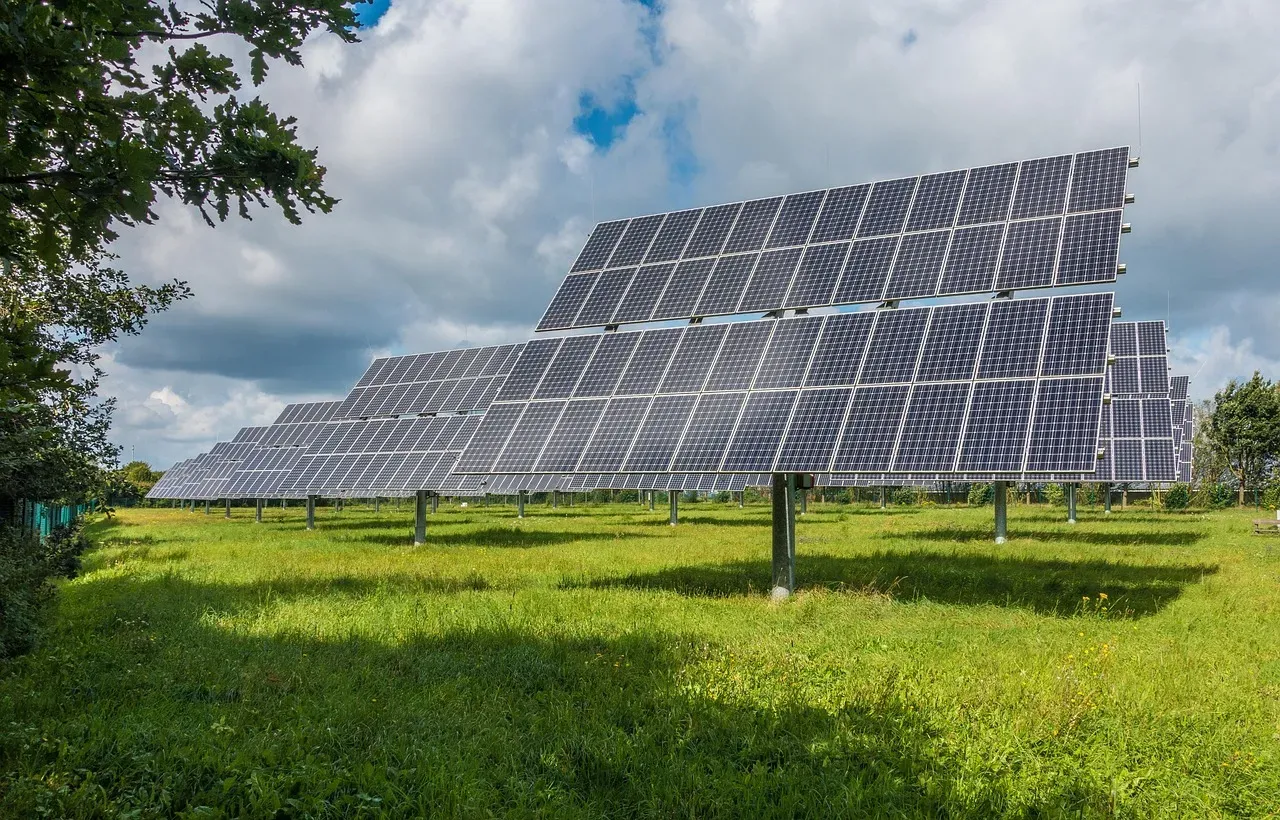
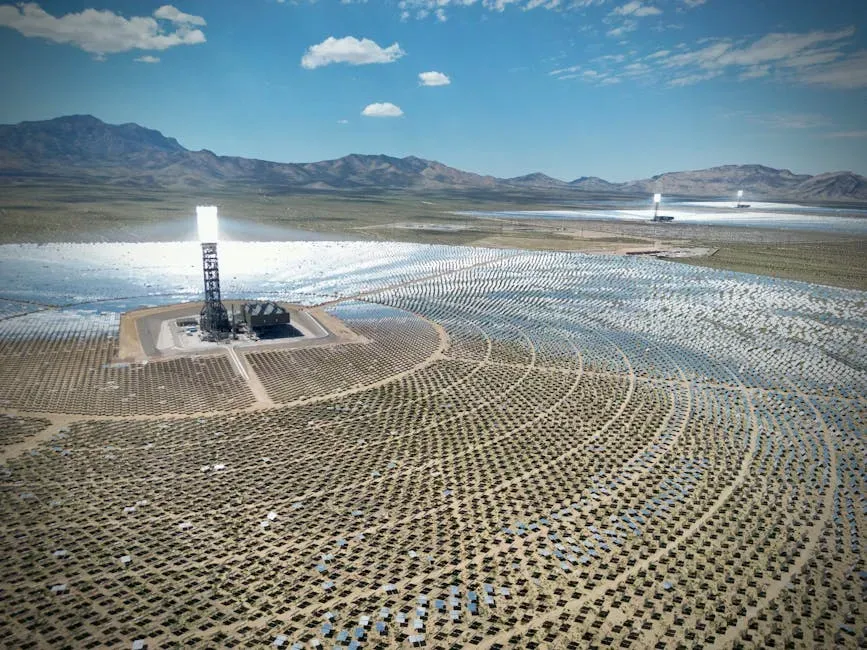
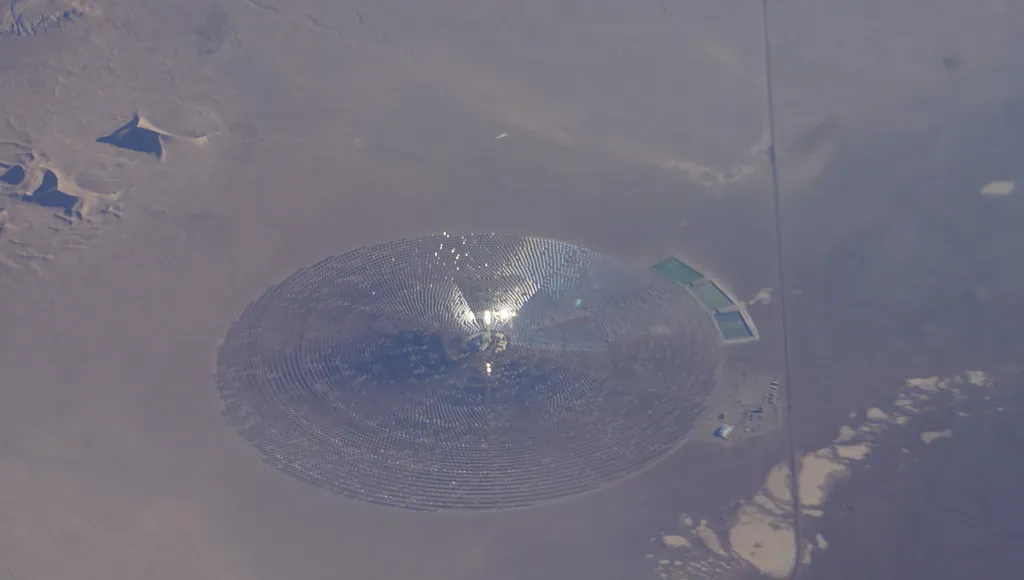
The Ivanpah Solar Electric Generating System, once a milestone in renewable energy, now faces possible closure. Pacific Gas and Electric has agreed to terminate its contracts, citing the higher cost of Ivanpah’s solar-thermal technology compared to photovoltaics. If approved, two of the plant’s three units could shut down by 2026. It is a striking reversal for a project that was once celebrated as a symbol of American clean energy ambition.
Environmental concerns, including bird and tortoise deaths from intense solar radiation, have further complicated Ivanpah’s legacy, reflecting the challenges of large-scale clean energy projects. In early 2025, NRG Energy announced plans to close the Ivanpah plant by early 2026 due to competition from cheaper photovoltaic solar technologies, though the facility is expected to be partially repurposed for photovoltaic energy production after decommissioning. What was once a bold technological leap is now a cautionary study in the pace of innovation.
Groundwater: The Hidden Crisis Beneath the Sand
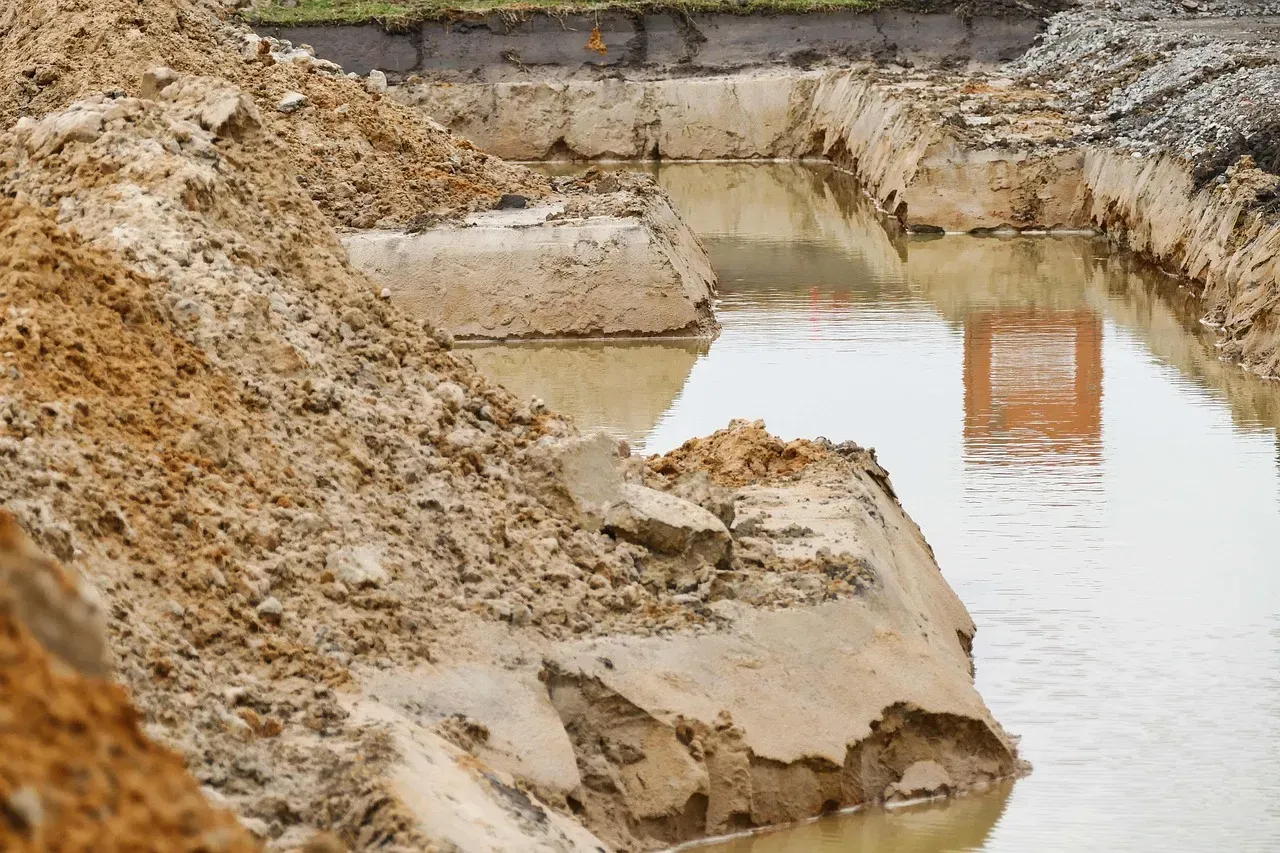
Because of increasing urbanization, demands on local water supplies have created overdraft conditions in some areas of the desert basins. Significantly lowered water levels have the potential to induce or renew land subsidence in the Mojave River and Morongo groundwater basins. This is not a future risk. It is already happening in measurable ways. Land subsidence will worsen, and sinkholes will become more frequent. These impacts are already visible in areas such as Lucerne Lake in San Bernardino County, in California’s Mojave Desert.
The lack of significant surface-water resources has resulted in the use of groundwater as the primary source for private, agricultural, and municipal supply. Because of increasing urbanization, demands on local water supplies have created overdraft conditions in some areas of the desert basins. Essentially all the water supplied to businesses, homes, and farms throughout the High Desert is pumped from groundwater, with production wells existing throughout the region, owned by a multitude of water users from homeowners with domestic wells to large water districts, with some wells pumping millions of gallons every day.
Water Markets and the Fight to Balance the Books
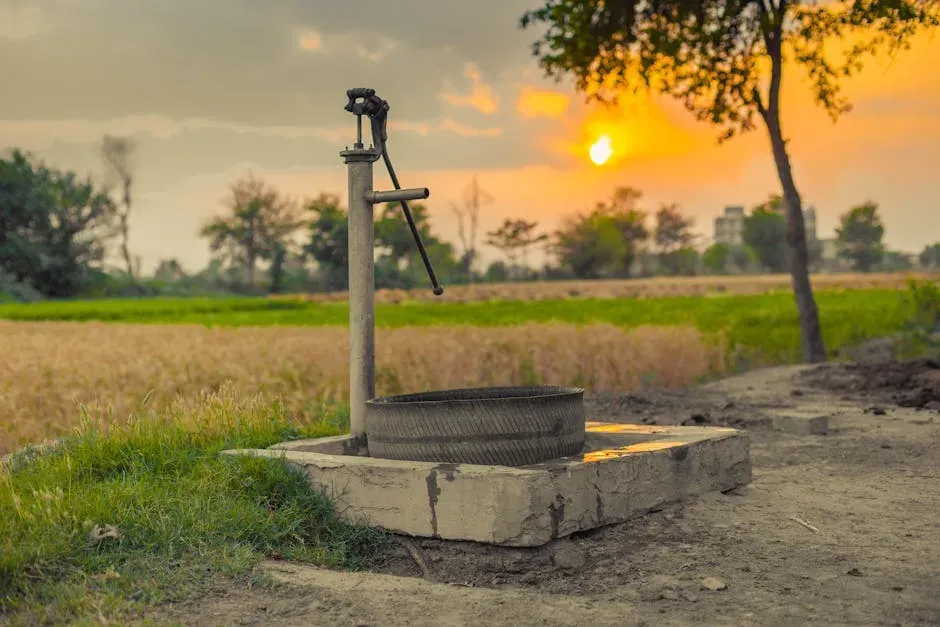
Residents struggled for many years with how best to manage water scarcity, but today the Mojave is home to one of the most liquid groundwater markets in the western United States. Introducing this management system stabilized water levels in the area and generated significant economic benefits for local communities. It is an example worth noting: not every desert water story is one of pure decline.
Access to groundwater in the Mojave is now managed to ensure pumpers do not deplete underground aquifers, and the long-term prospects for resource users are promising. Still, the system requires constant vigilance. Every year in the Mojave, upwards of 20,000 acre-feet of water are leased across all subareas, representing a temporary reallocation of the right to pump groundwater from one user to another. Managing this resource carefully remains one of the region’s most urgent priorities.
The Mojave Groundwater Bank: A $800 Million Gamble
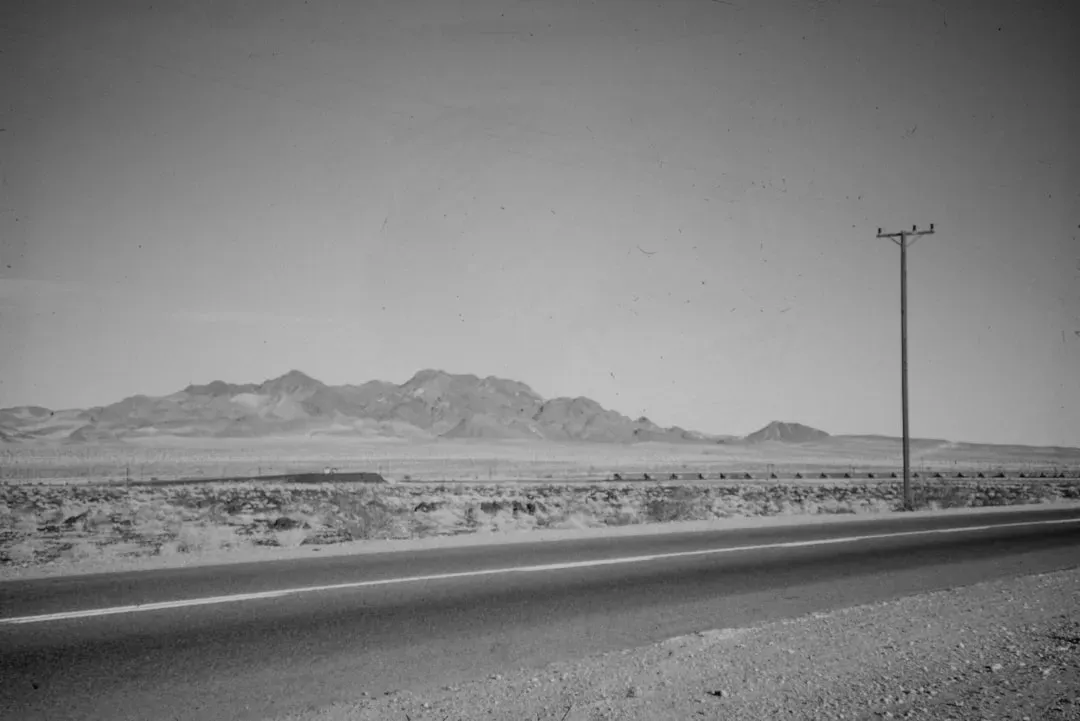
In the driest part of California, the private water company Cadiz has approved the 800 million dollar Mojave Groundwater Bank project to extract water from an ancient aquifer beneath the Mojave Desert, and once completed, this underground water reserve will be the largest new water infrastructure project in the U.S. Southwest. The project has attracted both investors and sharp critics in equal measure.
Cadiz Inc. announced plans to acquire 180 miles of steel pipe from the terminated Keystone XL Pipeline, repurposing the materials for a new water delivery pipeline. This new infrastructure will connect the company’s groundwater bank in California’s Mojave Desert to major water networks across the Southwestern U.S., with construction expected to begin in 2025. Whether drawing from ancient aquifers constitutes sustainable water management – or simply delayed depletion – remains an unresolved and genuinely consequential question.
The Desert Tortoise: A Species Running Out of Time
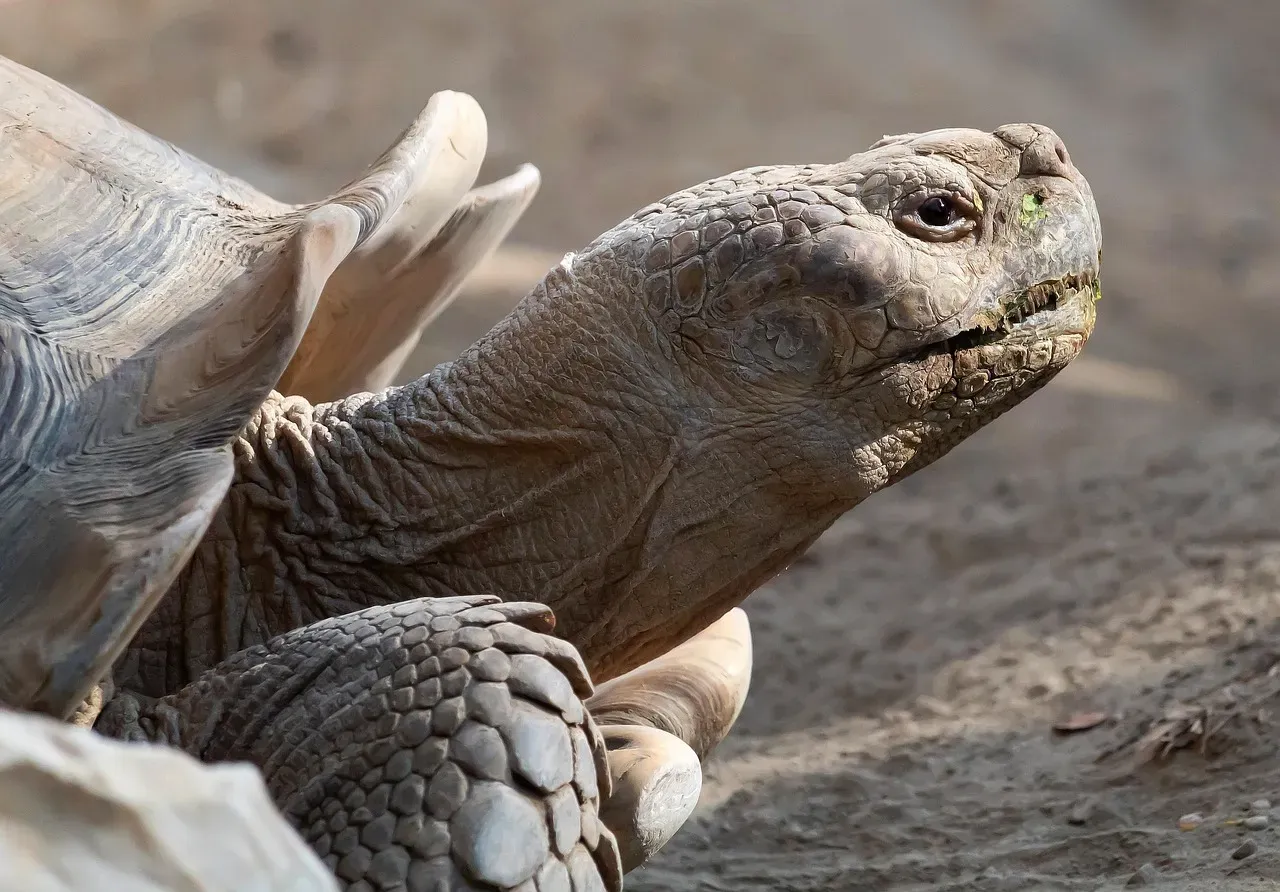
The Mojave desert tortoise, California’s state reptile, has declined by a catastrophic 90 percent in just the last 75 years, despite having lived there for millions of years. The species was uplisted to endangered in 2024 due largely to loss of critical habitat. This is a creature that survived ice ages, and now faces a threat it cannot adapt to quickly enough.
Desert tortoises are one of the oldest extant species in the United States, having resided in the Mojave Desert for an estimated 15 to 20 million years. In the past century, changes to their habitat have caused a significant population decline. From 2001 to 2020, population densities in tortoise conservation areas went down by an average of one percent per year, and the minimum density for the tortoises to remain viable is 3.9 adults per square kilometer. Only two out of 10 designated tortoise conservation areas currently meet that threshold.
Joshua Trees: The Desert’s Iconic Canary
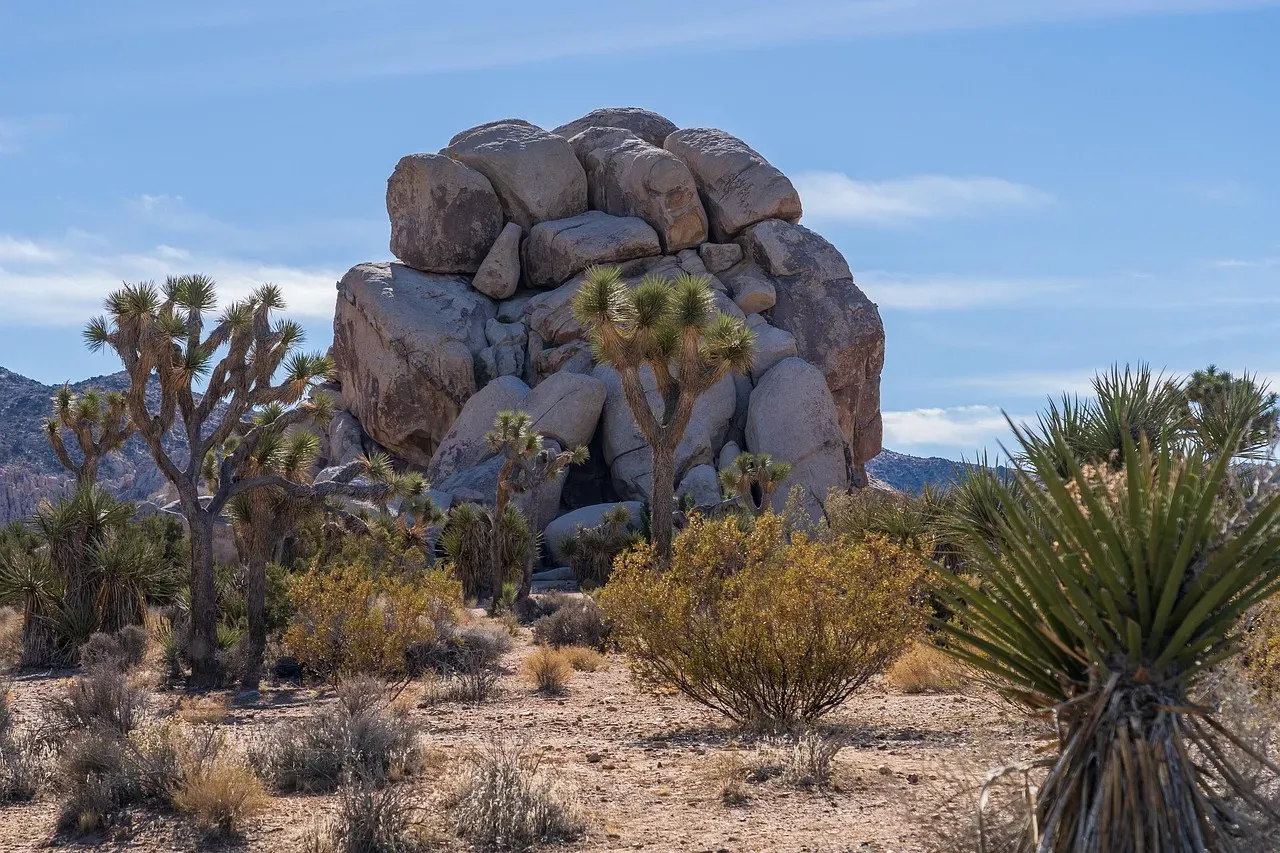
The desert’s average temperature has gone up as much as 3.6 degrees Fahrenheit in the last hundred years, and rainfall has declined by up to 20 percent in some areas. Precipitation in the Mojave, the most arid place in North America, varies widely but averages five inches a year. Joshua trees, which have defined the look of the Mojave for millennia, are feeling those changes acutely.
Simulations of dispersal based on the Joshua tree’s limited capacity suggest that over a quarter of suitable future habitat could be inaccessible, and an increasing frequency of wildfire appears to be the greatest range-wide threat to future suitable habitat for Joshua trees, followed by renewable energy development. In recent years, wildfires fueled by invasive grasses have added to extreme conditions, burning millions of trees in the last five years alone. Rapid urbanization and energy development are shrinking their viable habitat even more. The irony is not lost on researchers: the very solar projects designed to combat climate change are also directly threatening the species most emblematic of this ecosystem.
When Solar and Nature Find Common Ground
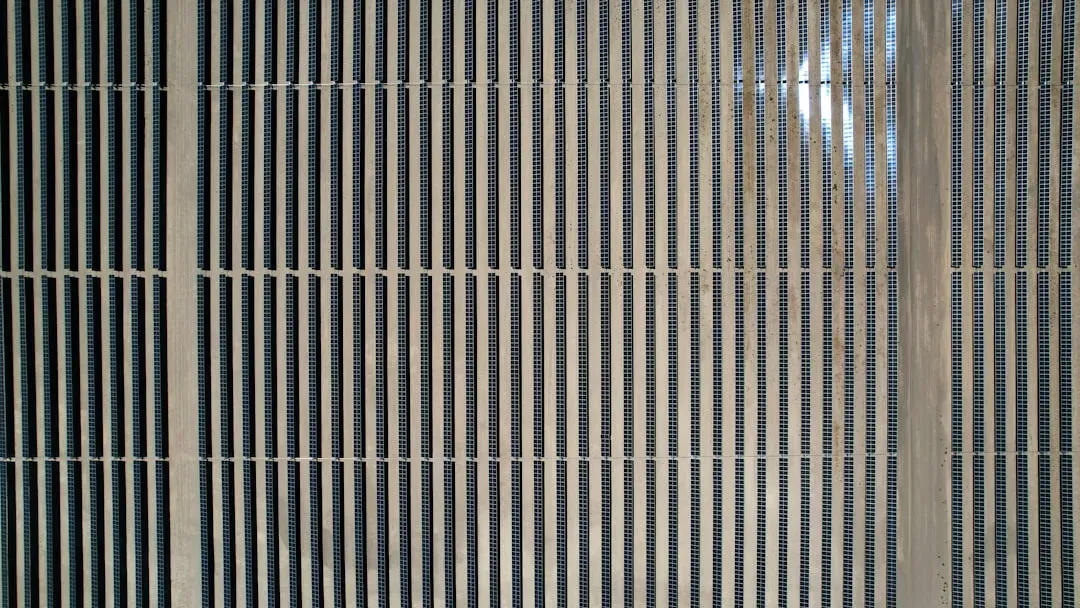
Although sunlight is one of the cleanest forms of renewable energy available, clearing large swathes of desert habitat to build solar arrays has consequences for the plants and animals it displaces. Researchers are trying to find better ways to preserve desert landscapes without impeding solar energy development, and a new study demonstrates that with careful planning, at least one desert plant is surviving and thriving amidst the solar panels.
Researchers monitored the Gemini Solar Project for a rare plant called threecorner milkvetch two years after solar panel installation. The results were striking, with 93 plants found on site in 2024 compared to 12 plants found before construction in 2018. The Gemini Solar Project is unique because it made efforts to preserve the desert plants and animals on site during and after construction. Most large-scale solar arrays use a method known as “blade and grade” which involves tearing up the plants and soils before installing panels – a method that not only strips the landscape but also destroys the fragile seed bank preserved in the top layers of soil. Gemini’s results, published in Frontiers in Ecology and Evolution in late 2025, suggest that thoughtful design is possible, if developers choose it.
The Policy Landscape: Caught Between Administrations
With the Biden administration’s 2022 Inflation Reduction Act, applications to lease and permit utility-scale solar projects increased dramatically, especially on federal lands. However, with Trump’s 2024 election, his administration reversed course and labeled solar and wind energy an enemy of the nation’s economic agenda, stalling climate action just as renewable power was beginning to reshape the American landscape. The result is a whiplash that leaves developers, conservationists, and desert communities uncertain about the rules of the road.
The Mojave Desert Land Trust has expressed deep concern over an executive order issued by President Trump on April 8, 2025 challenging the jurisdiction of states to regulate greenhouse gases, emissions, and energy production, and to implement policies to combat the climate crisis. The Nature Conservancy’s goal is to encourage the development of clean energy while protecting the desert’s unique landscapes and ecology, and to facilitate development in the smartest way possible by working with companies, government agencies, and local communities. That middle-ground approach faces headwinds from every direction in the current political climate.
The Road Ahead: Oasis or Mirage?
The Aratina Solar Center highlights the tensions surrounding large-scale renewable energy in the Mojave Desert. While developers cite climate goals and mitigation measures, local communities face ecological loss and public health risks, and the energy generated primarily flows elsewhere. From shredded old-growth Joshua trees to disturbed soil potentially laced with valley fever, the controversy highlights a broader question: how can the push for carbon-free energy balance the needs of ecosystems, human health, and the people who live closest to these sprawling solar developments?
The Mojave is not failing because people don’t care. It’s under strain precisely because too many competing interests care too much, and in too many different directions. Finding ways to provide for both wildlife and energy needs is key, and the stakes are high. The desert has survived 15 million years of geological upheaval. Whether it survives the next 50 years of human decision-making depends less on the desert’s resilience, and more on ours.
The Mojave can be both – an oasis of genuine renewable potential and a fragile ecosystem teetering at a tipping point. The mirage is the idea that we can have one without carefully protecting the other.