
Georgia Snakes Are Changing Their Behavior Because of Climate Change – What That Tells Us About the Broader Ecological Collapse Already Underway. – Image for illustrative purposes only (Image credits: Pixabay)
Suburban growth in Georgia has already increased the odds of people crossing paths with snakes. Now those encounters carry an added layer of urgency as prolonged dry spells push species like the eastern diamondback into unfamiliar territory. Wildlife biologists report that animals once tied to upland pine flats are moving toward rivers and wetlands in search of water and cooler ground. The change is quiet but measurable, and it points to larger stresses on the state’s ecosystems.
Tracking the Shift in Real Time
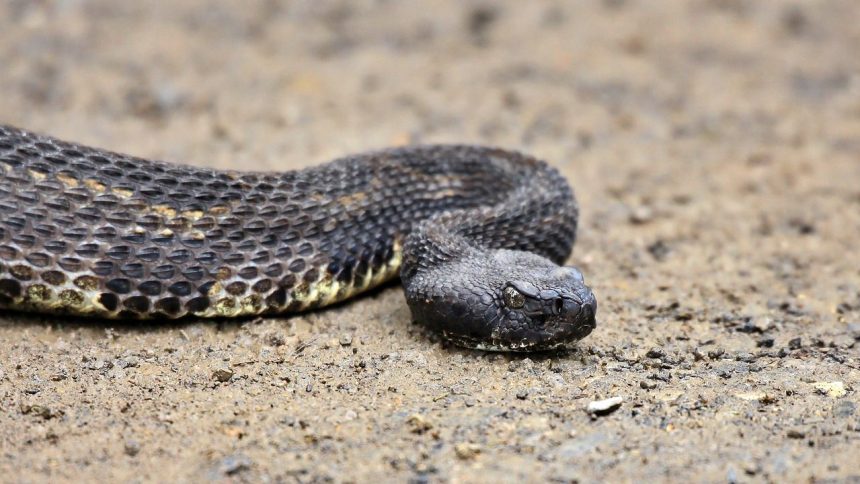
Radio collars fitted to eastern diamondbacks have revealed movements that contradict long-standing habitat preferences. Instead of staying on dry, sandy ridges, some snakes have entered river channels and adjacent lowlands. Daniel Sollenberger, senior wildlife biologist with the Georgia Department of Natural Resources, noted that larger individuals can store water for short periods, yet current conditions exceed those limits. A yellow rat snake photographed along a dried canal bed at Corkscrew Watershed in April offered one visible example of the broader pattern.
Researchers emphasize that these relocations are not random. They coincide with extended droughts and fires that now burn hotter and higher into forest canopies. Historical lightning fires moved slowly across the longleaf pine landscape, allowing soil and wildlife to recover. Today’s fires leave less room for that recovery, forcing animals to seek new refuges.
Why the Old Habitats No Longer Work
Georgia’s climate has produced longer stretches without rain and hotter summer temperatures. These conditions dry out the uplands faster than snakes can tolerate. Smaller species and prey animals such as frogs and nesting birds feel the pressure first, creating competition when larger predators arrive in wetlands. The result is a redistribution of wildlife rather than simple adaptation.
State records list 47 native snake species, seven of them venomous. Only the eastern indigo snake holds federal protection, yet all face the same habitat squeeze. Sollenberger and colleagues continue to monitor how these shifts affect population stability, though full answers will require years of additional data.
Rising Encounters With People
As snakes move closer to developed areas, suburban residents report more sightings near homes and construction sites. The Department of Natural Resources expects this trend to continue. Most bites occur when someone attempts to kill or handle the animal; otherwise snakes retreat when given space. Public guidance remains straightforward: leave the snake alone and contact professionals if removal is needed.
- Prolonged drought reduces available water in traditional upland sites
- Hotter fires destroy cover and food sources faster than before
- Snakes relocate to rivers and wetlands, increasing overlap with human activity
- Most bites result from direct interference rather than unprovoked attacks
What the Changes Signal for the Future
Ecologists describe these movements as part of a longer sequence of quiet rearrangements across the landscape. Predators appear in new locations, old fire cycles break down, and prey distributions shift in response. The pattern does not produce dramatic headlines, yet it shows a system operating differently than it did even a decade ago. Continued monitoring by state biologists will help clarify how far these adjustments extend and what they mean for both wildlife and the communities that share the same ground.