Something has shifted in how audiences relate to online creators. The parasocial bond that built empires out of bedroom cameras and casual vlogs is turning out to be surprisingly fragile. When audiences feel misled, condescended to, or simply bored, they leave. Quietly, at first. Then all at once. Consumers’ trust in social influencers is flagging. A 2023 survey of 1,000 U.S. consumers found that just roughly one in eight were inclined to purchase a product pushed by an influencer, while nine in ten were willing to buy products recommended by friends, family, or other regular online users. That gap tells a story the platforms don’t want to advertise. These nine creators illustrate exactly how the trust breaks down – and why it rarely comes back the way it left.
MrBeast – When the World’s Biggest Channel Gets Too Big to Avoid Scrutiny
For years, Jimmy Donaldson seemed immune to the usual influencer pitfalls. His philanthropy content and record-breaking giveaways kept goodwill running high. Then, in September 2024, a class action lawsuit was filed against him over his Amazon Prime competition show Beast Games, with contestants alleging widespread mistreatment including sexual harassment, lack of medical care, inadequate food, and unpaid expenses.
The controversies didn’t stop there. In July, his former collaborator Ava Kris Tyson was accused of having inappropriate conversations with minors, and in August a former employee accused Tyson of sexual assault. 2025 also brought a separate AI thumbnail controversy, where Donaldson announced that his analytics tool would use generative AI to construct YouTube thumbnails by feeding off other creators’ work – a move that left YouTubers and artists furious, calling it theft. Each new headline made it harder for fans to separate the persona from the production machine behind it.
Logan Paul – A Pattern Fans Finally Stopped Excusing
In December 2022, YouTuber-investigator Coffeezilla released a three-part exposé alleging that Logan Paul’s blockchain game CryptoZoo was a “rug pull” and that Paul had misled his followers. The series went viral, reigniting criticism over influencer-backed crypto ventures. Paul’s audience, which had already weathered years of controversial stunts and public apologies, began questioning whether the pattern would ever stop.
CryptoZoo base egg NFTs launched at a floor price worth around $1,350 at September 2021 prices, and by 2023 they traded at a loss of more than 95 percent in dollar terms. The $ZOO token, which reached a $2 billion market cap at peak, collapsed by more than 90 percent within weeks of launch. The class action was ultimately dismissed in October 2025, with the judge ruling that Paul’s promotional statements constituted legal puffery rather than fraud. The legal outcome didn’t restore the trust, though. Comment sections told a different story entirely.
David Dobrik – A Return Nobody Fully Welcomed Back
His Vlog Squad was once everywhere, but from early 2021 onward, allegations began surfacing that some pranks and videos went far beyond humor. Former member Seth Francois said he was tricked into kissing a friend during a video shoot, describing the experience as sexual assault. Around the same time, a Business Insider report shared allegations that another former member had sexually assaulted a woman during the filming of a 2018 vlog.
In early 2025, Dobrik surprised the internet when he announced his return to vlogging after a nearly three-year hiatus. He maintained a subscriber base of roughly 17.2 million, with fans responding with a mix of excitement and skepticism. Some past viewers had moved on or still held negative views because of the 2021 controversy, while many long-time fans were happy to see him back. In the world of influencers, cancellation is often temporary, and Dobrik seemed to be slowly rebuilding his brand. For many, though, the goodwill simply wasn’t there anymore.
Shane Dawson – Shifting to Niche Content After Losing Cultural Centrality
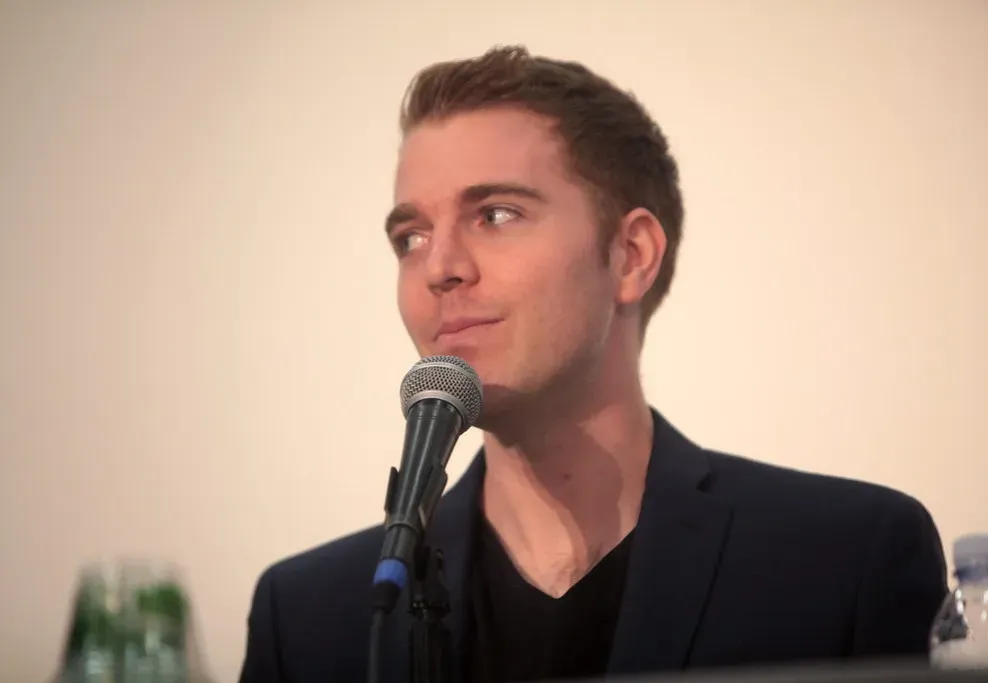
Shane Dawson was one of YouTube’s original megastars. His early career was built on comedic character content and later on long-form documentary videos about internet celebrities. His past, including racist content, blackface, and jokes about minors, was unearthed in the late 2010s and early 2020s.
By 2025 and into 2026, Dawson’s presence on YouTube is notably smaller. He has shifted to niche content like paranormal investigation and conspiracy theories and has a dedicated audience, but he no longer commands the cultural centrality he once had. That phrase, “cultural centrality,” matters more than follower count. A creator can have millions of subscribers and still feel irrelevant. Dawson knows that feeling well now.
Colleen Ballinger – A Ukulele Song That Became a Turning Point
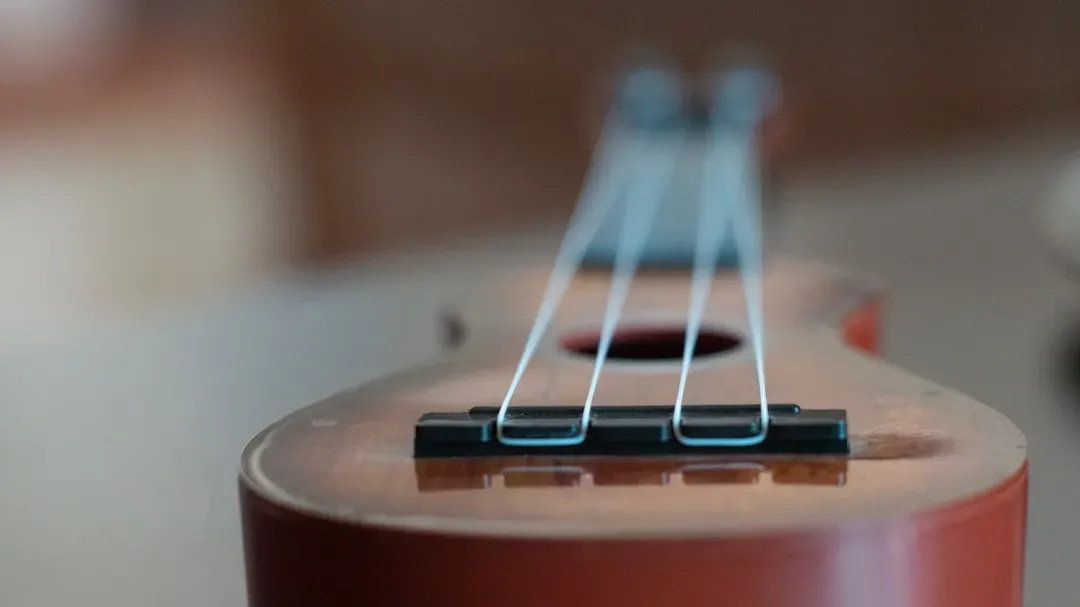
Ballinger had earned huge fame in the 2010s with her Miranda Sings character, even landing a Netflix series and millions of fans. However, in 2023, serious allegations emerged from former fans about grooming, with people sharing specific examples of their experiences with her.
Her response – a 10-minute ukulele song posted to her personal YouTube channel – likened the accusations to a “toxic gossip train” heading for “manipulation station.” By the fall of 2023, Ballinger began posting on Instagram again, though she has yet to return to YouTube. The ukulele video is now widely cited as one of the most tone-deaf crisis responses in influencer history, accelerating the departure of fans who might otherwise have been willing to give her the benefit of the doubt.
Partner offer
Alix Earle – Old Screenshots and a Network Split
In 2024, old screenshots surfaced showing the TikToker using racial slurs. She apologized and explained that she had been young and unaware of the impact of the words. However, her apology was widely considered to have come too late.
She also saw her podcast, Hot Mess with Alix Earle, paused and eventually dropped from the Unwell Network in early 2025 after a public rift with Alex Cooper’s brand. Earle continued to land high-profile moments, including placing second on Dancing with the Stars and appearing in Bad Bunny’s Super Bowl halftime show in 2026, but she faced ongoing criticism from those who felt her presence was undeserved. Momentum and controversy rarely travel at the same speed, and right now, they’re running neck and neck for her.
Mikayla Nogueira – Sponsorship Credibility at a Breaking Point
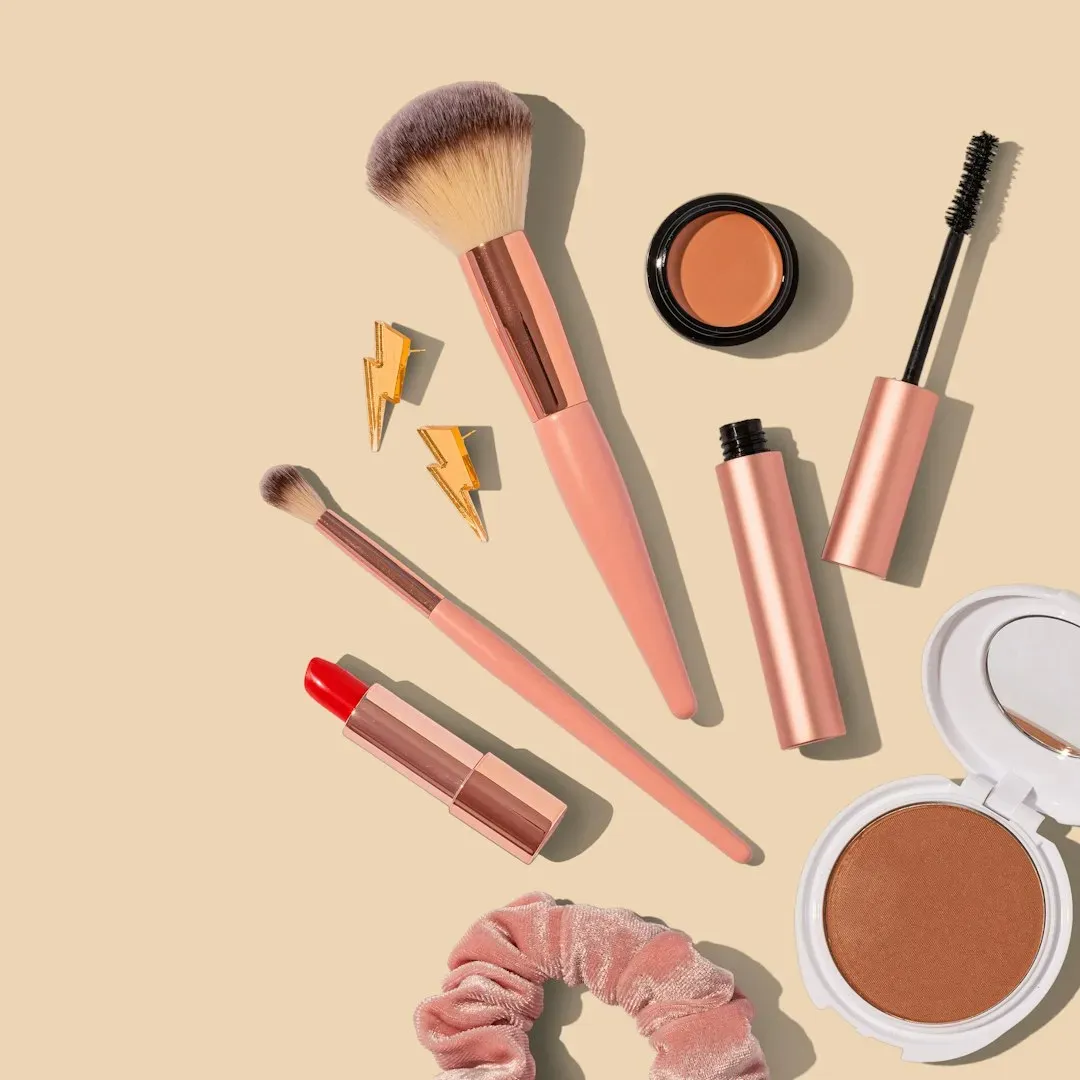
Back in the early-to-mid 2020s, Mikayla Nogueira hit her first big controversy when critics accused her of being out-of-touch and overly commercial, especially after a sponsored mascara review where many claimed she used false lashes or heavy editing instead of just the product, without clearly disclosing the sponsorship.
She launched her own beauty brand, Point of View Beauty, which performed strongly at launch and expanded into new products like lip kits in 2025. Even that, though, drew criticism from fellow creators who called her out over a product controversy that spiraled out of control. The mascara incident unlocked a kind of scrutiny that never fully went away. In the beauty space, trust is almost everything, and once an audience suspects that a creator is willing to mislead them for a brand check, the relationship changes permanently.
Ned Fulmer – The “Wife Guy” Identity Collapse
As one fourth of the Try Guys, Fulmer had depicted himself as the devoted “Wife Guy” – someone obsessed with his wife and openly proud of it. Three years after the Try Guys announced he would be leaving the group following widespread cheating allegations, Ned broke his silence in 2025.
He admitted to People that he had been consciously leaning into the wife guy persona because fans seemed to resonate with it. He acknowledged the irony of the scandal, describing it as a “rug pull” for the audience. That self-awareness arrived years after the fact, and fans noticed. The entire appeal of his brand rested on a domestic sincerity that turned out to be selectively performed. There’s little left to rebuild once the original premise is gone.
Sam Pepper – A Livestreamed Moment That Ended Platform Access
After rising to fame in the UK by appearing on Big Brother and then transitioning into YouTube, Pepper found himself embroiled in multiple scandals over the years. In recent years he had mostly kept away from controversy – until 2025, when he was livestreaming from India via his Kick account during a Diwali event.
He released fireworks at another group before celebrating his success at striking someone. Shortly after, he was informed that the firework had damaged a person’s eye. The creator later claimed the victim received stitches. Due to the outrage, Pepper was banned from Kick. The incident cut through whatever residual goodwill remained. Audiences can forgive controversy with time, but there’s a category of moment, caught live on camera with no ambiguity, that leaves nothing to debate.
What’s Actually Driving the Departures
Posts sharing luxury handbag collections or exotic vacations, once popular on TikTok and Instagram, began drawing backlash in comment sections, with followers framing excessive displays of wealth as tone-deaf during an economic downturn. A majority of Americans reported feeling stressed or concerned about their finances, with over half saying they felt the economy was doing poorly – and that shifted what audiences wanted to watch.
As a form of marketing and audience connection, social influence has been quietly waning. In a ranking of 2025 marketing budget priorities, social influencers fell from fourth place in 2024 to eighth place in 2025, displaced by more targeted niche marketing efforts. The creator economy isn’t collapsing, but the era of unconditional fandom – the kind that forgave anything and bought everything – appears to be over. Audiences have learned to hold creators accountable in ways they simply didn’t before, and the influencers who built their brands on illusions of authenticity are now the ones most exposed.
Partner offer
Planning a trip to Vegas?
Compare hotel rates and show tickets on VEGAS.com.