Calling a director “overrated” is one of the quickest ways to start an argument at a dinner table or in a film forum. It doesn’t mean the filmmaker is bad. It means the mythology surrounding the name has grown larger than the actual body of work can consistently justify. The modern film director is often treated as a primary author of a film, with cultural status that can rival or exceed that of actors. This reflects the influence of auteur theory in modern film criticism. Critical reputation, however, does not always align with consistent artistic output, and sometimes a filmmaker is nowhere near as good as they are credited to be. The eight directors below are genuinely talented people. That’s actually what makes the conversation interesting.
1. George Lucas – A World-Builder Who Couldn’t Always Direct It
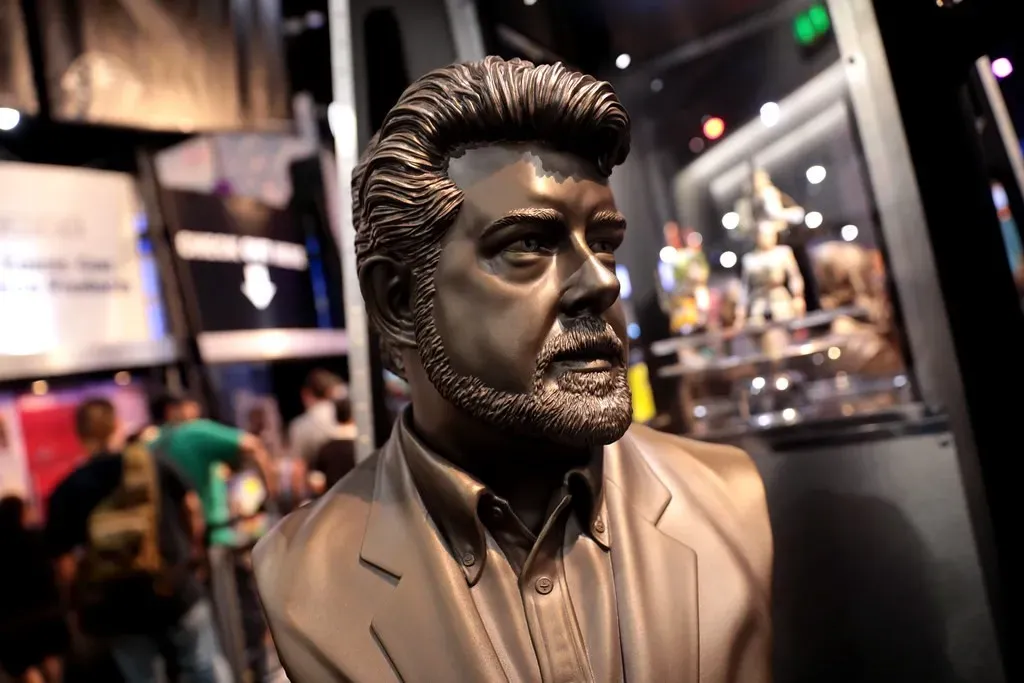
George Lucas built one of the most beloved fictional universes in history, and no one can take that away from him. His cultural fingerprints are everywhere. Lucas directed the original Star Wars: A New Hope and heavily influenced all six films in the original and prequel trilogies, having had the foresight to secure franchise and merchandising rights for himself, ensuring creative control and a chance to make sequels his own way.
He’s a fantastic “ideas guy” who can come up with a seemingly infinite number of great concepts and ways of building his worlds, but he’s just not the greatest screenwriter or director around. Common criticisms of his prequel trilogy surrounded the over-reliance on computer-generated imagery, wooden dialogue, slow-paced political scenes, and the comic relief character of Jar Jar Binks. The myth of Lucas the visionary is real. The myth of Lucas the master director is considerably shakier.
2. Steven Spielberg – The Crowd-Pleaser Problem
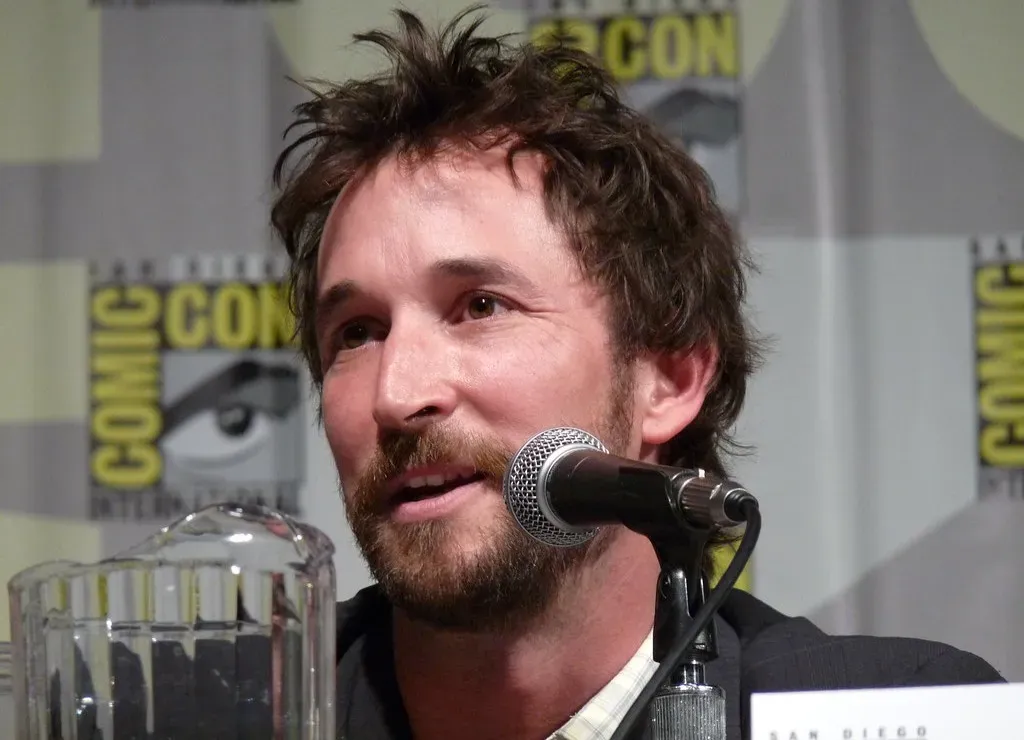
Steven Spielberg is one of the most commercially successful and influential directors in film history, having defined modern blockbuster cinema with films such as Jaws, E.T., and Schindler’s List. Few dispute those achievements. The overrated case, though, begins precisely where his reputation gets oversized.
Spielberg’s reputation is heavily rooted in the extraordinary run of films he directed between the 1970s and 1990s, and while films like Munich, A.I. Artificial Intelligence, Minority Report, and The Fabelmans still merit admiration, his recent output has not consistently matched the quality of his earlier classics. His main problem, critics argue, is that he’s a very manipulative filmmaker who, while most filmmakers have their own discourse and try to guide audiences to feel a certain way, does this incredibly heavy-handedly.
3. Quentin Tarantino – Brilliant in Scenes, Questionable as a Whole
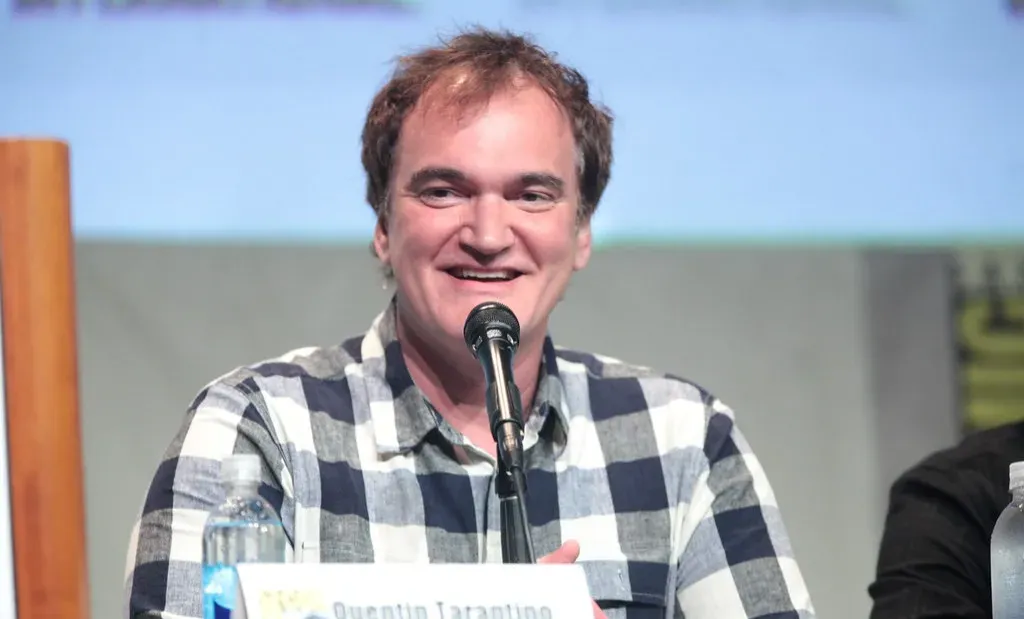
Tarantino clearly has a great ability in writing dialogue and particular scenes, all of which have really good internal tension and structure. The problems come when you see the complete movies, as his films seem made by a nerdy teenager. The characters of his movies are all similar: it doesn’t matter who they are, they all look like representations of Tarantino himself.
His arrogance is evident in the fact that after Jackie Brown, his films are at least 30 minutes longer than necessary. Of course, his movies are not bad at all, but one must expect much more from one of the most prominent figures of modern cinema. The dialogue is often extraordinary in isolation. The full packages, however, frequently feel like extended mixtapes rather than fully shaped films.
4. Christopher Nolan – Complexity Without Always the Depth

Christopher Nolan is often described as overrated due to recurring criticism of exposition-heavy dialogue and emotional distance in character writing. Films like Interstellar and Tenet are frequently cited examples of narratives where conceptual complexity is prioritized over emotional clarity. For many viewers, the puzzles he sets are engaging. The emotional payoff at the end of solving them is often thin.
Critics often argue that Nolan’s reputation as a “genius filmmaker” is amplified by fan discourse and critical branding rather than consistent emotional storytelling. Supporters, meanwhile, argue that Nolan is one of the most structurally innovative filmmakers in mainstream cinema and is credited with combining blockbuster filmmaking and non-linear narrative structures in films like Memento and The Dark Knight. The tension between those two positions is what keeps this debate lively, and unresolved.
5. James Cameron – The Technician Mistaken for a Poet
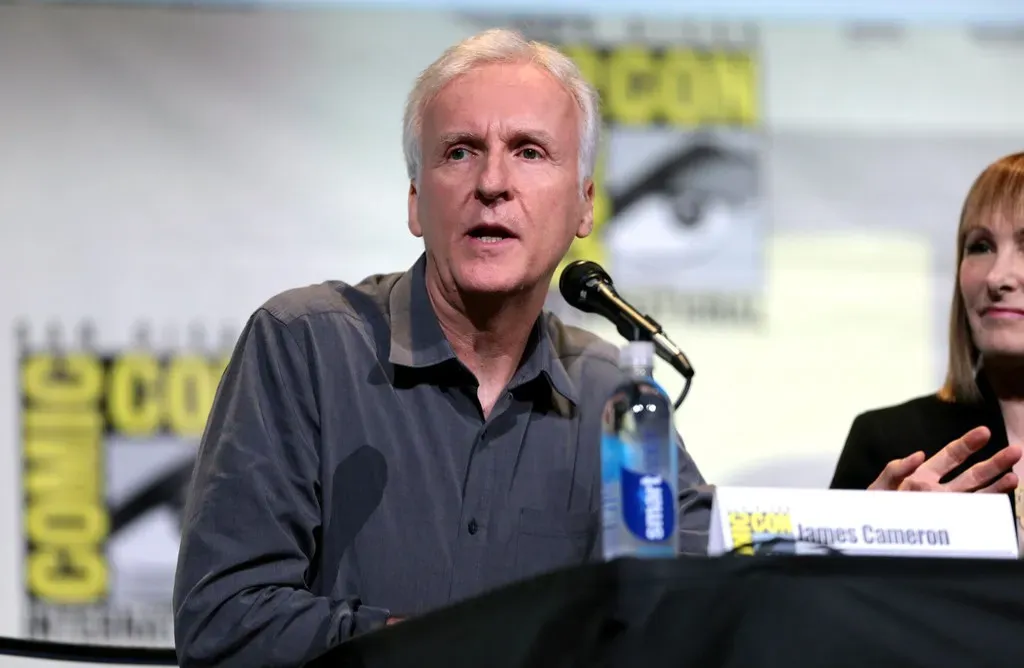
Critics argue that Cameron’s films prioritize technical innovation and spectacle over narrative complexity. Avatar and Titanic are frequently cited as visually groundbreaking films with relatively simple story structures. That observation isn’t purely a criticism, but it does explain why the reverence afforded to Cameron often feels disproportionate compared to filmmakers who achieved both.
His technical achievements are marvelous, but he can’t manage to develop characters. He is widely regarded as one of the most commercially successful directors in film history, and that commercial weight is part of what inflates his critical standing. Box office dominance and genuine cinematic artistry don’t always travel together.
6. Tim Burton – When Gothic Style Becomes Self-Parody
Tim Burton built a career on a genuinely distinctive visual language. Dark whimsy, expressionist architecture, and characters living at the gothic edges of society all became his signature. For a while, those instincts produced extraordinary work. The trouble is that Burton never seemed to notice when the style stopped serving the story and started replacing it.
When watching some of his later stop-motion work, there’s an overriding sense of “what’s the point?” It’s as though Burton took all the goodwill he had earned and tried it again with no other motivation. The style of animation was a means to itself. The story? An afterthought. Not a terrible story, just not very developed. It is possible to accuse Burton of over-indulgence bordering on stylistic self-parody, there’s no question there.
7. Wes Anderson – The Aesthetic That Became the Product

Anderson’s recognizable aesthetic is often imitated, his screenplays attract some of the best actors currently working in Hollywood, and he has been showered with award nominations throughout his illustrious career. His early films, particularly Rushmore and The Royal Tenenbaums, had genuine emotional weight behind the symmetrical frames and deadpan delivery. Then something shifted.
In recent years, his films have become exercises in compulsive self-reference. Every frame is a Pinterest post, every scene a meticulously arranged still life. Characters aren’t characters anymore, they’re set dressing with speaking parts. One criticism often levelled against the director is that he just regurgitates the same formula over and over again, with critics noting: “I’m just tired of seeing the same characters, given the same dialogue, and Anderson shooting everything in the exact same way.”
8. Federico Fellini – Elevated Beyond What the Work Can Always Bear

Fellini needs no introduction, as he is considered among the most important directors in the history of cinema. Certainly his virtues cannot be denied; the camera movements and the cinematography in most of his films are sublime, but that’s basically all. The gap between the canonized myth of Fellini and the actual experience of watching a significant portion of his filmography is wider than most film institutions are willing to admit.
His best film is arguably I Vitelloni, the most coherent and truly emotional one in his entire filmography. Certainly Fellini deserves respect, but he’s far from being one of the most prominent figures in film history when placed alongside names like Chaplin or Kurosawa. Even within Italy, directors such as Visconti, De Sica, and Rossellini offer considerably more interesting work. The weight of his reputation, cemented by critics and film schools over decades, has made objective reassessment genuinely difficult.
What “Overrated” Actually Means
The term “overrated” is inherently subjective. Some viewers prioritize technical skill, visual style, or commercial success, while others value storytelling, character development, or consistency. As a result, a director considered overrated by one movie fan may be viewed as a cinematic genius by another.
The reasons why some names are more famous and respected than others are often controversial, tending to revolve around the home country of the directors and the money they made. In the end, we find a whole mythology of figures whose names are much bigger than their actual work. None of the directors on this list made bad films. What they share is a reputation that, under genuine scrutiny, doesn’t hold up as evenly as the culture has decided it should. That’s not dismissal. It’s just a more honest kind of attention.