Hollywood loves a good origin story, and few are more compelling than the ones that almost didn’t happen. Behind nearly every iconic performance is a version of events where the wrong person almost got the part, or where the right person was already filming before the whole thing fell apart. Recasting is more common than audiences realize. It happens quietly, dramatically, and sometimes at enormous financial and personal cost. Some of these decisions reshaped careers and entire franchises. Others are cautionary tales about scheduling, ego, creative misalignment, or simple bad luck. What they share is the fact that someone made a call, and then walked it back.
Eric Stoltz as Marty McFly in Back to the Future (1985)
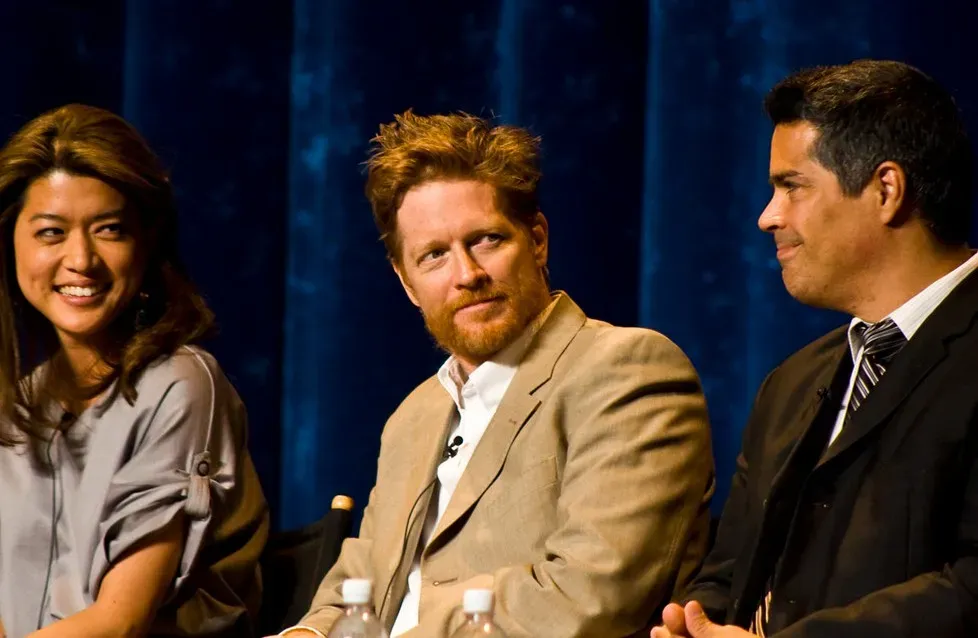
When Back to the Future started filming, Marty McFly was played not by Michael J. Fox, but by Eric Stoltz. Zemeckis and his co-writer Bob Gale had eyed Fox for the role from the start, but Universal Pictures head Sid Sheinberg urged them to cast Stoltz, who had just impressed with his performance in the biopic Mask.
Stoltz’s method acting and lack of comedic chops led to reservations from cast and crew, who felt he wasn’t bringing the right energy to the role. After more than a month of this, Zemeckis and Gale realized their lead actor wasn’t working. They spoke with Sheinberg, who agreed and let them replace Stoltz with Fox and reshoot the necessary scenes. Robert Zemeckis later described firing Stoltz as the “hardest” meeting he had ever had and felt guilty about it. In 2025, Fox addressed the situation directly in his memoir, and by all accounts there remains no bad blood between the two actors.
Dougray Scott as Wolverine in X-Men (2000)
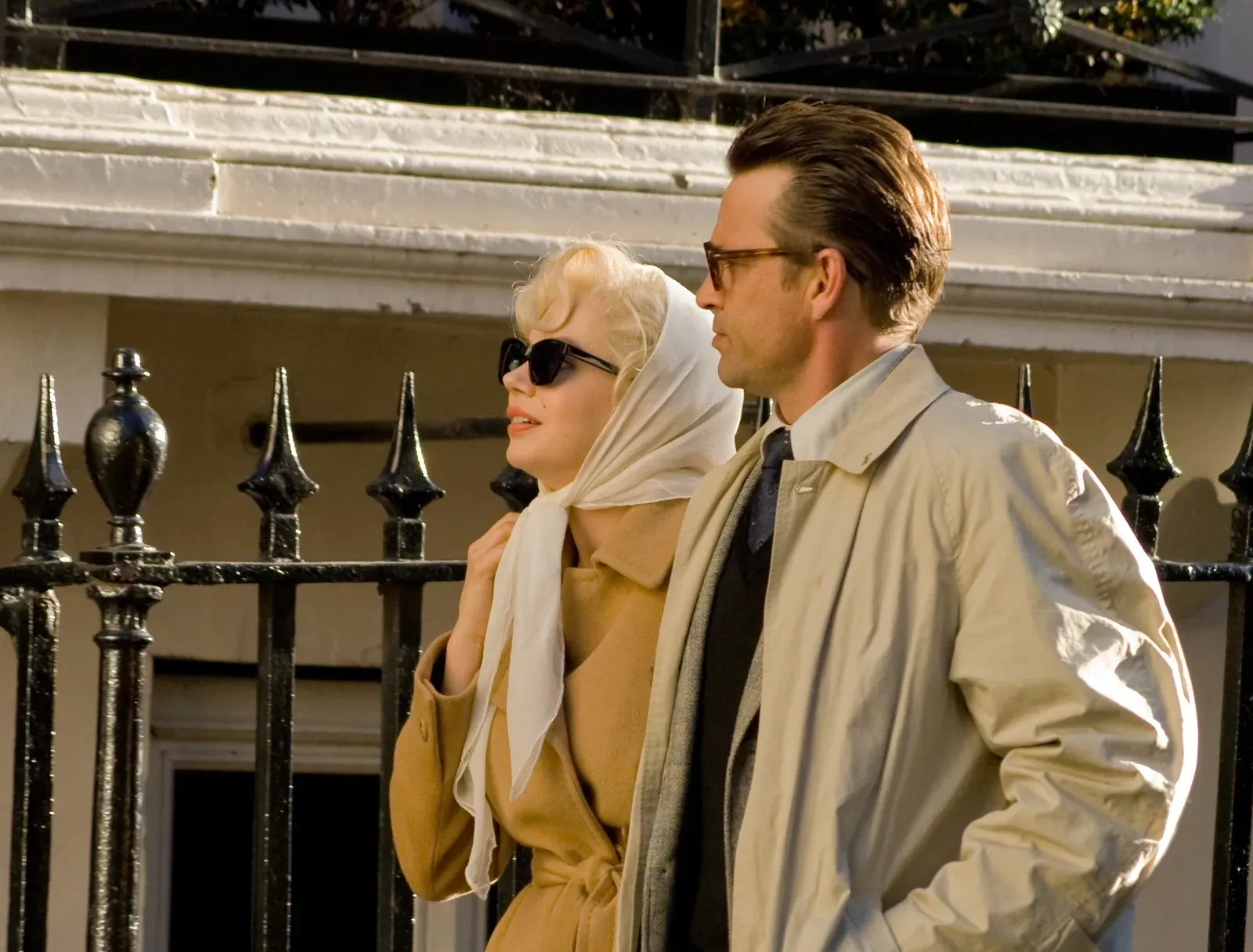
Dougray Scott had originally signed on to play Wolverine in X-Men and had every intention of doing so. It seems, though, that Scott ran into several snags that prevented him from taking the role, as playing the villain in Mission: Impossible II was taking much longer than expected, since John Woo’s actioner went far beyond its filming schedule. In a 2020 interview, Scott revealed that Tom Cruise refused to let him leave that production to go work on X-Men or any other film.
There were also reports that Scott had sustained a minor shoulder injury during a motorcycle stunt on the set of Mission: Impossible II, requiring him to stay and recover. On October 11, 1999, Variety reported that Hugh Jackman would take on the role after a successful audition. The film’s success was felt across the studio system, and it made a global star out of Hugh Jackman, who would reprise the role of Wolverine over two sequels, three spin-offs, and three prequels. Scott, for his part, has said he bears no ill will toward Jackman, acknowledging it simply wasn’t his fault.
Kevin Spacey in All the Money in the World (2017)
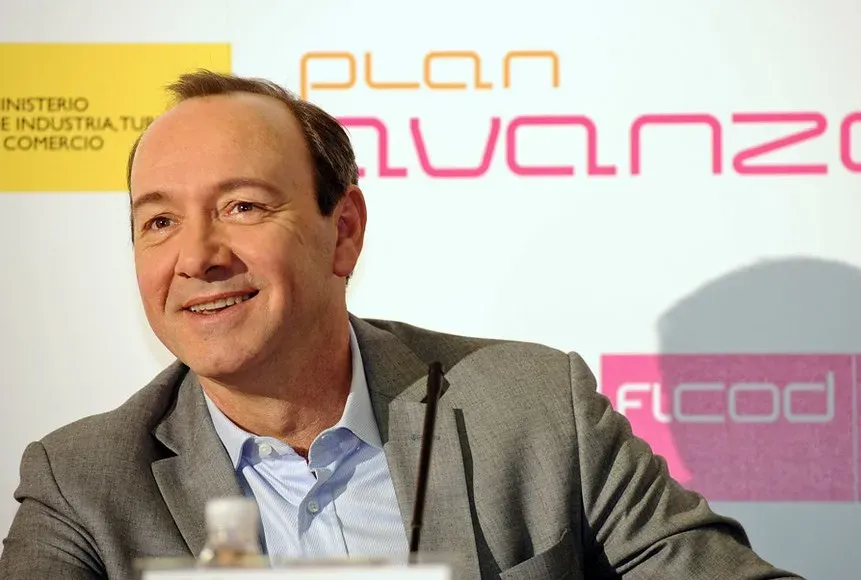
One of the most well-known examples of recasting happening mid-production occurred at the height of the allegations made against Kevin Spacey. The actor had already filmed his scenes for All the Money in the World and the movie was ready for release, but those behind the film decided to reshoot his parts to distance themselves from the disgraced actor. Ridley Scott acted fast, alerting the production that they would be reshooting all of Spacey’s scenes with Christopher Plummer cast in his role instead and re-editing the film for an extra ten million dollars.
The production brought in Christopher Plummer to fill the role of J. Paul Getty. It affected not only the lead role but the supporting roles around it as well, so it had to be a very hard decision to make. Remarkably, Plummer earned an Academy Award nomination for his performance, turning a crisis into one of the stranger redemption arcs in awards history. The entire episode remains one of the fastest and most logistically complex recasting decisions Hollywood has ever carried out.
Crispin Glover as George McFly in Back to the Future Part II (1989)
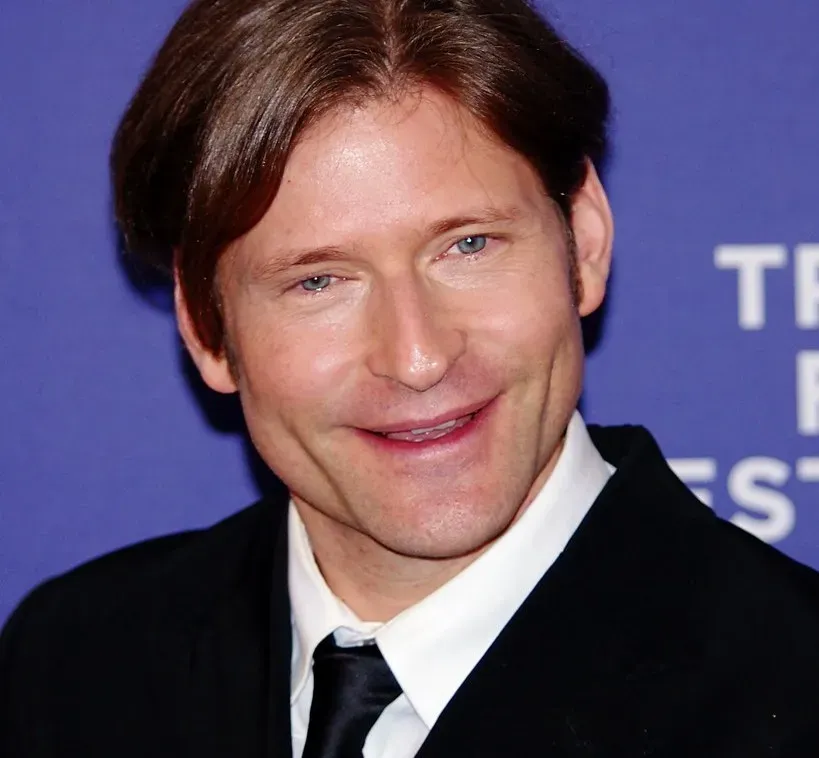
Crispin Glover’s exit from the Back to the Future films is one of the messiest and most legally complex recasting choices in Hollywood history. Glover portrayed the nerdy George McFly in the first installment but backed out of the sequel over a contract dispute. Rather than simply get a new portrayal of the character, director Robert Zemeckis opted to use old footage of Glover as well as another actor in prosthetics to look as much like Glover as possible.
That decision led to a landmark lawsuit about using an actor’s likeness without permission and changed how contracts are written in Hollywood. Few disputes in film history have had such lasting legal ripple effects. The case essentially forced studios to be far more explicit about likeness rights and residuals, making it one of the more consequential back-room battles ever to play out behind a family-friendly franchise.
Ryan Gosling in The Lovely Bones (2009)
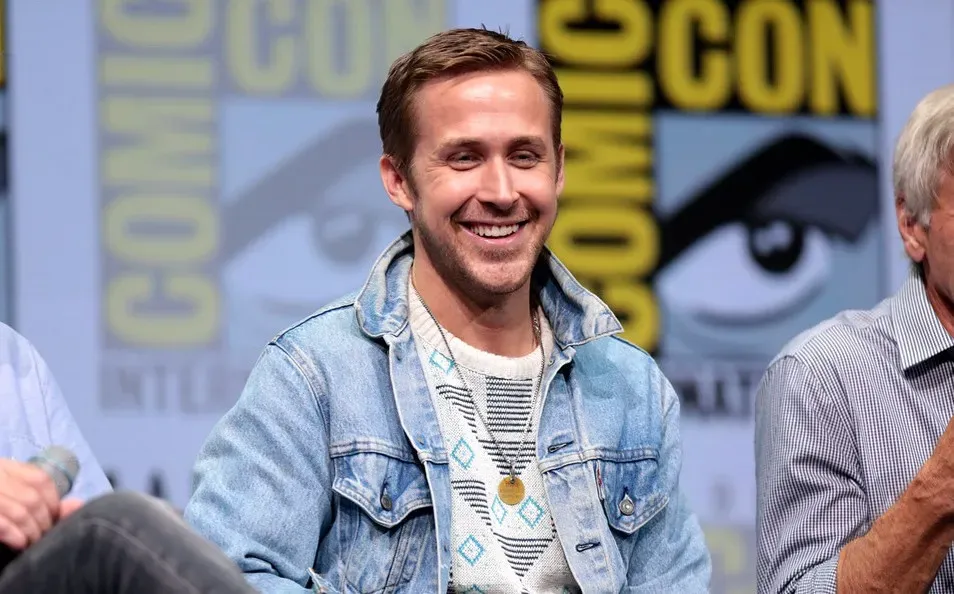
Ryan Gosling was fired from The Lovely Bones because of his looks, in a sentence that is hard to believe. According to Gosling, director Peter Jackson was unhappy that the actor had gained 60 pounds specifically for the role. Miscommunication in pre-production left both actor and director not knowing what the other had planned, so just as the film was supposed to start filming, Gosling was dropped and Mark Wahlberg stepped in.
Partner offer
During a 2010 conversation with The Hollywood Reporter, Gosling revealed that he “really believed the character should be 210 pounds,” and that he had been melting Häagen-Dazs and drinking it when he was thirsty in order to gain the necessary weight. Peter Jackson’s wife Fran Walsh offered a different version of events, claiming that Gosling had come to them several times saying he was not right for the role, and that it became increasingly clear during pre-production that he was so uncomfortable moving forward. Regardless of who told it straighter, the outcome was the same: a costly, awkward parting that left Gosling without a role he had physically transformed himself to play.
Edward Norton as Bruce Banner in the MCU
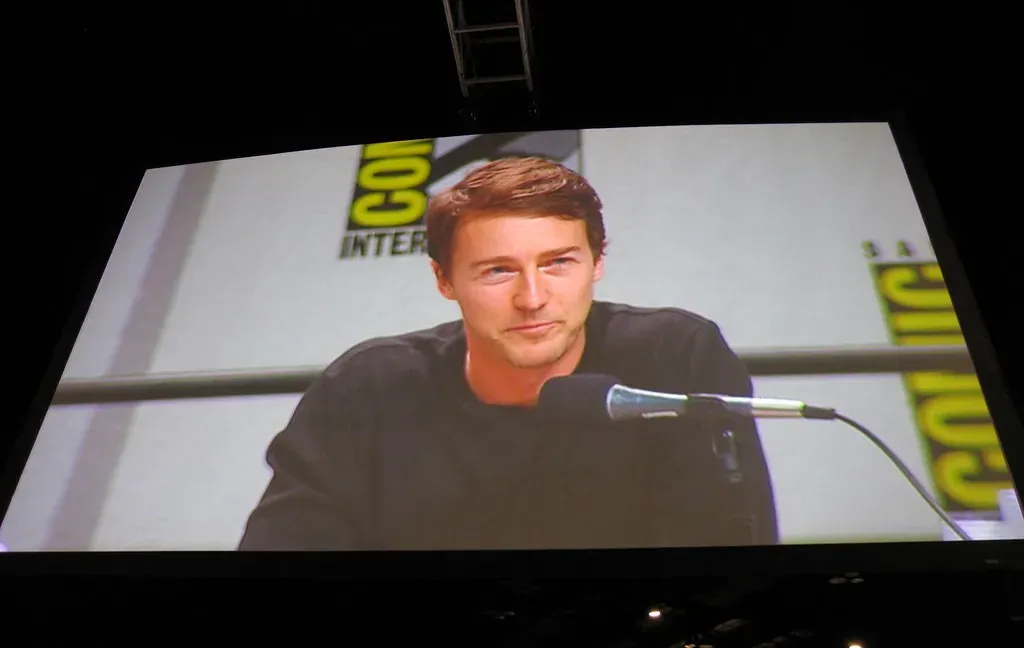
The second film in the Marvel Cinematic Universe, The Incredible Hulk (2008), starred Edward Norton as Bruce Banner, but he was quickly replaced by Mark Ruffalo in The Avengers. Norton’s departure reportedly came down to creative differences, while Ruffalo brought a more down-to-earth, team-friendly version of the character. The change was notable because Norton is not an actor studios casually sideline, suggesting the behind-the-scenes tension was genuine.
Ruffalo was actually the original first choice for Hulk before Norton entered the picture. When Ruffalo took over the role, the Hulk’s look was altered to represent his physical likeness. The actor has been so strongly associated with the Hulk that many have forgotten the character was first portrayed by a different actor in the MCU. That is perhaps the clearest measure of how complete the transition turned out to be, a recast so successful that it effectively erased its own backstory from casual memory.
Katie Holmes as Rachel Dawes in The Dark Knight (2008)
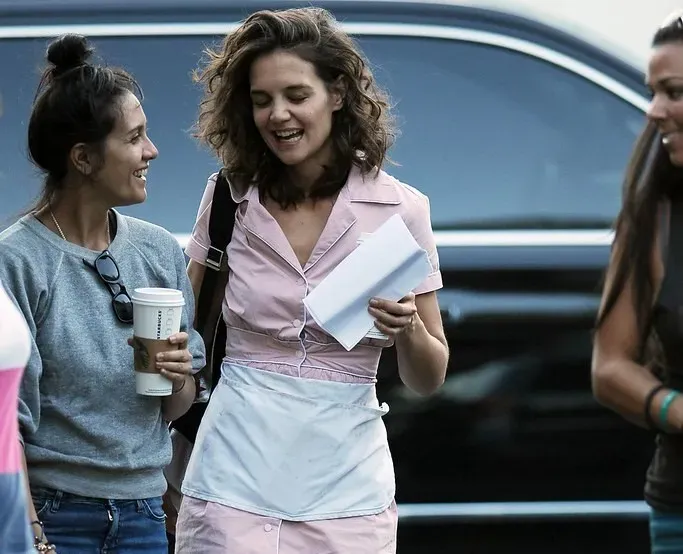
Christopher Nolan wanted Katie Holmes to portray Rachel Dawes for both Batman movies, but because of scheduling and personal problems, she had to refuse it. Maggie Gyllenhaal replaced Holmes and acted in one of the best Batman movies ever. Holmes was originally set to return but dropped out of the commitment in favor of the 2008 crime comedy Mad Money, which made 26 million dollars worldwide compared to The Dark Knight’s one billion.
Rachel Dawes is such an integral part of Christopher Nolan’s Dark Knight trilogy that people commonly mistake the character for Batman comics canon, even though she is an original creation of the film series. The contrast between Holmes’s lighter presence in the first film and Gyllenhaal’s more grounded performance in the sequel is something longtime fans still debate. It stands as one of the cleaner examples of a recast that arguably improved the emotional weight of a franchise.
Chris Farley as Shrek (Unreleased)
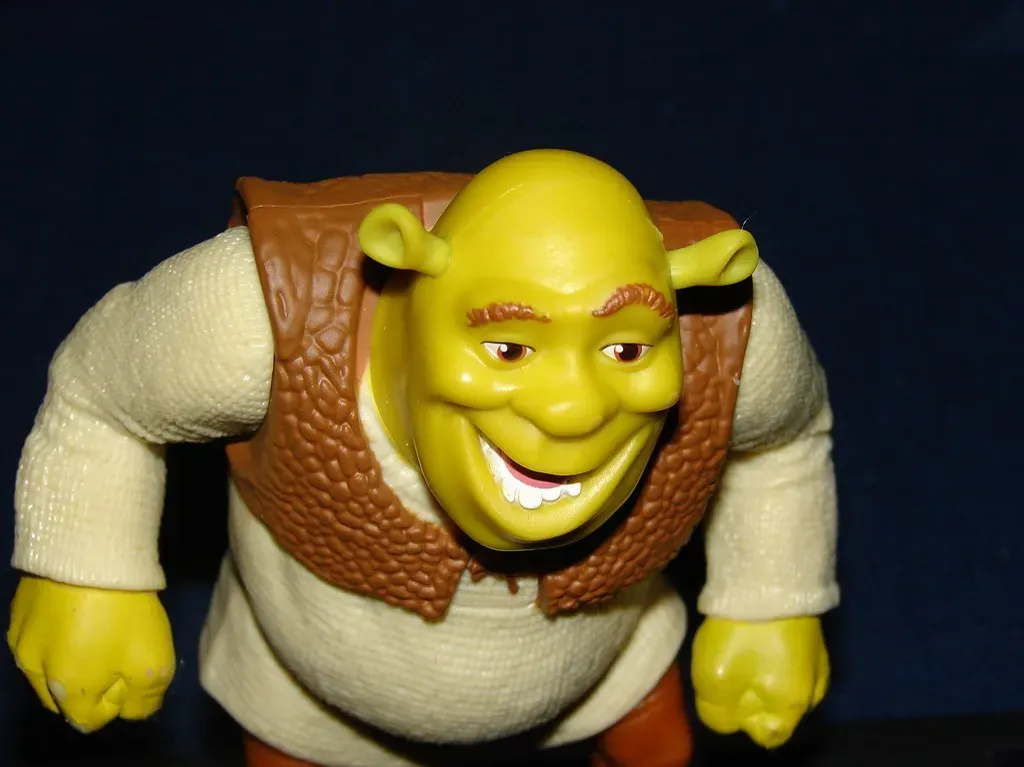
Mike Myers was brought in as a replacement after Farley’s death, and Farley’s version was scrapped entirely. Myers insisted on giving the character his signature Scottish accent, and the film went on to become one of the greatest animated movies of all time. Audio of Farley’s recording has leaked online, giving fans a glimpse of what the late actor would have brought to the role.
Farley had recorded a large portion of the dialogue before he passed away in December 1997. What the leaked audio reveals is a warmer, more straightforwardly comedic take on the character, rougher around the edges than what Myers eventually delivered. The version that reached theaters in 2001 became a global phenomenon, but the shadow of what could have been has followed the film for decades. It remains one of Hollywood’s most quietly haunting casting what-ifs.
John Travolta as Forrest Gump (1994)
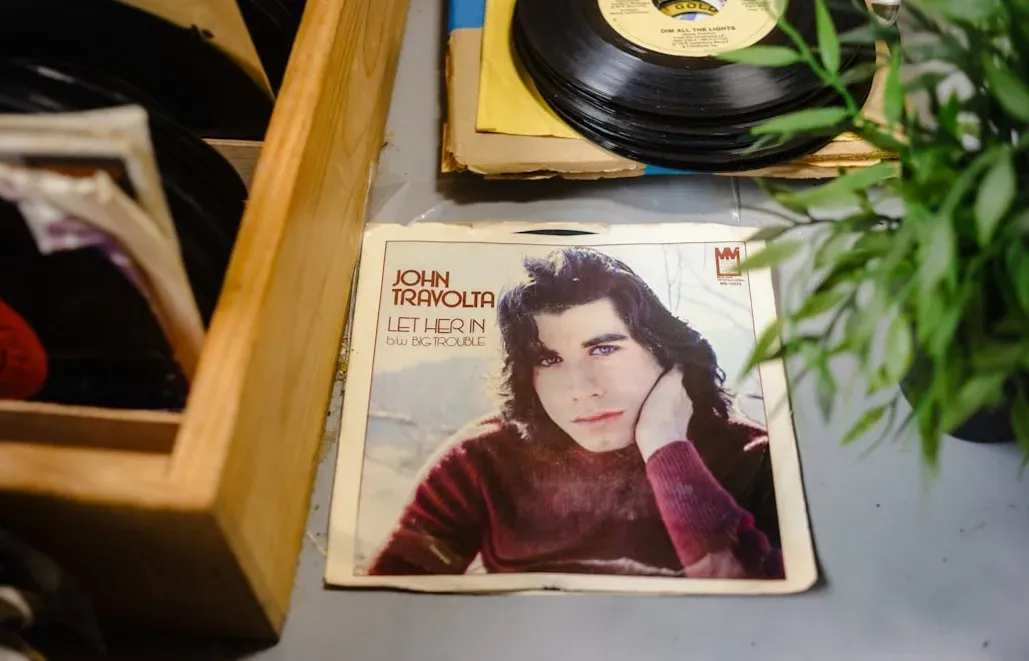
The role of Forrest Gump was written with John Travolta in mind. He turned it down and later admitted he regretted it. Considering Forrest Gump became the highest-grossing film in North America in 1994, it’s easy to understand why. The romantic drama made over 677 million dollars while playing in theaters, and the film won seven Academy Awards including Best Film, with Tom Hanks taking home the Oscar for Best Actor.
Travolta’s decision was not without context. He was navigating a complicated stretch of his career at the time, and it was only later, after watching Hanks deliver what many consider one of the defining performances of the decade, that the weight of the choice became clear. In an alternate reality, when you find Forrest Gump on TV, it’s Kevin Costner in the main role instead of Tim Robbins – but Costner was also offered the role before Robbins, turning it down to appear in another film. Multiple actors took a pass on the same film, which makes Hanks’s eventual casting feel, in retrospect, like the only outcome that was ever really going to work.
Partner offer
Planning a trip to Vegas?
Compare hotel rates and show tickets on VEGAS.com.