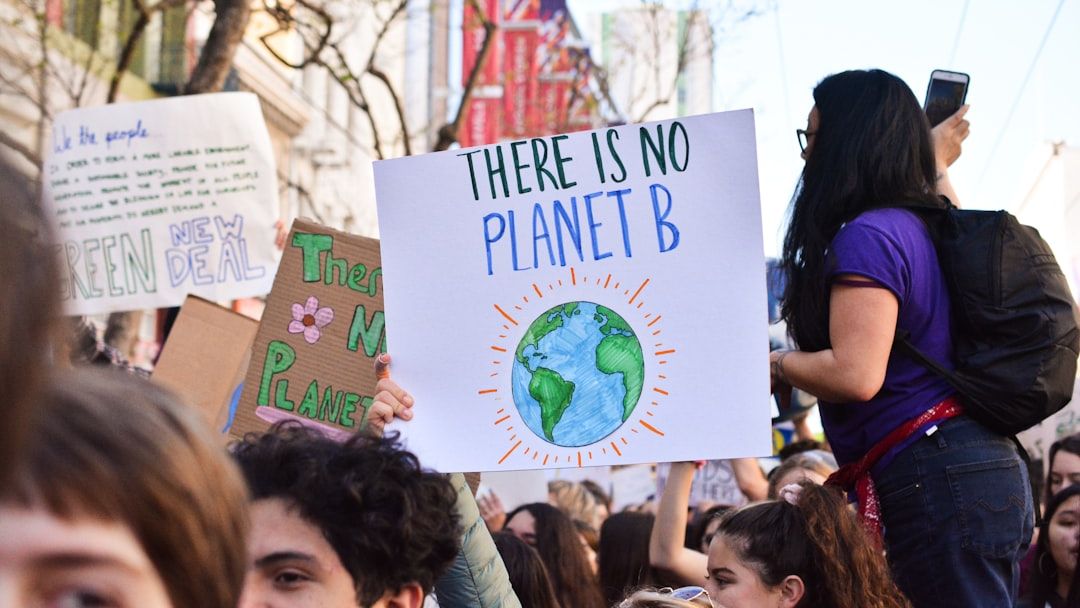
‘Missing the moment’: Budget 2026 misses the mark on climate and nature – Image for illustrative purposes only (Image credits: Unsplash)
Australians continue to shoulder the risks of energy insecurity and rising costs tied to fossil fuel dependence, even as the latest federal budget leaves major subsidies untouched. The announcement, delivered last night, drew immediate pushback from environmental advocates who point to a $19 billion annual package of support for the gas sector through direct payments and forgone tax revenue. This approach comes against the backdrop of a global energy crunch triggered by international conflict, underscoring how continued reliance on these fuels leaves households and communities exposed.
Continued Subsidies for Gas Exports
The budget decision to forgo a proposed 25 percent tax on gas exports has preserved a significant financial advantage for the industry. Instead of redirecting those resources toward essential public services or faster renewable rollout, the government opted to maintain existing arrangements. This choice stands in contrast to widespread public calls for stronger measures that could ease pressure on household energy bills while accelerating the shift to cleaner sources.
Stakeholders across the energy sector now face a clearer picture of policy stability for fossil fuel operations in the near term. Regional communities that rely on stable energy supply see little immediate change, while advocates for reform note the lost chance to fund programs that directly benefit everyday users. The practical effect is a slower pace for household adoption of solar and other renewables, as existing support schemes receive no expansion.
Renewable Energy Programs Hold Steady
Programs that help Australian households move toward renewable energy remain at current funding levels rather than growing to meet demand. This maintenance approach means families interested in rooftop solar or efficiency upgrades will continue to access the same level of assistance as before. Yet the absence of new investment limits the scale of uptake at a moment when global events have made the case for faster transition more urgent.
Without additional resources, the timeline for widespread renewable integration stretches further into the future. Households in both urban and regional areas stand to feel the difference through sustained exposure to volatile fossil fuel prices. The decision also affects businesses seeking to lower their own energy costs through clean technology, leaving them to navigate the transition with existing tools only.
Funding for Nature Laws Moves Forward
One area that received notable new support involves the rollout of national nature law reforms. The allocation aims to strengthen protections for ecosystems and wildlife, addressing long-standing gaps in enforcement and monitoring. Environmental groups have welcomed this step as a necessary foundation for halting species decline.
Even so, the overall investment in environmental protection remains below the threshold required to reverse current trends in biodiversity loss. Critical habitats continue to face pressure from development and climate impacts, with limited new resources available for on-ground restoration work. Conservation organisations now turn their attention to how effectively the new laws can operate within these funding constraints.
Key Areas Left Unaddressed
- Expanded support for household renewable adoption
- Stronger measures to hold fossil fuel companies accountable for environmental damage
- Increased resources for regional climate diplomacy during Australia’s year chairing global talks
- Additional funding to close the gap on wildlife extinction prevention
Looking Ahead for Policy and Communities
The budget’s choices leave open questions about how quickly Australia can reduce its dependence on gas and coal. Communities already experiencing the effects of extreme weather and energy price swings have fewer new tools to build resilience. Industry players gain continued certainty, yet the broader economy misses an opportunity to redirect resources toward long-term stability.
David Ritter, chief executive of Greenpeace Australia Pacific, noted that the government demonstrated resolve on housing access for younger Australians and must now apply similar determination to energy and environmental priorities. The coming months will reveal whether further adjustments can address the shortfall before the next budget cycle. For many citizens, the core issue remains whether policy will place everyday well-being ahead of established industry interests.