There is something deeply unsettling about a road that looks perfectly normal one minute and becomes a deadly river the next. Low-water crossings are exactly that kind of trap. They sit quietly in valleys, rural communities, and desert regions across the country, posing little obvious threat on a dry afternoon.
Yet when the skies open up, these innocuous-looking road dips can transform within minutes into violent, vehicle-swallowing currents. The science is clear, the warnings are constant, and still people die every year at these crossings. Let’s get into what makes them so dangerous, and why the problem is far from solved.
What Exactly Is a Low-Water Crossing?

A low-water crossing is a section of road, without a bridge, that dips through a usually dry creek bed or drainage area. Think of it like a paved ford across a creek. In dry weather, it looks no different from any other stretch of road. That familiarity is part of what makes it lethal.
Flash floods are the most dangerous kind of floods precisely because they combine the destructive power of a flood with incredible speed, occurring when heavy rainfall exceeds the ability of the ground to absorb it. When that water has nowhere else to go, it funnels directly toward the lowest points on the landscape, and low-water crossings are exactly that.
Low spots, such as underpasses, underground parking garages, basements, and low water crossings can become death traps with almost no warning at all. Once floodwater is rushing over that familiar stretch of road, it is already too late for many drivers.
The Shocking Physics of Moving Water
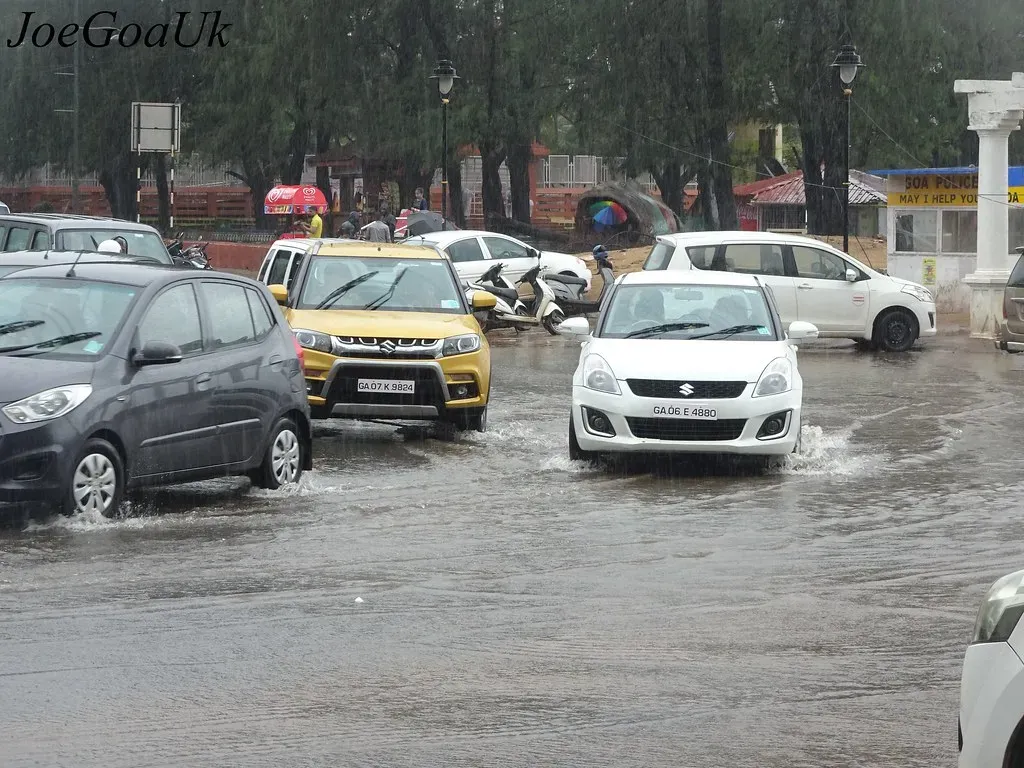
Here’s the thing most people genuinely do not grasp until it is far too late: water does not need to be deep to kill you. The physics are startling. A mere 6 inches of fast-moving flood water can knock over an adult. It takes just 12 inches of rushing water to carry away most cars, and just 2 feet of rushing water can carry away SUVs and trucks.
That is essentially knee-deep water sweeping away a full-size pickup truck. I know it sounds crazy, but the force is real. According to fluid dynamics, water weighs about 62.4 pounds per cubic foot and typically flows downstream at 6 to 12 miles per hour. When an automobile stalls in the water, the water’s momentum is transferred directly to the car, and for every foot the water rises, 500 pounds of lateral pressure are applied to the vehicle.
For every foot the water rises up the side of the automobile, the car effectively displaces 1,500 pounds of water, meaning the vehicle weighs 1,500 pounds less for every foot the water rises. As a result, most vehicles will float in just two feet of water. That is not a metaphor. That is engineering.
Flash Floods Strike Without Warning
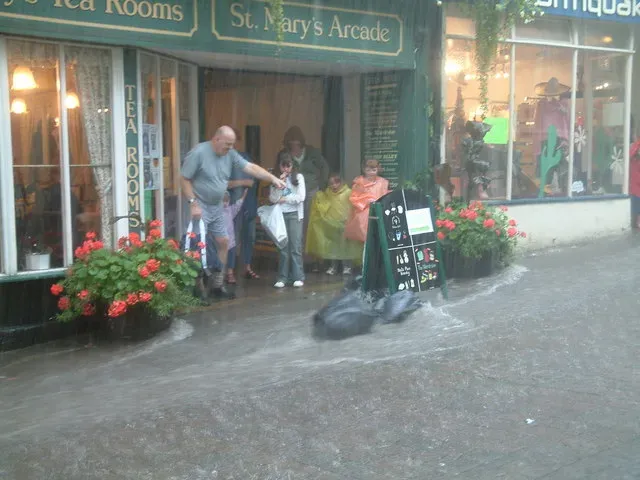
Flash floods are distinguished from regular floods by having a timescale of fewer than six hours between rainfall and the onset of flooding. That window sounds like enough time. In practice, it rarely is. Regular floods build over a more prolonged period of time, but flash floods happen with shocking speed, often within 30 minutes of precipitation.
A creek only 6 inches deep in mountainous areas can swell to a 10-foot deep raging river in less than an hour if a thunderstorm lingers over an area for an extended period of time. The terror of that statistic is real. One hour. A casual Sunday drive can turn catastrophic in that window.
Sometimes the thunderstorms that produce the heavy rainfall happen well upstream from the impacted area, making it harder to recognize a dangerous situation. You could be standing under blue skies at a low-water crossing while a storm miles away is sending a wall of water directly toward you.
The Death Toll: Vehicles Are the Biggest Risk Factor
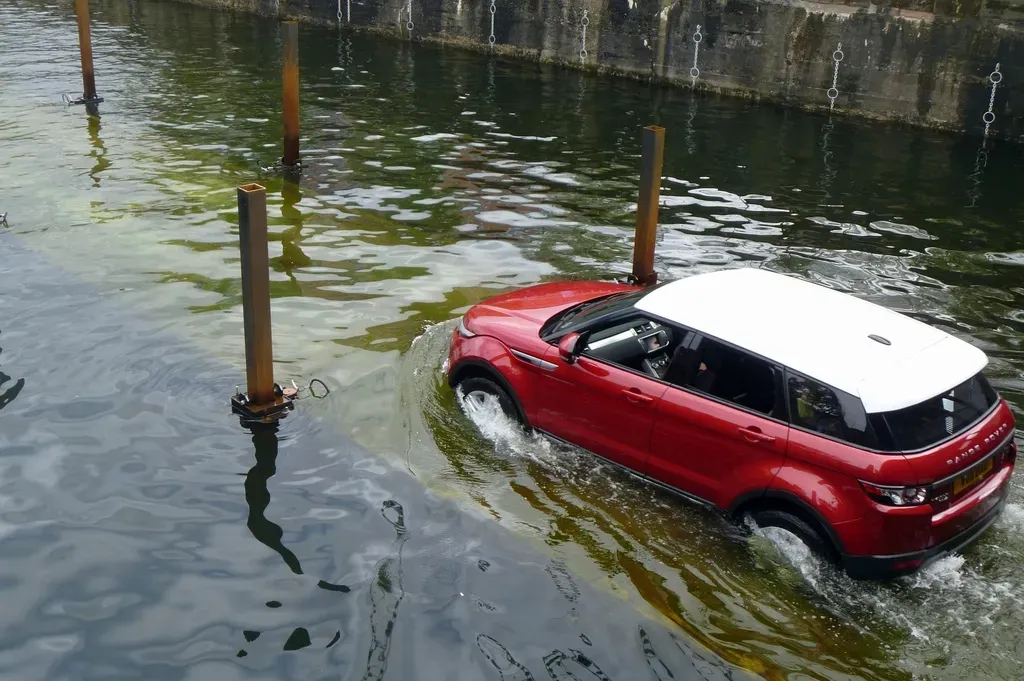
Each year, more deaths occur due to flooding than from any other thunderstorm-related hazard. The Centers for Disease Control and Prevention report that over half of all flood-related drownings occur when a vehicle is driven into hazardous flood water. That is not a minor footnote. That is the central, dominant cause of death in these events.
The next highest percentage of flood-related deaths is due to walking into or near floodwaters. People underestimate the force and power of water, and many deaths occur in cars swept downstream. The pattern is consistent and tragic. Flash floods are a significant hazard, causing more fatalities in the U.S. in an average year than lightning, tornadoes, or hurricanes.
More than half of all low-water crossing vehicle-associated deaths occur at night. Under conditions of low visibility, the vulnerability of the driver and passengers to the hidden hazard is significantly magnified. Darkness and fast-moving water are a combination that is almost impossible to survive.
Texas: The Nation’s Ground Zero for Low-Water Crossing Deaths
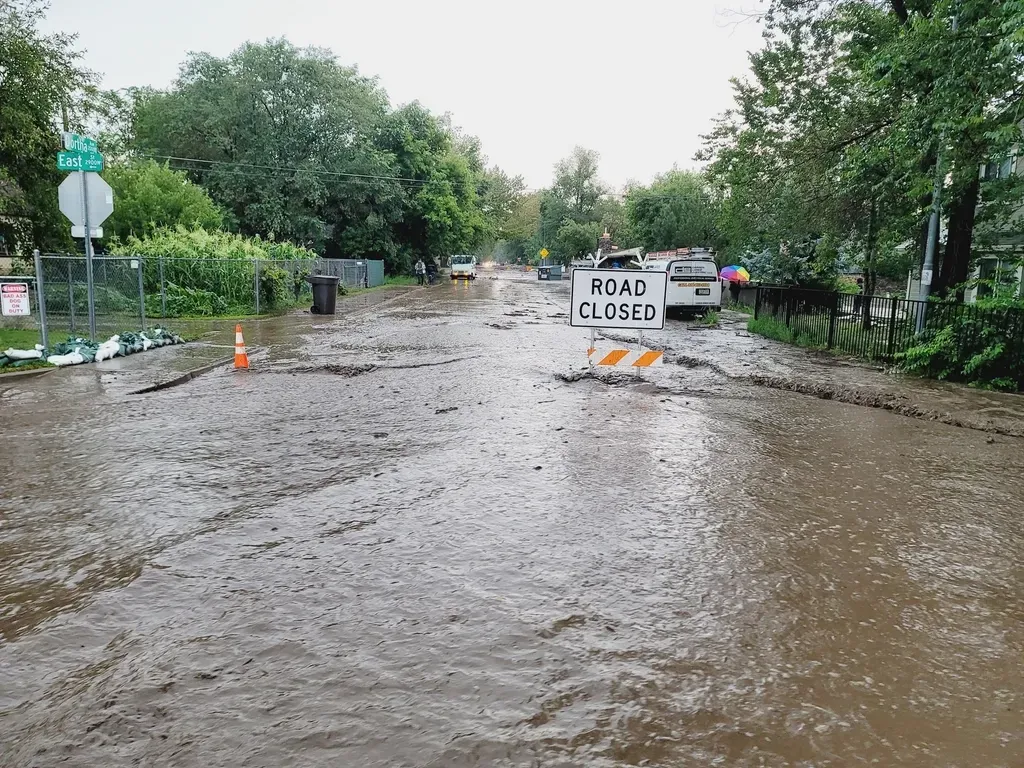
Honestly, no other state in the country comes close to Texas when it comes to the sheer scale of this problem. Central Texas has been identified as the most flash-flood-prone area in the United States by the National Weather Service. That designation is not just a warning label. It reflects decades of repeated tragedy.
Partner offer
Texas leads the nation in flood-related deaths most every year, averaging twice the next nearest state, California. According to the 2024 Texas State Flood Plan, Texas has approximately 9,000 low-water crossings statewide. That is a staggering number of potential death traps scattered across the landscape.
According to Texas’s own state flood plan, more than 70 percent of all flood fatalities in Texas occur when people try to cross flooded low-water crossings. That single statistic is almost impossible to fully absorb. Seven out of ten flood deaths in the state happen at these crossings specifically.
Austin’s 200-Year Problem
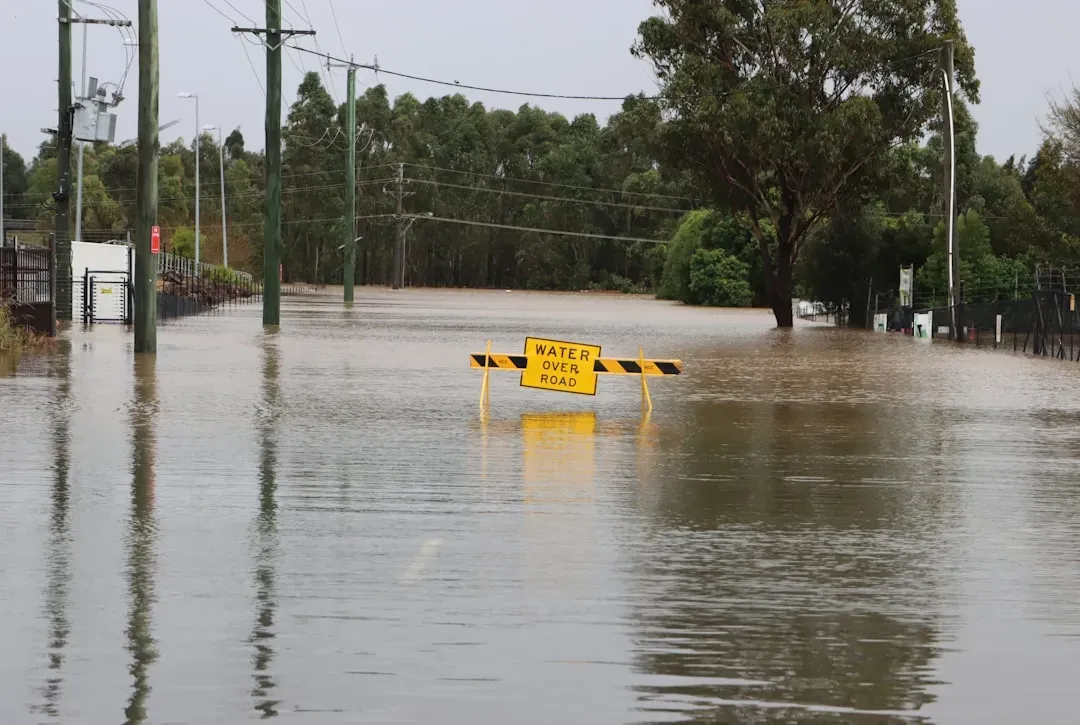
Austin, Texas, is one of the fastest-growing cities in America. It is also sitting on top of a low-water crossing crisis that, at current rates of repair, will take longer to fix than the United States has existed as a nation. Austin has 67 low-water crossings monitored at ATXfloods.com, but the city can fix only about one crossing every three years.
At the current pace of about one upgrade every three years, it would take more than 200 years to eliminate them all. Let that land for a second. Two hundred years. Children alive today will not see the problem resolved. The city maintains an internal list of the 20 crossings most in need of repairs, based on how often they flood and how fast the water moves over them, and it has a public map of the crossings that most frequently flood.
The crossing next in line for repair is on McNeil Drive, where a tributary of Walnut Creek regularly overwhelms the two drainage pipes beneath the road. Even minor storms can force closures, cutting off a Northwest Austin neighborhood that has only one other way in.
The Guadalupe River Valley: A Recurring Tragedy

The Texas Hill Country, particularly the Guadalupe River valley, has a long and heartbreaking history of low-water crossing disasters. Since 1932, approximately 35 lives have been lost in floods in Kerr County alone, and many of those lost were in vehicles attempting to cross flooded roads.
Rural areas like Hunt are full of single-lane bridges known as low-water crossings that easily flood and create scattered islands of land that become impassable. Those same locations have inconsistent cell service and are hard to reach for first responders. When those crossings go underwater, communities become completely cut off.
Many of the flash floods in these valleys happen very quickly, often within minutes of rainfall intensifying. Despite warnings from the National Weather Service, the speed and severity of the floodwaters continues to take people by surprise. The terrain itself amplifies the danger, funneling huge volumes of water through narrow passages with terrifying force.
Turn Around, Don’t Drown: The Rule That Still Gets Ignored

The Federal Emergency Management Agency and the National Weather Service have pushed one safety message above all others for years. A broadcaster stating a flash flood warning is in effect may remind viewers to “turn around don’t drown” at flooded low-water crossings. The campaign is everywhere. The deaths continue anyway.
Floodwaters often rise so quickly that authorities cannot close a road in time. Some motorists never see the high water until it is too late because of poor visibility due to darkness or heavy rain. Never assume that because you made it across a flooded low-water crossing in the past that you will make it the next time. Never be tempted to drive into floodwater because it appears shallow. Looks are deceiving, and the roadway beneath may not even be intact.
Research shows the main causes of these accidents are rooted in driver behavior, including underestimating risk, overconfidence, overvaluation of their own driving skills, lack of awareness about car drag and buoyancy risks, and social pressure. In other words, people know the danger exists. They just cannot bring themselves to believe it applies to them, right now, on this familiar road.
Conclusion
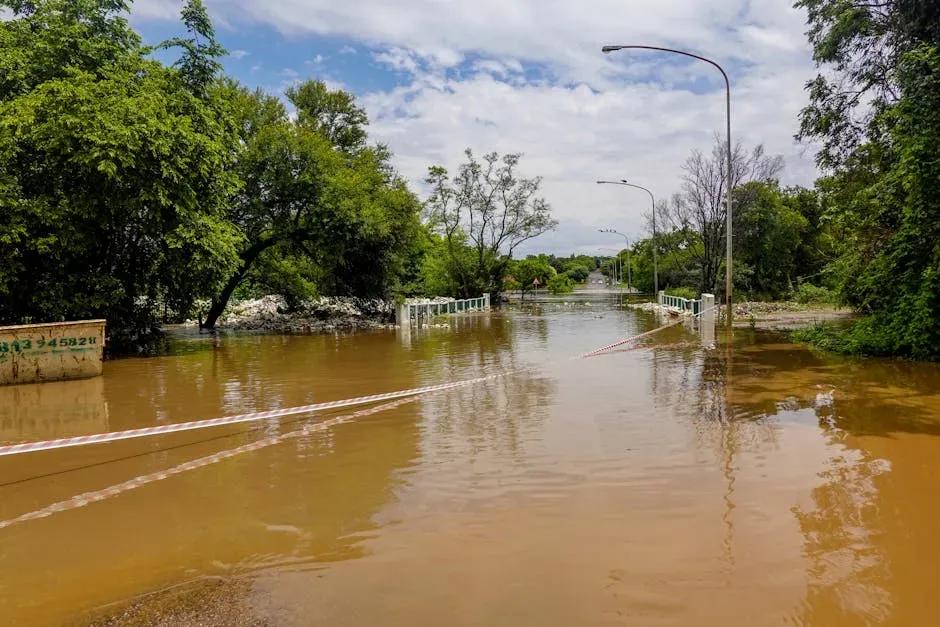
Low-water crossings are not a mysterious or obscure hazard. The data is clear, the research is consistent, and the warning signs are literally posted on roads across the country. Low-water crossings are one of the most dangerous places to be during a flash flood, and according to the Texas A&M Transportation Institute, most flood deaths in Texas each year happen at these exact locations.
In the U.S., floods kill more people each year than tornadoes, hurricanes, or lightning. Yet somehow, the mental image most people have of a “natural disaster” is a tornado or a hurricane, not a seemingly calm road dip filling with muddy water on a rainy afternoon.
The physics do not care about your confidence. The current does not negotiate. If you ever find yourself approaching a flooded low-water crossing, the only correct decision is the one the signs have been telling you for decades: turn around. No destination is worth your life. What would it take for more people to finally listen?
Partner offer
Planning a trip to Vegas?
Compare hotel rates and show tickets on VEGAS.com.