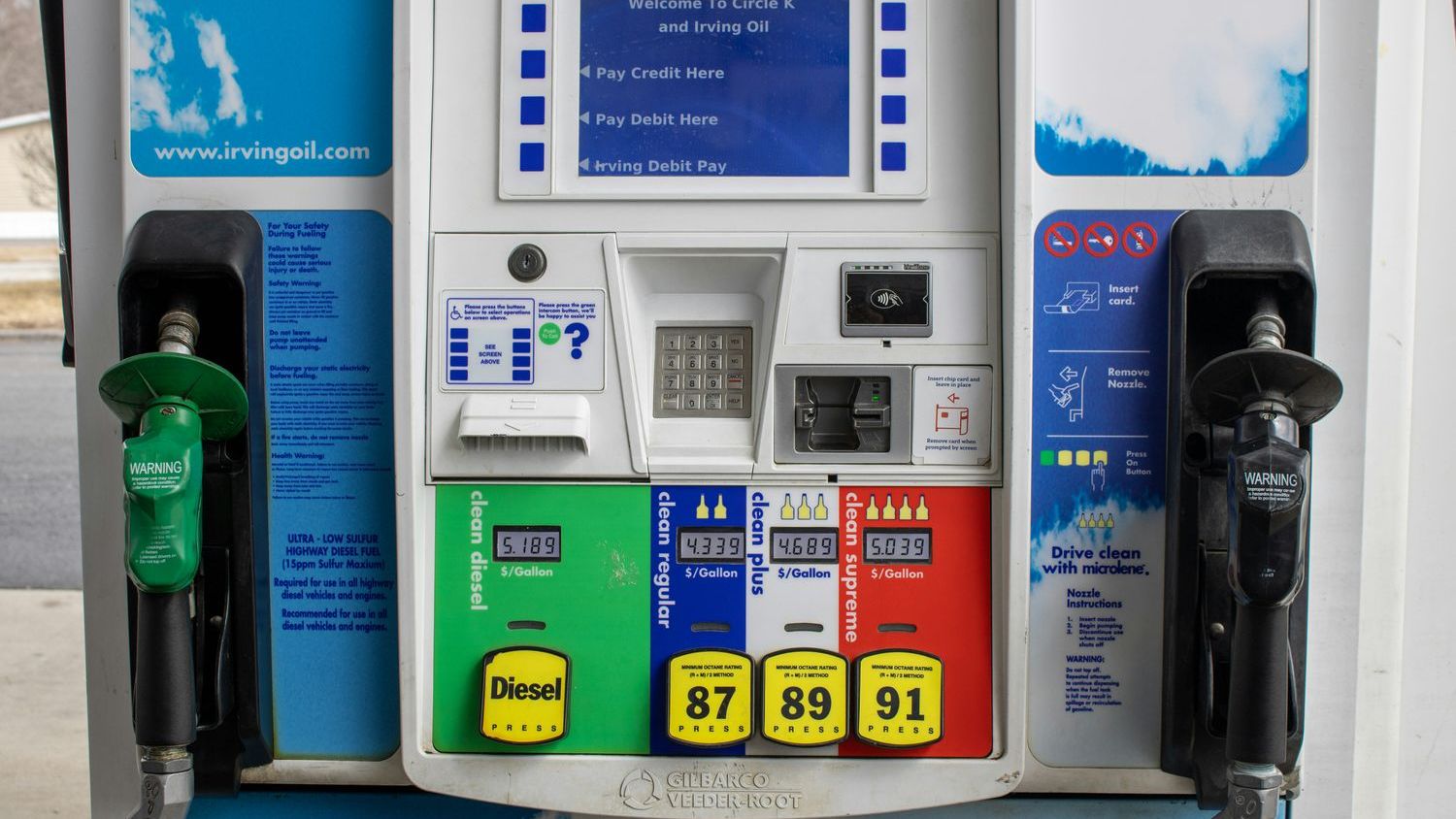
Gas prices top $4 in every state – Image for illustrative purposes only (Image credits: Unsplash)
Gasoline prices have crossed the $4-per-gallon mark in every U.S. state, a development that has not occurred since the start of the conflict in Iran. The milestone reflects sustained pressure on global supply chains and has drawn immediate attention from drivers, businesses, and policymakers alike. In Nevada, the change arrives at a time when many residents and visitors rely heavily on personal vehicles for daily travel and tourism routes into Las Vegas.
National Threshold Crossed
The uniform rise above $4 per gallon marks a clear shift from earlier patterns, where some states had remained below the line even as others climbed higher. Analysts trace the latest movement directly to disruptions tied to the Iran war, which began affecting oil flows and refining capacity months ago. With prices now highest in several regions, the national average has settled well above previous benchmarks.
Transportation costs for goods and services have started to reflect the increase, though the full extent of those adjustments remains under review by industry groups. Motorists across the country report filling up less frequently or adjusting routes to manage expenses. The situation has prompted renewed discussion in Congress about energy policy and reserve releases.
Impact on Nevada Drivers and Visitors
Nevada residents face the same $4-plus reality at the pump, with many commuters in the Las Vegas valley noting higher weekly fuel budgets. Tourists driving into the state for entertainment and business travel encounter the added cost as well, particularly on longer stretches of highway. Local trucking firms that supply casinos, restaurants, and retail outlets have begun passing along portions of the increase through delivery fees.
Partner offer
State officials have highlighted the need for continued monitoring of price trends to protect consumers. Some drivers have shifted toward carpooling or public transit options where available, while others explore more fuel-efficient vehicles for future purchases. The change affects both urban centers and rural communities that depend on longer drives for essential services.
Practical Steps for Motorists
Experts recommend tracking local station prices through apps and timing fills during off-peak hours when possible. Maintaining proper tire pressure and reducing excess weight in vehicles can improve efficiency without major lifestyle changes. Nevada drivers may also benefit from checking state resources for any temporary relief programs under consideration.
Businesses that operate vehicle fleets are reviewing routes and scheduling to limit exposure to the higher rates. The combination of these adjustments helps contain costs while the broader market responds to the ongoing situation in Iran.
Key points to watch: sustained supply constraints from the Iran war, regional price variations that remain highest in select markets, and ongoing effects on Nevada households and tourism traffic.
The current environment underscores how quickly energy markets can shift when geopolitical events intersect with daily life. Drivers in Nevada and across the country continue to adapt as the situation develops.
Partner offer
Planning a trip to Vegas?
Compare hotel rates and show tickets on VEGAS.com.