If you’ve lived in Las Vegas for any length of time, you’ve probably noticed the white, crusty buildup around your faucets and showerheads. It looks harmless enough, almost like dried soap. Yet what many homeowners don’t realize is that same mineral residue is quietly accumulating inside their appliances, where it’s much harder to see and even harder to remove. The water flowing through your pipes might meet federal safety standards, yet it carries something that’s slowly eating away at the lifespan of nearly every water-using appliance in your home.
Let’s be real, the desert isn’t exactly known for soft, pure water. Southern Nevada gets about 90 percent of its water supply from the Colorado River, and by the time that water travels from the Rocky Mountains down through limestone and mineral-rich terrain, it picks up a heavy load of dissolved minerals. Hardness levels came in at an average of 304 parts per million, according to the Las Vegas Valley Water District’s 2024 water quality report. To put that in perspective, anything reading more than about 180 ppm is considered “very hard,” according to the U.S. Geological Survey. So yeah, Vegas water isn’t just hard – it’s extremely hard. The question isn’t whether this will affect your appliances, it’s how soon you’ll notice the damage.
Your Water Heater Works Overtime and Burns Out Faster
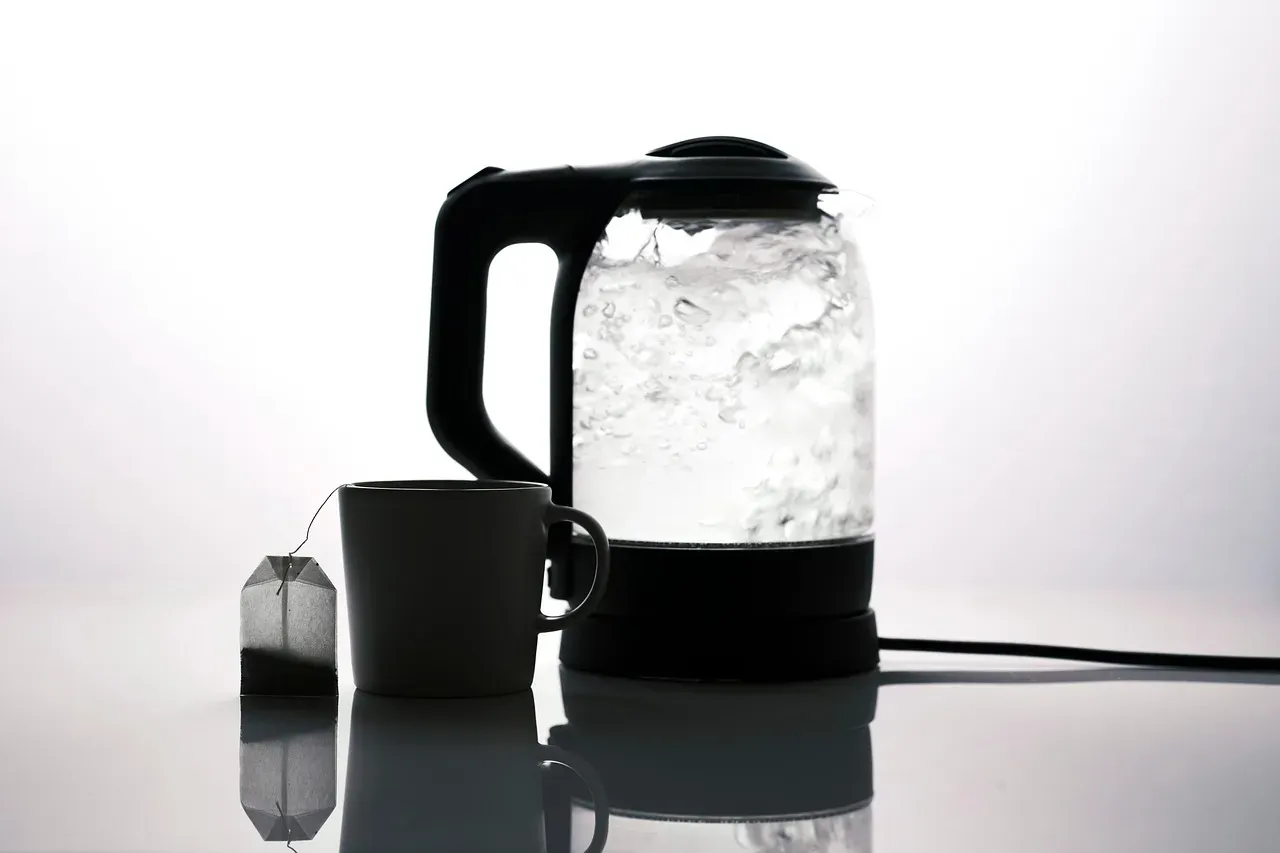
Water heaters take the biggest hit from hard water, particularly in a place like Las Vegas. Think about it: every single gallon of water that gets heated in your home passes through that tank or heating element, leaving behind a little bit of mineral residue each time.
As mineral deposits accumulate inside the water heater, the appliance has to work harder to heat the water, leading to reduced efficiency and increased energy consumption. The insulating effect of the scale means that the heating elements have to stay on longer to achieve the desired water temperature. Over months and years, that layer of scale acts like a blanket wrapped around the heating element, forcing it to run longer and hotter just to get your water warm.
Studies show water heaters affected by hard water can use up to 25 percent more energy than those operating with soft water. That’s not just an inconvenience; it’s money disappearing from your wallet every month. Even worse, water heaters exposed to hard water have a shorter lifespan compared to those maintained with soft water, which means you’ll be replacing that expensive appliance sooner than you should have to.
Your Dishwasher Leaves Spots and Struggles to Clean
Ever pull dishes out of the dishwasher only to find them covered in a cloudy film or white spots? That’s not a detergent problem – it’s a Las Vegas water problem.
The dishwasher is affected by hard water due to the formation of limescale within it, which affects both its cleaning performance and lifespan. Limescale is the result of mineral deposits accumulating on the interior components of the dishwasher. Over time, this buildup will delay the flow of water, reduce the effectiveness of detergent, and even clog the spray arms. When those spray arms get clogged, water can’t reach all your dishes properly, leaving you with half-clean plates and the frustration of having to rewash everything by hand.
It’s not just about appearance, either. In dishwashers, limescale clogs spray arms, reducing cleaning power and leaving spotty dishes. Honestly, if you’re constantly adding rinse aid or running extra cycles and still seeing residue, your dishwasher is probably already losing the battle against mineral buildup.
Your Washing Machine Leaves Clothes Stiff and Faded
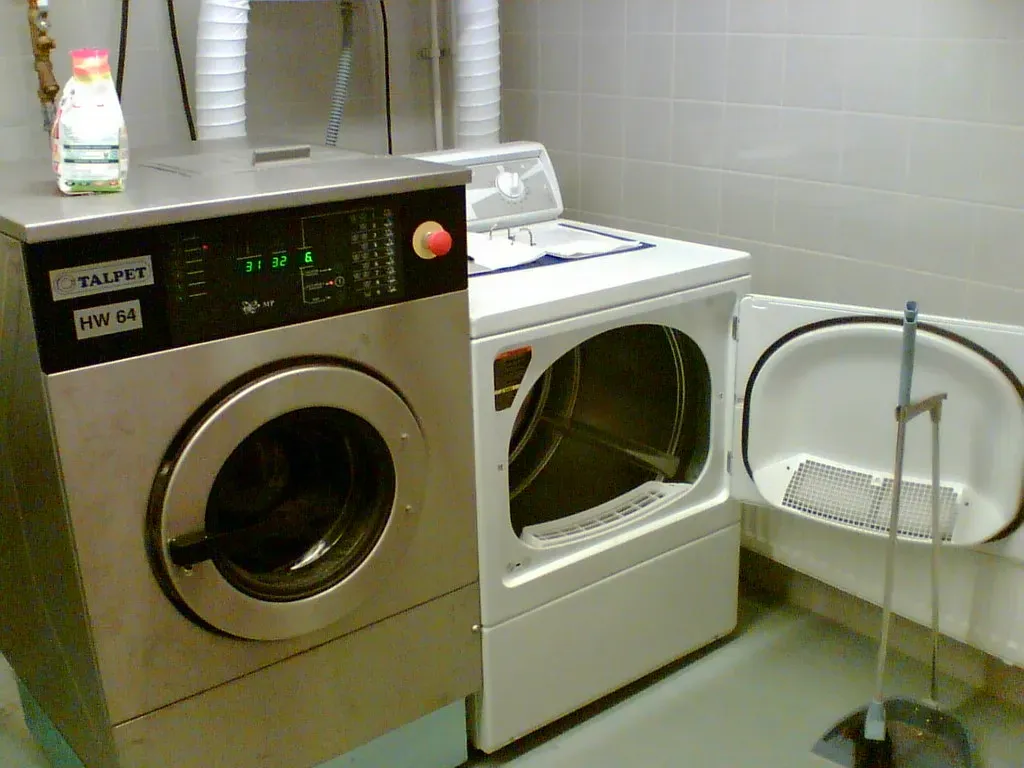
Hard water doesn’t just ruin appliances – it also ruins what goes inside them. If your clothes feel scratchy after washing or towels have lost their fluff, mineral deposits are likely to blame.
Hard water makes detergents less effective and can leave residue in your washing machine and on your clothes. It also causes your clothes to fade faster and become stiff over time. The calcium and magnesium in Vegas water react with soap, forming a sticky residue that clings to fabric fibers. That’s why your black shirts start looking gray and your bath towels feel like sandpaper after a few months.
Inside the machine itself, things are even worse. The minerals in hard water can lead to the build-up of limescale inside the machine, particularly on heating elements and other internal components. This build-up can reduce the efficiency of the washing machine, causing it to use more energy to heat water and complete cycles. You might not see the damage happening, yet every load of laundry adds another thin layer of scale to the machine’s inner workings. Eventually, those deposits cause mechanical failure that costs hundreds of dollars to repair – or forces you to buy a whole new washer.
Reduced Water Pressure Makes Everything Take Longer
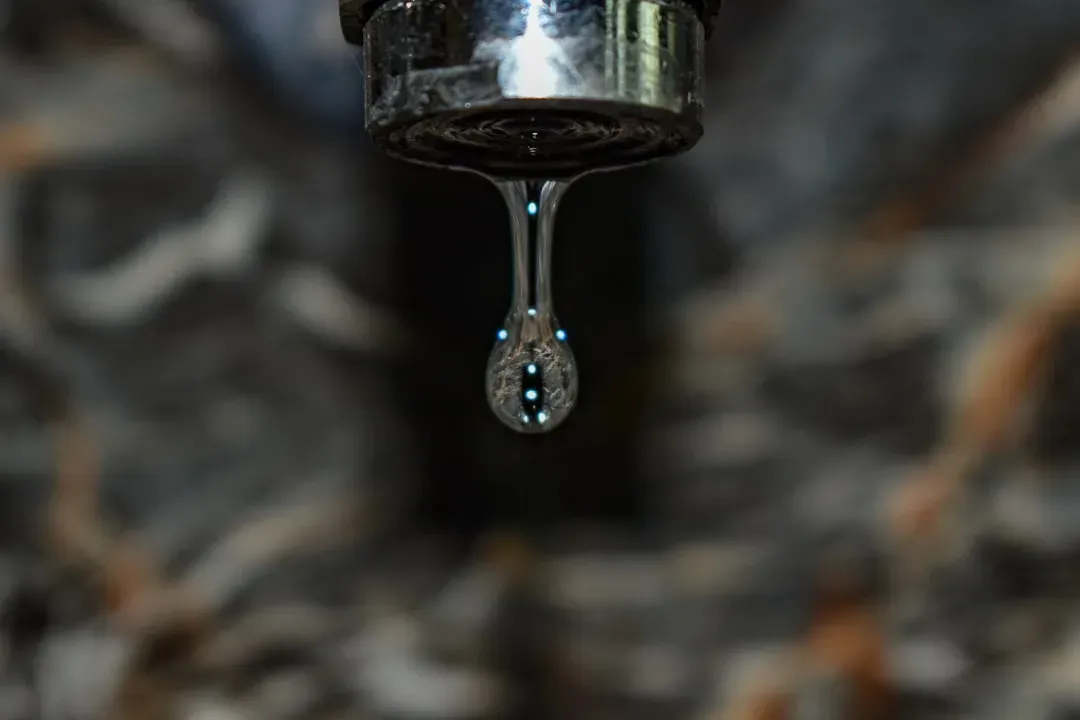
Have you noticed your shower isn’t as strong as it used to be? Maybe your kitchen faucet takes forever to fill a pot. That sluggish water flow isn’t always a problem with your plumbing – it’s often a symptom of mineral buildup restricting flow throughout your system.
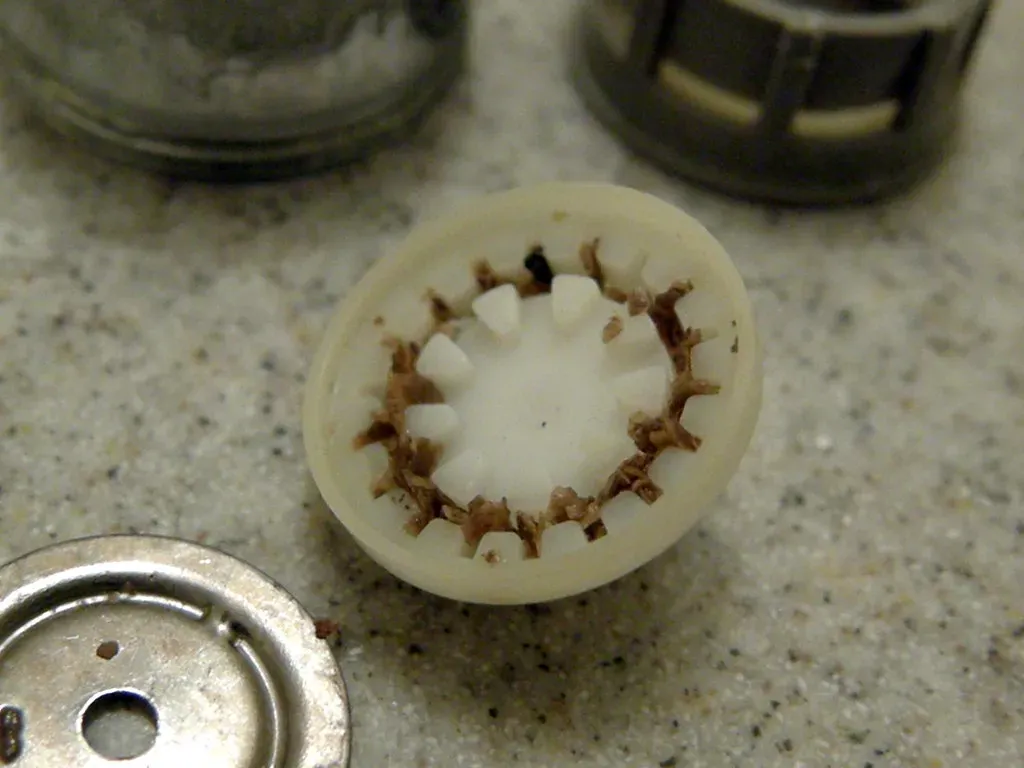
Limescale build-up can clog aerators and reduce water flow, leading to decreased efficiency and potential damage to your plumbing system. Aerators are those little mesh screens at the tip of your faucets, and they’re usually the first things to get choked with white, crusty deposits. You can unscrew them and soak them in vinegar, which helps temporarily. The real problem, though, is happening deeper in your pipes and appliances where you can’t easily reach.
Hard water’s mineral deposits gradually narrow your pipes, significantly reducing water flow and creating increased pressure that strains your entire plumbing infrastructure. This means every appliance connected to your water supply – from your ice maker to your coffee machine – has to work harder just to get the water it needs. Over time, that extra strain shortens the lifespan of everything in your home that uses water.
Strange Noises Signal Sediment Buildup in Your Tank
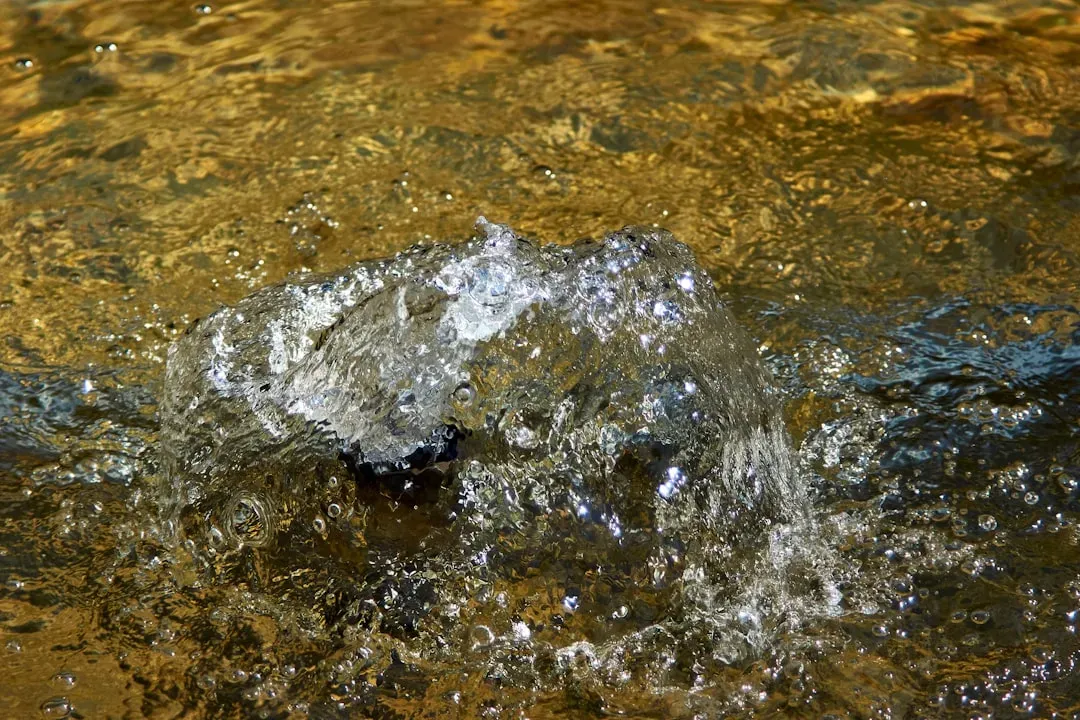
If your water heater has started making popping, banging, or rumbling sounds, that’s not normal. Those noises are a clear warning sign that hard water minerals have settled at the bottom of your tank and are causing serious problems.
The first thing you’ll notice is noises coming from your water heater caused by the accumulation of minerals and sediment. Because these minerals are heavier than water, they tend to settle and accumulate at the bottom of the tank. Popping noises are caused by water that is trapped under the layer of sediment. As the water heats up, it “pops” or bubbles up through the layer of sediment. It might sound kind of amusing at first, like your water heater is making popcorn. The reality is far less entertaining.
The long-term effects of scaling can result in a costly repair and could end up becoming dangerous if you ignore it for too long. Scaling causes a pressure imbalance in the water heater tank that might shut off the system or lead to overflow. It can also wear down the bottom of the tank so that the lining no longer protects against corrosion. When corrosion sets in, leaks aren’t far behind, and a leaking water heater can cause thousands of dollars in water damage to your home.
The good news? If the scaling isn’t bad, it’s a fairly easy problem to fix. The solution is to schedule water heater maintenance or a system flush. Catching it early can save you a lot of money and headaches down the road.
Conclusion
Living in Las Vegas means dealing with some of the hardest water in the country. While that water is perfectly safe to drink, it’s definitely not kind to your appliances. From water heaters working overtime to dishwashers that can’t get dishes clean, the mineral-rich Colorado River water is silently shortening the lifespan of nearly everything in your home that uses water.
The damage happens gradually, which makes it easy to ignore. Yet by the time you notice reduced water pressure, strange noises, or appliances breaking down prematurely, the mineral buildup has already done significant harm. Regular maintenance, flushing your water heater, and possibly installing a water softener can help protect your investment and keep your appliances running efficiently for years longer than they would otherwise.
Have you noticed any of these signs in your own home? Catching hard water damage early makes all the difference between a simple fix and an expensive replacement.