You’ve heard it happen dozens of times without really noticing. A trailer drops online, a song swells at just the right moment, and you catch yourself wondering where you know that track from. Then the movie comes out months later, and that exact song is nowhere to be found in the actual runtime. It’s not a mistake or an oversight. It’s the result of a licensing system that treats trailers and films as two entirely separate products, each with its own rules, buyers, and timelines. Understanding why requires a quick look at how the advertising side of the film industry actually works.
A trailer is legally its own product
The core reason this happens comes down to a simple legal fact: a trailer is an advertisement, not part of the film. Because a trailer is an advertisement for the film, it is licensed independently of the film itself, meaning a song in the trailer is one deal while the same song in the movie would be a second, separate deal. That distinction matters more than most people assume when they watch a two-minute preview.
This means a studio’s marketing team and its production team are essentially operating as two different clients when it comes to music rights. A trailer is not the film; it is an advertisement licensed separately from the movie, and a song can appear in the trailer and never show up in the film, or the reverse can happen just as easily. Neither side owes the other any obligation to match their music choices.
The film’s score usually doesn’t exist yet
Timing plays a bigger role in this than most viewers realize. Because the score for a movie is usually composed after the film is finished, which is long after trailers are released, a trailer will incorporate music from other sources. Studios need to start marketing a film well before editing wraps, let alone before a composer has delivered a single cue.
That production gap forces trailer editors to look elsewhere for music that fits the tone. When releasing a film to the public, the score is usually the very last thing completed, meaning there are enough finished scenes to cut a trailer long before any soundtrack exists. Editors fill that gap with whatever conveys the right mood, whether that’s a licensed pop song, a piece from another film, or library music built specifically for trailers.
Two separate licenses stand between a song and a trailer
Getting a song into a trailer isn’t a single signature. Every use needs both a sync license for the composition and a master use license for the recording, ideally cleared as a clean one-stop. Both pieces have to be secured before a single frame gets approved for release.
The composition and the recording are legally distinct properties, often controlled by different parties entirely. A synchronization license covers the underlying song and comes from the publisher or the writers, while a master use license covers the specific recording and comes from whoever owns the master. When those two rights are split across a label and an independent songwriter, clearances can take considerably longer than a trailer’s production schedule allows.
Trailer houses, not studios, pick the music
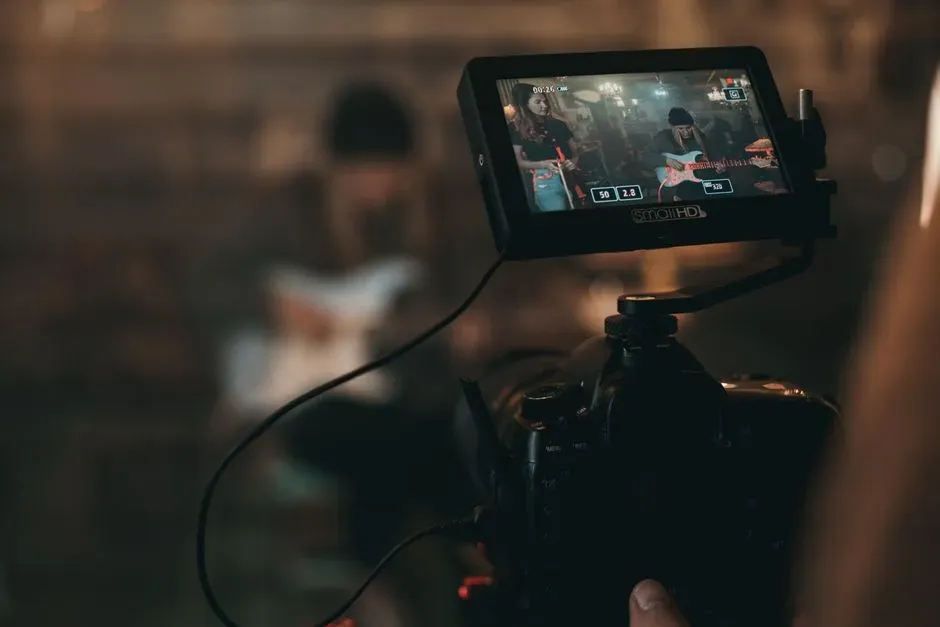
It’s easy to assume a director or a studio executive hand-picks trailer music, but that’s rarely how it works. The buyers are trailer houses, not studios; creative advertising agencies cut the trailers, and their in-house music supervisors and editors choose and clear the music, fed by trailer-focused libraries. The people making these choices are often working several campaigns at once, on tight deadlines, months before a film locks its final cut.
Because trailer houses answer to marketing deadlines rather than creative continuity with the finished film, their music choices are optimized for immediate emotional impact in a thirty or sixty second window. That’s a very different brief than scoring a two-hour narrative. It naturally produces different results.
Why the film’s own score is often missing from its trailer
This production gap explains a pattern longtime trailer-watchers have noticed for decades. The first film of a franchise is most likely to use borrowed music, whereas trailers for future entries tend to reuse music from the previous installments; most Star Wars trailers after the original film used portions of John Williams’ score, whereas the very first trailer for A New Hope used stock music instead. Once an original score does exist and gets approved, studios will sometimes cut new trailers that finally showcase it.
That’s why the trailer for a franchise’s opening film often feels musically disconnected from what audiences later associate with the series. The connection only forms in hindsight, once the actual score becomes iconic and gets folded into later marketing. Early promotional materials simply couldn’t wait around for that to happen.
A specific sound built for trailers, not for films

Trailer music has developed its own recognizable style over time, separate from film scoring conventions. Trailer music has a specific sound, defined by epic, dynamic, hybrid-orchestral cues with a clear build and a payoff hit, or by recognizable songs reworked into dramatic trailerized versions. That stylistic identity exists because trailers need to compress tension and release into a tiny runtime, something a film’s actual pacing doesn’t require.
Partner offer
Companies specializing purely in this genre have built entire careers around it. One composer, John Everett Beal, began scoring trailers in the 1970s and created original music for over 2,000 movie trailer projects across a thirty-year career, including trailers for Star Wars, Titanic, and The Matrix, and is considered by the New York Times to be the pioneer of original trailer scoring. That entire subfield exists independently from film composition as a craft.
Pre-cleared libraries solve the clearance speed problem
Speed is often the deciding factor in why a trailer ends up with library cues instead of a chart-topping single. In trailer music, the same person or library often controls both the master and the composition, which lets licensing move quickly, whereas rights split between an artist and a label can take weeks of legal back-and-forth, one reason trailer editors often default to library music with simpler ownership structures. A marketing deadline doesn’t bend for a slow-moving rights negotiation.
This is also why so much trailer music sounds vaguely familiar without being tied to any specific artist. Most trailer music falls into two categories, pre-existing library music and custom scores, with library music being professionally produced, pre-cleared, and curated specifically for sync use so that rights are streamlined and available through a catalog. That efficiency matters more to a trailer house than brand recognition of the artist behind the track.
Fees vary wildly depending on the campaign

Money is another factor shaping which songs make it into a trailer at all. Fees range widely, from a few hundred dollars for a library cue to tens of thousands for a featured song fronting a major campaign, driven by media, territory, term, and exclusivity. A studio pushing a tentpole release globally will pay very differently than an indie film promoting a limited theatrical run.
These costs scale further depending on how the license is structured. Terms for a sync license, including fees, are usually negotiated based on the popularity of the song, the type of media project, its reach, and the importance of the music within the project, and can vary widely from a few hundred dollars for low-budget projects to millions for high-profile campaigns. A recognizable hit song commands a premium precisely because it carries instant audience recall that library music can’t replicate.
Rights holders sometimes prefer keeping the deals separate
It might seem more efficient for a studio to negotiate one blanket deal covering the trailer, the film, and the soundtrack all at once. In practice, publishers often resist that. A video producer will often want to negotiate a single fee encompassing all future uses of a song, including marketing, trailers, and soundtracks, but the publisher typically wants to limit the rights being licensed instead. Publishers prefer narrower, better-compensated deals over broad ones that might undervalue each individual use.
This preference for separation gives publishers more leverage and more revenue over time. If a song works well in a trailer, that’s a standalone placement they can price accordingly, without having bundled it away cheaply months earlier as part of a package deal for the finished film. It keeps every use of the song as its own negotiation, with its own value attached.
Notable examples where trailer and film music never matched
This mismatch has produced some memorable cases over the years. The trailer for The Truman Show incorporated “Once In A Lifetime” by Talking Heads along with portions of Randy Edelman’s score from a different film entirely. Neither piece of music appeared in the finished film in that same context, yet both became closely associated with the trailer itself in viewers’ memories.
Soundtrack albums have also documented this gap formally over the years. Some soundtrack releases include songs or instrumental pieces recorded for a movie but cut in the final edit, or tracks that were used in trailers but never appeared in the movie itself. That’s a quiet acknowledgment, built right into how studios package and sell music tied to their films, that trailer and film music have simply never been the same thing.
The takeaway for anyone who’s ever chased down a trailer song
Partner offer
Planning a trip to Vegas?
Compare hotel rates and show tickets on VEGAS.com.