Every few years, a beloved Broadway musical gets the big-screen treatment, and every few years, theater fans brace themselves. Sometimes the results are wonderful. Other times, something that felt electric in a dark theater full of strangers turns oddly flat once it’s trapped inside a movie frame.
The gap between these two outcomes isn’t random. Stage and screen are different mediums with different rules, and musicals in particular seem to expose that difference more than almost any other genre. Understanding why requires looking at what actually happens in the transition from a live production to a film.
Live performance carries an energy film cannot fully replicate

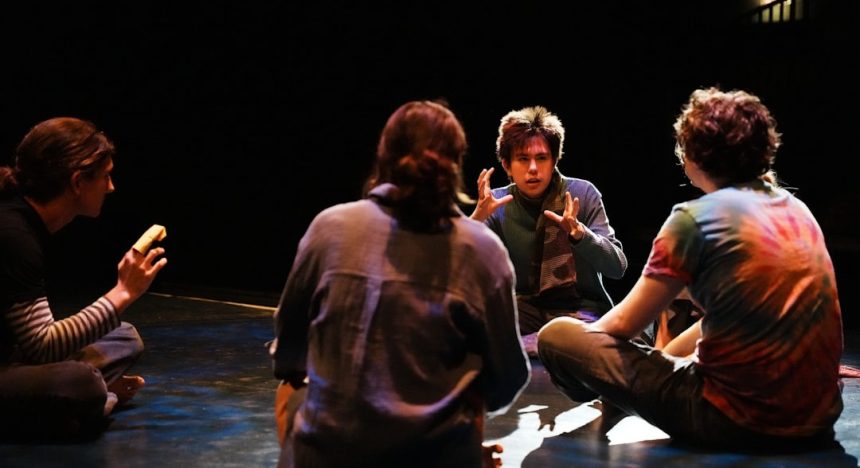
There is something that happens in a theater that simply cannot be manufactured on a screen: the shared awareness that what you’re watching is happening right now, in front of you, with no safety net. Film musicals and stage musicals fundamentally differ in their approach to storytelling, visual spectacle, and the relationship with the audience, with the key distinction lying in the liveness and immediacy of the stage versus the manipulatable and controlled environment of film. That immediacy changes how an audience listens and reacts.
A singer hitting a difficult note live, in real time, creates tension and release that a pre-recorded, heavily edited film vocal simply can’t reproduce. The stage offers raw, immediate emotion and a shared experience, while film provides visual grandeur and a level of control impossible on stage. That control is useful for spectacle, but it often comes at the cost of the raw nerve that makes live musical theater so compelling in the first place.
Movies tend to cut the very songs that define the show

One of the most common complaints leveled at movie musicals involves the score itself. Too many songs are cut or trimmed, and when audiences go to see a musical, they expect there to be actual music in these stories. When a film shaves down the runtime by removing or shortening numbers, it isn’t just losing minutes, it’s losing the connective tissue that makes the story emotionally coherent.
Songs in a well built stage musical usually do narrative work that dialogue alone can’t manage. Trim them for pacing and you often trim away character motivation, emotional buildup, or thematic payoff along with them. The result can feel like a highlight reel of a story rather than the story itself.
Casting choices that prioritize fame over vocal ability
Movie studios often lean on star power to sell tickets, which sounds reasonable until you remember that musicals demand actual singing chops. The first mistake that movie musicals often make is their casting choices, since attempts to take advantage of the buzz that comes from casting big-name actors usually lead to a major pitfall: they can’t sing. A stage production, by contrast, is built around performers who trained specifically to project vocally and emotionally to a live house, eight shows a week.
This isn’t a knock on film actors as a category, since many can sing beautifully. The issue is that box office draw and vocal talent are not the same skill, and studios sometimes bet on the former while shortchanging the latter. Audiences notice the difference almost instantly, especially if they’ve seen the stage version performed by trained musical theater singers.
Choreography loses meaning when the camera takes over
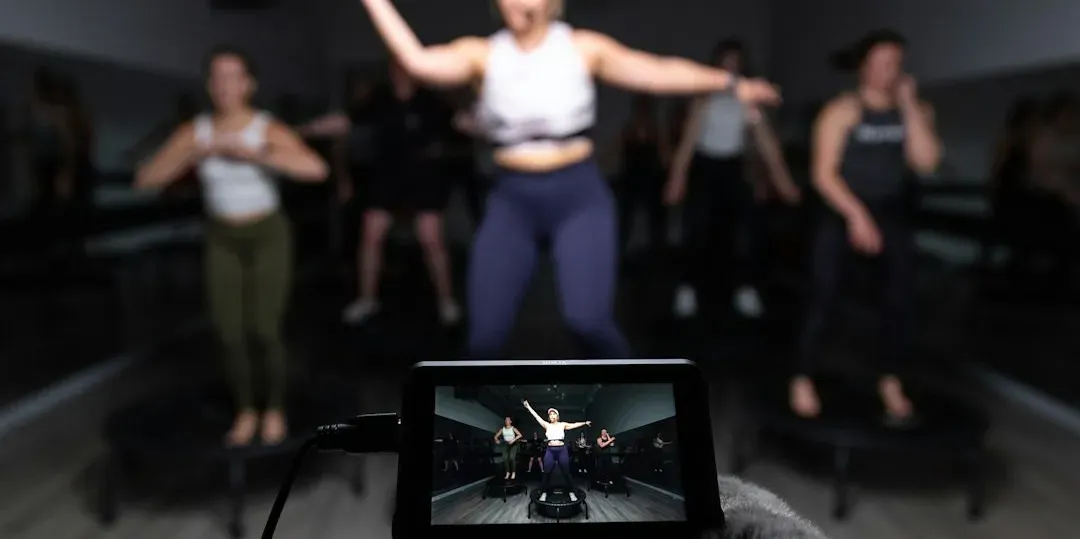
Dance in a stage musical is often a storytelling device in its own right, not just decoration between songs. Filming and editing dance has evolved from the earlier movie musical days that used more overhead shots and longer cuts resembling a proscenium view, and as editing has grown flashier with trick camera shots, film adaptations have started to lose dance as a storytelling technique. Quick cuts and close-ups can turn a carefully built dance sequence into a fragmented blur.
On stage, an audience sees the whole body, the whole ensemble, the whole formation shifting in real time and space. That wide, continuous view lets choreography breathe and build. Chop it into rapid edits and reaction shots, and a lot of that structural intent simply disappears.
The suspension of disbelief works differently in each medium

Theater audiences arrive already primed to accept a certain amount of artifice. Stage productions rely heavily on the suspension of disbelief to convince audiences that humans can fly, magic is real, and planes are made of towns of folding chairs. That’s part of the appeal. A show tells you upfront that it’s a construction, and you agree to play along.
Partner offer
Film asks for a different kind of belief, one rooted in photographic realism, even when the story is fantastical. When a movie musical tries to graft theatrical stylization onto a medium that audiences expect to look real, the mismatch can feel uncanny rather than magical. Bridging those two sets of expectations is trickier than it looks.
Cats became the textbook case of what goes wrong

No recent example illustrates the risks of adaptation quite like the 2019 film version of Cats. The film grossed only $75.5 million worldwide against a production budget of $80 to 100 million, resulting in an estimated loss of $71 million, and received generally negative reviews from critics and audiences who were unsettled by the humanoid cats created through visual effects. A show that had thrived on Broadway for decades struggled to survive the translation to screen.
Part of the problem was tonal. Instead of leaning into the kitschy spectacle of the original stage production, critics questioned director Tom Hooper’s unusually serious approach, with one critic describing the result as inexplicably joyless and morose rather than campy fun. The stage show survived on unapologetic theatricality. The film tried to smooth that theatricality into something more photorealistic, and in doing so, lost the very thing that made the material work.
Budget and pacing constraints push films toward shortcuts
Making a film musical is expensive, and studios facing tight budgets and runtime targets often make cuts that a stage production, bound by different economics, wouldn’t have to consider. Theater accepts long scenes, extended musical sequences, and intermissions as part of the format. Film generally does not, since a two and a half hour runtime is already considered a hard sell for mainstream audiences.
That pressure to compress often falls hardest on the musical numbers themselves, since dialogue can be trimmed more easily than a song without breaking the scene. The irony is that trimming the music is usually what damages a musical adaptation the most, since the songs were often the reason the show became beloved to begin with.
Some source material simply resists cinematic realism

Certain musicals were built around theatrical conceits that don’t translate cleanly to a camera lens. Anthropomorphic cats performing elaborate choreography works as a stylized theatrical convention when you’re watching actual human dancers on a stage in costume and makeup. Ask a camera to render that same concept through motion capture or CGI, and the uncanny valley problem becomes almost impossible to avoid.
Much criticism was directed at the visual effects choice of merging computer-generated feline appearances and behavior with practical makeup and costumes on the actors, with one review describing the film as flat, without any of the camp or kitsch high energy that characterized the stage show. The stage version never had to solve that visual puzzle, because live theater audiences were already comfortable accepting actors in cat makeup as cats. Film audiences, expecting something closer to visual realism, weren’t as forgiving.
Not every adaptation fails, which makes the pattern worth noting
It would be misleading to suggest movie musicals are doomed by default. West Side Story in both its versions, Chicago, The Sound of Music, Les Misérables, Hairspray, and Wicked are all considered successful film adaptations of popular stage musicals, demonstrating how the core story and music can be translated to the screen while taking advantage of the visual possibilities film offers. These films succeeded largely because they treated the screen as its own medium rather than trying to photograph a stage show.
The common thread among the successes is a willingness to rethink staging, pacing, and visual language for the camera, rather than assuming a direct transcription would automatically work. Adaptations that fail to leverage the unique possibilities of film, such as cinematic storytelling, grand-scale visuals, or nuanced performances, often disappoint, and poor casting choices along with drastically altering the storyline can also contribute to failure. The productions that respect both mediums on their own terms tend to be the ones that hold up.
The takeaway for theater lovers and casual moviegoers alike
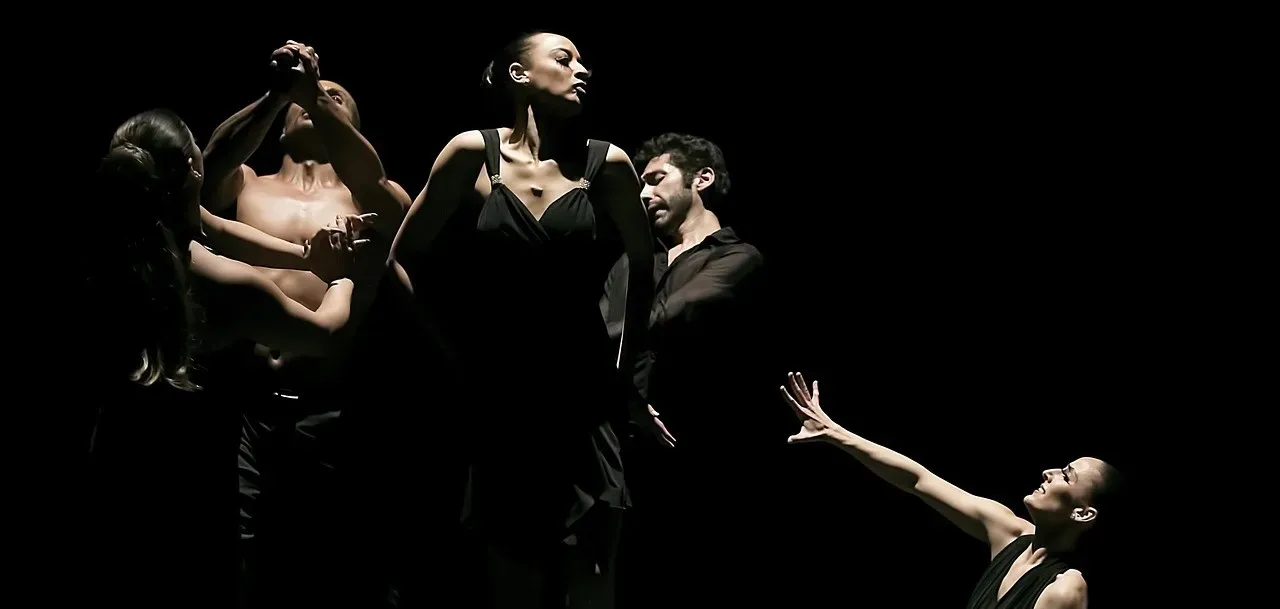
Musicals occupy a strange space between two art forms that ask very different things of an audience. Stage productions thrive on liveness, physical scale, and the unspoken contract of theatricality. Film thrives on control, realism, and the camera’s ability to focus attention precisely where a director wants it.
When a musical’s identity is deeply tied to the specific magic of a live room, no amount of visual effects budget can fully recreate that feeling on a screen. That doesn’t mean film adaptations should stop being made, since plenty have succeeded by adapting thoughtfully rather than translating literally. It simply means that some shows, by their very nature, were built for a stage and a live audience, and trying to force them into a different shape sometimes reveals exactly what made the original so special in the first place.
Partner offer
Planning a trip to Vegas?
Compare hotel rates and show tickets on VEGAS.com.