
Every reading list claims to hold the essential books of a generation, yet most of us quietly nod along without ever cracking the spine. There’s a particular kind of guilt that comes from owning a novel for years, maybe even moving it between three different apartments, and still not knowing how it ends. This list rounds up nine novels that show up again and again in classrooms, book clubs, and “best of” rankings, the kind of titles people reference in conversation as though everyone has read them.
Some of these books are notoriously dense, others surprisingly short but emotionally exhausting. A few are famous mostly because people abandon them around page fifty. Let’s see how many you’ve genuinely finished, cover to cover, no skimming allowed.
Moby-Dick by Herman Melville

Published in 1851, Herman Melville’s whaling epic is often cited as one of the most started and least finished novels in American literature. The book’s reputation for lengthy digressions on cetology and rope-making has become something of a running joke among readers, even as scholars consider it a cornerstone of the American canon. Its narrator’s opening line remains one of the most recognized in English fiction, yet the six hundred plus pages that follow trip up even dedicated readers.
Part of the difficulty is structural. Melville shifts between adventure narrative, philosophical meditation, and technical whaling manual without much warning, which makes the pacing feel uneven by modern standards. Still, readers who push through often describe the final chapters as some of the most gripping in classic literature, a payoff that rewards patience more than speed.
War and Peace by Leo Tolstoy
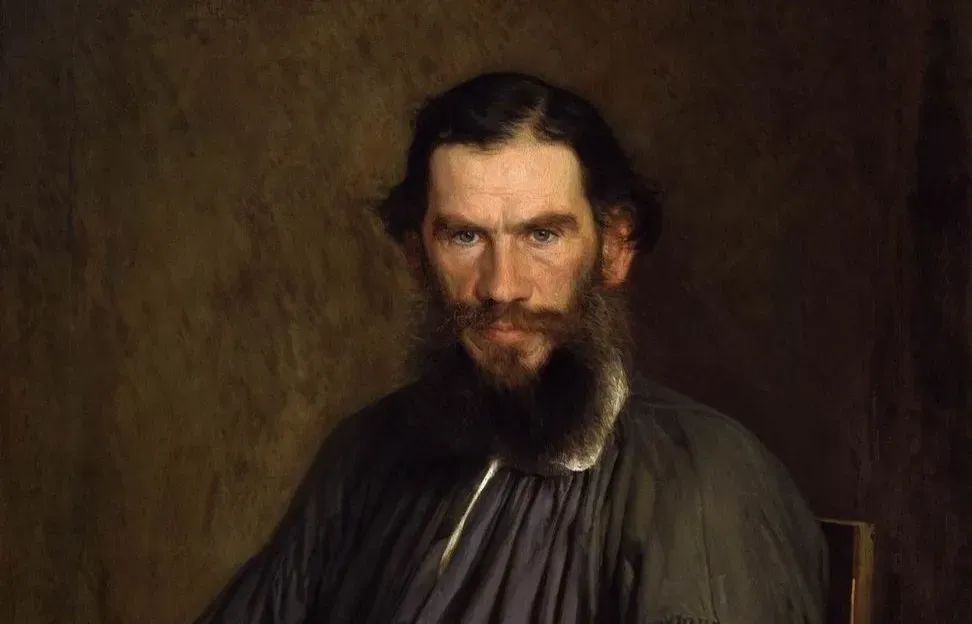
Leo Tolstoy’s sprawling account of Russian society during the Napoleonic Wars runs well over a thousand pages depending on the translation, with hundreds of named characters woven through both battlefield scenes and drawing room conversations. It’s frequently cited as the quintessential intimidating classic, the book people buy with genuine intention and then shelve indefinitely. The sheer scope, following multiple families across years of war and peace alike, makes it a serious time commitment rather than casual reading.
What trips up many readers isn’t the length alone but the Russian naming conventions, where characters go by multiple names and patronymics depending on who’s speaking. Readers who stick with a good translation and a character guide tend to find the emotional through-lines clearer than expected. Tolstoy’s blend of personal drama with historical sweep is often credited as a major influence on the modern epic novel.
Ulysses by James Joyce
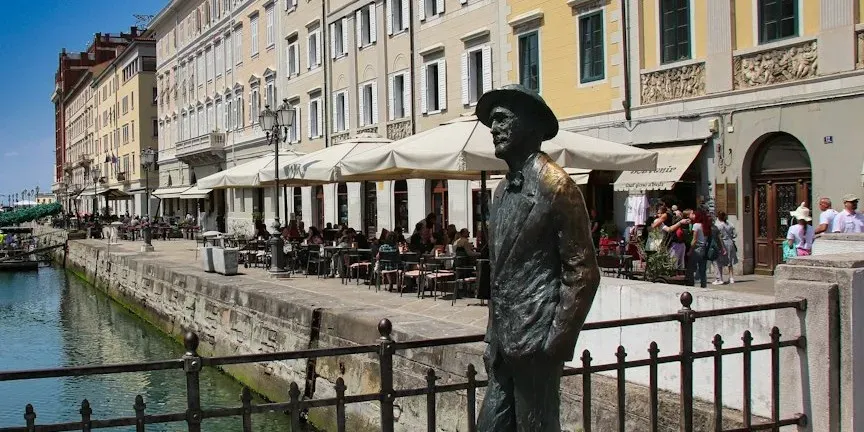
James Joyce’s 1922 novel reimagines Homer’s Odyssey within a single day in Dublin, following Leopold Bloom through ordinary errands rendered in extraordinarily experimental prose. It’s frequently ranked among the most significant novels of the twentieth century by literary scholars, yet its stream of consciousness style and shifting narrative techniques make it one of the hardest books to finish without guidance. Entire university courses are devoted to unpacking a single chapter.
The novel’s difficulty isn’t accidental. Joyce structured each chapter with a different style, from newspaper headlines to unpunctuated interior monologue, which means the reading experience keeps shifting under your feet. Many readers who finish it lean on annotated editions or reading groups, treating the book less like a novel and more like a long-term project.
One Hundred Years of Solitude by Gabriel García Márquez

Gabriel García Márquez’s 1967 novel follows seven generations of the Buendía family in the fictional town of Macondo, blending historical fiction with magical realism in a way that reshaped Latin American literature. The book won García Márquez international acclaim and later contributed to his Nobel Prize in Literature in 1982. Its dense family tree, filled with repeating names like José Arcadio and Aureliano, is often what causes readers to lose track of who’s who.
Unlike some classics that struggle with pacing, this one moves briskly, but the challenge lies in keeping character lineage straight across a century of events. Readers who finish often say the final chapters, which loop back to themes introduced at the very start, make the earlier confusion worthwhile. It remains a staple of world literature courses precisely because of how tightly its structure mirrors its themes of cyclical history.
Partner offer
Infinite Jest by David Foster Wallace

David Foster Wallace’s 1996 novel spans over a thousand pages including nearly a hundred pages of endnotes, some of which contain footnotes of their own. Set in a near future obsessed with entertainment and addiction, it’s become something of a cultural marker, a book people mention specifically because so few actually complete it. The nonlinear structure jumps between a tennis academy and a halfway house without clear chronological signposting.
The endnotes aren’t optional extras either, they contain plot-relevant information that readers have to flip back and forth to catch. This physical demand, combined with the book’s length, has made it something of a meme in online reading communities. Those who finish it often describe rereading sections immediately afterward just to catch connections missed the first time through.
Middlemarch by George Eliot
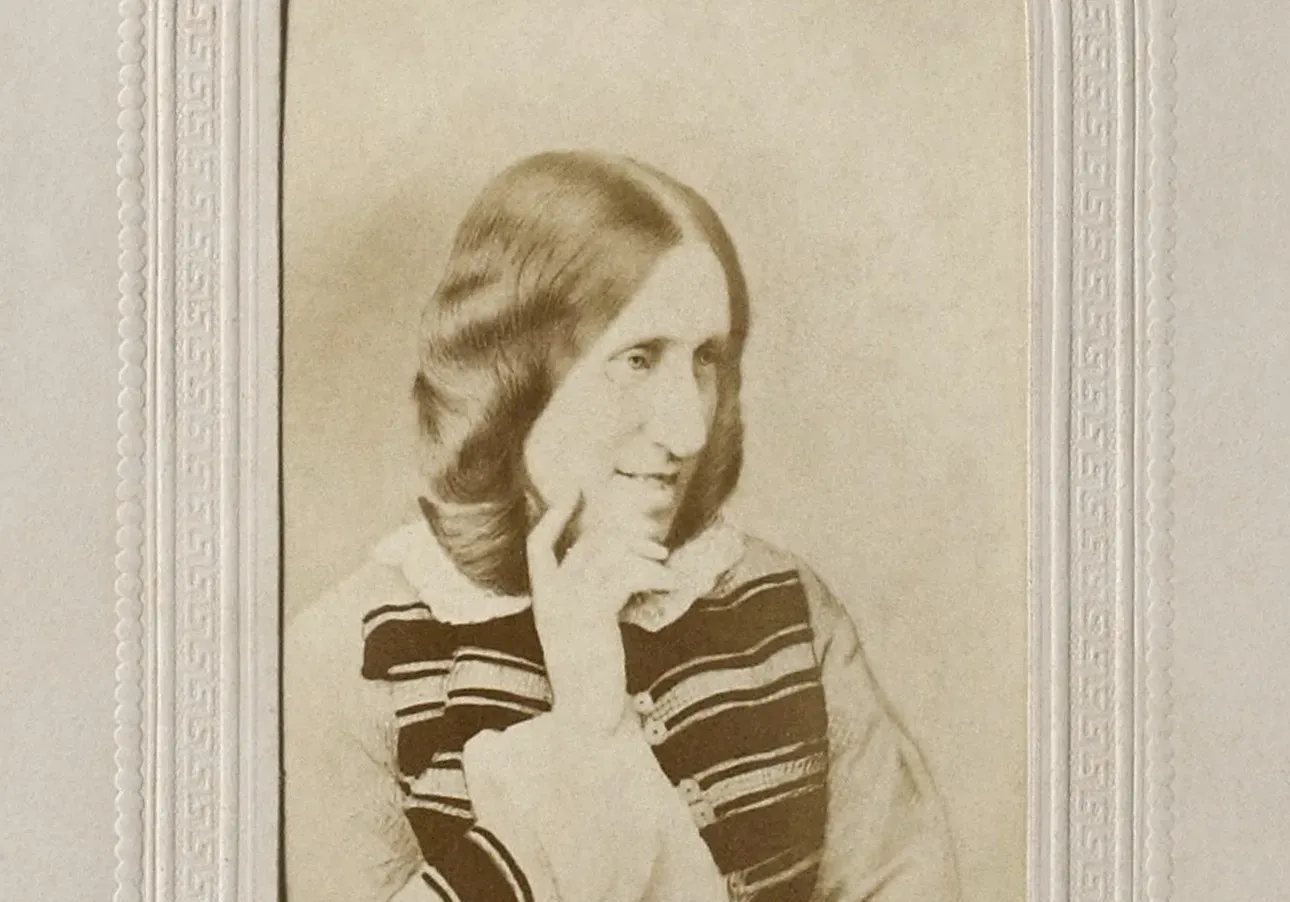
George Eliot’s 1871 novel examines provincial life in a fictional English town through multiple intersecting storylines, most notably the idealistic Dorothea Brooke’s disastrous marriage choices. Virginia Woolf famously praised it as one of the few English novels written for adult readers, a line still quoted in literary criticism today. Despite the acclaim, its slow pacing and dense social commentary make it a common victim of abandoned reading challenges.
The novel rewards patience with psychological insight that feels remarkably modern for a book written over a century and a half ago. Eliot’s narrator frequently steps back to comment on human nature in ways that feel almost essayistic, which can either fascinate or frustrate depending on the reader’s mood. Book clubs that tackle it in sections, rather than all at once, tend to report higher completion rates than those attempting it cover to cover.
The Brothers Karamazov by Fyodor Dostoevsky
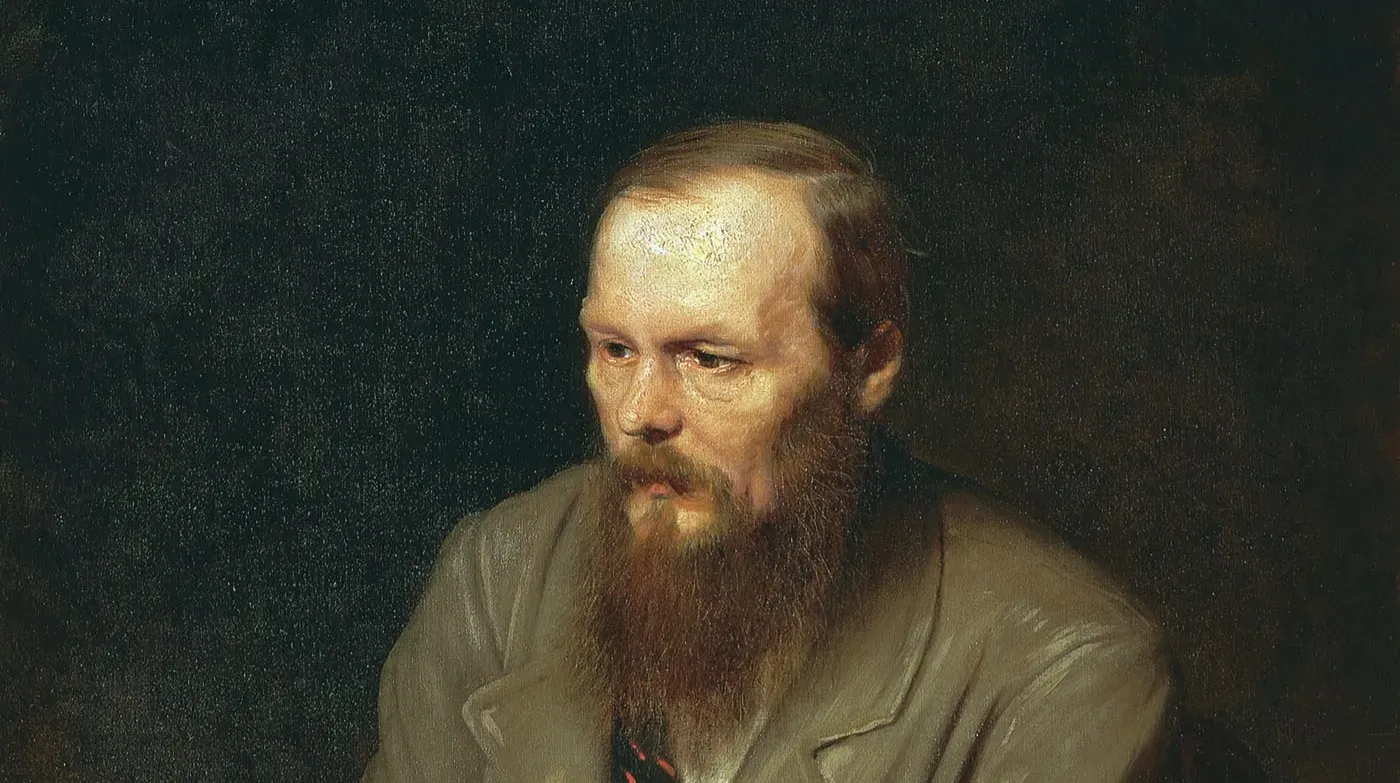
Fyodor Dostoevsky’s final novel, published in 1880, wrestles with faith, morality, and family through the story of three brothers and their murdered father. It’s often assigned in philosophy courses as much as literature ones, given its extended debates on free will and the existence of God. The Grand Inquisitor chapter alone is frequently taught as a standalone philosophical text.
Length isn’t the only obstacle here, the philosophical density of certain chapters can slow even experienced readers to a crawl. Translation choice matters significantly with this novel, since older English translations are noted for stiffer prose compared to more recent ones. Readers who finish it often describe the courtroom drama in the final section as unexpectedly page-turning after the slower theological passages.
Gravity’s Rainbow by Thomas Pynchon
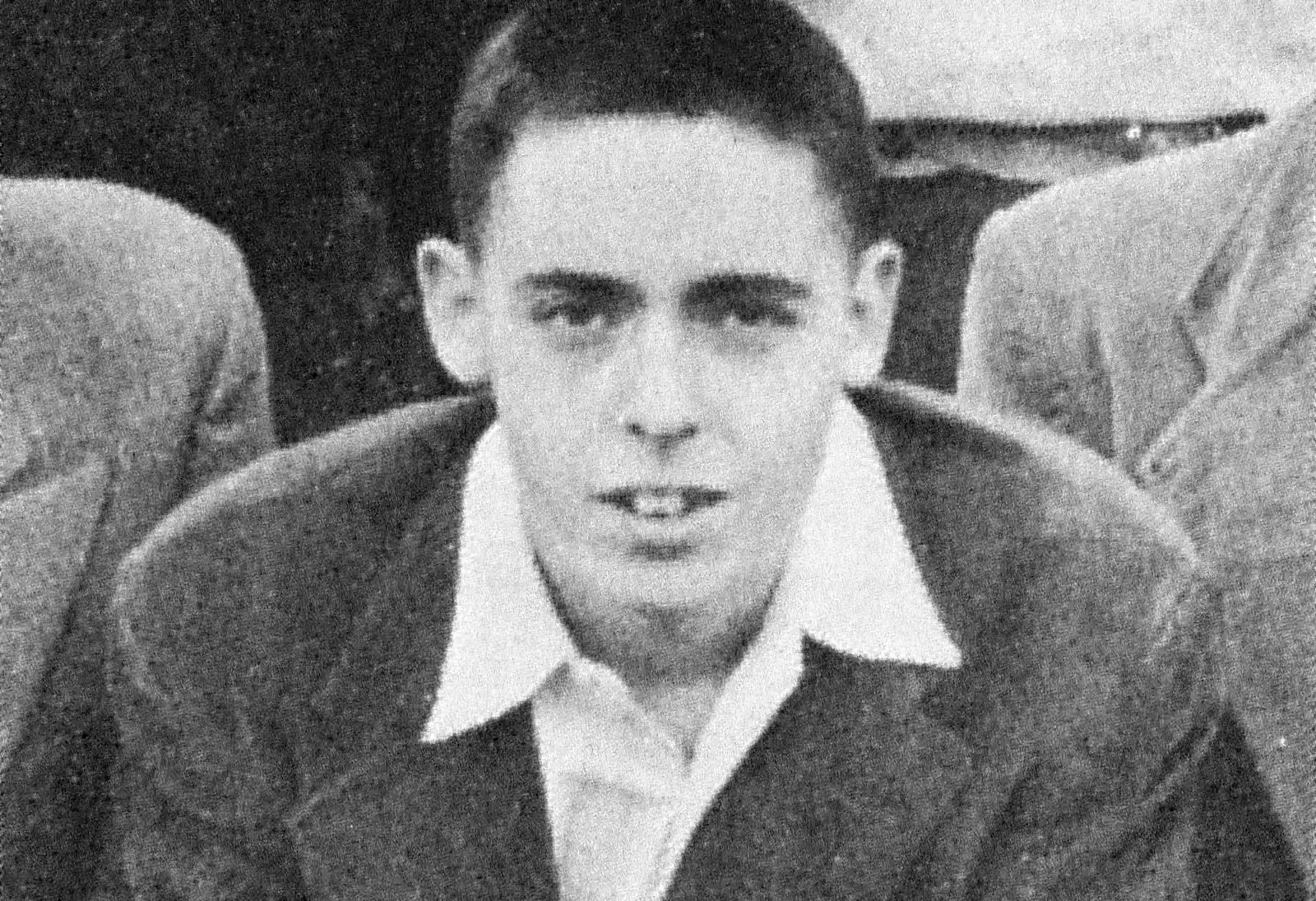
Thomas Pynchon’s 1973 novel is frequently cited alongside Ulysses as one of the most challenging works in the English language, blending World War II history with paranoid conspiracy and dense scientific references. It won the National Book Award but was controversially denied the Pulitzer Prize in 1974 after the advisory board overruled the fiction jury’s recommendation. The sprawling cast, shifting narrative voice, and frequent tonal swings between comedy and horror make it notoriously difficult to track.
Unlike more linear challenging classics, this one resists straightforward summary even for readers who’ve finished it multiple times. Pynchon’s prose style demands close attention to sentence structure itself, since meaning often hinges on syntax rather than plot alone. It’s become something of a badge of honor in literary circles specifically because so few readers report finishing it without external guides.
The Magic Mountain by Thomas Mann

Thomas Mann’s 1924 novel follows a young engineer visiting a Swiss sanatorium for what he expects to be a brief stay, only to remain for seven years amid philosophical debates and the looming approach of World War I. Mann was awarded the Nobel Prize in Literature in 1929, with this novel frequently cited as a major factor in that recognition. The book’s deliberate slowness mirrors its setting, time in the sanatorium feels suspended, and the prose reflects that same unhurried quality.
Readers often describe the middle section as the hardest to push through, where philosophical dialogue takes precedence over plot movement for extended stretches. The payoff comes in how sharply the ending contrasts with everything before it, as the outside world’s violence finally intrudes on the sanatorium’s insulated calm. It remains a staple on university syllabi focused on modernist literature and the intellectual currents of pre-war Europe.
Partner offer
Planning a trip to Vegas?
Compare hotel rates and show tickets on VEGAS.com.