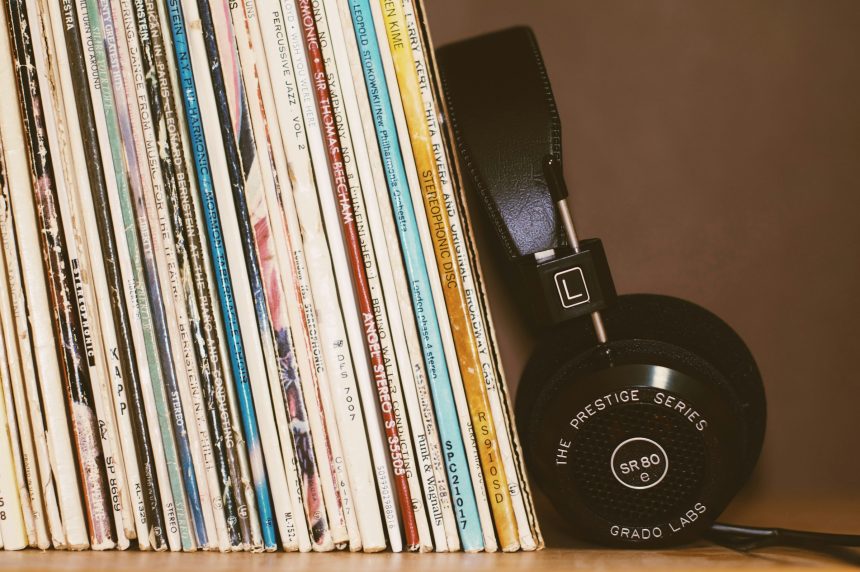
Walk into almost any thrift store today and you will likely find a bin of CDs nobody wants, priced at a quarter apiece, gathering dust next to VHS tapes. Yet somewhere across town, another person is carefully alphabetizing their jewel cases, backing up rare imports to lossless files, and treating that same format like a small archive worth protecting. The compact disc has become a strange kind of object in 2026: commercially fading, but personally meaningful to a stubborn and resourceful group of people who refuse to just throw it all away.
The numbers behind the fade
The decline isn’t subtle anymore. CDs fell 19.5% in 2024 compared to where they were in 2023, part of a broader pullback across physical formats that year. In the United States specifically, a total of 32.9 million physical CDs were shipped in 2024, a considerable decrease from a decade earlier when shipments were still above 100 million.
Globally the picture varies a bit by market. In Switzerland, for instance, CD sales fell by another 25% in 2024, reaching only CHF 9.7 million, the lowest since the format’s launch in the early 1980s, and physical products overall now represent a small fraction of the total music market there. These aren’t rounding errors. They mark a format that has quietly slipped from mainstream retail into something closer to a niche hobby.
Racing to rip before the discs give out
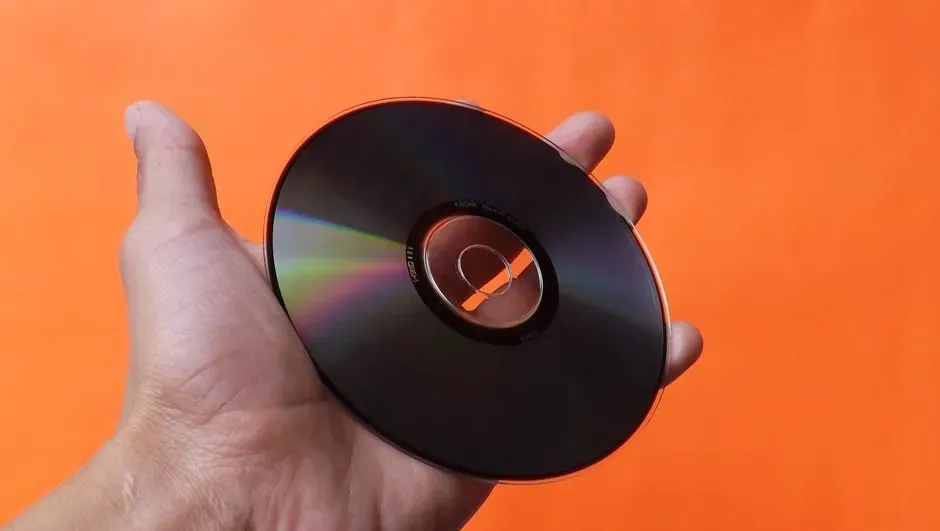
For many longtime owners, the first move is practical rather than sentimental: get the music off the disc before the disc itself fails. Physical media does degrade. Physical media like CDs are prone to degradation and damage over time, and scratches, heat exposure, and handling can all impact quality and longevity.
People are turning to dedicated ripping tools rather than trusting default software, especially for large or valuable collections. Dedicated tools provide enhanced error correction, detailed metadata extraction, and greater format flexibility, which appeals especially to audiophiles and professional collectors. Popular choices mentioned by hobbyists include Exact Audio Copy, dBpoweramp, and XLD, chosen specifically because they aim for accurate, one-to-one extraction rather than a quick lossy conversion.
Choosing formats that will outlast the hardware
Once someone decides to digitize, the next question is what file format to actually keep. Enthusiast communities lean heavily toward lossless options for long-term storage rather than convenience formats. FLAC is considered good for long-term digital storage of music because it is lossless and can theoretically be converted back to the original source file without losing any information.
Storage math matters too, especially for people with hundreds or thousands of discs. One hundred CDs converted to FLAC would probably take up 40 to 60 gibibytes of storage, depending on the length of the albums. That’s a manageable amount for a modern external drive, which is part of why so many collectors treat digitizing as a one-time project rather than an ongoing chore.
Paying someone else to do the tedious part
Not everyone wants to spend weekends feeding discs into a drive one at a time. A small cottage industry has grown around commercial ripping services aimed at people with large libraries and limited patience. Pricing tends to sit in a narrow, predictable range across providers.
Community discussions suggest a fair price would be around $2 per CD for a basic conversion, or closer to $3 if it includes adjusting metadata and getting album art. It’s worth knowing how the process often actually works behind the scenes. Many commercial ripping services compare submitted discs against a huge storage array of CDs they’ve already ripped, and if there’s a match they simply hand over the previously ripped files rather than processing the disc again, which keeps turnaround times fast and costs low.
Selling the collection off, piece by piece
For a different group of owners, the answer isn’t preservation at all. It’s liquidation. Marketplaces built around used media, from Discogs to eBay to local resale apps, have become the default outlet for people ready to part with shelves of discs they no longer play.
Condition plays a bigger role in that resale value than most casual sellers expect. The better the condition of a CD, the more value it may hold in terms of resale potential, and certain discs that are out of print or contain rare, exclusive content can hold significant value for collectors. That distinction explains why some sellers spend real time sorting inventory into “keep,” “sell individually,” and “bulk lot” piles rather than just boxing everything up for a single flat sale.
Hunting down what streaming still doesn’t have
One of the more surprising reasons people hold onto CDs in 2026 has nothing to do with nostalgia. It’s simple availability. Streaming catalogs, despite their size, still have real gaps, particularly with older, regional, or independently released material.
This gap is common enough that even tech reviewers who cover ripping software run into it personally. More than one reviewer has searched for albums or tracks on a streaming service and not found them, leading them to keep using a CD ripper to digitize physical discs and listen to rarer albums not available online. For collectors of specific genres, import editions, or defunct labels, the CD shelf sometimes functions as the only reliable backup that exists.
Donating collections instead of trashing them
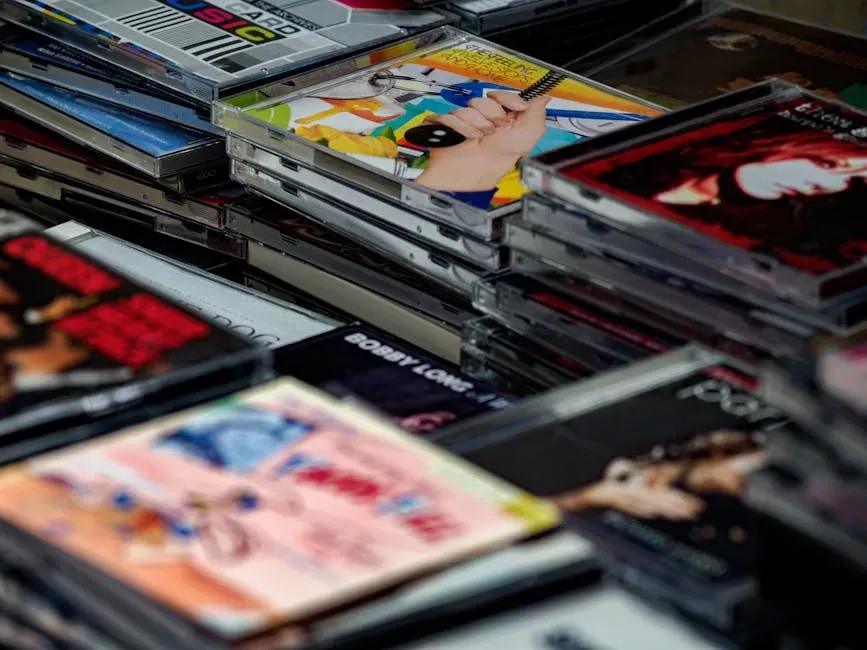
Plenty of people simply don’t want the hassle of selling individual discs or negotiating prices with strangers online. Libraries, schools, thrift stores, and charity shops have absorbed a steady stream of donated CD collections as households declutter or downsize. It’s a low-friction way to pass a library along rather than let it sit boxed in a closet.
This path tends to appeal most to casual owners rather than serious collectors, since donation bins rarely sort for rarity or condition the way a resale platform would. Still, it keeps usable discs in circulation rather than in landfill, and it gives community spaces an easy, low-cost way to stock media sections that otherwise get little budget attention.
Building small, deliberate home archives
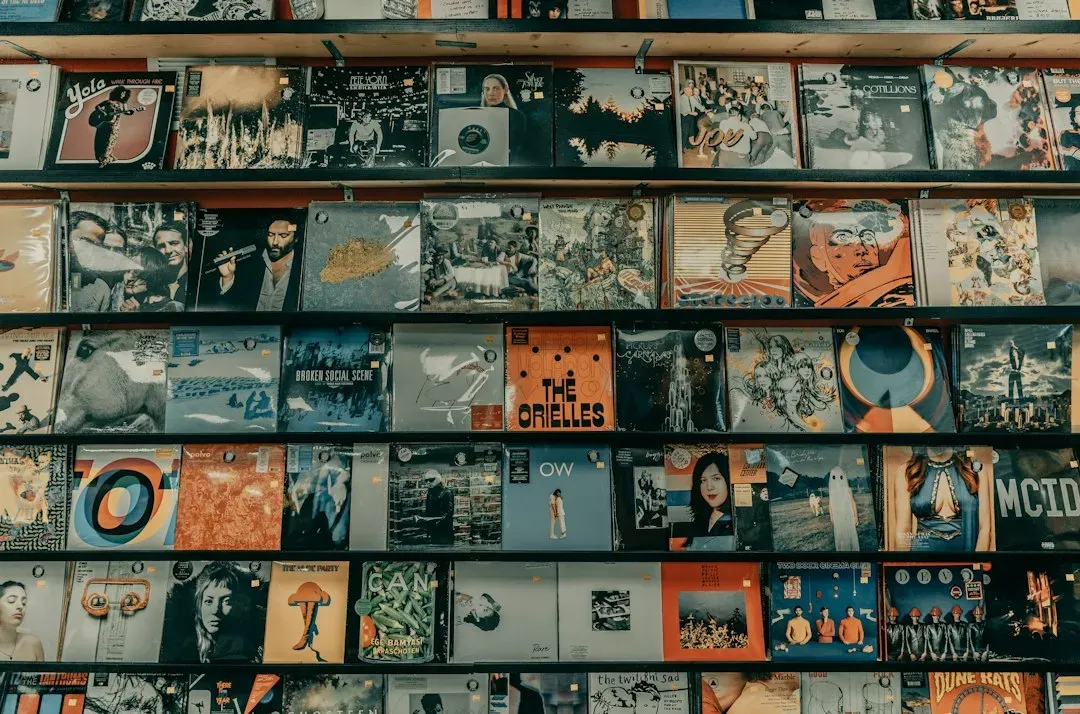
A distinct segment of owners has gone the opposite direction from decluttering. Rather than shrinking their collection, they’ve turned it into a curated, display-worthy archive, complete with proper shelving, sleeves, and sometimes climate consideration for humidity and sunlight exposure.
This mirrors how quality concerns have crept into collector conversations more broadly. When made to high standards and kept in good condition, CDs can last decades, though that durability depends on the integrity of the disc’s layers, proper sealing, and good protection. For collectors treating their CDs as long-term physical assets rather than disposable media, that durability question shapes how and where they choose to store them.
Connecting with other collectors online
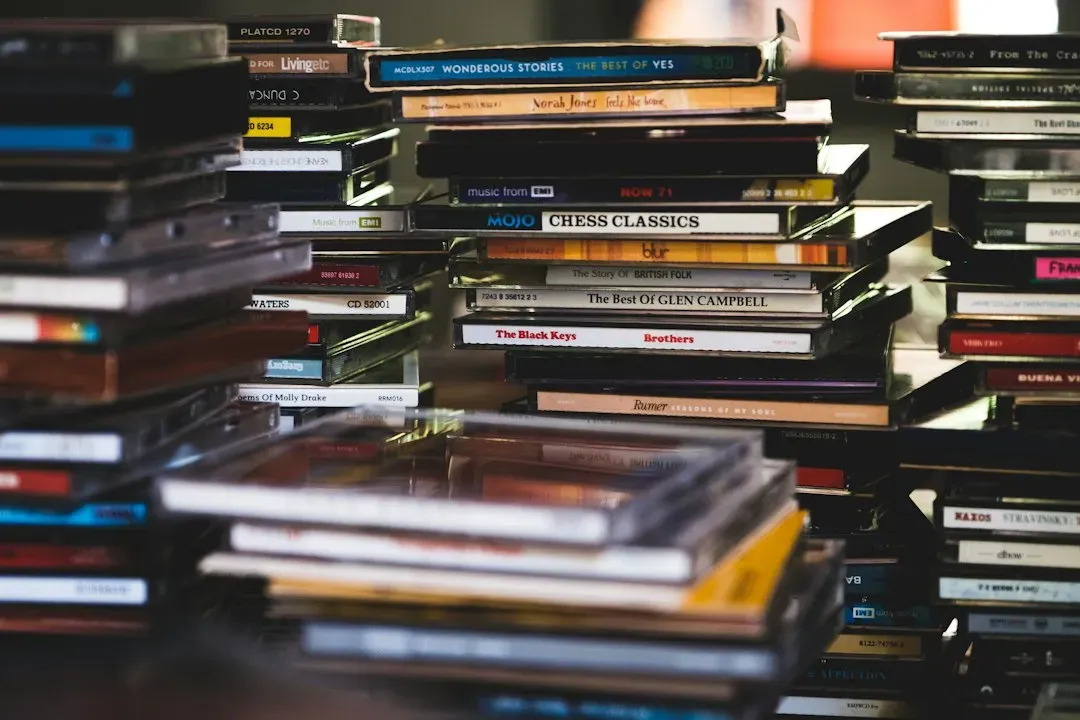
As CD culture has thinned out in physical retail, it has found a second life in scattered online spaces: forums, subreddits, and niche community boards where people trade tips on ripping software, rare pressings, and storage solutions. These communities often function as informal knowledge bases that commercial guides don’t fully replicate.
Discussion threads about digitizing whole collections regularly surface practical, hard-won advice that doesn’t show up in product marketing. One frequently recommended tool among more technical users is a Linux command-line ripper that handles complex options automatically, useful for someone ripping a large pile of new music or a lengthy audiobook set. That kind of peer-to-peer troubleshooting has become one of the more durable parts of CD collecting, even as the retail side of the format keeps shrinking.
Where the CD library actually lands
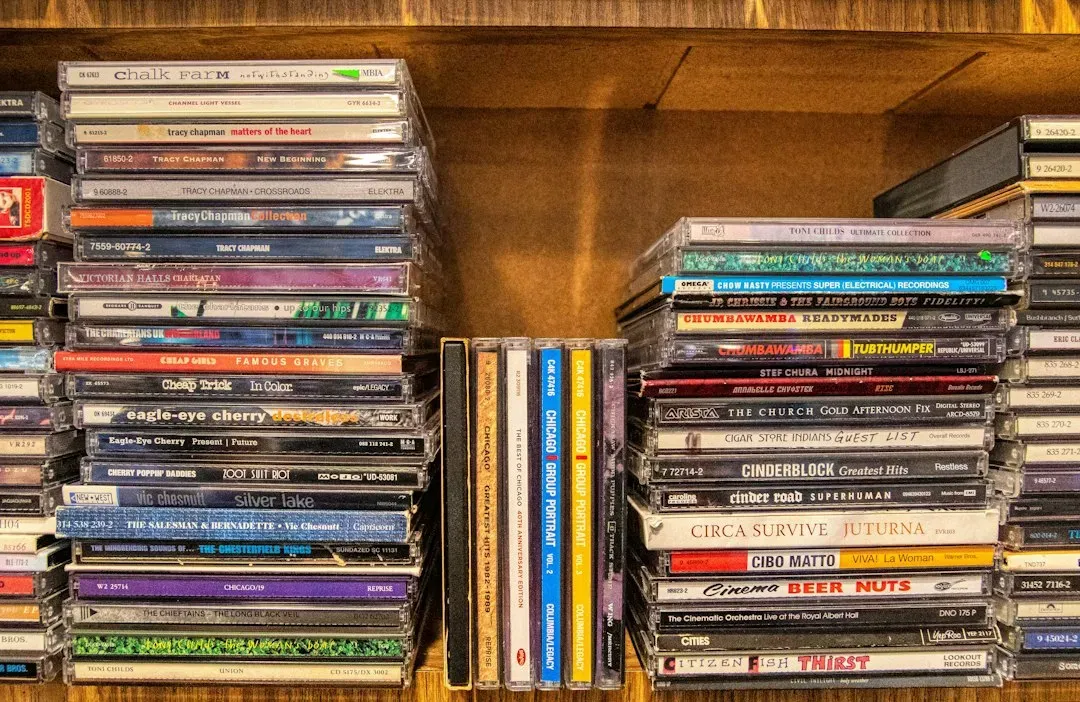
What emerges from all of this isn’t one single story about CDs disappearing. It’s several smaller, overlapping ones: digitizing for safety, selling for cash, donating for convenience, archiving for love of the object, and trading tips with strangers who understand why any of it matters. The format’s commercial decline is well documented and unlikely to reverse in any meaningful way, but the personal relationship many people have with their physical libraries hasn’t disappeared at nearly the same rate.
If there’s a common thread, it’s that most collectors aren’t waiting for the industry to decide the CD’s fate for them. They’re making their own calls, disc by disc, about what gets kept, what gets backed up, and what finally gets let go.