Most films move forward in a straight line, so a movie that scrambles its timeline asks you to do a bit of extra work. Sometimes that work is the whole point. Other times it simply makes a familiar story feel strange and new.
Here are eight well-known films that break chronology, along with a plain look at how their pieces connect. Spoilers are ahead, so you may want to watch first.
Memento (2000)

Christopher Nolan’s film follows Leonard Shelby, a man with short-term memory loss who is hunting his wife’s killer. The color scenes run in reverse order, so each one ends up leading into the scene you watched just before it. Black and white scenes run forward in time and are interleaved with them.
The two threads meet in the middle, where the final black and white scene turns into color. That overlap reveals how Leonard’s situation came about and why he can’t trust his own notes. The structure puts you in his position, because you also never know what came before.
Pulp Fiction (1994)

Quentin Tarantino’s crime film is built from several stories that are shown out of sequence. The opening diner scene and the closing diner scene are actually the same moment, split in two. Between them, the stories of Vincent Vega, Jules Winnfield, Butch Coolidge and others overlap.
Vincent is killed midway through the film, yet he appears alive in the later scenes because those events happened earlier in the timeline. Put in chronological order, the story reads as a fairly simple set of linked incidents. The shuffling gives the ending more weight, since Jules walks away changed.
Arrival (2016)

Denis Villeneuve’s science fiction film seems to open with linguist Louise Banks losing her daughter, then moves on to the arrival of alien ships. The twist is that those early scenes are not memories. They are glimpses of the future, unlocked as she learns the aliens’ nonlinear written language.
Once you know that, the film reorders itself. The daughter’s life and death come after the alien visit, not before. Louise makes her choices knowing how they end, which is where the emotional force of the story comes from.
Dunkirk (2017)

Nolan’s war film tells the evacuation of Dunkirk across three timeframes. The mole follows events over one week, the sea covers one day, and the air covers one hour. They are cut together as if they were happening at the same time.
The threads converge toward the end, where moments seen earlier from one perspective reappear from another. A boat that seems to arrive in one storyline may have left much earlier in a different one. Together they show the evacuation as a stretched, uneven ordeal rather than a single event.
Partner offer
Eternal Sunshine of the Spotless Mind (2004)

Michel Gondry’s film, written by Charlie Kaufman, begins with a scene that actually belongs near the end. Joel meets Clementine on a train and seems to be starting fresh, but they have already been through a relationship and erased each other from memory. Most of the film then unfolds inside Joel’s mind during the erasure procedure.
Those memories play in reverse, from the most recent and painful back to the first happy ones. That is why the movie feels like it is dissolving as it goes. The ending loops back to the beginning and leaves open whether they will repeat the cycle.
500 Days of Summer (2009)
This romantic comedy jumps around across the 500 days of Tom and Summer’s relationship. A day number appears on screen, then the film hops between happy early days and the bitter aftermath. It is organized by Tom’s emotional state rather than by the calendar.
Placing a good moment next to a bad one shows how memory edits a relationship. Tom keeps replaying what went wrong, searching for a cause. The film ends back at day one of a new beginning, with a different person entering his life.
Citizen Kane (1941)
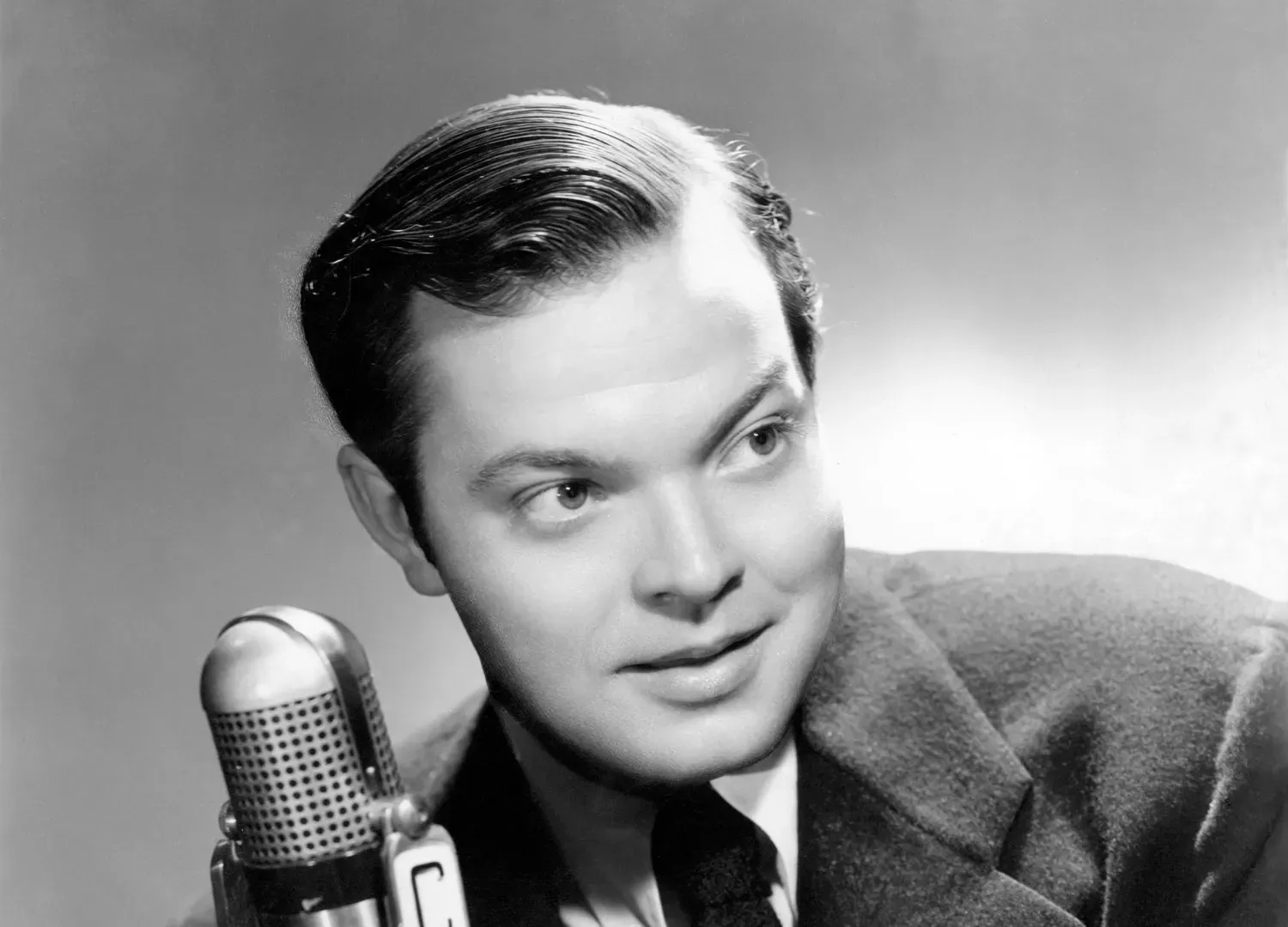
Orson Welles’s classic opens with the death of Charles Foster Kane and his last word. A reporter then interviews several people who knew him, and each tells a different part of his life. Their accounts overlap and sometimes disagree.
The story is assembled from those memories rather than from a timeline. Seen in order, it traces his rise, his marriages and his isolation at Xanadu. The final shot gives the audience the answer to the opening mystery, even though the characters never learn it.
Oppenheimer (2023)
Nolan’s biographical film moves between three threads. One is in color and shows Oppenheimer’s life from his own point of view. The other two are in black and white and cover a 1954 security hearing and a 1959 Senate confirmation hearing for Lewis Strauss.
The hearings frame the story and explain why the earlier events matter. The two later threads connect when Strauss’s role in Oppenheimer’s downfall becomes clear. The film won the Academy Award for Best Picture in 2024, and its structure is a big part of how it holds together such a dense story.
Taken together, the film’s three timelines reveal that the personal story and the political aftermath are two halves of the same event.
Partner offer
Planning a trip to Vegas?
Compare hotel rates and show tickets on VEGAS.com.