Something is shifting in the air. Not just politically, not just socially – but sonically. From folk singers with acoustic guitars going viral on TikTok to Grammy Award ceremonies erupting in anti-government protest, music in 2024, 2025, and 2026 has started to feel urgent again. Artists are writing songs the way some people write pamphlets: fast, fierce, and with a point to make. The question is no longer whether music can be . It already is.
The Political Climate That Made Artists Pick Up Their Pens
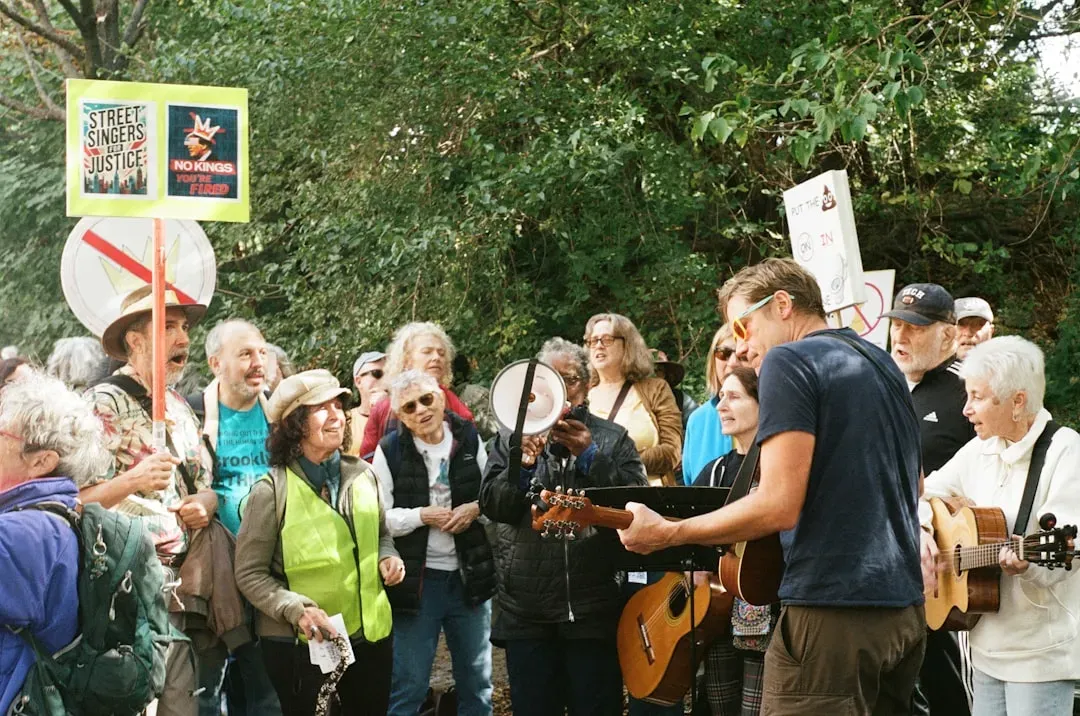
Not since the Black Lives Matter moment that coincided with COVID in 2020 has there been as many reasons to take to the streets and protest as there have been in 2025. Trans rights, immigration, abortion access, ongoing conflicts in the Middle East, and the steadily rising power of the wealthiest one percent have all collided into an overwhelming wave of unrest. This kind of environment has historically been a breeding ground for protest music, and today is no different. When the news becomes unbearable, some people march. Others write songs.
With the cost of living crisis still raging, vital services being cut by governments, ongoing injustice relating to race, gender, and sexuality, as well as active conflicts going on around the world, it’s impossible to turn a blind eye. For so many artists, the idea of removing politics from their music would feel ignorant or indulgent. Instead, they use their platform to protest at every gig simply by performing. This is what distinguishes the current wave of protest music from earlier eras – it is less a consciously organized movement and more a collective, almost involuntary response to reality.
TikTok Folk and the New Generation of Protest Singers

Jesse Welles, Jensen McRae, and Mon Rovîa are three artists whose plainspoken protest music has resonated online. The setup for a typical Jesse Welles video is simple: the 32-year-old stands in an open field under a string of powerlines, clutching an acoustic guitar, staring straight into the camera and singing. There is no expensive production, no label machine behind him. Just a man, a guitar, and something to say. After his father lived through a heart attack, Welles began to write folk protest songs focused on current events. The songs, addressing topics including capitalism, microplastics, and the fentanyl crisis in the United States, garnered attention on social media platforms like TikTok, Instagram, and YouTube.
In 2024, Welles garnered attention on social media for writing and performing folk protest songs including “The Poor,” “Cancer,” “The Olympics,” and “United Health,” as well as “War Isn’t Murder,” a track about the Gaza war. Vulture described his music as “a mix of old-fashioned folkie signifiers and trending-topic populism, delivered in hooky snippets on social media several times weekly.” He has been described as a modern Woody Guthrie. In 2025, Welles received four nominations at the 2026 Grammy Awards. His rise proves something important: audiences still hunger for music that tells the truth about the world they live in.
The Grammys as a Stage for Dissent
Bad Bunny and Kendrick Lamar, two artists unafraid to hold a mirror up to America through their music and performances, dominated the 2026 Grammy Awards. Bad Bunny made history when he won album of the year for “Debí Tirar Más Fotos” – the first Spanish-language album to achieve the top honor – while Lamar also broke records with five wins, including best rap album and record of the year, becoming the most-awarded rap artist in Grammy history. These were not just commercial victories. They were political ones.
One week before headlining the Super Bowl halftime show, Bad Bunny used his time on stage to deliver a pointed political message protesting the recent actions of Immigration and Customs Enforcement. Accepting the award for best música urbana album, he began his speech by saying, “Before I say thanks to God, I’m gonna say: ICE out!” Many artists reacted to the ongoing campaign of deportations and anti-immigrant violence happening across the United States. Bad Bunny, Billie Eilish, and Olivia Dean all spoke movingly in support of immigrants, while many other artists wore “ICE OUT” pins. The 2026 Grammys will be remembered not just for who won, but for what was said.
Latin Music and the Power of Cultural Resistance
Bad Bunny’s “Debí Tirar Más Fotos” is an exploration of what it is to be Puerto Rican in the context of persistent colonialism – all set to folkloric sounds, infectious salsa, and reggaeton rhythms. The album is political not just in its speeches but in its very DNA. There is a robust tradition of political party music within global Latin pop, from Spanish flamenco to Nuyorican salsa to Mexican corridos. The same isn’t true for the time-honored American Top 40. Latin artists carry a musical inheritance that makes resistance feel natural, even inevitable.
The culture wars were seen as weighing in Bad Bunny’s favor. His win is seen, in part, as a rebuke to President Donald Trump’s anti-immigrant rhetoric, in the same way that The Chicks’ sweep in 2007 was seen as voters taking the trio’s side in their war-of-words with President George W. Bush. Bad Bunny excluded the continental United States from his 2025-2026 concert tour, a decision he said he made out of fear that ICE could potentially raid concert venues. Others on the right have been critical of his music catalogue, which exclusively contains Spanish songs. His resistance has taken on a personal dimension that makes it all the more compelling.
Social Media and the Digital Amplification of Protest Music
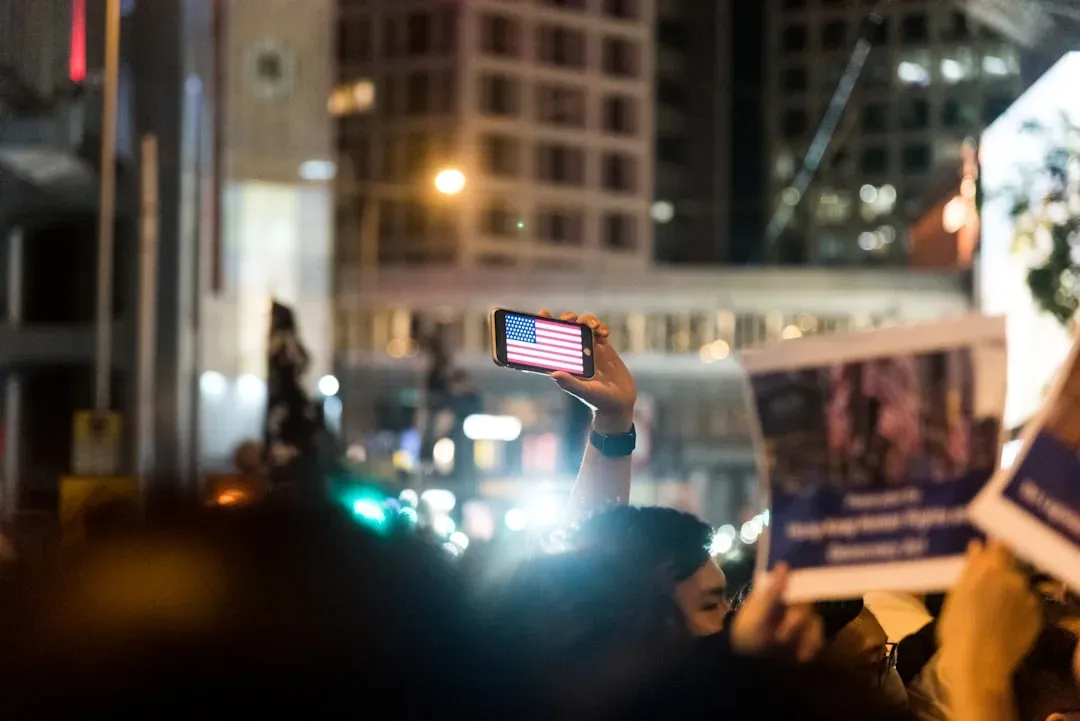
Social media has completely changed how protest music is produced, distributed, and listened to in the digital era, giving youthful activists effective means of swiftly reaching a worldwide audience. Young people are heavily represented on social media, which has helped messages spread quickly and significantly impacted movements like Black Lives Matter. A song no longer needs radio play or label backing to reach millions. It just needs a phone and something worth saying. The digital age has further amplified the reach of music and social media, and protest music has spread more rapidly globally, disseminating powerful messages across movements.
Capitalism has reshaped the industry; streaming numbers dictate success and songs are designed for virality. Music nowadays tends to favor short, catchy moments built for TikTok and playlist placements. Yet ironically, this very infrastructure has also allowed protest songs to bypass traditional gatekeepers entirely. The biggest three record labels – Universal Music Group, Sony Music, and Warner Music – own roughly two thirds of the recording market share, and their publishing wings own more than half of the music publishing market. Streaming platforms like Spotify and Apple Music further shape the landscape, as their algorithms favor digestible, repeatable content which may leave out protest music that demands deeper engagement. Artists who bypass the system entirely, as Welles has done, are finding that direct digital access is often more powerful than institutional support.
Protest Music Goes Global: From South Korea to the Americas
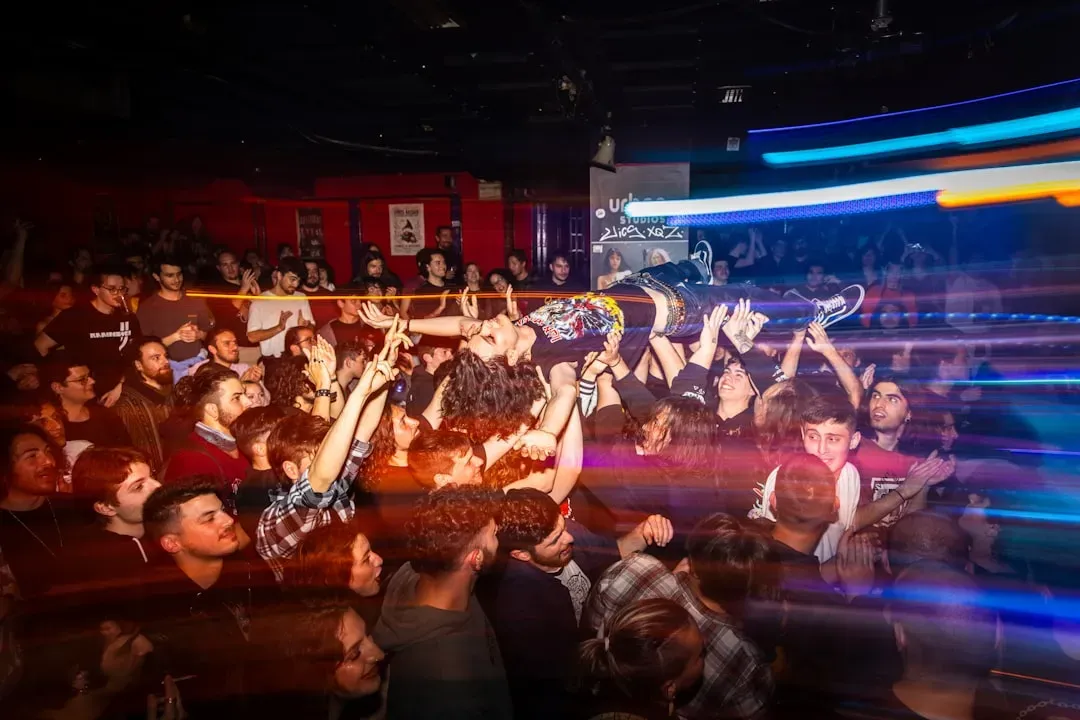
There has been a resurgence of protest songs due to the 2024 South Korean martial law crisis. South Korea, a country where protest music had largely faded since its democratization in the 1990s, found itself reaching back for a sonic language of resistance when the political crisis erupted. Neither Bruce Springsteen nor Bad Bunny nor Jesse Welles stand alone in creating songs that speak directly to the political moment. In fact, they are simply part of a wave that’s been building over the past decade, across genres, from Latin and indigenous hip-hop to ambient music addressing the climate crisis to historically aware jazz to renewed old-school folk.
Music is one of the most powerful tools to harness emotions of political rage when performed by artists who are actually enraged. Rage Against the Machine guitarist Tom Morello organized a benefit concert in Minneapolis and was seen sporting a homemade sign at protests in Minnesota and California in the days following a high-profile ICE-related death. Through its powerful lyrics, catchy melodies, and accessible instrumentation, protest music has historically been a medium used to challenge systems of oppression, promote social changes, and unify people behind common causes. Across every continent and culture, that function has not changed – and in 2025 and 2026, it has only grown louder.