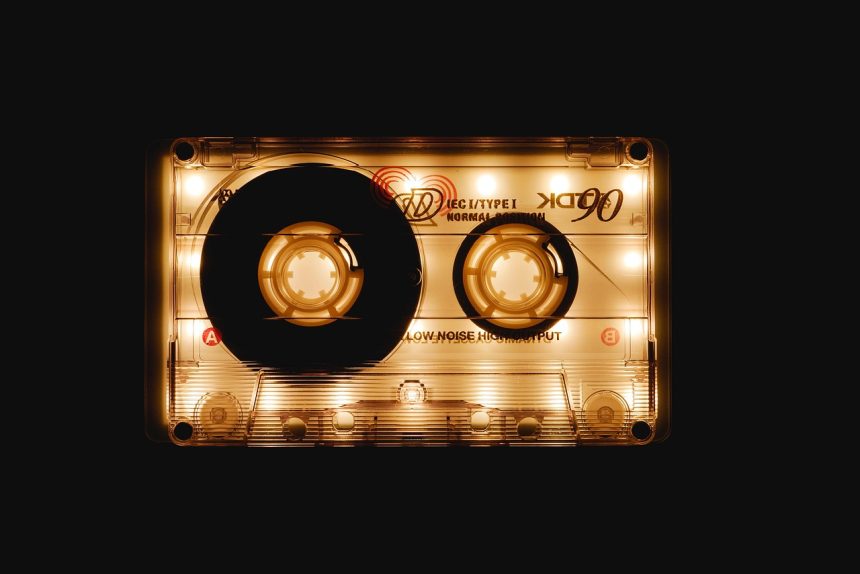
There was a particular kind of pride that came with owning the right tape. Not just any tape, but the one that got passed around at sleepovers, played through cheap boomboxes on a bus, or worn down from too many rewinds on a Walkman. Cassettes were never the highest fidelity format, but they were personal in a way vinyl and CDs never quite matched, and the albums that defined that era still hold up decades later. Interestingly, cassettes are having a real moment again. U.S. cassette sales hit 446,500 units in 2025, up 17.5 percent year over year, and younger listeners are rediscovering the format for reasons that have less to do with sound quality and more to do with holding something real. So it feels like a good time to look back at the tapes that mattered most the first time around.
Michael Jackson, Thriller
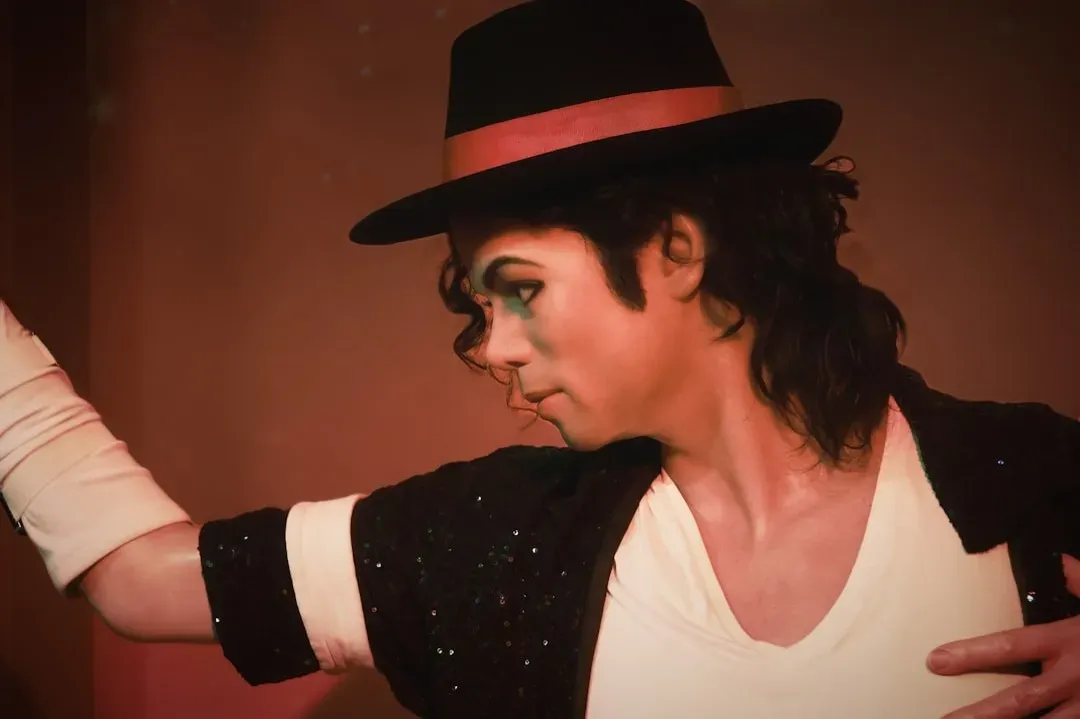
No list about cassette culture can skip this one, mostly because it defined what a blockbuster album cassette even looked like in the early eighties. Michael Jackson’s Thriller is the second-best selling album in the United States, and the album has gone 30 times platinum, winning eight Grammy awards in 1984, a record that has only been tied once by Carlos Santana. That kind of dominance meant the cassette version was everywhere, from car stereos to boomboxes on street corners.
Owning Thriller on tape wasn’t a bold statement. It was closer to a baseline requirement for anyone who cared about music in 1983. Still, there’s something to be said for having the actual cassette rather than just knowing the singles, since the tape forced you to sit with deep cuts like the title track’s spoken-word outro in full.
Prince, Purple Rain
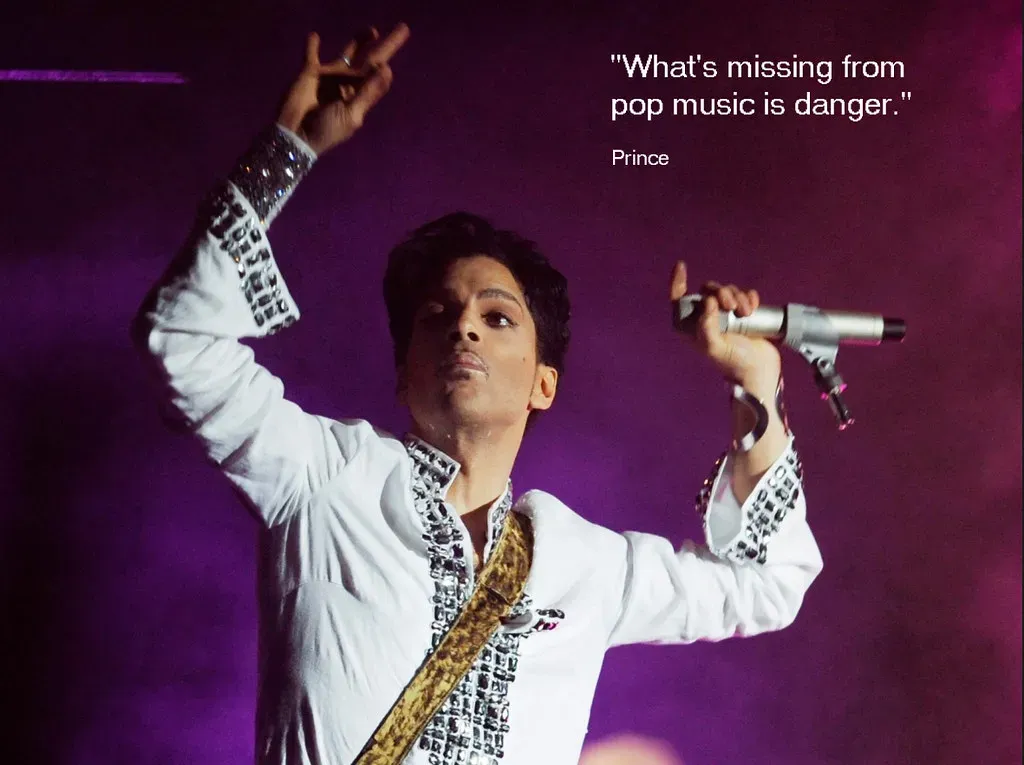
Purple Rain wasn’t just a soundtrack to a movie, it became one of the defining rock and funk records of the decade almost immediately. Worldwide sales of Purple Rain have racked up 25 million units, making it one of the best selling albums in history. The tape version carried an extra layer of intimacy, since so many people first heard “When Doves Cry” or “Let’s Go Crazy” through a car cassette deck rather than on the radio.
Critics have kept coming back to this album long after its release. It was named Pitchfork’s top album of the 1980s and ranks second in Rolling Stone’s list of the best albums of the eighties. If your cassette collection had this one with the cover worn soft from handling, that told people something about your taste without you needing to say a word.
Fleetwood Mac, Rumours
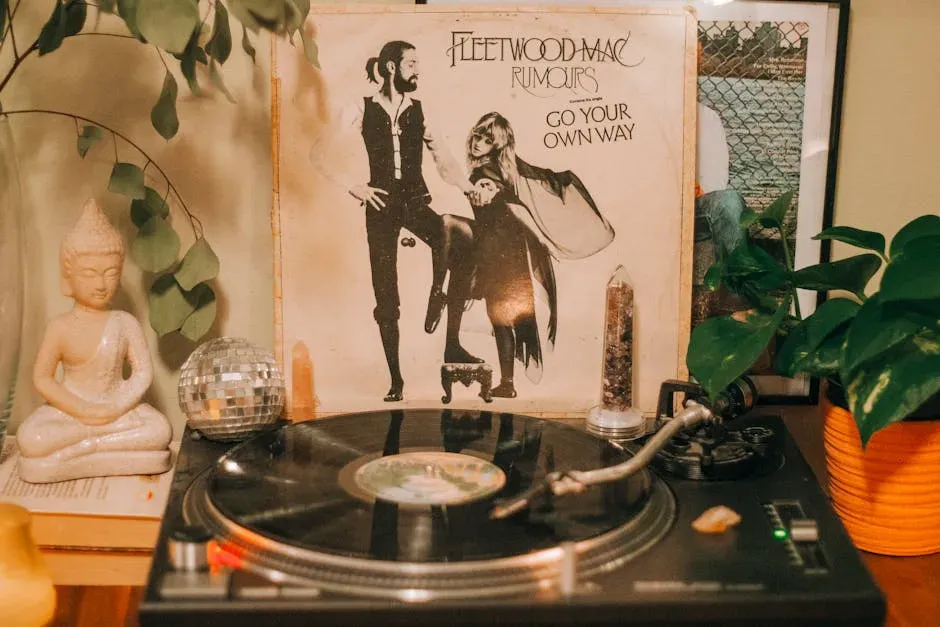
Rumours came out in 1977, technically a bit early for peak cassette culture, but it stayed in heavy rotation on tape well into the following decade. The album’s mix of heartbreak and harmony, written while the band members were falling apart personally, gave it a staying power that transcended any single format or era. It sold in the tens of millions worldwide and remains one of the most enduring records in rock history.
What made owning Rumours on cassette feel special was the flip side experience. Side one carried the hits like “Dreams” and “Go Your Own Way,” but flipping to side two rewarded patient listeners with quieter, more reflective tracks that never got the same radio attention. That kind of format-specific discovery is something streaming just can’t replicate.
Whitney Houston, The Bodyguard: Original Soundtrack Album
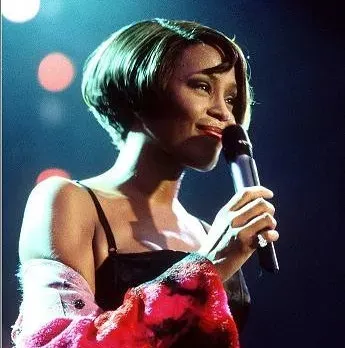
This one might be the single most important cassette of the entire format’s history in terms of raw numbers. Whitney Houston’s The Bodyguard: Original Soundtrack Album reached sales of more than 17 million units within the United States, with the majority of those sales made through cassette tapes, and during the early 1990s cassette remained the dominant format, allowing the soundtrack to reach over 45 million units worldwide. Few albums in history leaned so heavily on one format to reach that kind of scale.
“I Will Always Love You” became the song people reached for during breakups, long drives, and quiet nights alone, and having it on tape meant you could rewind that specific moment as many times as you needed. The Bodyguard maintained its position as the best-selling cassette while several other iconic albums dominated the market. That says a lot about how deeply this one resonated at the time.
Guns N’ Roses, Appetite for Destruction
Appetite for Destruction arrived in 1987 with a sound that felt dangerous compared to the polished pop dominating the charts. It went on to become the best selling debut album in U.S. history, a title it still holds today, and much of that success happened while cassette was still the format of choice for rock fans on the move. The tape version, with its shrink wrap warning label, felt like it belonged in a glove compartment more than a living room shelf.
What set this album apart from its hair metal contemporaries was its rawness. Songs like “Welcome to the Jungle” and “Paradise City” didn’t sound manufactured, and owning the cassette meant you probably discovered the record through a friend’s car stereo rather than MTV. That word of mouth spread, tape to tape, is part of what made the album’s legend grow the way it did.
Nirvana, Nevermind
By 1991, cassette sales were already starting to slip against the rising CD format, but Nevermind still moved huge numbers on tape, especially among younger listeners who didn’t yet have CD players in their bedrooms or cars. The album eventually sold over 30 million copies worldwide and effectively ended the commercial dominance of hair metal almost overnight. Owning it on cassette back then meant you caught the wave early, before “Smells Like Teen Spirit” became inescapable.
Partner offer
There’s a particular irony in how a record about disaffection and outsider culture became one of the most mainstream cassette purchases of its year. Kids dubbed copies for friends who couldn’t afford the original, spreading the album even faster than radio could. That kind of grassroots cassette culture, copying and sharing, was part of what made Nirvana feel like it belonged to its fans rather than a label.
Public Enemy, It Takes a Nation of Millions to Hold Us Back
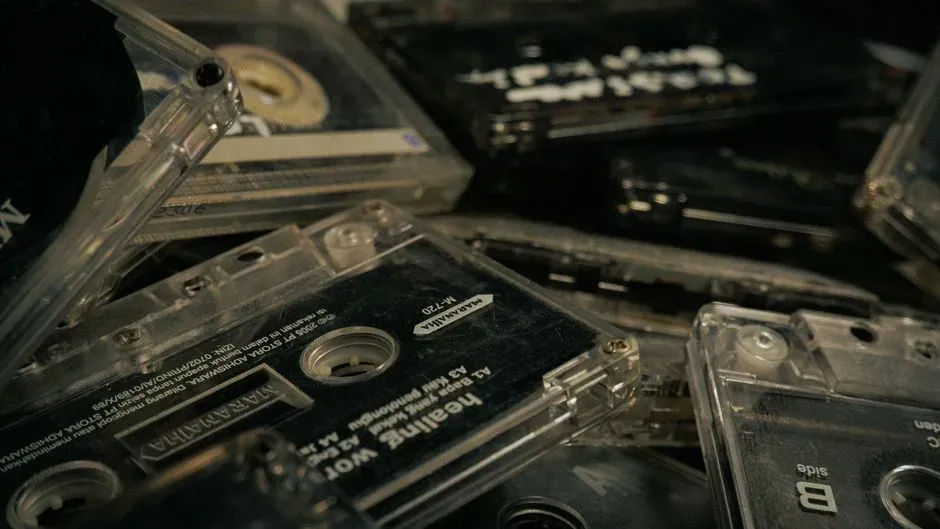
Released in 1988, this album pushed hip hop into far more political and sonically aggressive territory than most mainstream listeners were used to. It Takes A Nation Of Millions To Hold Us Back consistently ranks among the most important albums of the entire decade, sitting alongside rock and pop records that dominated sales charts. Owning it on cassette in the late eighties meant you were paying attention to something that mattered beyond the Billboard top forty.
The production, dense with samples and noise, worked surprisingly well on tape, where the format’s natural warmth softened some of the album’s harsher edges without dulling its message. This wasn’t background music. It demanded attention, and cassette owners who wore this one out tended to be the same people introducing friends to hip hop’s more confrontational side.
Run-D.M.C., Raising Hell
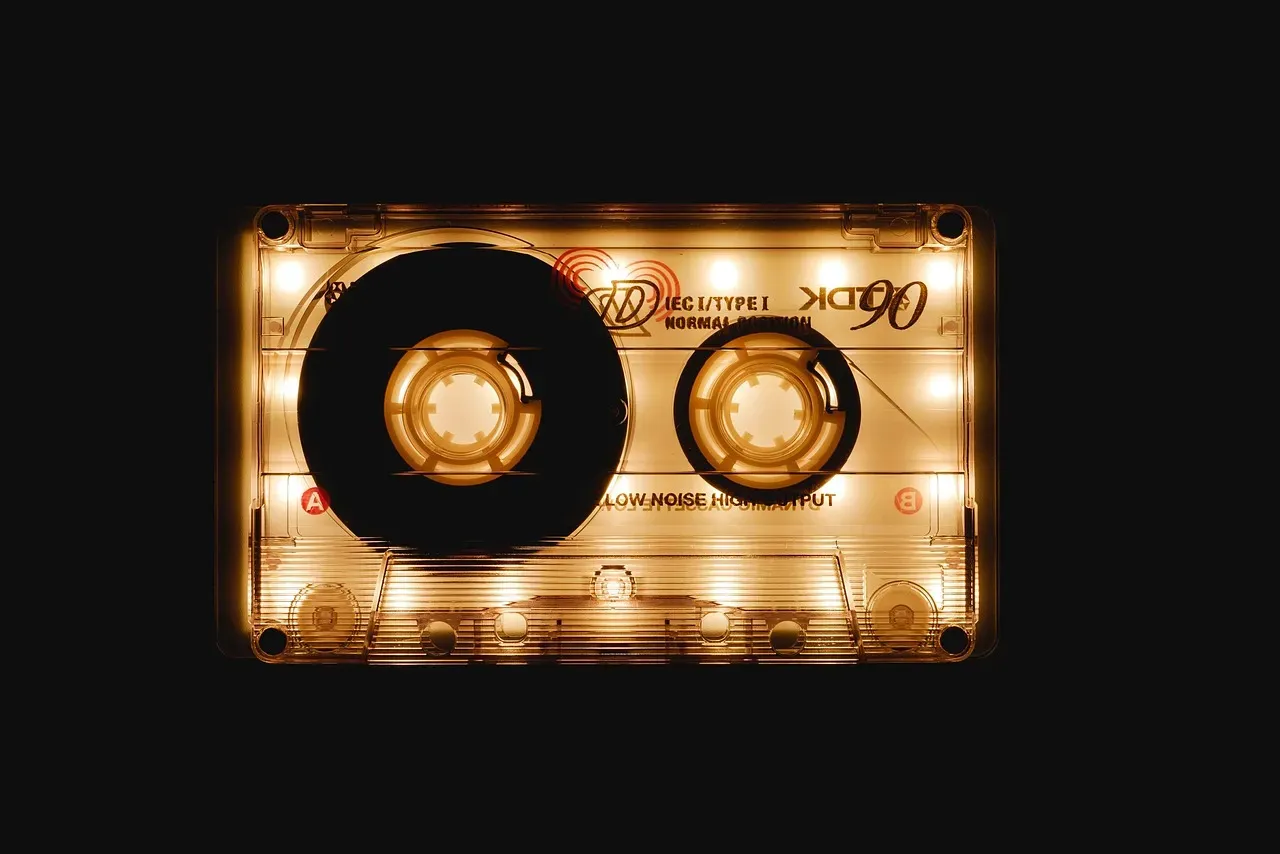
Run-D.M.C.’s Raising Hell arrived in 1986, when hip hop was still young and fairly new to the masses, needing a voice and a group to help it cut through the pop and rock clutter of the era. Thanks to Run-D.M.C., with a little help from Aerosmith, the genre was able to kick down pop radio’s door for good. The “Walk This Way” collaboration alone pulled hip hop into households that had never given the genre a chance before.
Cassette copies of Raising Hell became a kind of crossover currency in the mid-eighties, showing up in collections that otherwise leaned heavily toward rock or pop. It proved hip hop could sell in serious numbers without losing its identity, and the album’s influence on the genre’s commercial future is hard to overstate. If you had this one on tape early, you understood something about where music was heading before most people did.
Talking Heads, Remain in Light
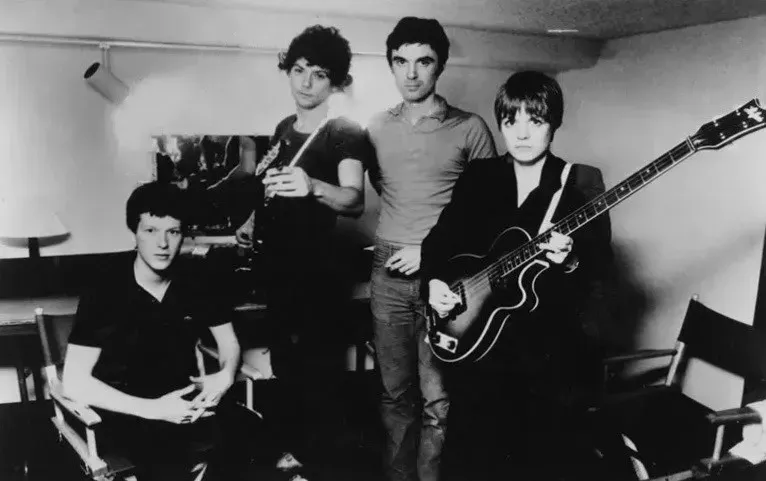
Often considered their magnum opus, Remain in Light works like a genre melting pot experiment, blending funk, electronics, new wave, and even African polyrhythms into something that hadn’t quite existed before. Released in 1980, right at the start of the cassette boom, it never sold the way Thriller or Purple Rain did, but its influence on subsequent decades of music has been enormous. This is the kind of album that separated casual listeners from people who genuinely dug into what was happening at the edges of popular music.
Nearly forty years later, “Once in a Lifetime” still sounds like a song that could have come out yesterday, which is a rare thing for any track from that era. Owning this one on cassette wasn’t about chasing hits. It was a quieter kind of statement, the sort collectors made when they wanted music that rewarded repeated, close listening rather than background noise.
Why these tapes still matter today
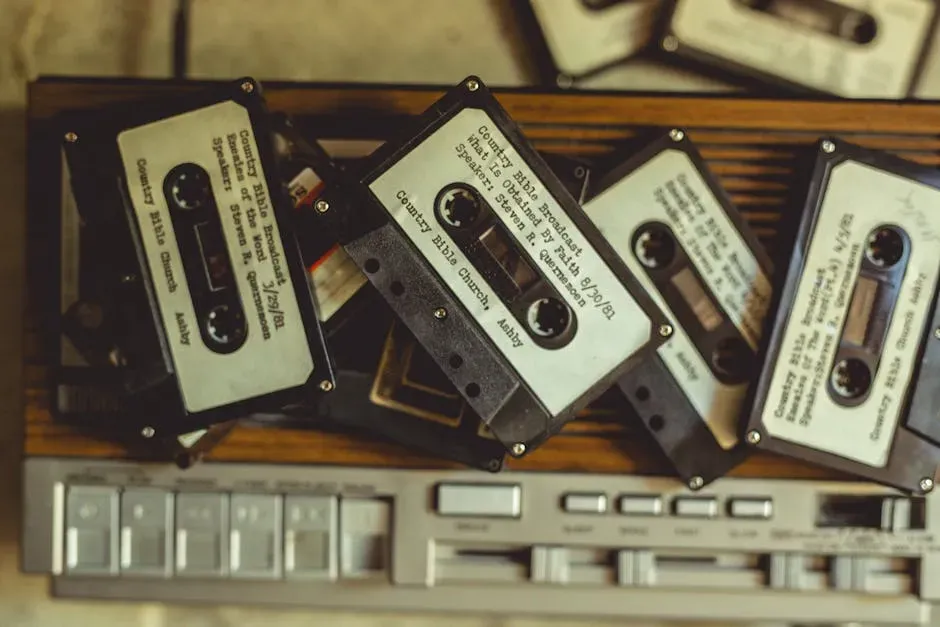
What ties these nine albums together isn’t genre or even era exactly, since they span funk, hip hop, hard rock, and art pop across more than a decade. It’s that each one pushed something forward, whether that was Whitney Houston proving a soundtrack could outsell nearly everything else in a given year, or Run-D.M.C. cracking open hip hop’s mainstream future. Cassette ownership back then wasn’t just about convenience. It reflected where your ear was pointed.
These records are part of why the format refuses to fully disappear. Taylor Swift’s 2025 album The Life of a Showgirl launched with 27 physical editions across vinyl, CD, and cassette, while Sabrina Carpenter’s Man’s Best Friend topped the UK’s international cassette charts for the second year in a row. The format that once carried Thriller and Rumours is quietly finding new listeners again, which is a strange but fitting kind of full circle.
Partner offer
Planning a trip to Vegas?
Compare hotel rates and show tickets on VEGAS.com.