There’s something almost mythological about the backstage world of an 80s pop concert. The decade was louder, bigger, and stranger than most, and what happened behind the curtain often matched the spectacle happening out front. The 1980s were a remarkable era for live music, where concert tours weren’t just about music but were spectacular events that left lasting impressions, and they set the standard for live entertainment that still influences shows today.
Still, for everyone who actually had a backstage pass during that era, or who knew someone who did, certain things were just accepted as normal. The rituals, the quirks, the demands, and the pre-show superstitions. Some were practical, some were paranoid, and some were spectacularly strange. Here are seven backstage rituals that anyone who spent time behind the scenes at an 80s pop concert will immediately recognize.
The Rider Was Basically a Legally Binding Wish List
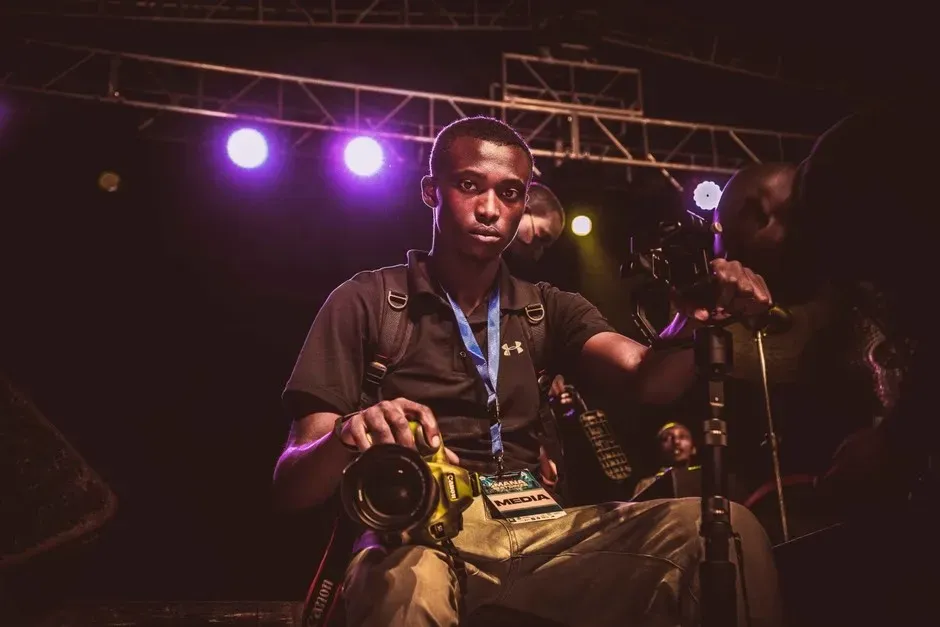
Artists on the road provided concert organizers with a “rider,” a document that explained both the technical requirements of each act on the bill, and what the talent and their entourages required to make their time backstage comfortable and conducive to putting on a good show. In the 80s, this document became something of an art form in itself. The general tenor of the 1980s was extravagance and exuberance, and many artists’ backstage demands were no different.
The rider could run to dozens of pages. In 1982, Van Halen issued a concert rider that, more than 40 years later and after inspiring countless other bombastic arena tours, is still certified by Guinness World Records as the longest and most complicated ever issued. If you were backstage then and someone handed you a thick stapled document before you could touch the green room snacks, that was completely normal life.
Someone Was Always Sorting the Brown M&Ms
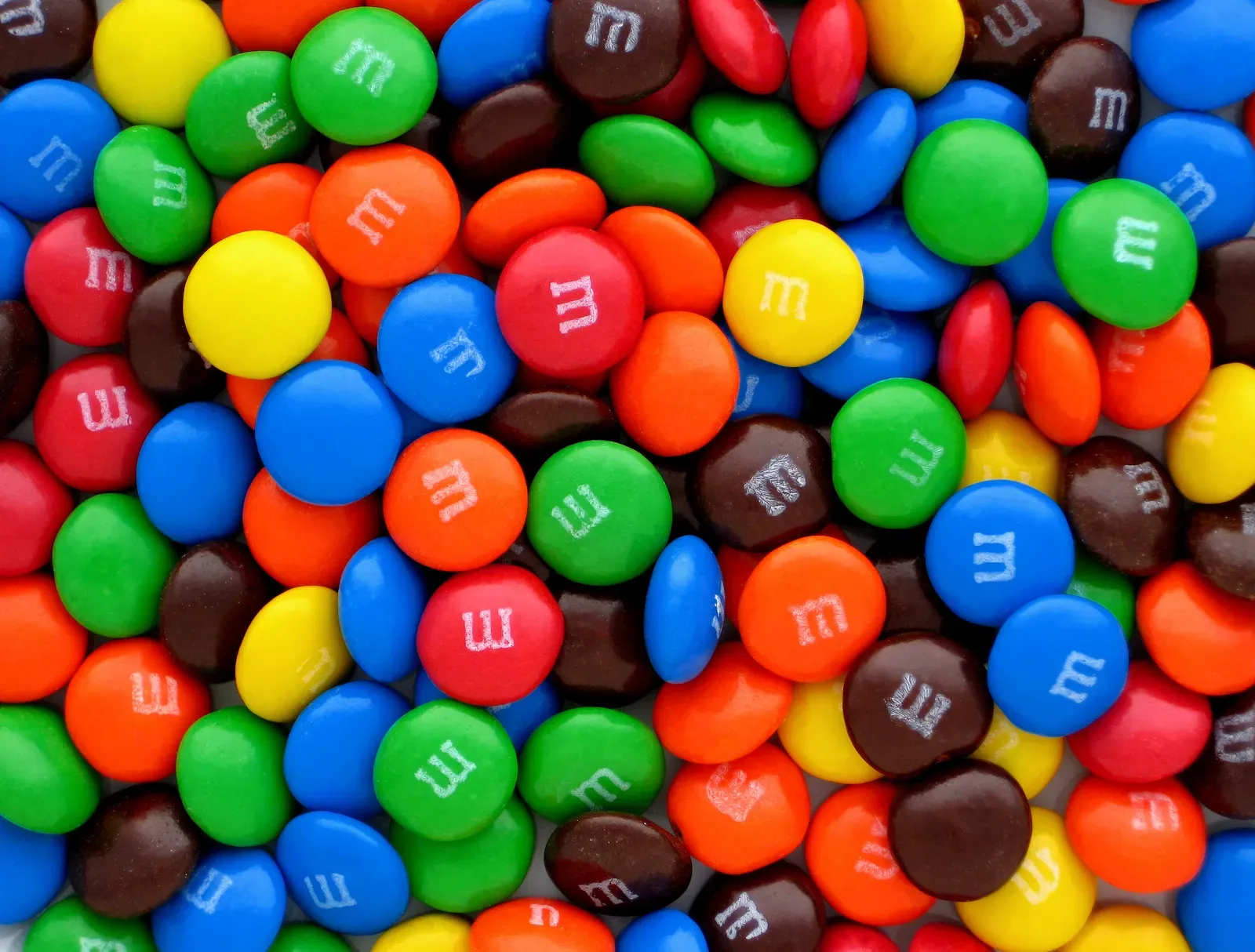
Arguably the most famous bizarre backstage ritual in rock and roll history is how Van Halen would always request a bowl of M&Ms with only brown ones removed, and while it may sound like a petty request, there was a specific reason the band insisted upon it, acting as a test for the crew handling their monstrous production. David Lee Roth explained that “many years ago, it was part of Van Halen’s contract as we toured through the arenas in the ’80s that there would be no brown M&Ms found in the backstage area, or the promoter would forfeit the entire show at full pay.”
The story became a rock and roll fable, with one backstage worker recalling that her mother would toss her bags of M&Ms and have her pick out all the brown ones for Van Halen, though she didn’t throw them out and kept them for herself. Eccentric as it sounds, the logic was real. Experts have since called it a very smart business tactic, stating that Van Halen did this to make sure that the venue staff read their rider thoroughly.
The Pre-Show Vocal Steam Session
Protecting the voice was a serious matter for any 80s pop act, and vocal steaming before a show was a common sight in dressing rooms across the decade. Paul McCartney is known to face steam one hour before showtime, a ritual he learned from Little Richard. The idea was simple enough: warm, moist air helps loosen up the vocal cords before the strain of a full show. The technique involved getting a kettle full of hot water in the sink, putting a towel over the head, and breathing in to get the vapours.
You’d see singers hunched over buckets, towels draped over their heads, completely still and focused in a corner of the dressing room. It looked odd to anyone who didn’t know what was happening. It was, in fact, entirely professional and surprisingly effective. Many vocalists paired it with a salt-water gargle, another old trick passed down through generations of performers long before the 80s glamour arrived.
The Full Makeup and Hair Ritual That Took Hours
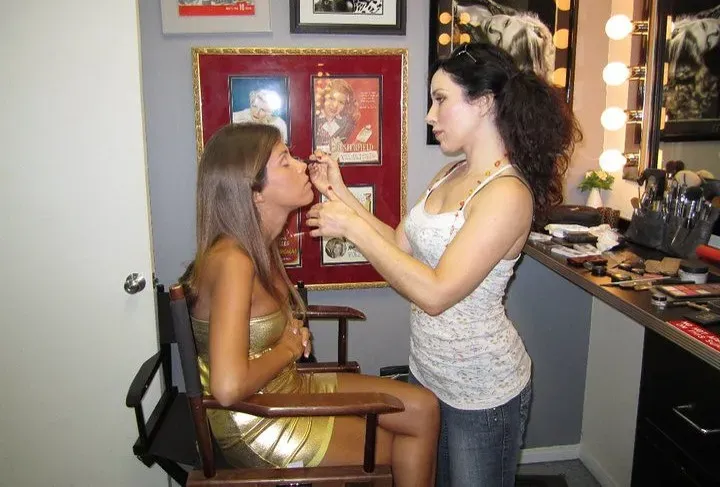
As the shock rock and hard rock scenes of the seventies gave way to the glam rock and hair metal scenes of the eighties, a new batch of musicians used makeup and costume as a tool to find notoriety, with bands like Twisted Sister, Mötley Crüe, and Poison using a combination of feminine makeup and sexually provocative costumes to perpetuate a brand built on living life to excess. This wasn’t just a quick touch-up. It was a full transformation that could consume two hours or more before a single note was played.
The backstage air during this era was thick with hairspray, eyeliner pencils, and the low hum of blow dryers. Glam metal was notably associated with flashy clothing and makeup, and the process of getting ready was treated as seriously as the soundcheck itself. For many acts, the visual identity was inseparable from the music. Being seen in the wrong wig, or with the wrong shade of eyeshadow, wasn’t just an aesthetic failure. It was a brand failure.
The Barely Disguised Pre-Show Huddle and Group Shout
Whether it was a prayer circle, a group chant, or a team huddle that belonged more in a locker room than a concert hall, it was not uncommon for artists to go into a huddle before showtime. Musicians create their rituals over time in preparing to step foot on the stage, and over decades, backstage observers have seen everything including stretches, instrument warm-ups, listening to specific music, prayers, and meditation. In the 80s, the group energy ritual was especially common.
The sheer scale of 80s arena productions meant that dozens of people, from musicians to backing dancers to costume staff, were all gathered in the same corridor in the minutes before showtime. Someone always started a clap or a call-and-response shout. Musicians often stuck to a ritual to shake off the nerves and prepare for another top-notch show. The backstage huddle was the most visible version of that, and once a band did it once and had a great show, it became untouchable tradition.
The Enormous and Highly Specific Food Demands
Food riders in the 80s ranged from surprisingly health-conscious to absolutely baffling. Howard Jones, while barely having registered a hit and only undertaking a modest college tour of the UK during summer 1983, had backstage demands that included eight pounds of brown rice, six large aubergines, three pounds of courgettes, green peppers, a head of garlic, fresh tomatoes, twelve mixed yogurts, and twelve bananas. He also requested that his dressing room possess a “sweet-smelling ambience.” That was a relatively mild example by the standards of the era.
Van Halen’s legendary 1984 Monsters of Rock show at Castle Donington required eight litre bottles of Jack Daniels, eight litre bottles of brandy, eight litre bottles of vodka, sixteen cases of domestic beer, and a worldwide selection of cheeses. Meanwhile, Madonna’s infamous riders allegedly included a brand-new toilet seat at every venue, white and pink roses with their stems cut to exactly six inches, and twenty international phone lines in her dressing room. Normal by 80s standards. Barely worth commenting on, backstage.
The Deliberately Scripted Encore Exit
Encores might feel like a planned part of every concert, but the tradition began as a genuine audience demand during 19th-century opera performances, when audiences would clap and cheer until the artist returned for an extra song, and over time the encore has become so expected that artists now build it into their setlists. By the 80s, the fake exit was pure theatre. The band would leave the stage, retreat to the wings, towel off, and simply wait for the crowd noise to hit the right pitch before walking back out.
In popular music concert culture, the encore has become pretty much a given, and audiences know that popular musicians are lying when they say “this is the last song.” Backstage in the 80s, the encore break had its own quiet ritual. Research suggests that roughly four in five concertgoers now anticipate an encore at shows, making it a defining moment of the night. In the 80s, that number was probably no different. Everyone knew the game. The artists stood in the wings, still catching their breath, waiting for the moment that felt just right to walk back into the roar.