
Most cat owners have woken up at some point to find a warm, purring weight settled on their chest or curled behind their knees. It happens so often that it starts to feel routine, yet very few people stop to ask what it actually signals. The behavior is not random, and it’s not simply about finding a soft surface.
Many cat owners assume their pets are just looking for a soft spot, but there is much more to it. A cat’s choice to sleep on you combines instinct, emotion, and habit, revealing a great deal about how it sees you and what you mean to it. Veterinarians have spent considerable time studying these patterns, and their findings are worth knowing.
It’s One of the Clearest Signs of Trust a Cat Can Show
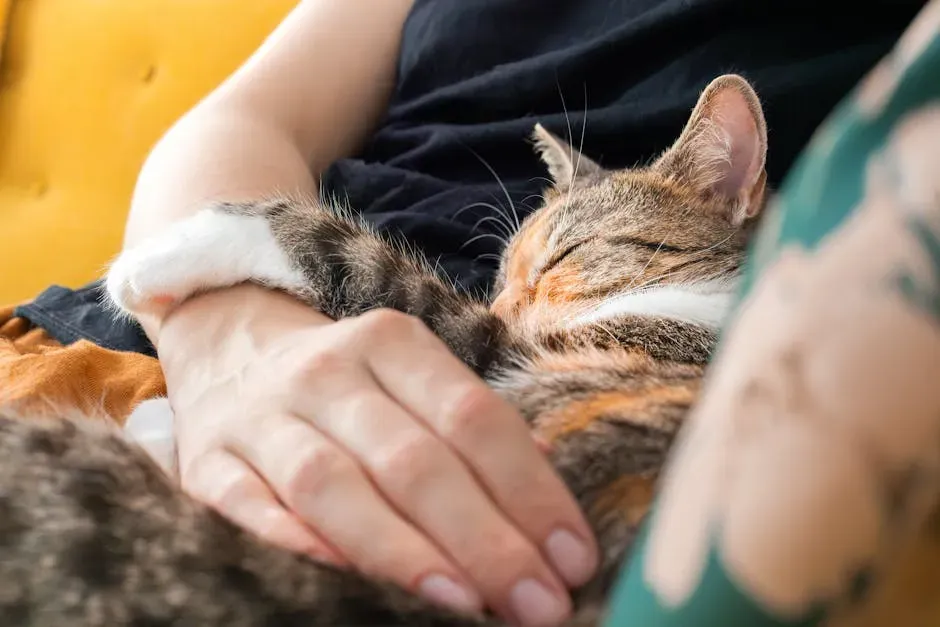
Sleep is when a cat is most vulnerable. By choosing your body as a resting spot, your cat is showing that they see you as a protector – a clear sign they feel completely safe with you. That’s no small thing in the feline world, where self-preservation runs deep.
Trust plays a pivotal role in a cat’s life. When your cat chooses to sleep on you, it’s a clear indication of the trust they’ve developed in your presence. Cats are inherently cautious creatures, and their decision to rest on you showcases their confidence that you won’t pose a threat while they’re at their most vulnerable.
Your Body Heat Is a Major Part of the Appeal
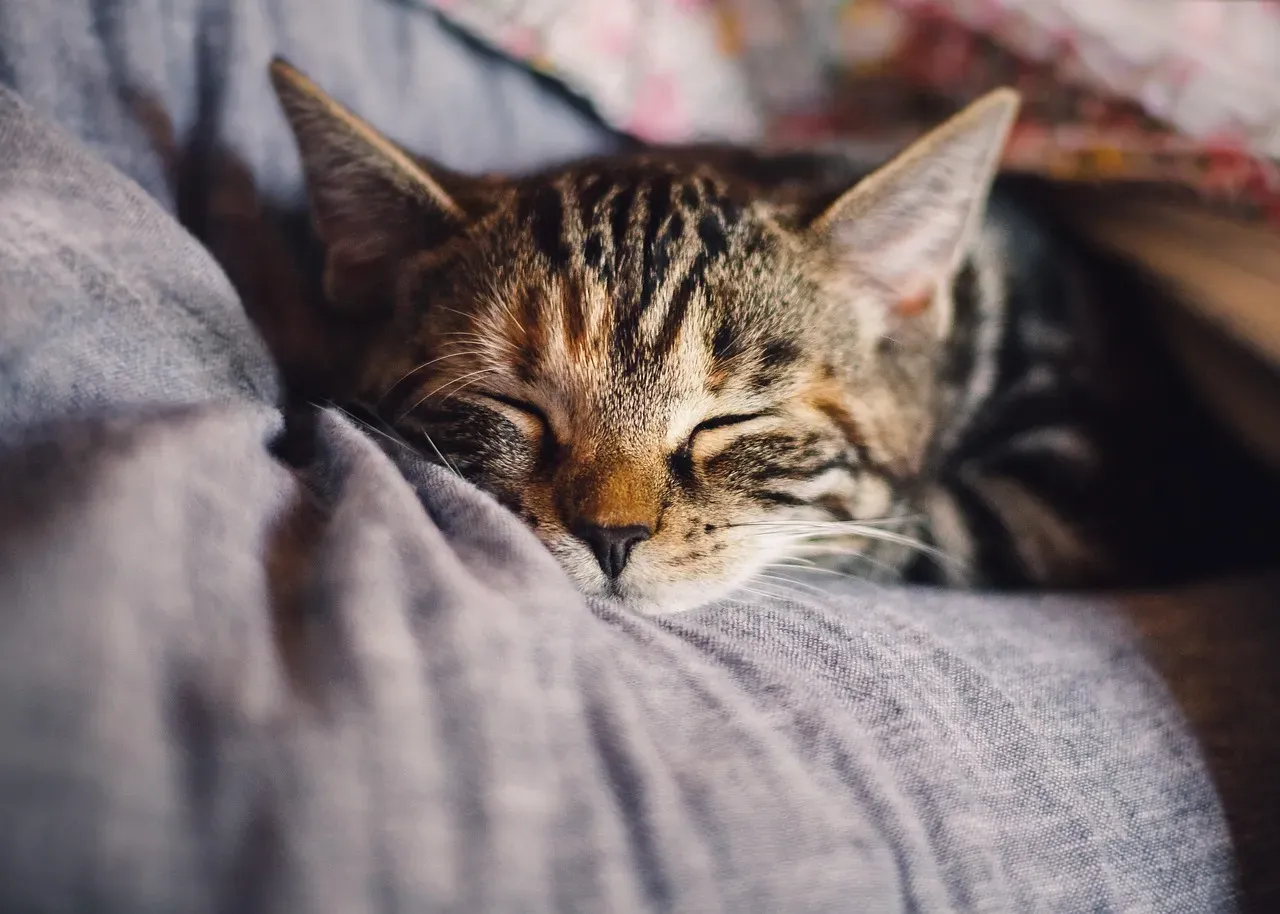
One of the simplest reasons your cat sleeps on you is also one of the most powerful: warmth. Cats naturally seek out warm, cozy spots because their bodies are built to conserve heat. When you’re lying still, your chest, lap, or feet become a steady source of gentle warmth that helps your cat maintain a comfortable body temperature with very little effort. On a chilly night, your blanket traps that heat, turning you into a living heating pad.
This is especially true for smaller or short-haired cats, which can lose warmth more quickly and may rely on warm surfaces to stay comfortable. At the most basic level, cats can’t resist sleeping near you for the warmth of your body. A warm human can be the “perfect place” for sleeping at night, especially near the head and feet, from where most body heat escapes.
Sleeping on You Is Rooted in Deep Feline Instinct
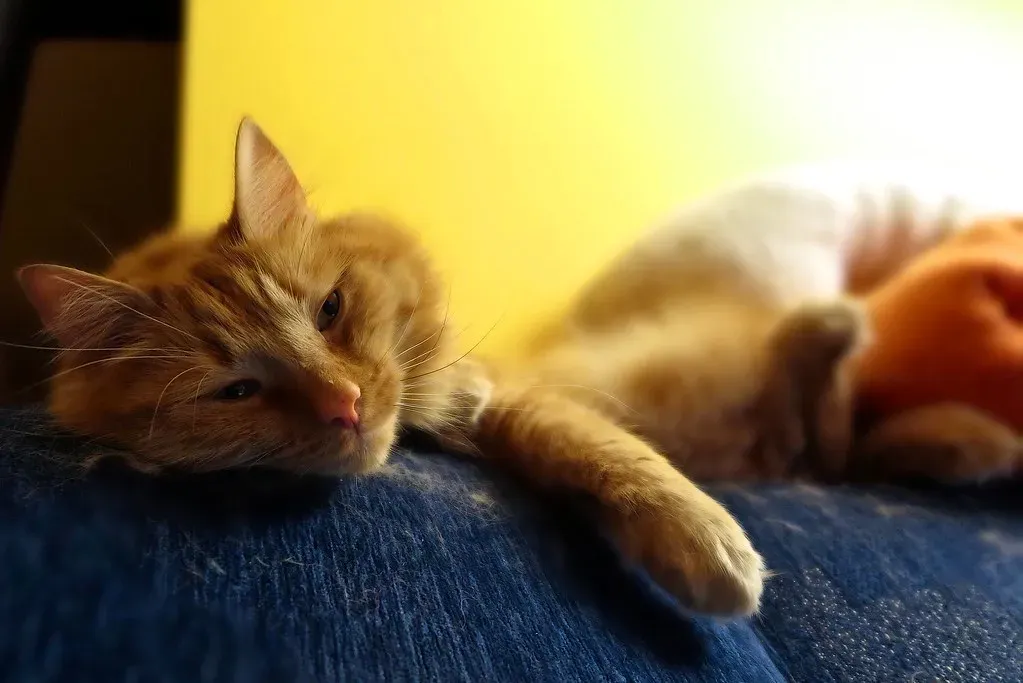
From a biological standpoint, cats are predators and prey, and that dual role shapes their behaviors even in domestic life. In the wild, cats sleep in secure, elevated, or enclosed spaces to avoid threats. By choosing to sleep on their owner, they may be instinctively selecting a “safe zone.”
In nature, cats exist as both predators and prey – a duality that keeps them constantly alert for hunting opportunities while seeking safe refuge from potential threats. When your cat chooses to sleep on you, they’re essentially designating you as their ultimate safe space during this vulnerable time. Your lap, chest, or even a single leg offers your cat a warm, soft, and often elevated position where they can feel completely secure.
The Sound of Your Heartbeat Actually Matters

Your cat also enjoys the rhythmic sound of your heartbeat and breathing. These steady sounds can remind them of the soothing purrs and warmth they felt as kittens snuggled with their mother and littermates. Your chest provides both comfort and familiarity, which promotes relaxation and strengthens the emotional connection between you and your cat.
If your cat chooses to sleep on your chest, it is placing itself right over your heart and lungs, where there is steady movement and sound while you sleep. This behavior mirrors kittenhood, when young cats pile up close to their mother to hear her breathing and feel the rise and fall of her sides. It’s a callback to some of the earliest comfort they ever knew.
They’re Also Marking You as Part of Their Territory
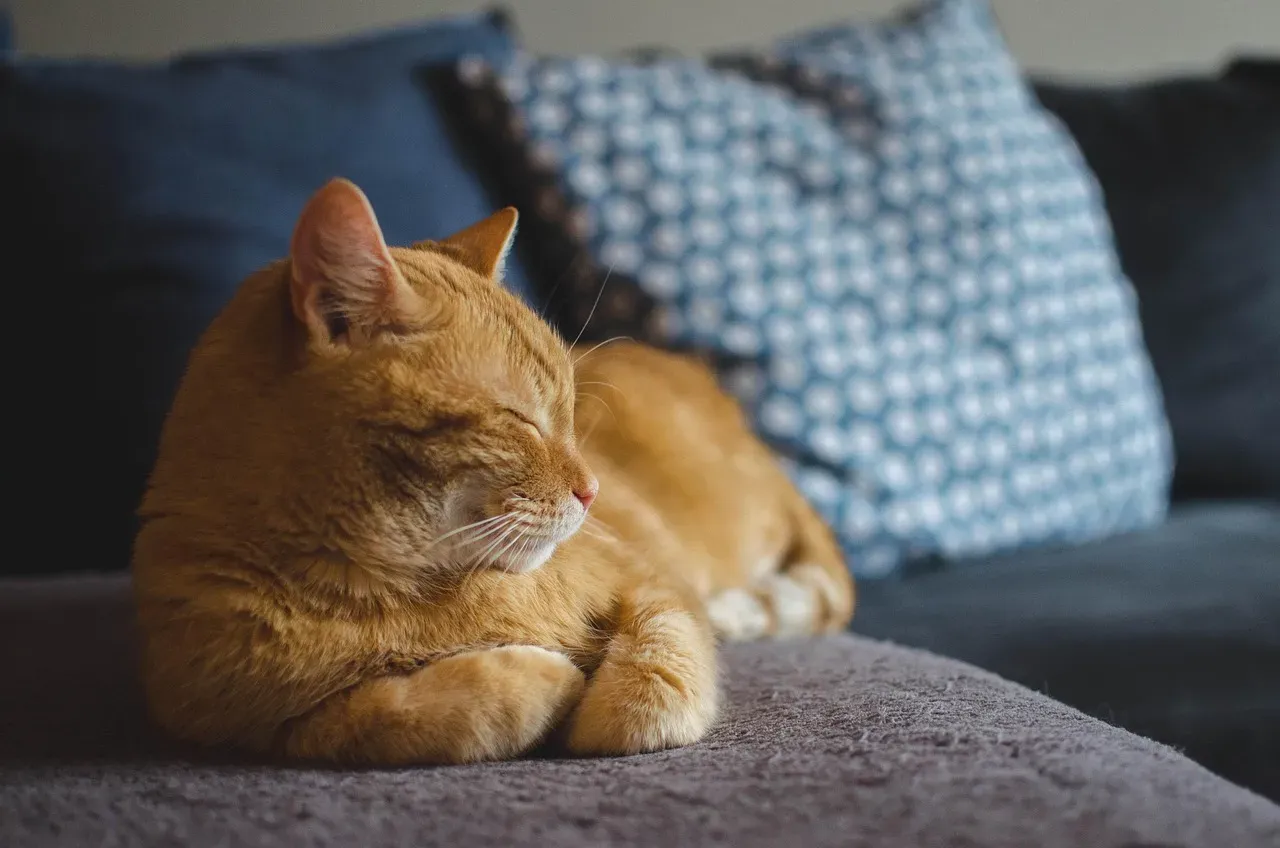
Cats are territorial creatures. When they sleep on you, they might also be marking you – subtly claiming you as part of their territory through scent exchange. Their body oils contain pheromones that signal ownership, bonding, and familiarity. This form of territorial behavior isn’t possessive in a negative sense; it’s actually a sign of affection and inclusion.
Many owners notice their cats also love to sleep on worn T-shirts or in laundry baskets because their scent has become a sort of portable security blanket. When your cat settles on you at night, it is renewing this shared scent map, reinforcing the idea that you and your home are its territory – and that you belong together.
Where Exactly Your Cat Sleeps on You Has Meaning Too
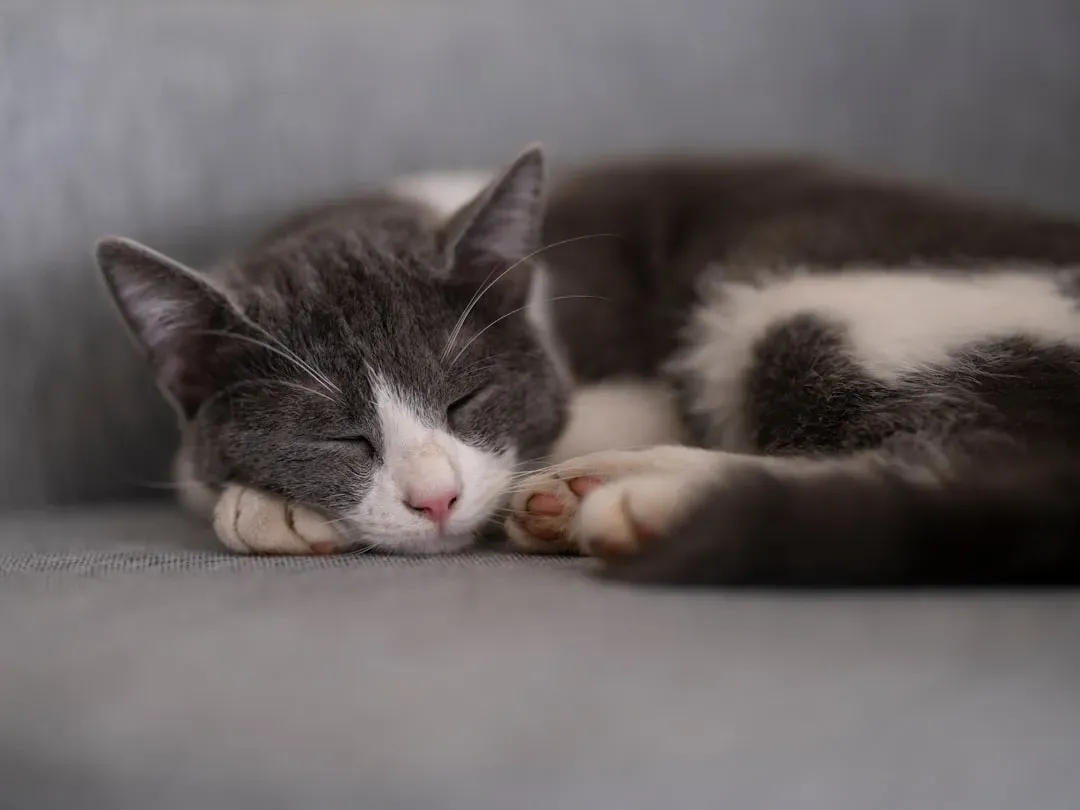
If your cat likes to sleep near your head, it’s probably because your body releases a lot of heat from there while you sleep, making it extra cozy. You also don’t move your head much in your sleep, so your cat knows they’re less likely to get disturbed up there. Another reason your cat might like to sleep near your head is that they like the smell of your shampoo and your natural hair oils.
If your cat sleeps beside you but not directly on you, it still indicates trust and companionship. They enjoy being near you while having the freedom to move easily. Some cats prefer your feet because they can stay close but avoid too much contact. It’s a way of showing attachment while maintaining their sense of independence.
There’s Real Biochemistry Behind the Bond
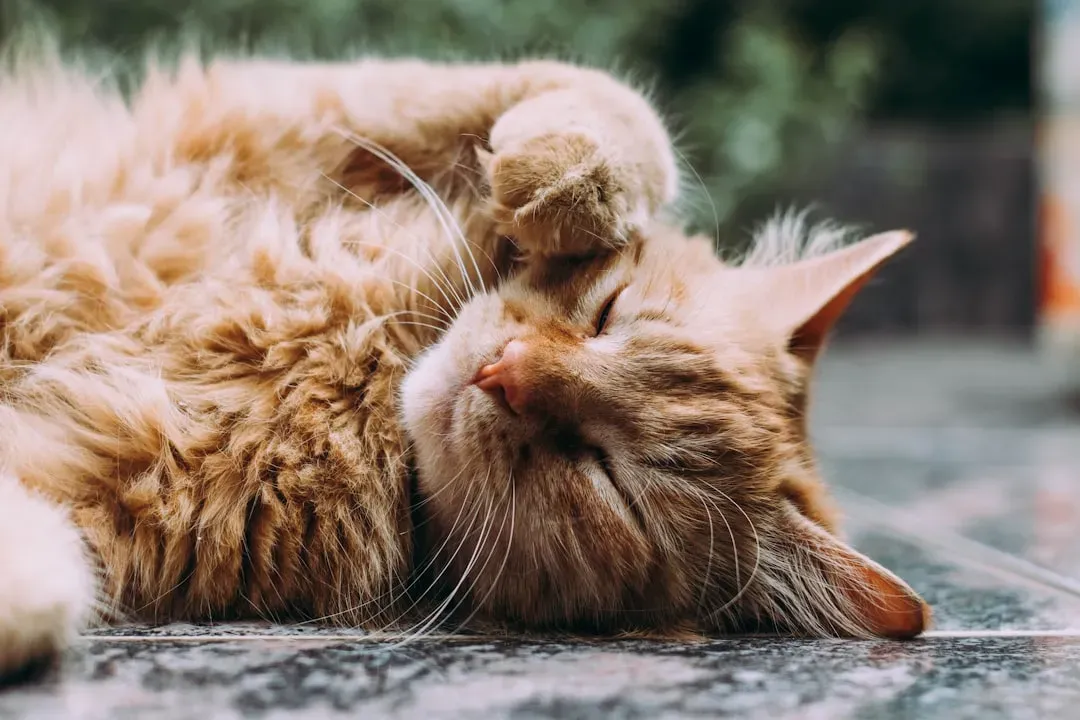
Through studying cat hormones, experts have shed light on feline behaviour. A study by American neuroscientist Paul Zak revealed that cats experience an increase in oxytocin levels – the hormone associated with bonding and affection – when they interact with their owners. That’s the same hormone humans release during close social contact.
Research has even drawn parallels between the owner-cat relationship and the parent-child dynamic, suggesting that your cat’s well-being can be linked to your personality and attachment style. These moments of closeness extend far beyond simple physical proximity – they represent a vital form of social bonding. Research also found that cats who engage in frequent physical closeness with their owners display higher levels of relaxed body posture and lower stress markers during interactions.
Environmental Changes Can Trigger the Behavior Suddenly
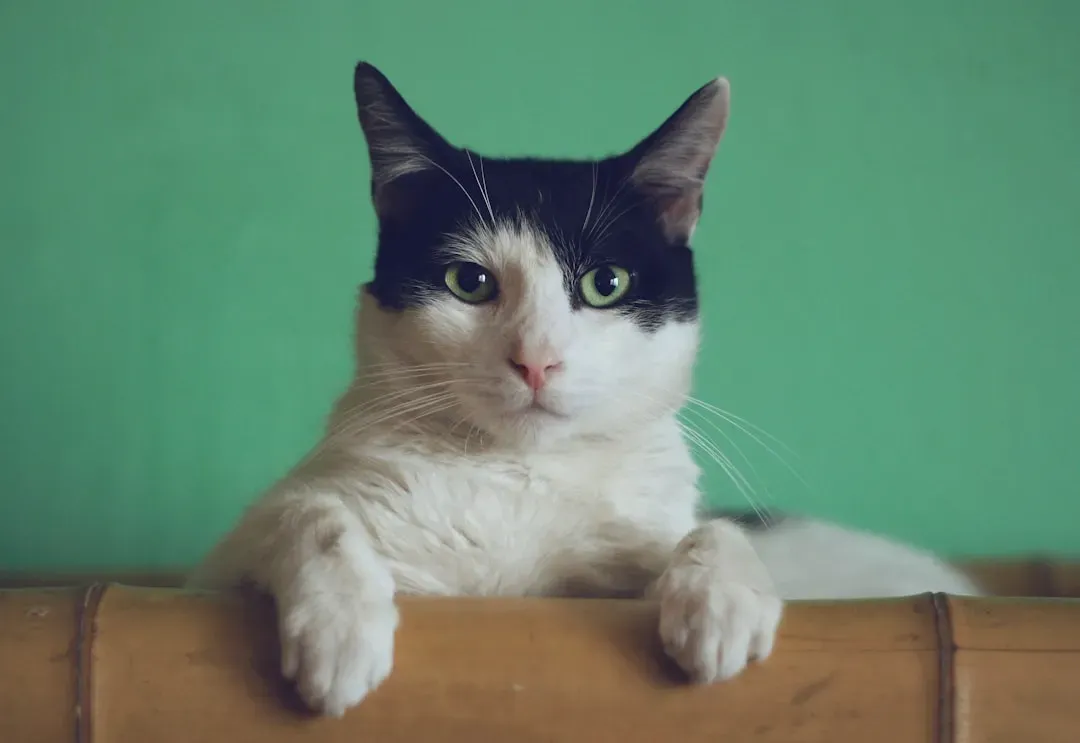
Cats thrive on consistency. A change in their environment – new furniture, moving homes, the introduction of a new pet, or even your altered work schedule – can make them feel insecure. Sleeping on you becomes a coping mechanism, a way to re-establish stability and reassurance.
Cats are prone to anxiety, particularly when faced with changes in their environment or routines. Sleeping on you can be a way for your cat to alleviate separation anxiety. Your presence provides a sense of security, reducing their stress levels and helping them sleep more soundly. It’s worth paying attention when the cuddling increases sharply around a life event.
When a Sudden Change in This Behavior Warrants a Vet Visit
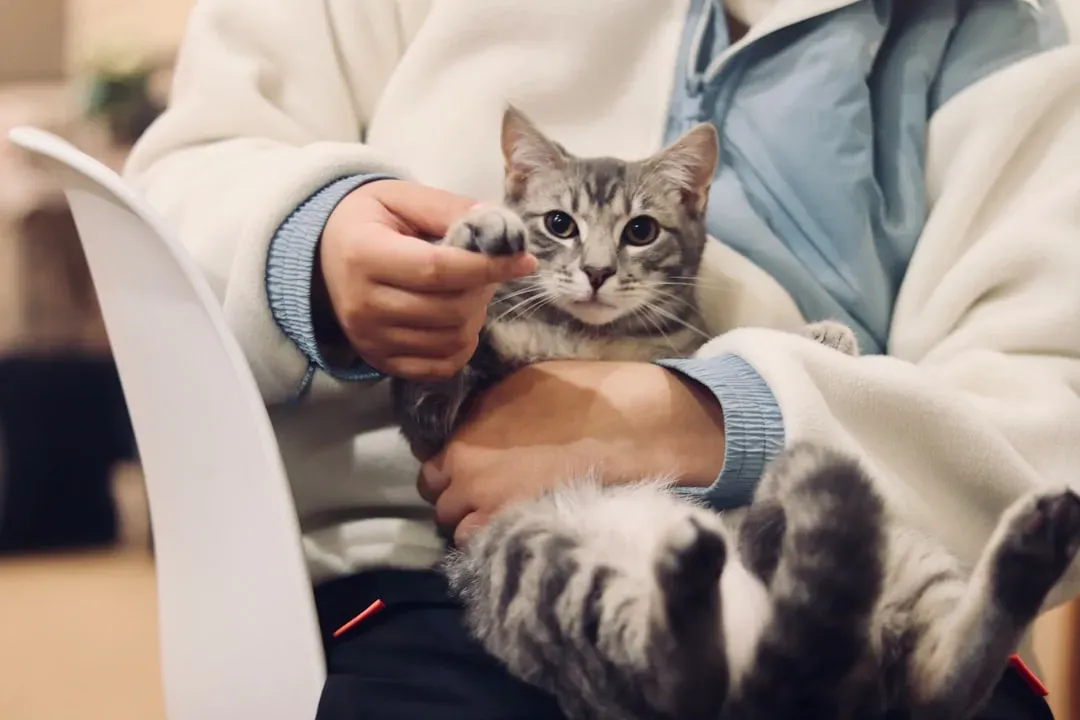
If a cat that has always loved sleeping on you suddenly stops, it might be too warm, slightly uncomfortable with a new blanket, or simply exploring new spots. However, a sudden shift combined with other signs – like hiding, reduced appetite, or less grooming – can signal that your cat is not feeling well. In those cases, a check-up with your veterinarian can help rule out pain, illness, or age-related issues.
While it’s adorable and heartwarming to have your cat sleep on you, there are instances when it might be a cause for concern. If your cat’s behavior changes suddenly or they display signs of distress or illness, it’s crucial to consult a veterinarian or behaviorist for guidance. Cats are creatures of habit and routine. If your cat constantly sleeps on you, it’s a testament to the strong bond you share. If your cat’s sleeping habits change suddenly, it could signify distress or illness. It’s essential to monitor their behavior and consult with a veterinarian to rule out any health issues or potential stressors affecting them.
It Benefits You Too, According to Research
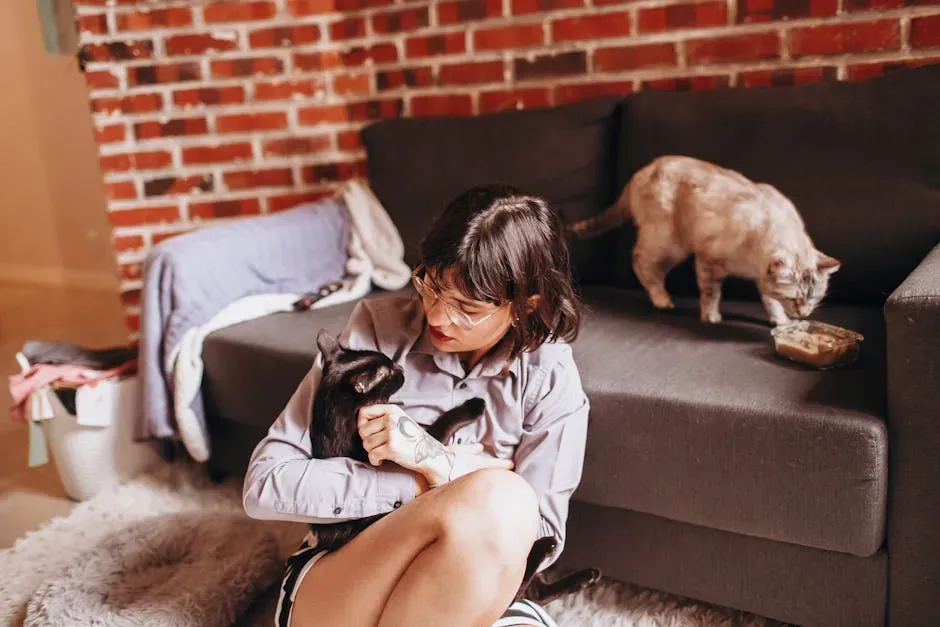
Having your cat sleep on you can offer health benefits for you as well. Petting and cuddling with your cat can reduce stress and anxiety. Additionally, your cat’s body warmth can be soothing, especially during the cold months. A significant majority of cat owners – accounting for over 60% – report that their feline companions sleep alongside them at night. The act of sleeping with your cat offers many benefits, both for you and your feline friend, including reduced stress levels, increased feelings of companionship, and a sense of security and warmth for both parties.
Although cats are often labeled as solitary hunters, they exhibit surprisingly social behaviors when it comes to rest. Felines may prefer some independence during the day, yet they often seek out trusted companions at night – whether those companions are fellow cats or their human caretakers. This “social sleeping” tendency reveals a more communal side of feline behavior than many realize. The cat sleeping on your lap at midnight is, in its own quiet way, telling you something important about how it feels – and that message is worth receiving.