Some films never get a fair shot. They arrive at the wrong moment, lose out to a bigger release, earn mixed reviews from critics who weren’t yet ready for them, and then quietly disappear into the archive. Decades later, scholars and devoted cinephiles pull them back into the light and find something extraordinary still waiting there.
The best movies aren’t always the ones with the biggest marketing budgets or the most trophies. Sometimes a film’s true significance only becomes clear in retrospect, once the cultural conversation catches up to what it was doing. The five films below are a testament to that idea. They were overlooked, dismissed, or simply lost in the shuffle – yet each one carries a genuine claim to historical importance.
Scarecrow (1973) – The Road Movie That Cannes Loved and America Forgot

Scarecrow is a 1973 American road comedy-drama directed by Jerry Schatzberg and starring Gene Hackman and Al Pacino, following two men who travel from California seeking to start a business in Pittsburgh. At the 1973 Cannes Film Festival, the film tied for the Grand Prix du Festival International du Film – now the Palme d’Or – the highest honor, sharing it with Alan Bridges’ The Hireling. Winning Cannes’ top prize is not a small thing. It placed Scarecrow in the same breath as some of the most celebrated films in history.
Despite that honor, the film was ultimately a box-office flop, especially considering that Pacino and Hackman were both fresh off the biggest pictures of their careers – The Godfather and The Conversation. Film history has not been kind to Scarecrow, as it is rarely discussed and analyzed by critics and scholars today. Perhaps the film is overlooked because its stars also appear in similar seventies films directed by Francis Ford Coppola, William Friedkin, and Sidney Lumet – three filmmakers whose combined work more or less defines the decade. The result is a genuinely important film that keeps getting crowded out by its own era’s greatest hits.
Manhunter (1986) – The Original Hannibal Lecter Film Nobody Saw

In 1986, Michael Mann’s Manhunter elevated schlock-horror to a thoughtful, stylised, forensically psychological level, introducing the concept of a serial killer to a wider base, through two fascinating characters – the incarcerated, urbane, and clinically insane psychiatrist Hannibal Lecter, spelt Lektor in Manhunter and played by Brian Cox, and his ardent fan, Francis Dollarhyde, played by Tom Noonan. This was the Hannibal Lecter that came first, years before Anthony Hopkins made the character famous.
Manhunter opened in 779 theaters and grossed just over two million dollars in its opening weekend, eventually earning a total of around eight and a half million dollars in the US, making it the 76th highest-grossing film that year. Despite that low gross on its initial release, Manhunter grew in popularity by the 2000s and has been mentioned in several books and lists of cult films, with reappraisals often citing the success of The Silence of the Lambs and its sequels as the reason for increased interest in Manhunter, while still favoring the earlier film over its successors. Today, it holds a remarkable 90 percent approval rating on Rotten Tomatoes among critics – a number that tells you everything about how the initial reception got it wrong.
Partner offer
The Man Who Wasn’t There (2001) – A Coen Brothers Gem Buried by Its Own Studio
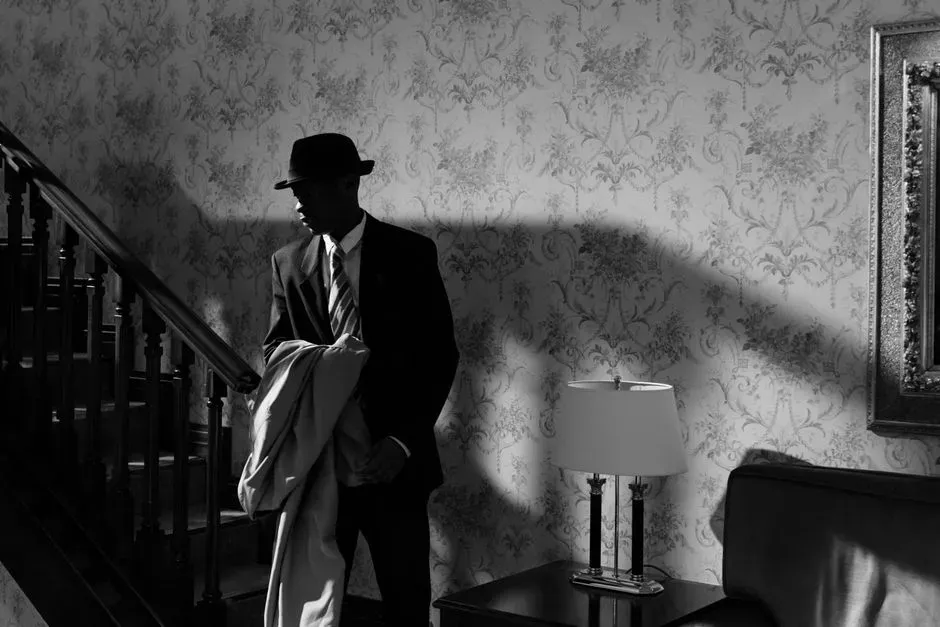
From Fargo to No Country for Old Men, the Coen brothers have released several genuine masterpieces. Yet one incredible film of theirs that’s often forgotten is The Man Who Wasn’t There – a compelling blend of film noir and classic 1950s sci-fi, telling the story of a quiet barber blackmailing his wife’s lover, featuring a standout performance from Billy Bob Thornton. It’s the kind of film that feels like it was made for a very specific kind of viewer – patient, curious, and willing to sit inside silence for a while.
While The Man Who Wasn’t There was a hit with critics and even earned the Best Director award at Cannes, it flopped at the box office and has been vastly overshadowed by the Coens’ most well-known work. Shot entirely in black and white by cinematographer Roger Deakins, the film captures the gray anxiety of postwar American life with a precision that most period pieces never achieve. It has never received the serious retrospective attention it deserves, and that gap in the critical record is a genuine loss.
Thief (1981) – Michael Mann’s Debut That Rewrote Crime Cinema

Viewers will recognize James Caan for his roles in everything from The Godfather to Elf, but one of his greatest performances came in Michael Mann’s debut movie, Thief. As a stylish exploration of a career criminal, Thief is best known today for its influential synth soundtrack by Tangerine Dream, although its merits extend far beyond just that. As a compelling character study into a man determined to live life on his own terms, Thief laid the groundwork for themes and ideas that Mann would continue exploring in later classics like Heat.
With great performances and a truly unique aesthetic, it’s hard to believe this was Mann’s first movie, as his cinematic voice arrived fully formed. The influence of Thief on modern crime cinema is enormous – its visual grammar, its synthesizer-heavy atmosphere, and its unflinching portrait of a professional criminal’s internal code all became templates that dozens of filmmakers would later borrow from. Michael Mann’s Manhunter confirms the promise of Thief, making him one of the most exciting cinematic voices to emerge from the 1980s. That kind of directorial consistency, traceable back to a debut feature, gives Thief a foundational role in understanding Mann’s entire career.
Defending Your Life (1991) – Albert Brooks’ Philosophical Fantasy That Disappeared

One filmmaker who rarely gets credit for the immense quality of his movies is Albert Brooks. As an accomplished writer and director, one of Brooks’ greatest releases was the woefully underrated fantasy drama Defending Your Life, which he starred in opposite Meryl Streep. The premise – a man who dies and must prove in a cosmic courtroom that he has lived without fear – sounds deceptively whimsical. In execution, it’s one of the most genuinely philosophical films American cinema produced in the nineties.
Every year, the awards gods decree that a certain group of films are the most noteworthy, with many of the same titles appearing on every list of critics association awards, guild nominations, and Oscar projections. This means dozens of other titles wind up getting lost along the way, thanks to having an all-too-brief stint in theaters only to swim into the sea of releases. Defending Your Life is a textbook example of that phenomenon. It earned warm reviews but no awards traction, was quickly overshadowed by other releases, and has since lived an odd half-life – beloved by those who discovered it, genuinely unknown to almost everyone else. This collection serves as a reminder that the best movies aren’t always the ones with the biggest marketing budgets or the most trophies. Sometimes they are the ones that were simply waiting to be found by the right person.
Partner offer
Planning a trip to Vegas?
Compare hotel rates and show tickets on VEGAS.com.