Cult films occupy a strange corner of movie history. They rarely dominate box office charts on release, yet decades later they command devoted followings, quote-along screenings, and academic essays. What separates them from ordinary flops is a kind of stubborn originality, something that refused to fit the mold of its era and eventually found the audience it was always meant for.
The nine films below span five decades and several continents, but they share a common thread: each one asked audiences to meet it halfway, and each one rewarded the people who did. If you’ve genuinely sat through all nine, you’re not just a casual moviegoer anymore.
1. Eraserhead (1977)
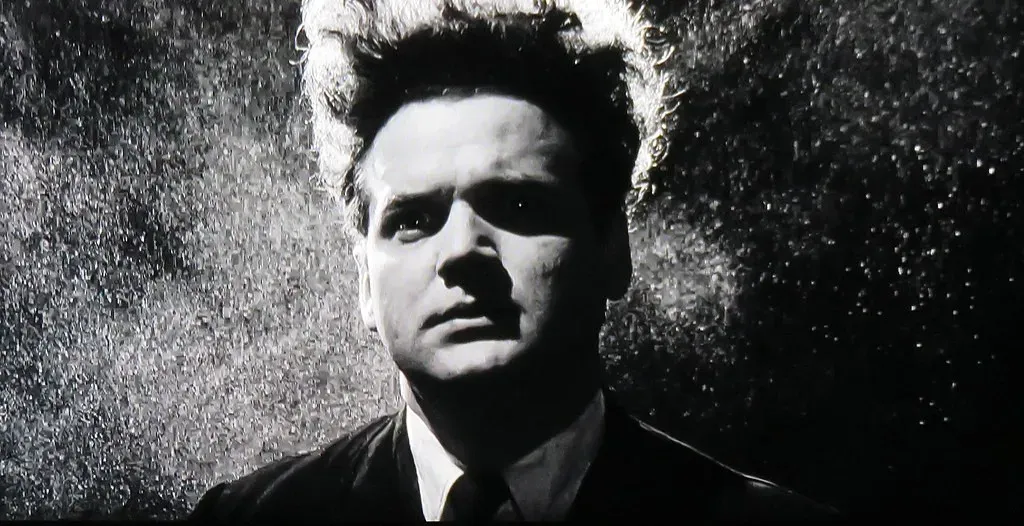
David Lynch’s debut feature took nearly five years to complete, largely because he kept running out of money and had to shoot in fragments whenever funds appeared. The result is a black and white nightmare about fatherhood, industrial decay, and a mutant infant that still unsettles viewers today. Its production history alone, shot mostly at night on the AFI campus, has become part of film school lore.
What keeps Eraserhead alive isn’t shock value but atmosphere. Lynch built an entire sonic world of hums and hisses that feels more like a fever dream than a narrative, and that commitment to mood over plot became his signature for the rest of his career. Midnight screenings kept it circulating through the late seventies and early eighties long before home video made it accessible.
2. The Rocky Horror Picture Show (1975)

Few films illustrate the audience-driven nature of cult cinema better than this one. It flopped in its initial theatrical run, but repertory theaters began booking it as a midnight feature, and fans started talking back to the screen, throwing rice, and dressing as characters. That tradition has continued in some cities for over five decades, making it arguably the longest-running theatrical release in history.
Tim Curry’s performance as Dr. Frank-N-Furter became iconic almost by accident, since the role was originally written with less flamboyance in mind. The film’s blend of glam rock, science fiction parody, and unapologetic queerness gave it staying power that traditional musicals rarely achieve. It remains a rite of passage for anyone curious about participatory moviegoing.
3. Harold and Maude (1971)

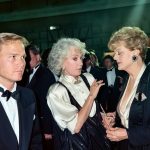
Hal Ashby’s dark comedy about a death-obsessed young man and an eighty-year-old free spirit baffled critics on release, with several dismissing it as morbid or tasteless. Audiences took longer to warm up, but by the mid-1970s it had become a staple on college campuses and repertory circuits. Its soundtrack, composed almost entirely by Cat Stevens, helped cement its gentle, melancholic tone.
The film’s central relationship, unconventional by any standard, still generates conversation about mortality, freedom, and what it means to actually live rather than simply exist. Ruth Gordon’s performance as Maude gave the character a warmth that kept the story from ever feeling exploitative. Decades later, it’s regularly cited among the defining films of the New Hollywood era.
4. Pink Flamingos (1972)

John Waters made this film for roughly ten thousand dollars in Baltimore with a cast of friends, and it remains one of the most deliberately transgressive movies ever released commercially. Divine’s performance, ending in a moment so notorious that discussing it plainly still surprises newcomers, turned the film into an instant underground sensation. Its shock tactics were never accidental; Waters wanted to provoke conventional taste on purpose.
What’s often overlooked is the film’s sly sense of humor beneath the grime. It functions as satire of suburban respectability as much as outright provocation, something Waters has discussed in interviews for years. Its influence can be traced through decades of independent and queer cinema that followed.
Partner offer
5. The Room (2003)
Tommy Wiseau’s self-financed drama has become the modern benchmark for so-bad-it’s-good filmmaking, spawning midnight screenings where audiences throw plastic spoons and shout dialogue back at the screen. The film reportedly cost around six million dollars, an unusually large budget for something with such rough production values. Its strange staging, disconnected subplots, and Wiseau’s own peculiar line readings make it endlessly quotable.
The 2017 film The Disaster Artist, based on a memoir by co-star Greg Sestero, introduced The Room to an entirely new generation and gave context to how it came together. That renewed attention pushed the original film back into theaters for special screenings well into the 2020s. It stands as proof that cult status doesn’t require competence, only sincerity and an audience willing to embrace the strangeness.
6. Repo Man (1984)
Alex Cox’s punk-inflected science fiction comedy barely registered at the box office but found a second life through cable television and word of mouth among disaffected teenagers of the era. Its plot, involving a repossessed car with something extraterrestrial in the trunk, gave Cox room to satirize Reagan-era consumerism and suburban nihilism. Emilio Estevez’s early lead role added a jolt of mainstream recognition to an otherwise scrappy production.
The soundtrack, packed with hardcore punk acts of the period, became as influential as the film itself among certain music circles. Repo Man’s dry, deadpan tone influenced later filmmakers working in absurdist and low-budget science fiction. It remains a snapshot of eighties countercultural anxiety filtered through genre trappings.
7. Withnail and I (1987)

Bruce Robinson’s semi-autobiographical comedy about two out-of-work actors escaping to the countryside has become something close to scripture among British comedy fans. Richard E. Grant’s performance as the perpetually drunk, theatrically bitter Withnail is frequently ranked among the great comic performances in British film. The dialogue is dense with quotable lines that fans still recite decades later.
Despite its modest release, the film built a following through television broadcasts and later home video, eventually inspiring drinking games tied to its characters’ prodigious alcohol consumption. Its portrait of fading sixties idealism, set against the arrival of a colder decade, gives it an undercurrent of melancholy beneath the laughs. It remains a defining text of British cult comedy.
8. The Big Lebowski (1998)
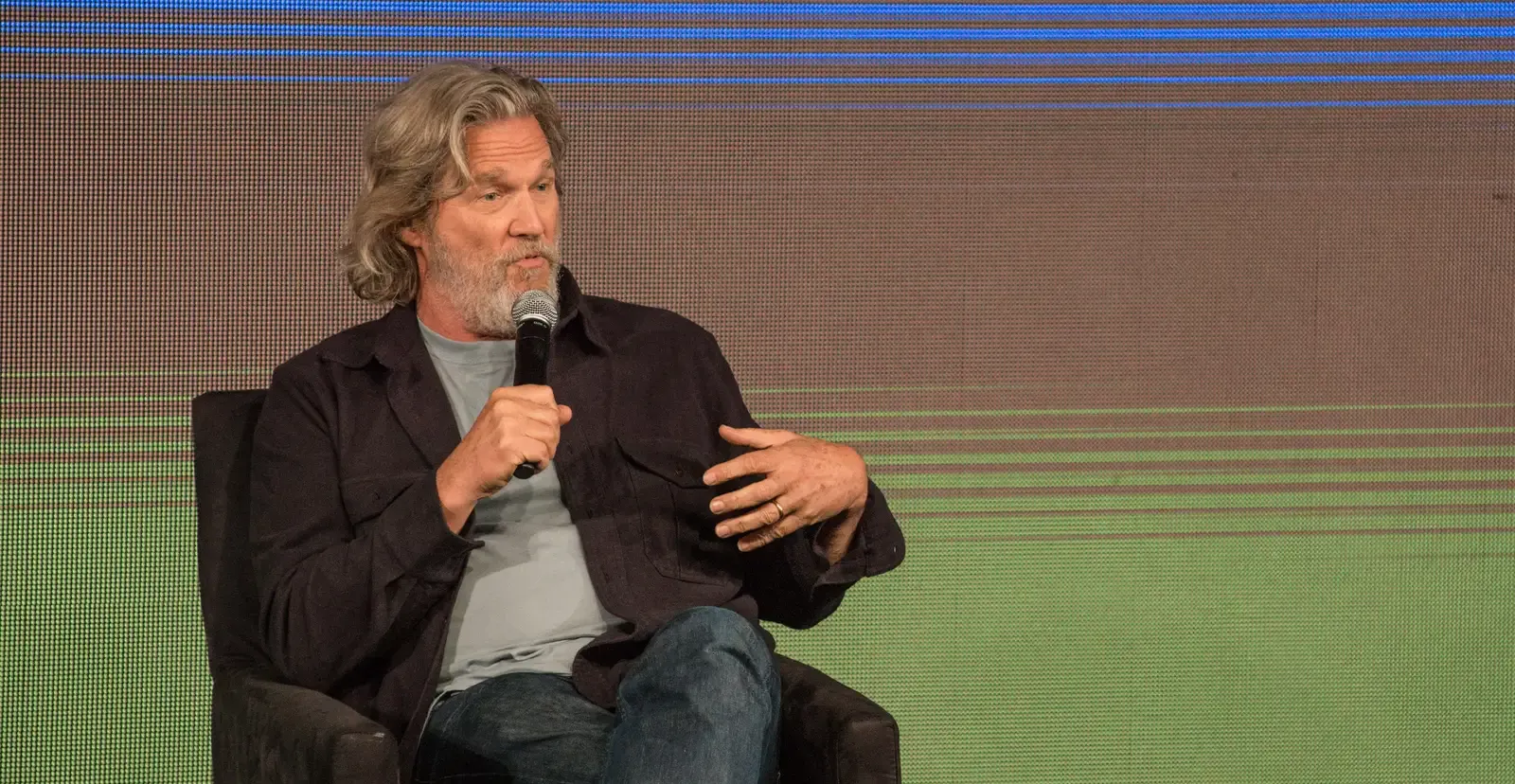
The Coen brothers’ shaggy dog detective comedy underperformed on release, overshadowed by the acclaim their previous film Fargo had received. Jeff Bridges’ portrayal of the Dude, a bowling-obsessed slacker mistaken for a millionaire, became one of the most imitated characters in modern comedy. Its rambling plot, borrowed loosely from Raymond Chandler structure, turned out to matter far less than its atmosphere and dialogue.
Fan devotion eventually produced Lebowski Fest, an annual gathering that has drawn attendees in costume to bowling alleys across multiple cities since the early 2000s. Academic conferences have even examined the film’s philosophy, something that would have seemed absurd on its initial release. It’s a clear example of a movie growing into its reputation rather than arriving with one.
9. Donnie Darko (2001)
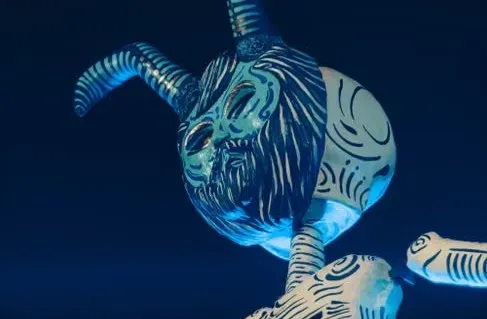
Richard Kelly’s time-bending high school drama arrived in theaters just weeks after the September 11 attacks, a timing that badly hurt its box office given the film’s imagery involving a plane engine crashing into a house. Its blend of teenage alienation, science fiction ambiguity, and unsettling imagery of a man in a rabbit costume confused mainstream audiences but fascinated a smaller devoted group. Jake Gyllenhaal’s breakout performance anchored the film’s emotional weight amid its more surreal elements.
DVD sales and college dorm screenings turned it into one of the defining cult films of the early 2000s, proving that home video could resurrect a theatrical failure just as effectively as midnight screenings once did. A director’s cut released in 2004 offered more explicit explanations of its central mythology, though many fans still prefer the ambiguity of the original theatrical version. Its soundtrack, built around Tears for Fears and Echo and the Bells, became inseparable from the film’s melancholic identity.
Partner offer
Planning a trip to Vegas?
Compare hotel rates and show tickets on VEGAS.com.