Silent cinema covers roughly three decades of filmmaking, and it can look intimidating from the outside. Thousands of titles were made, and a large share of them are lost for good. Still, a short list of films keeps turning up in film schools, archives, and restoration programs.
The ten below aren’t a ranking. They’re a spread of ideas, countries, and techniques, from trick photography to montage to the close up. Watch them and you’ll have a solid sense of how the language of movies took shape.
A Trip to the Moon (1902)
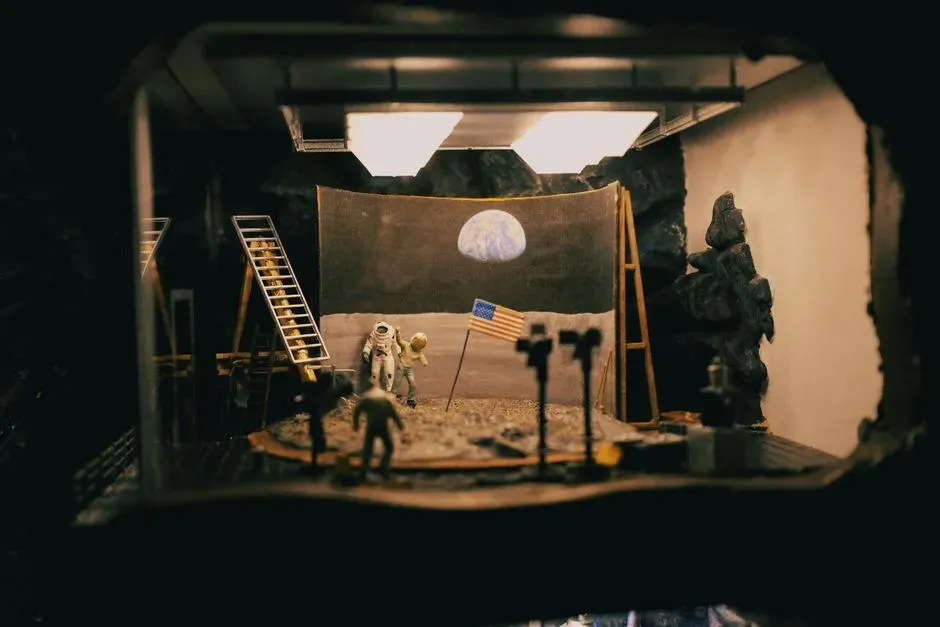
Georges Méliès was a stage magician before he was a filmmaker, and it shows. His short fantasy sends a group of astronomers to the moon in a capsule fired from a cannon, and the shot of the capsule landing in the Man in the Moon’s eye is one of the most recognizable images in film history. It runs about fourteen minutes, which was long for its day.
Méliès used stop tricks, double exposures, and painted sets to build impossible scenes. Some prints were colored by hand, frame by frame. A colored copy was rediscovered and restored, then shown to audiences again in 2011.
The Great Train Robbery (1903)
Edwin S. Porter directed this Edison Company western, which runs around twelve minutes. It tells a clear story: bandits hold up a train, escape, and are chased down by a posse. Audiences of the time had seen plenty of short films, but few that moved through a plot this smoothly.
Porter cut between scenes happening in different places, which helped teach viewers how to follow action across space. The final shot, with an outlaw firing straight at the camera, became one of the most imitated gestures in movies.
The Birth of a Nation (1915)
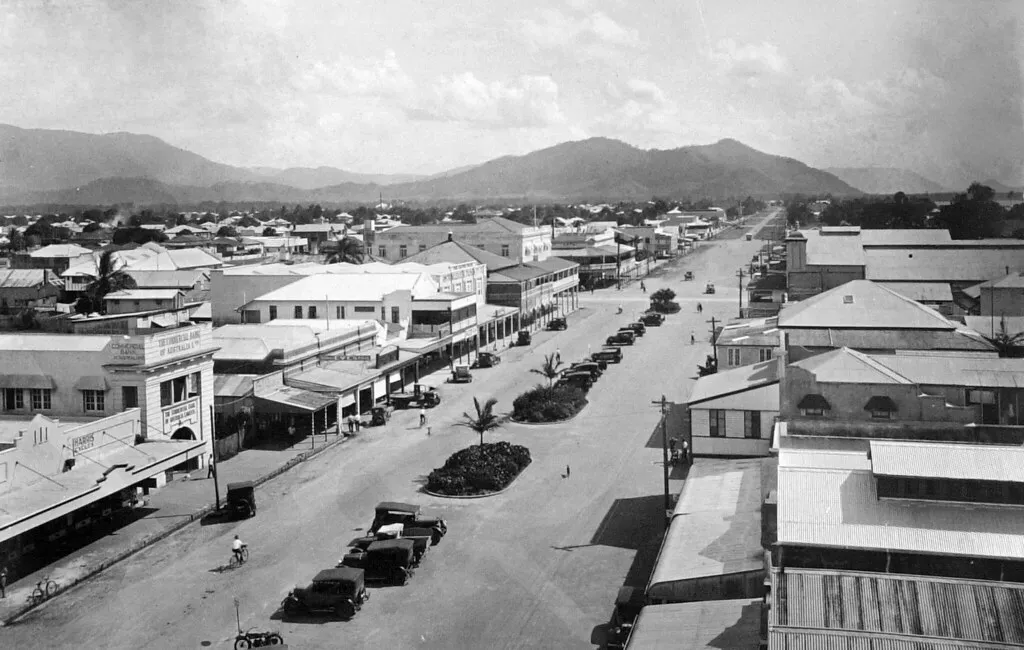
D.W. Griffith’s Civil War epic runs close to three hours and was a huge commercial event. It pushed ahead on the technical side, with large battle scenes, crosscutting, and a full orchestral score for theaters. Those methods influenced Hollywood for decades.
It also needs to be seen with clear eyes. The film is based on Thomas Dixon’s novel The Clansman and presents the Ku Klux Klan as heroic, and it drew organized protest from the NAACP on release. Historians still treat it as both a landmark of technique and a lasting example of racist propaganda.
The Cabinet of Dr. Caligari (1920)
Robert Wiene’s German film is the usual starting point for Expressionist cinema. Its sets are painted with slanted buildings, jagged shadows, and streets that bend at impossible angles. Nothing here is meant to look real.
The story follows a hypnotist who uses a sleepwalker, played by Conrad Veidt, to commit murders. A framing device at the end recasts what you’ve just watched, which made it an early example of an unreliable narrator on screen. Horror films have borrowed from its look ever since.
Nosferatu (1922)
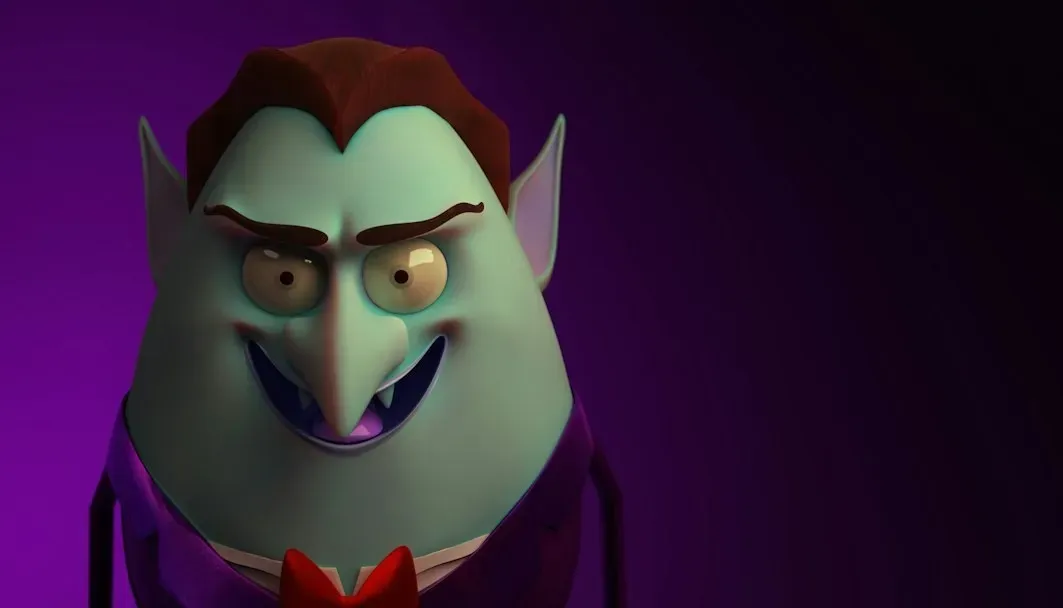
F.W. Murnau made an unauthorized version of Bram Stoker’s Dracula, changing the names but keeping the plot. Stoker’s widow sued, and a court ordered copies destroyed. Luckily, some prints survived, and that is why we can still watch it.
Max Schreck’s rat faced vampire is one of the great monsters of the screen, and Murnau filmed much of it on real locations rather than studio sets. Robert Eggers released a new version in December 2024, which sent many viewers back to the original.
Battleship Potemkin (1925)
Sergei Eisenstein’s film dramatizes a 1905 mutiny aboard a Russian warship. It was made to mark the anniversary of that revolution, so it carries a strong political purpose. Even so, it’s the editing that people remember.
The Odessa Steps sequence cuts between soldiers, fleeing civilians, and a baby carriage rolling down the stairs. Eisenstein argued that the collision of shots creates meaning, an idea called montage. Filmmakers have been quoting that scene for a century.
The General (1926)
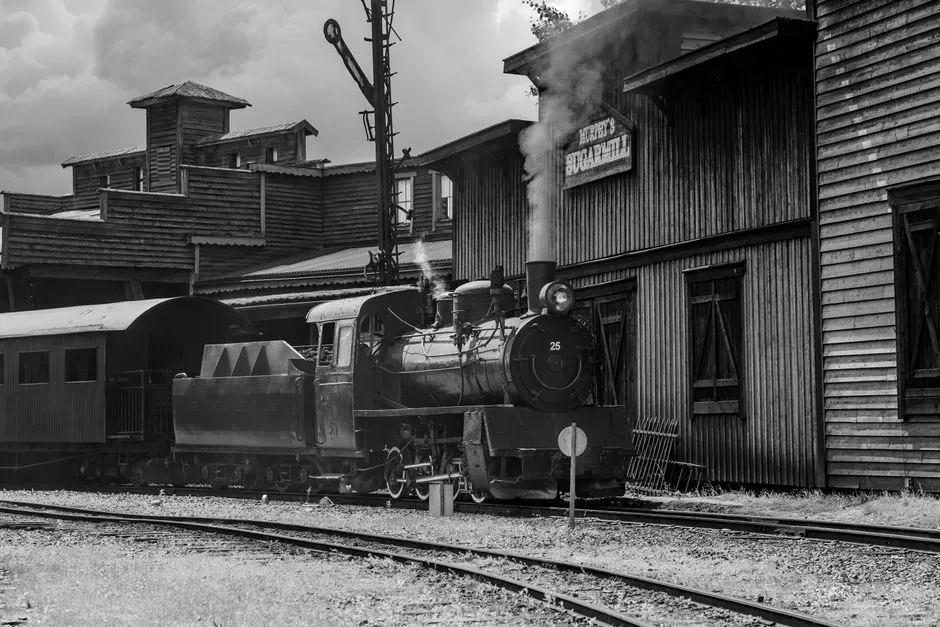
Buster Keaton plays a railway engineer in the Civil War who chases after his stolen locomotive. The comedy comes from precision, and Keaton performed his own stunts with the stone faced calm he was known for. Trains, bridges, and real machinery are all part of the gags.
It wasn’t a hit when it opened, and critics were lukewarm. Its reputation grew over time, and it’s now often named among the finest silent comedies ever made. If you’ve only seen Chaplin, this is the perfect counterweight.
Metropolis (1927)
Fritz Lang’s science fiction film imagines a city split between wealthy planners above ground and workers toiling below. Its sets, models, and the robot double of Maria still look striking. The story is simple, though the visuals have shaped science fiction ever since.
The film was cut heavily after its premiere, and for decades only partial versions circulated. In 2008 a more complete copy turned up in Buenos Aires, and a restoration using that footage premiered in 2010. UNESCO added the film’s original negative to its Memory of the World register in 2001.
The Passion of Joan of Arc (1928)
Carl Theodor Dreyer’s French production focuses on the trial of Joan of Arc, built largely from her interrogation. He shot it in extreme close ups, so faces fill the frame and show every flicker of doubt. Maria Falconetti’s performance in the title role is routinely called one of the greatest in film history.
The original negative was destroyed by fire, and for years viewers saw altered cuts. A copy of Dreyer’s original version was found in 1981 in a closet at a Norwegian psychiatric institution in Oslo. That discovery let audiences see the film close to how it was first made.
Man with a Movie Camera (1929)
Dziga Vertov’s experimental documentary has no actors, no story, and no intertitles. It follows a day in Soviet cities, with Mikhail Kaufman as the cameraman, and shows people at work and play. Vertov wanted cinema to stand on its own, free from theater and literature.
Split screens, slow motion, freeze frames, and rapid editing are all used openly, and the camera itself becomes a character. The film has appeared in the top ten of the Sight and Sound critics’ poll of the greatest films, including the 2022 edition. It’s a good last stop because it shows the medium thinking about itself.
Where to Go From Here
These ten cover trick film, early narrative, spectacle, Expressionism, Soviet montage, physical comedy, science fiction, the close up, and the essay film. Together they sketch the main routes silent cinema took before sound arrived in the late 1920s.
Many have been restored by archives and are widely available on home video and from streaming libraries, though versions differ in length and music. Checking which restoration you’re watching is worth the extra minute.