
There’s something that shifts the moment you step off the plane in Las Vegas. The air is thick with air conditioning and distant chimes, and before you’ve even found your luggage, the slot machines are already calling from the terminal. For millions of visitors each year, this city represents a chance to act differently, to be bolder, looser, less cautious than they’d ever be back home. What’s actually happening inside the human brain during those moments is far more interesting than most people realize. It’s not simply about greed or recklessness. Science has spent decades unpacking why the neon glow of a casino floor quietly dismantles the very mechanisms that help us make good decisions.
The Environment Is the First Move

Las Vegas casinos are not designed by accident. Every sensory detail, from the color of the carpet to the pitch of a machine’s chime, is deliberately calibrated to shape behavior. Casino operators employ psychological methods when designing the physical layout, color schemes, gameplay, and even fragrance in the air to encourage spending.
Almost half of the U.S. adult population plans to visit a casino and gamble at some point in the next year, and Las Vegas casinos alone average over 50 million visitors per year. That level of foot traffic is partly a testament to how effectively the environment has been engineered to feel inviting.
The blinking lights and exciting jingles in casinos may encourage risky decision-making and potentially promote problem gambling behavior, with findings suggesting that sensory features in casinos may directly influence a player’s decisions and encourage riskier choices.
Blue Light and the Dulling of Loss

One of the most striking recent findings involves the color of light itself. New research by Flinders University suggests that circadian photoreception, the body’s non-visual response to light, could be playing an unexpected role in shaping risky gambling behavior, with the study examining participants’ economic decisions under blue-enriched and blue-depleted light.
Researchers found that light with more blue wavelengths, which is frequently emitted by LED screens and casino lighting, could subtly influence how people perceive losses and gains. The implications of that are hard to overstate.
The study suggests that blue light alters neural processing in brain regions tied to reward and decision-making, such as the amygdala and habenula, possibly dampening negative emotions associated with losses. In short, the glow of a slot machine screen may be quietly making you less afraid of losing.
When Sound Makes You Stop Thinking
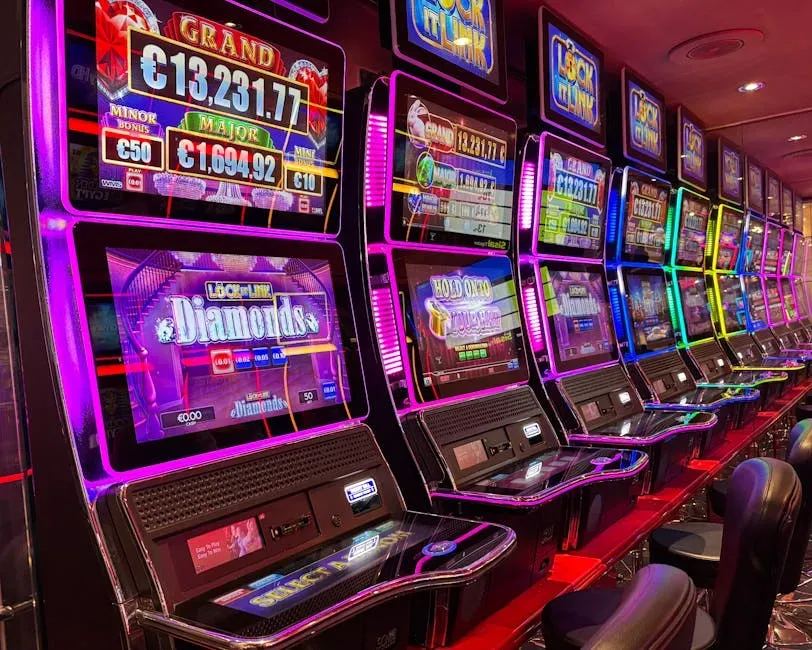
Upbeat music can make people less risk-averse by speeding up decision-making and creating a sense of urgency, while jingles and celebratory sounds serve as auditory rewards, reinforcing positive feelings even in the absence of a financial win.
When players lose, slot machines often produce celebratory sounds and flashing lights, creating what researchers call a “loss disguised as a win,” a sensory mismatch that tricks the brain into thinking it’s succeeding, distorting our ability to assess risk or stop playing.
Research from the University of British Columbia found that an individual’s choices were less guided by the odds of winning when casino-like audiovisual features were present in a laboratory gambling game, with people taking more risks when playing the more casino-like games, regardless of the odds.
Time Slips Away by Design

Many casinos don’t have clocks or windows, in the hope that gamblers will lose track of how long they’ve been at the table. This creates something behavioral researchers call temporal distortion, a quiet collapse of your normal sense of time passing.
By shunning clocks and windows, the casino disrupts your sense of time. We use time cues to organize our days and evaluate our behavior, and in their absence, we are trapped in an endless present.
Bill Friedman, former manager of two Las Vegas casino properties and one of the most studied figures in casino design history, documented the effect firsthand. Every morning when the sun peeked over the buildings on the Strip at one property, the slot machines and tables emptied, with roughly 85 to 90 percent of customers leaving the gambling floor, realizing it was daytime and that they had a world to return to.
Dopamine: The Chemical Doing the Heavy Lifting
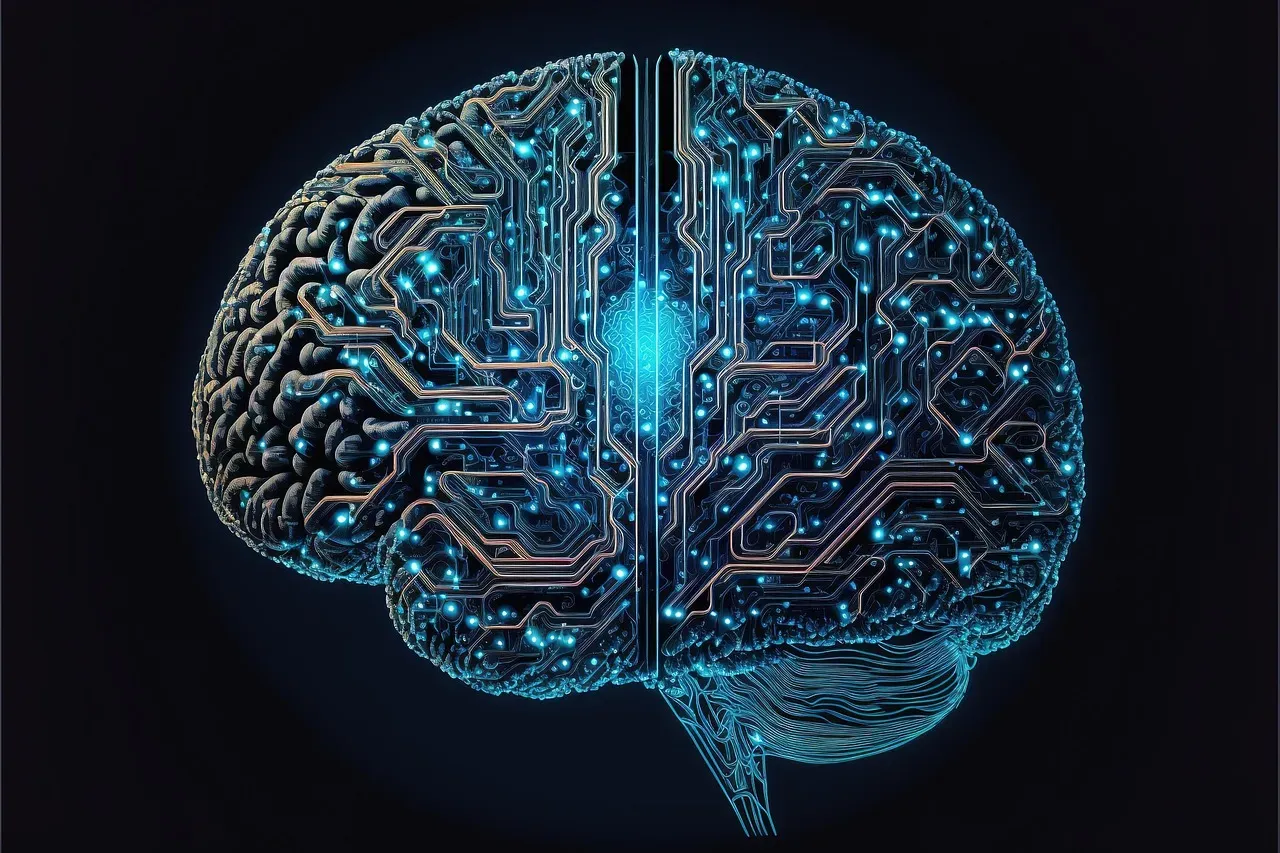
Dopamine, often referred to as the feel-good neurotransmitter, is central to the development and maintenance of gambling addiction. When an individual gambles, dopamine is released, creating a sense of euphoria and excitement, which reinforces the behavior and makes the individual more likely to gamble again.
As someone gambles more and more, their brain begins to build up a tolerance for the dopamine released by gambling. Over time, the brain’s reward system gets overused, and betting the same amounts does not produce the rush of good feelings that it once did, causing those craving more dopamine to take bigger and bigger risks to achieve the same high.
Serotonin has been linked to impulse control, dopamine to rewarding and reinforcing aspects, opioids to pleasure and urges, and glutamate to cognitive functioning including cognitive flexibility in gambling behavior, making it genuinely a whole-brain phenomenon rather than a simple failure of willpower.
The Near-Miss Trap
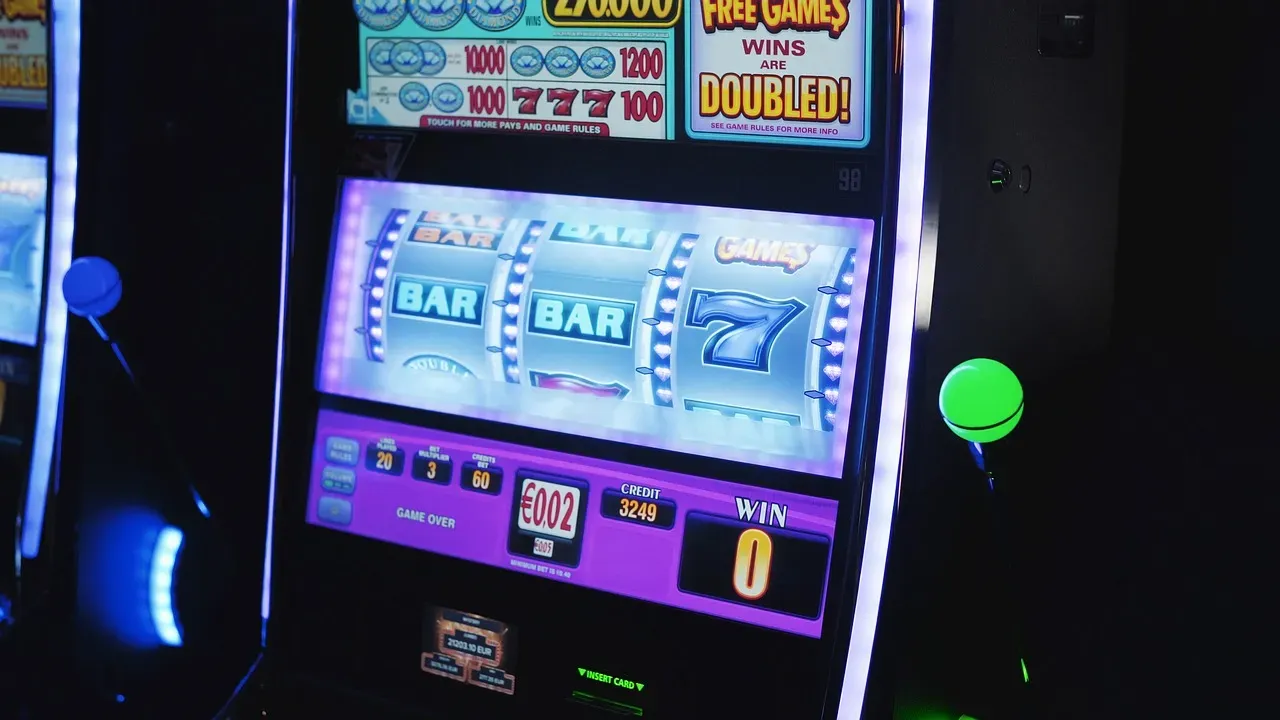
Perhaps no single mechanism is more insidious inside a casino than the near-miss. During gambling, players experience a range of cognitive distortions that promote an overestimation of the chances of winning, and near-miss outcomes are thought to fuel these distortions.
Near-miss outcomes during slot machine tasks were associated with a significant response in the ventral striatum, the same region recruited by actual monetary wins, and gambling severity predicted a greater response in the dopaminergic midbrain to near-miss outcomes.
Partner offer
Near-misses increased the desire to continue playing, especially in those who showed a tendency to chase losses, suggesting that near-misses can fuel the illusion of control and increase the motivation to keep playing, a drive strongly correlated with impulsivity.
Impulse Control Under Pressure
Impulsivity is characterized by a tendency to act without adequate thought or consideration of the consequences, and research has established a strong link between high impulsivity levels and gambling disorder.
When people are faced with external temptation, there are two competing forces: the impulsive force induced by individual internal desire, and the self-control force that warns individuals to make rational decisions, with the impulsive system producing an automatic response to temptation stimuli.
Meta-analytic evidence provides the first comprehensive support for the existence of impulsivity in Gambling Disorder across cognitive domains, in keeping with neurobiological models implicating impulsivity and dysregulation of related frontostriatal brain pathways in the pathophysiology of disordered gambling, with impulsivity evident across the full range of relevant cognitive tasks in fully established cases.
The Illusion of Control
Decision-making, a complex cognitive process, involves assessing risks, weighing outcomes, and making choices based on evaluations. In individuals with gambling disorder, decision-making processes are often compromised, leading to poor choices that prioritize immediate gratification over future stability.
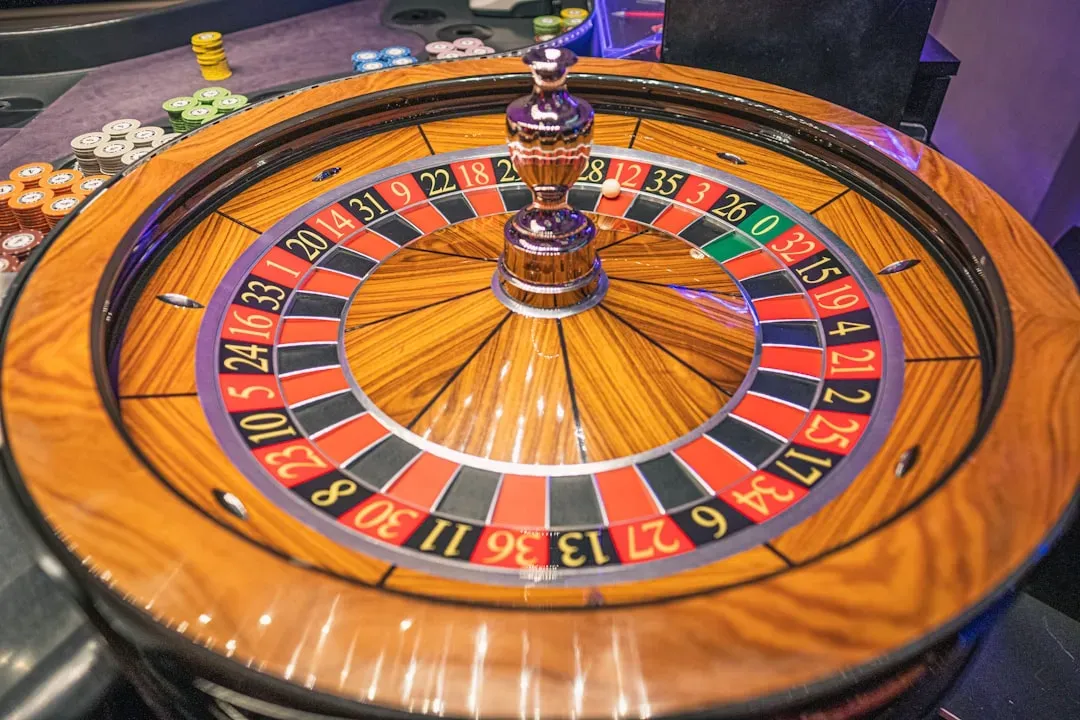
Research suggests that the illusion of control, where gamblers falsely overestimate their ability to influence outcomes, is higher for individuals who participate in skill-based gambling. Roulette wheels, dice, and even card games carry an air of personal involvement that pure statistics cannot fully dismiss in the emotional brain.
Individuals with gambling disorder tend to overemphasize potential rewards while underestimating risks, and impaired decision-making skills cause gamblers to make choices based on gut feelings or urges rather than logical assessments.
Who Is Most Vulnerable

Gambling is a multifaceted activity that can range from a leisurely pastime to a serious psychological disorder, with individuals able to gamble recreationally without adverse effects, while a smaller subset develops compulsive gambling behaviors that can lead to significant distress, including anxiety and depression.
Casino-related context impacts decision-making behaviors even in individuals who are non-gamblers and young adults who are more inclined to develop their first life-experience with gambling, yet most people have normal prefrontal mechanisms and are resilient to gambling addiction, with perhaps only those with genetic or environmentally induced vulnerabilities at higher risk.
Genetic predisposition plays a significant role in the development of gambling addiction, with studies suggesting that individuals with a family history of addiction are more likely to develop similar issues, and genetic factors influencing how the brain’s reward system responds to gambling and regulates dopamine signaling.
What the Research Means in Practice
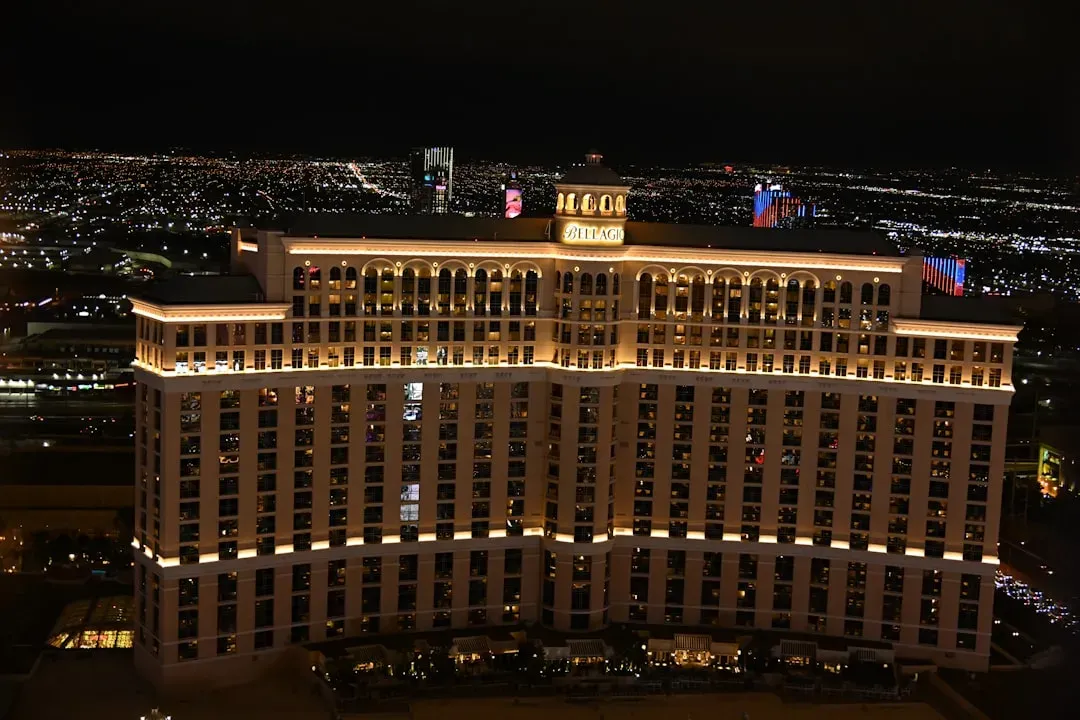
Under light with more blue wavelengths, people may be less able to accurately judge risk and reward due to a decreased cognitive sensitivity to loss, and it is possible that simply dimming the blue in casino lights could help promote safer gambling behaviors. That’s a fairly low-cost intervention if regulators chose to pursue it.
Understanding the role of impulse control in gambling disorder has significant implications for treatment strategies, with interventions aimed at improving impulse control, decision-making skills, and self-regulation potentially beneficial in helping individuals with gambling disorder regain control over their behavior.
The lights and sounds surrounding gamblers in these environments aren’t just decoration. They are carefully designed to heighten arousal, dull sensitivity to losses, and encourage riskier decisions, and meaningful change will probably require policy intervention that treats environmental design not as a neutral backdrop, but as a powerful behavioral influence.
The Bigger Picture
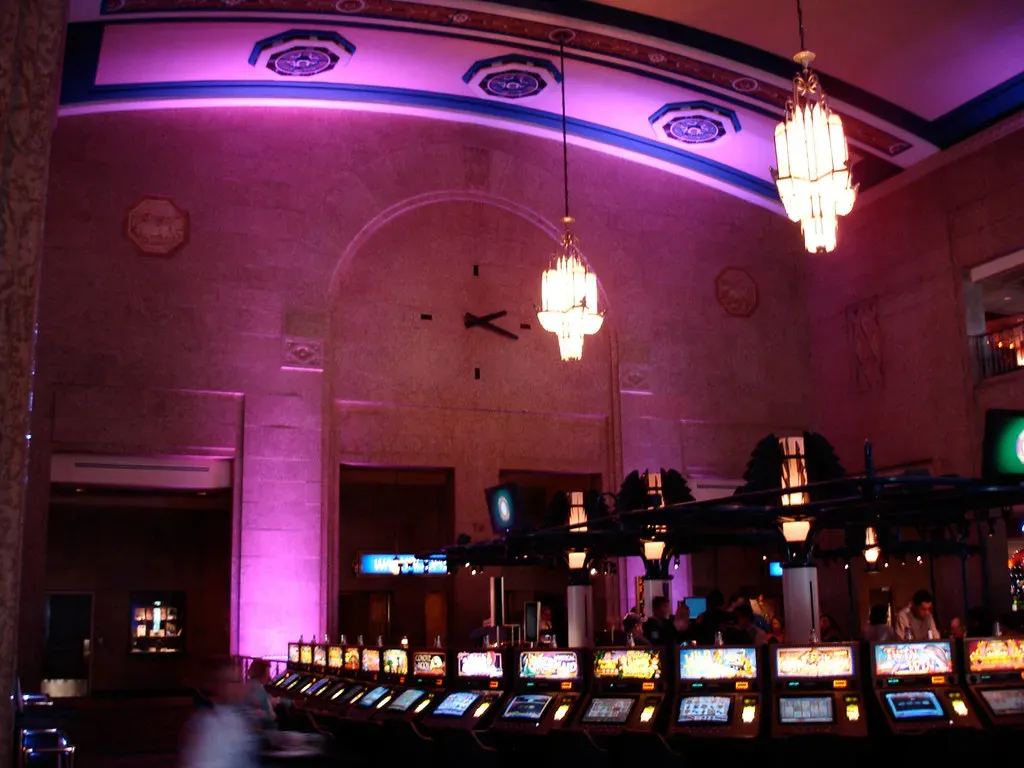
Las Vegas is a remarkable social experiment running in plain sight. Tens of millions of people walk voluntarily into a space scientifically engineered to erode their caution, and most do so for entertainment, which is a perfectly reasonable thing to want. The trouble comes when the environment wins without the visitor ever realizing the game was rigged before they sat down.
The neuroscience is consistent and growing clearer: casino environments don’t just attract risk-takers. They manufacture them, temporarily, through light, sound, rhythm, and architecture. That’s not a moral judgment. It’s simply what the data shows.
Understanding these mechanisms doesn’t ruin the thrill of Vegas. If anything, it makes the experience more honest. Knowing your brain is being nudged gives you a small but real edge, and that, fittingly, might be the only edge the house can’t fully take away.
Partner offer
Planning a trip to Vegas?
Compare hotel rates and show tickets on VEGAS.com.