


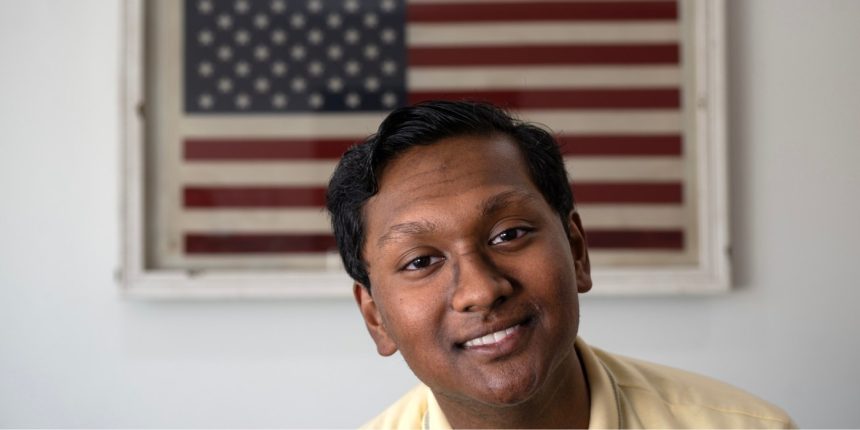
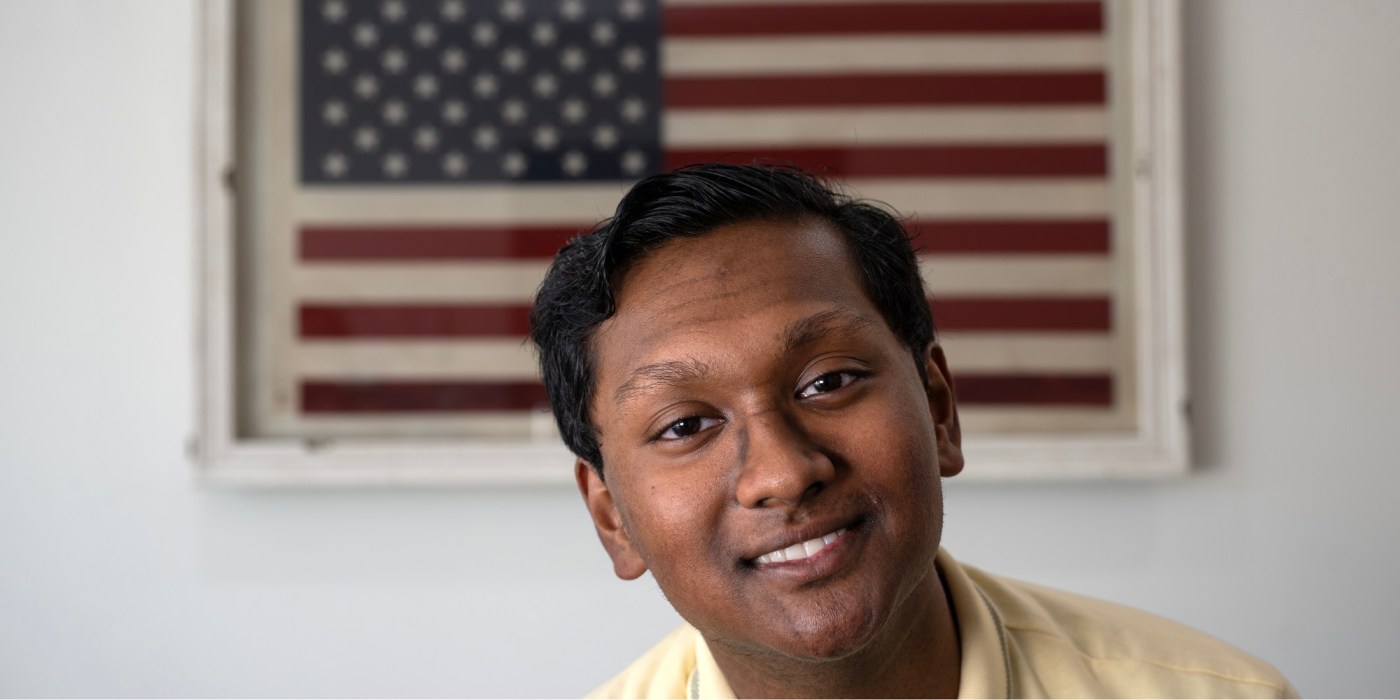

A Maintenance Call Turns Alarming (Image Credits: Sbsun.com)
Irvine – A 17-year-old UC Irvine student’s home experiments with everyday chemicals drew a massive federal response, including FBI hazmat teams, before authorities cleared the scene.[1][2]
A Maintenance Call Turns Alarming
On February 23, 2026, a maintenance worker arrived at a rented home in Irvine’s guard-gated Altair community to fix a garage leak. He spotted laboratory equipment and alerted authorities.[1] The Orange County Fire Authority initially deemed the setup safe, but Irvine police soon called in federal experts after noting chemical formulas on a whiteboard.[3]
FBI specialists from Quantico, Virginia, joined the probe alongside a California National Guard weapons-of-mass-destruction team. Investigators cordoned off the property near Cartwheel and Iluna for a week, removing materials in black bags and boxes. No public threat emerged, and no nearby residents faced evacuation.[4] The effort wrapped up over the weekend before March 3, allowing the family to return with assistance from the Orange County Health Care Agency.[1]
Prodigy Behind the Beakers
Amalvin Fritz, the 17-year-old at the center, skipped high school and began college at age 13 through an early entrance program. He now nears graduation from UC Irvine with a biological sciences degree.[1] His parents, naturalized immigrants from India, raised him and his 15-year-old sister – also in college – in this upscale neighborhood near the Great Park.
Fritz’s drive stemmed from personal tragedy: his aunt died of cancer in 2020, and his grandfather received a Parkinson’s diagnosis in 2024. He channeled grief into research, posting chemistry tutorials on YouTube and tinkering in the family garage.[5]
Partner offer

Chemicals from the Cupboard
The garage housed basic gear: a hot plate, scales, glassware akin to a school classroom, and Bunsen burners. Fritz scribbled equations comparing flat benzene rings – seen in drugs like ibuprofen – with cubic “cubane” structures for potential pharmaceutical advances.[1]
All substances came from legal retail sources, no permits needed. Fritz wore protective gloves and stored items securely.
- Acetone (nail polish remover)
- Magnesium sulfate (Epsom salts)
- Dihydrogen monoxide (distilled water)
- Sodium chloride (table salt)
- Isopropyl alcohol (rubbing alcohol)[1]
Family Breaks Silence
Attorney Charles Ray defended Fritz vigorously. “This is someone who is going to help cure cancer one day. He is not a terrorist,” Ray stated.[2] He praised the family’s American dream and Fritz’s responsible handling of materials.
Fritz addressed reporters on March 3. “I’m just a kid trying to go home,” he said after surrendering his phone to investigators.[1] He detailed his work: “I’m exploring… non-planar systems chemistry… cubanes.” Fritz urged youth not to fear science: “As long as we stay motivated… there’s an experimenter within all of us.” No charges loomed as the family resettled.[5]
Key Takeaways
- Fritz’s experiments used household items for legitimate medical research, cleared by federal review.
- The incident highlighted tensions between curiosity and caution in post-9/11 security.
- No public danger resulted, reinforcing safe home science with precautions.
This case underscores how youthful innovation can collide with vigilance. Fritz eyes medical school next, blending science with everyday pursuits like ice skating. What do you think – does home experimentation deserve more encouragement? Tell us in the comments.
Partner offer
Planning a trip to Vegas?
Compare hotel rates and show tickets on VEGAS.com.


