Most readers flip past the dedication page without a second thought. It sits there quietly between the cover and chapter one, a few words addressed to someone you don’t know, easy to ignore. That’s a pity, because those few lines often carry the weight of a whole life story.
Dedications are more than formalities. They are confessions, jokes, protests, and love letters scrawled in the margins of history, turning the first page into a kind of secret handshake between author and reader, making us feel like insiders before the story even begins. The ten stories below prove just how much is hiding in plain sight.
F. Scott Fitzgerald’s “Once Again to Zelda” – The Great Gatsby (1925)

The dedication of The Great Gatsby reads simply “Once again to Zelda.” Zelda Sayre Fitzgerald was Fitzgerald’s wife, and their relationship was passionate but also deeply difficult, troubled by alcoholism on his part and mental illness on hers. Zelda Fitzgerald has also been a figure of fascination in her own right, a writer and artist who did not receive her proper due during her own lifetime.
Both Scott and Zelda faced serious health issues and died relatively young, he at age 44 and she at 48. They are buried together in a Maryland tomb, their shared gravestone inscribed with the novel’s closing line: “So we beat on, boats against the current, borne back ceaselessly into the past.” The dedication, then, reads less like a courtesy and more like a love letter to someone he couldn’t live without, even as their life together was unraveling.
Toni Morrison’s “Sixty Million and More” – Beloved (1987)
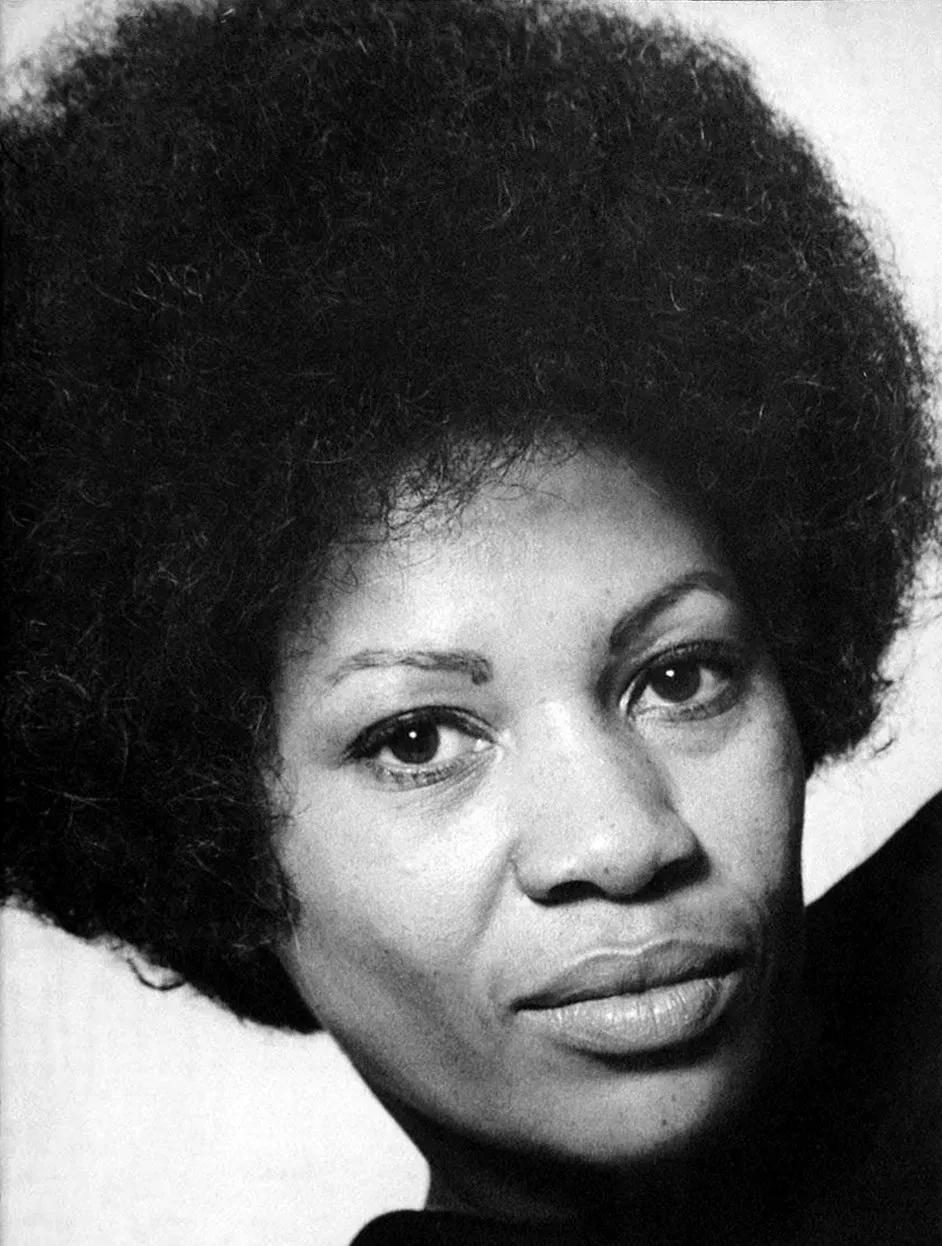
The dedication of Beloved reads simply “Sixty Million and more,” referring to the Africans and their descendants who died as a result of the Atlantic slave trade. Morrison explained that the figure of sixty million represents the best educated estimate of the number of Black Africans who never even made it into slavery, those who died as captives in Africa or on slave ships. In four words, Morrison built a memorial where none had existed.
Accepting an award in October 1988, Morrison said there was no suitable memorial, no plaque, no wall, no park honoring the memory of those forced into slavery and brought to the United States. “There’s no small bench by the road,” she said. “And because such a place doesn’t exist, the book had to.” Inspired by her remarks, the Toni Morrison Society began installing benches at significant sites in the history of American slavery. The first was dedicated on July 26, 2008, on Sullivan’s Island, South Carolina.
Jane Austen’s Reluctant Royal Salute – Emma (1815)
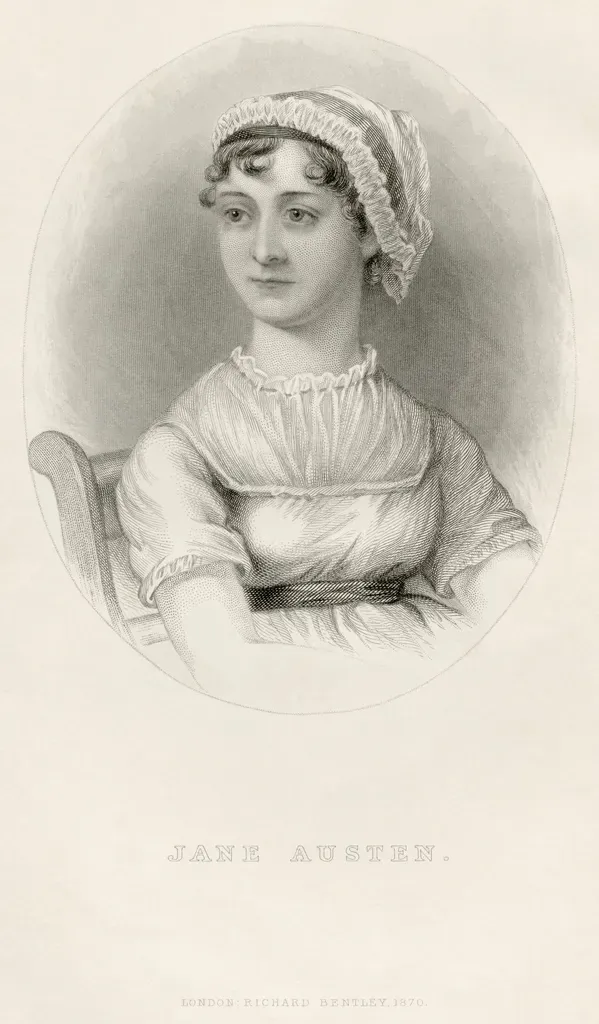
Jane Austen’s dedication in Emma is a curious one: it’s addressed to the Prince Regent, and it was made under royal pressure rather than personal affection. Austen, known for her sharp wit and independence, was reportedly none too pleased with the demand. Literary historians have noted that her feelings toward the Prince Regent were far from warm, but she obliged, as refusal wasn’t really an option for a woman writer of her era.
Austen had been a little too critical of the Prince Regent in the public forum, and one of his circle “suggested” she make it up to him. The word “suggested” carried, in that era, roughly the same force as a royal command. It’s one of the more quietly defiant moments in literary history: a woman who spent her career skewering social hypocrisy was made to praise the very kind of person she most loved to mock.
Vladimir Nabokov’s “To Véra” – His Complete Works
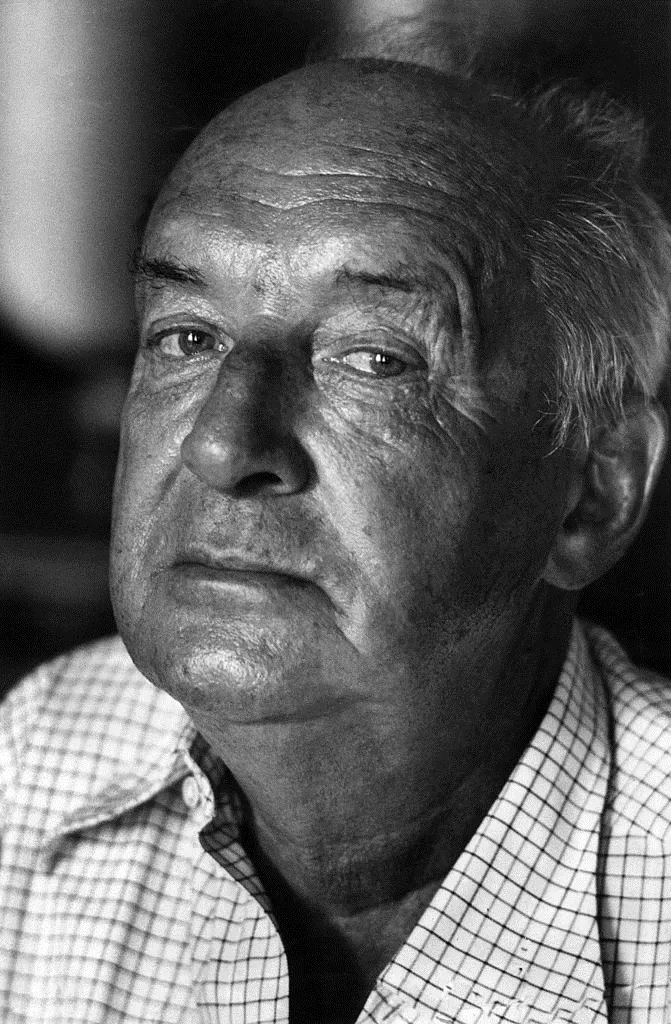
Vladimir Nabokov dedicated his work simply “To Véra,” the woman many credit with polishing her husband’s writing, but who often disappeared in the shadow of her famous husband during their 52 years of marriage. Véra Nabokov was not just a muse. She was his typist, his editor, his literary agent, his driver, and for years the person who shielded him from anything that might disturb his writing.
The dedication was stripped down to two words, but it carried the full weight of what was, by all accounts, a working partnership as much as a marriage. Scholars who have studied the Nabokov correspondence have described Véra as the invisible architecture holding up the entire literary edifice. A single name on a dedication page, repeated across decades of books, became one of the great love stories in modern letters.
E.E. Cummings Dedicates His Book to His Rejectors – No Thanks (1935)

The dedication of E.E. Cummings’ 1935 poetry collection No Thanks is, in fact, an anti-dedication. After being rejected by 14 different publishers, Cummings eventually self-published the collection with the help of his mother, but couldn’t resist a jab in the dedication. He listed all their names in the book, making the dedication both a record of rejection and a celebration of perseverance.
Partner offer
The dedication reads simply “NO THANKS TO” followed by a list of publishers including Farrar and Rinehart, Simon and Schuster, Random House, Viking Press, Knopf, Harper’s, Scribner’s, and others. It’s arranged on the page in the shape of a vase, a final artistic flourish that turned professional humiliation into a piece of visual poetry. The book was dedicated, effectively, to everyone who said no.
C.S. Lewis and “My Dear Lucy” – The Lion, The Witch and The Wardrobe (1950)
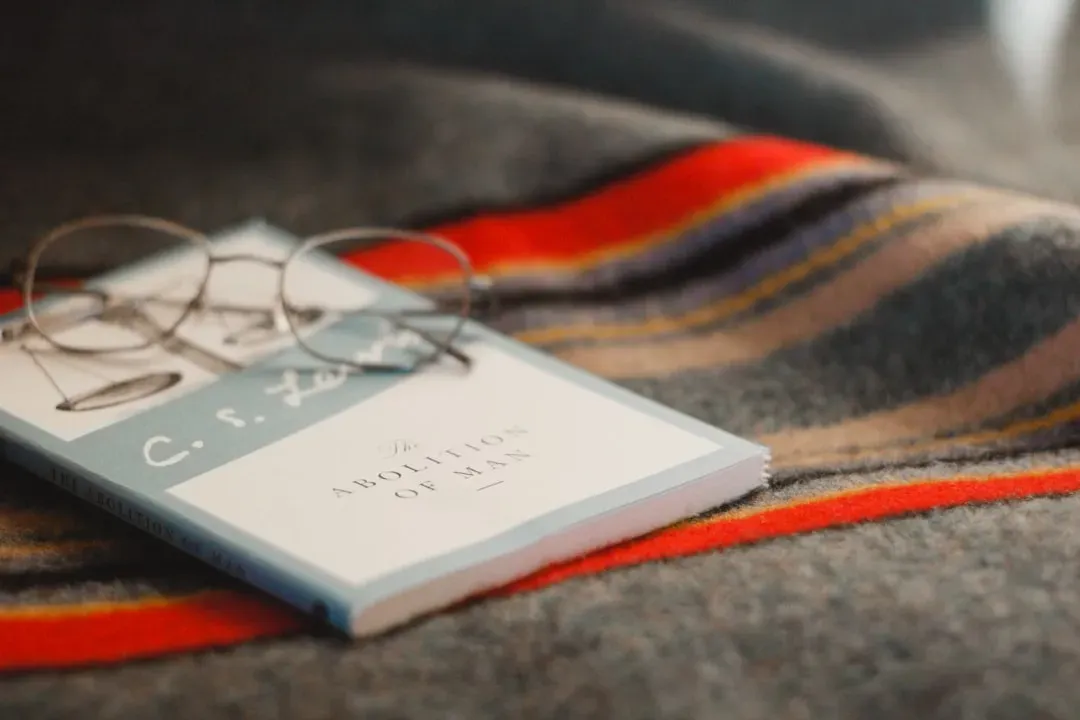
C.S. Lewis dedicated The Lion, The Witch, and The Wardrobe to Lucy Barfield, the adopted daughter of his long-time friend Owen Barfield. Not only that, he named the heroine of his story after her. His goddaughter clearly made quite an impression on him. The dedication itself is a gentle, slightly melancholy letter explaining that she had grown too old for fairy tales by the time the book was finished, but that someday she would be old enough to read them again.
Lucy Barfield had a heart-wrenching life story of her own, diagnosed with multiple sclerosis in her twenties and continuing to write poetry up until her death in 2003. She apparently took great delight in letters from fans around the world who believed her to be the real-life Narnia-adventuring Lucy. Lewis’s dedication, it turned out, was both a love letter and an unintentional prophecy: she did indeed need fairy tales again.
Lemony Snicket’s Grief Spread Across Thirteen Books – A Series of Unfortunate Events (1999–2006)

Under his pen name Lemony Snicket, author Daniel Handler wrote to a woman named Beatrice, a lost love who had broken off their engagement and married a man named Bertrand. The two later died, leaving behind their children, the Baudelaire orphans. The original message appeared in The Bad Beginning and read simply: “To Beatrice – darling, dearest, dead.”
Snicket continued with the theme, writing some irreverent form of this dedication for all thirteen volumes in the series. Each begins with “For Beatrice,” with some of the most inventive including the line “When we were together I felt breathless. Now you are,” from The Vile Village, and “My love flew like a butterfly, until death swooped down like a bat,” from The Miserable Mill. What began as a running joke quietly revealed itself to be a miniature tragedy, serialized across an entire childhood series.
Stephen King and the Manuscript Rescued from the Trash – Carrie (1974)
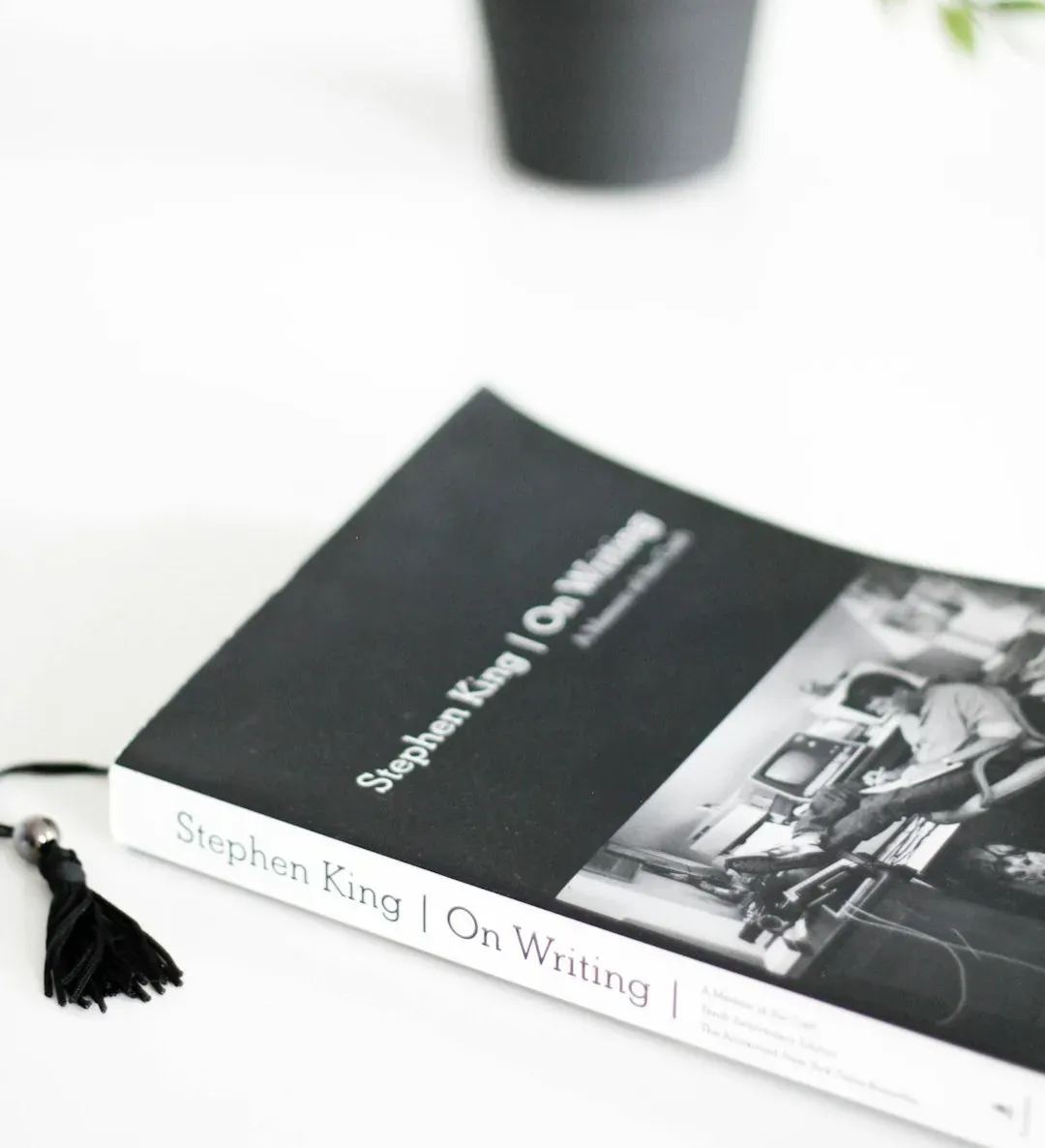
Stephen King has dedicated several of his books to his wife Tabitha, acknowledging her unwavering support throughout his career. She is credited with rescuing his manuscript for Carrie from the trash and encouraging him to keep going. King had thrown the draft away, convinced it was too raw and too strange. Tabitha retrieved the pages, read them, and told him to finish the book. It became his first published novel and launched one of the most successful careers in popular fiction.
The dedication on that first novel reads “This is for Tabitha.” It looks simple, almost perfunctory. The real weight is in everything it doesn’t say: that without her, none of the books that followed would exist. King has spoken openly about this story across decades of interviews, and it has become one of the most well-known examples in literary history of a partner saving a career with a single act of faith.
Ayn Rand’s Audacious Double Dedication – Atlas Shrugged (1957)
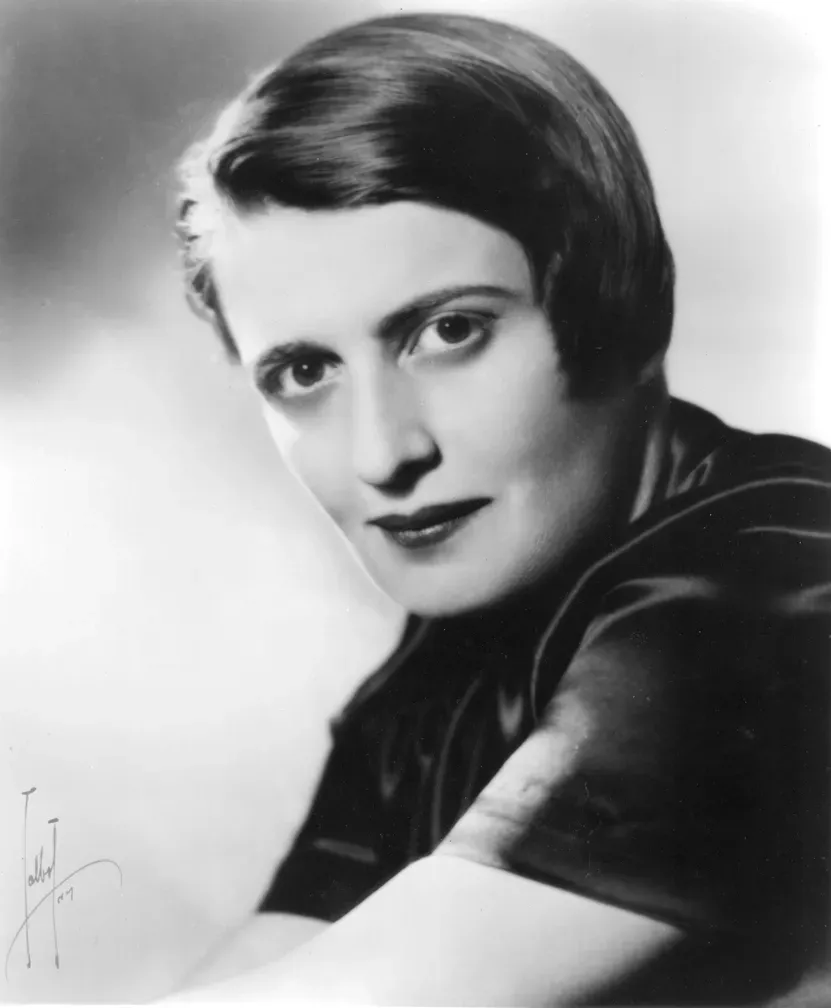
Ayn Rand dedicated Atlas Shrugged to two men: her husband and her lover. In her author note, she described her husband Frank O’Connor as embodying the values of character she sought in a man, while her lover Nathaniel Branden was her “intellectual heir,” an ideal reader with a rational and independent mind, someone she had first encountered through a fan letter he sent her.
In the very first editions of Atlas Shrugged, Rand dedicated the book to both her then-husband and her lover. Following the relationship’s eventual demise, she ordered the lover’s name removed from future editions. The dedication, which had started as an act of radical transparency, was quietly revised into something more conventional. The story has been cited as one of literature’s clearest examples of what happens when a dedication goes sour.
J.K. Rowling’s Seven-Way Farewell – Harry Potter and the Deathly Hallows (2007)

The dedication of the final Harry Potter novel was split in seven ways: to Jessica, to David, to Kenzie, to Di, to Anne, and to all readers who had stuck with Harry until the very end. It brought the most commercially successful book series in history to a close, ten years after Rowling changed the world with the Philosopher’s Stone. The series had by then sold more than 500 million copies and been translated into 80 languages.
The seven-part structure of the dedication mirrored the seven books in the series, a formal echo that felt deliberate. Rowling clearly wanted to pay tribute to the vast readership who had hung upon her every word across an entire decade. For millions of readers who had grown up alongside Harry, Ron, and Hermione, being included in that final dedication felt less like a courtesy and more like a goodbye from a very old friend.
Partner offer
Planning a trip to Vegas?
Compare hotel rates and show tickets on VEGAS.com.