Most Nevada residents think of their monthly utility bill as a fixed, predictable expense, something that rises and falls with the seasons. What fewer people consider is that a reservoir sitting roughly 30 miles east of Las Vegas has a direct hand in determining those numbers. Lake Mead is not just a landmark. It is the engine behind Southern Nevada’s water supply and a significant source of regional power, and its long, steady decline is reshaping the economics of daily life in the state.
The Lake’s Alarming Drop in Context
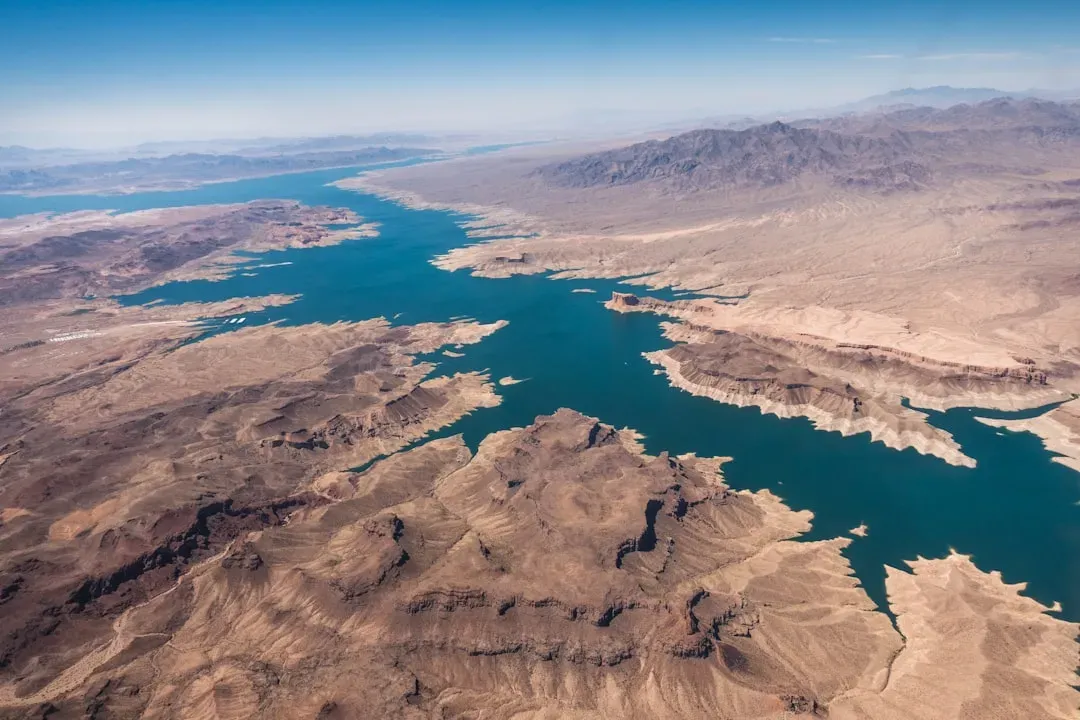
The elevation of Lake Mead has dropped by approximately 160 feet since 2000. That is not a typo. To put it in physical terms, 160 feet is roughly the height of a 15-story building, and that water has simply vanished from the system over the course of two and a half decades of drought, rising temperatures, and chronic overuse.
In January 2025, the water elevation at Lake Mead measured 1,066.37 feet, and by December it had dropped to 1,062.24 feet, according to data from the U.S. Bureau of Reclamation. As of late April 2026, the lake is sitting at just under 35% capacity, and it could drop another 16 or more feet before the end of the year.
What “Shortage Tier” Actually Means for You
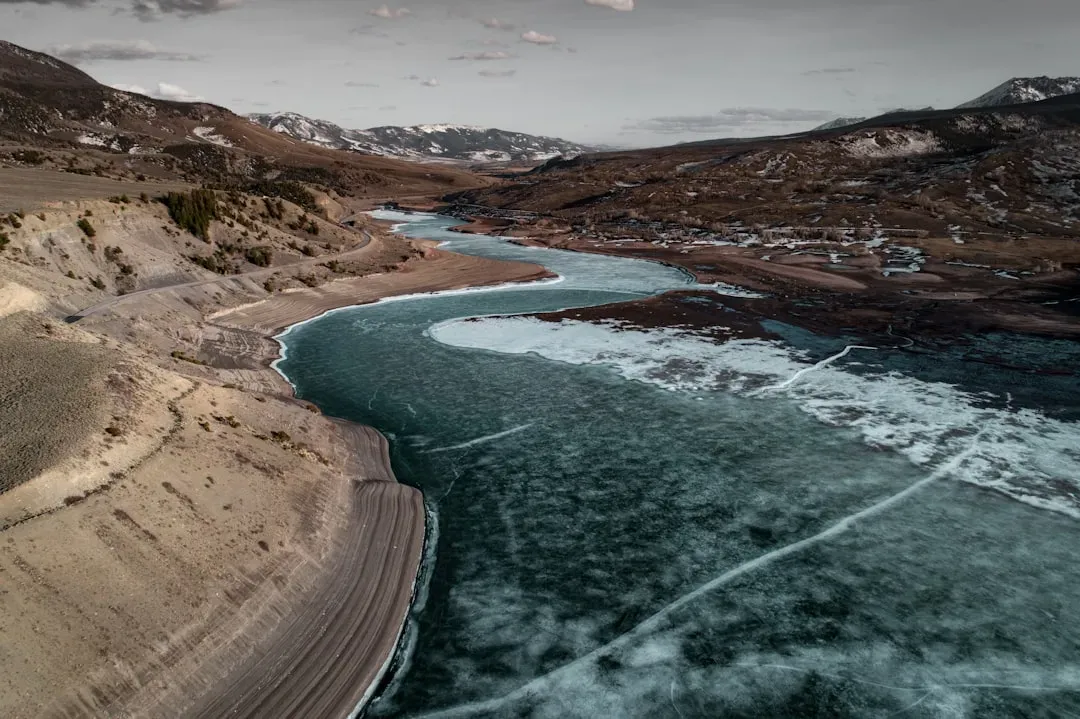
The Secretary of the Interior makes a shortage declaration for the following year when the U.S. Bureau of Reclamation’s model projects Lake Mead to be at or below 1,075 feet on January 1 of the following year. These declarations are not symbolic. They carry real, binding consequences for how much water Nevada can draw from the Colorado River.
Under Tier 1, Southern Nevada is allowed 279,000 acre-feet from the Colorado River, which is 21,000 acre-feet below the state’s standard allocation of 300,000 acre-feet, a 7% cut. Nevada has now faced a 7 percent cut in its share of the Colorado River for the fifth year in a row, marking a consecutive era of concerning and increasing shortage.
Five Consecutive Years of Federal Water Cuts
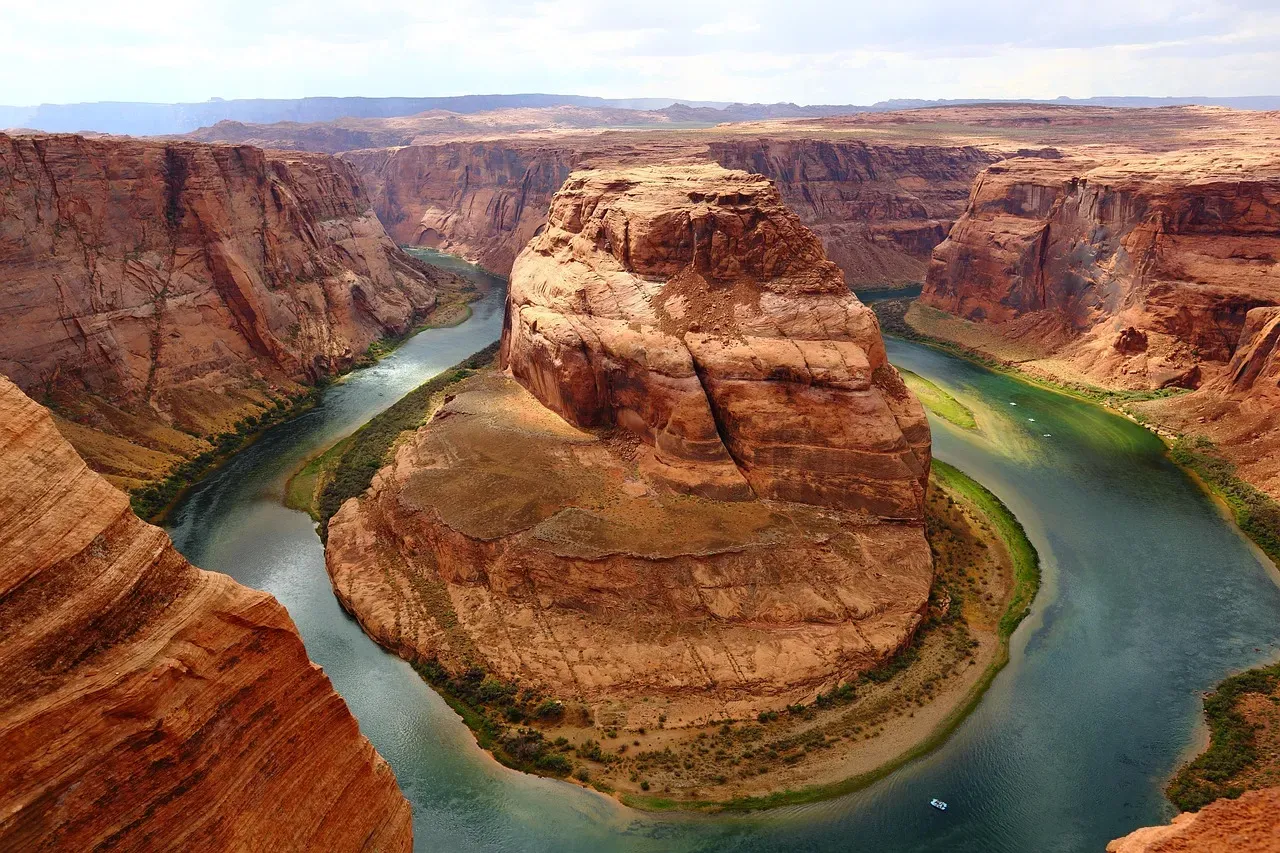
Federal officials announced they would continue water allocation cuts on the Colorado River for the fifth consecutive year following a persistent drought, with Tier 1 water cuts continuing to preserve water levels at Lake Mead, which supplies about 90% of Las Vegas’ water.
The Secretary of the Interior made the first-ever shortage declaration in 2021. Since then, Nevada has operated under some form of federally mandated reduction every single year. The U.S. Bureau of Reclamation’s 2025 August 24-month study forecasted a Lake Mead elevation between 1,050 and 1,075 feet for January 1, 2026, and a Tier 1 shortage will remain in effect through 2026 for Lower Basin operations.
The Direct Charges Already on Your Bill
Many Nevada residents don’t realize that Lake Mead-related infrastructure costs are already embedded directly in their monthly water statements. In Henderson, for example, residents pay specific surcharges tied to regional water reliability.
The SNWA Infrastructure Surcharge funds improvements to regional infrastructure to deliver high-quality drinking water, and it stands at $10.65 per month for a typical single-family residence in 2026. On top of that, the SNWA Drought Protection Charge is specifically designated for a low lake level pumping station at Lake Mead to pump water from the deepest part of the reservoir when lake levels are extremely low, and it adds $6.32 per month for a typical single-family residence in 2026.
Hoover Dam’s Power Output Is Already Shrinking
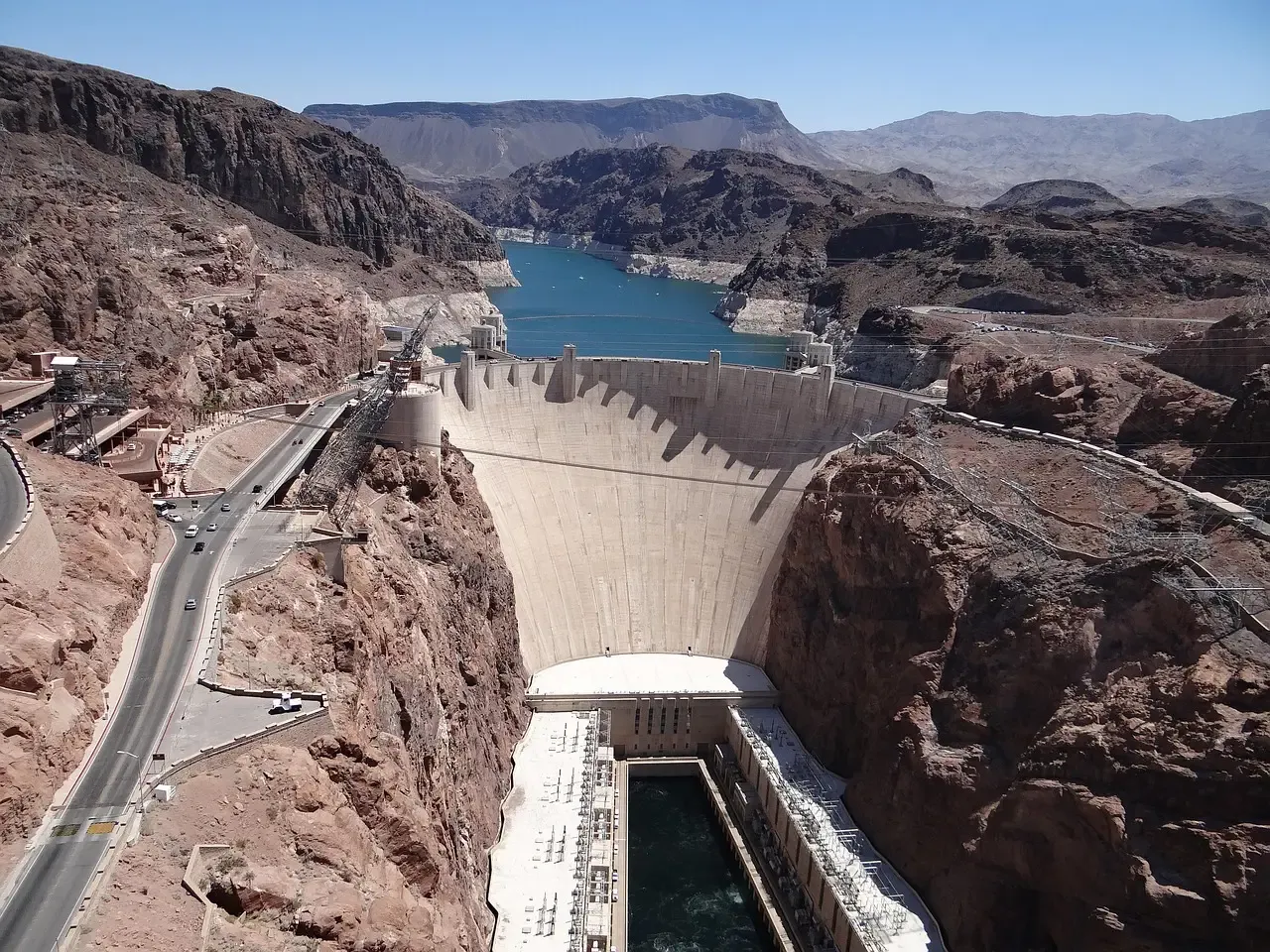
Most people think of water and electricity as separate utilities, but at Lake Mead they are deeply intertwined. Since the turn of this century, Hoover Dam’s electrical output has dropped in tandem with Lake Mead’s decline, and annual generation is down by about half since 2000, the last year the reservoir was full.
According to the Bureau of Reclamation, if Lake Mead falls another 23 feet to elevation 1,035 feet, Hoover Dam’s capacity to generate electricity would be slashed by 70% from its current level. The huge drop in hydropower output is due to physics: a higher column of water behind a dam provides more pressure to spin the electricity-generating turbines, and less water means less pressure and less hydropower.
Who Gets Squeezed When Hydropower Falls Short
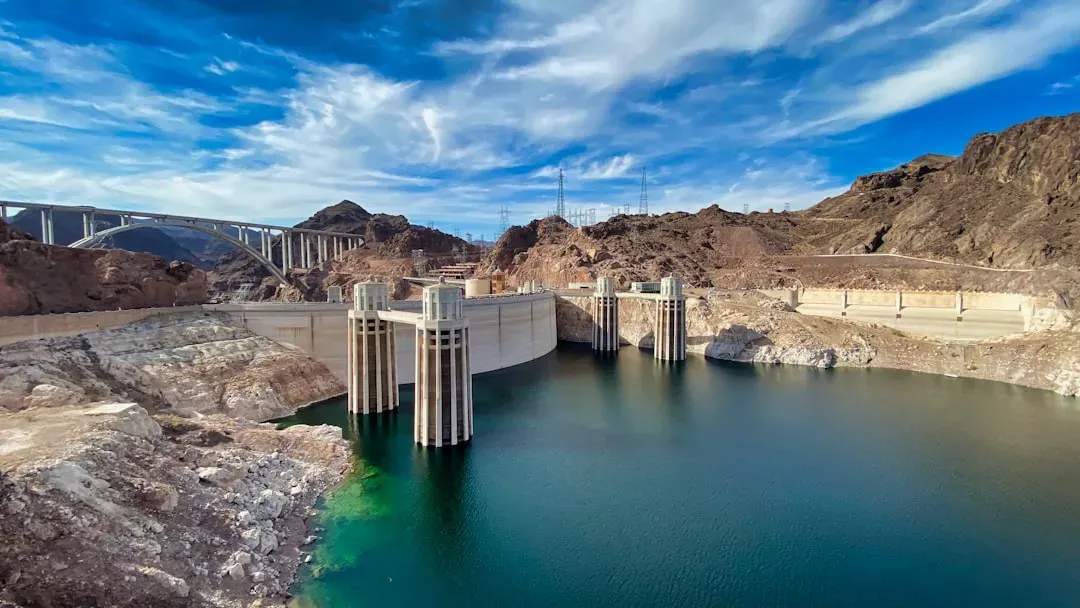
Declines in hydropower generation have been felt by the customers who buy Hoover Dam’s electricity, and in a shortfall they have to buy market-rate electricity, which can be considerably more expensive depending on the season and power demand.
The executive director of the Colorado River Commission of Nevada, which manages the state’s allocation of Hoover’s power, has noted that rural electric companies in the state have a higher share of their electricity coming from the dams and would be most affected by a shortfall. One specific example is Lincoln County Power District in eastern Nevada, a small utility where Hoover provides about 70% of its power, down from 100% two decades ago.
Partner offer
The Broader Electricity Cost Pressure Ahead
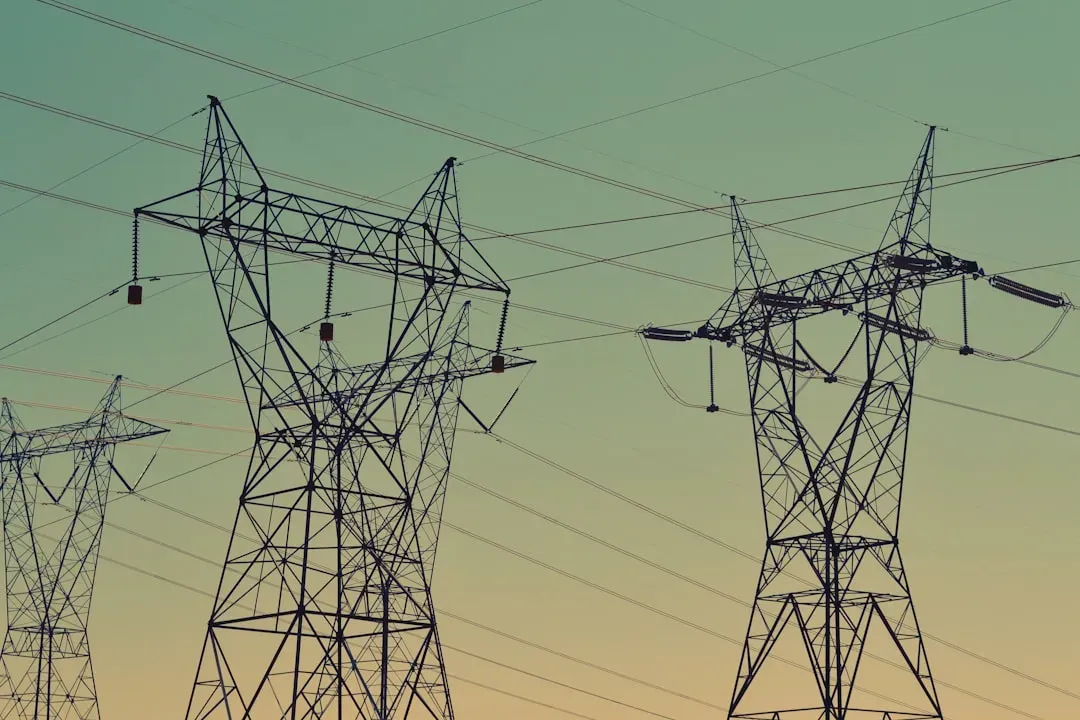
A 40% cut to a 2.08 gigawatt facility is not a marginal reduction, and replacing 1.32 terawatt hours of annual hydro generation will require investment in alternative power sources, as a deepening water crisis cuts hydropower and pushes utilities toward costlier alternatives across the American Southwest.
This shift could raise electricity costs for residential and industrial customers across Nevada, California, and Arizona, and more than 500 data centers in the region that already operate on thin power margins during peak summer demand will feel the impact most directly. Those costs do not stay confined to commercial customers. They tend to filter through the regional grid and affect household rates over time.
Nevada’s Conservation Record Is Real, But Not Enough Alone
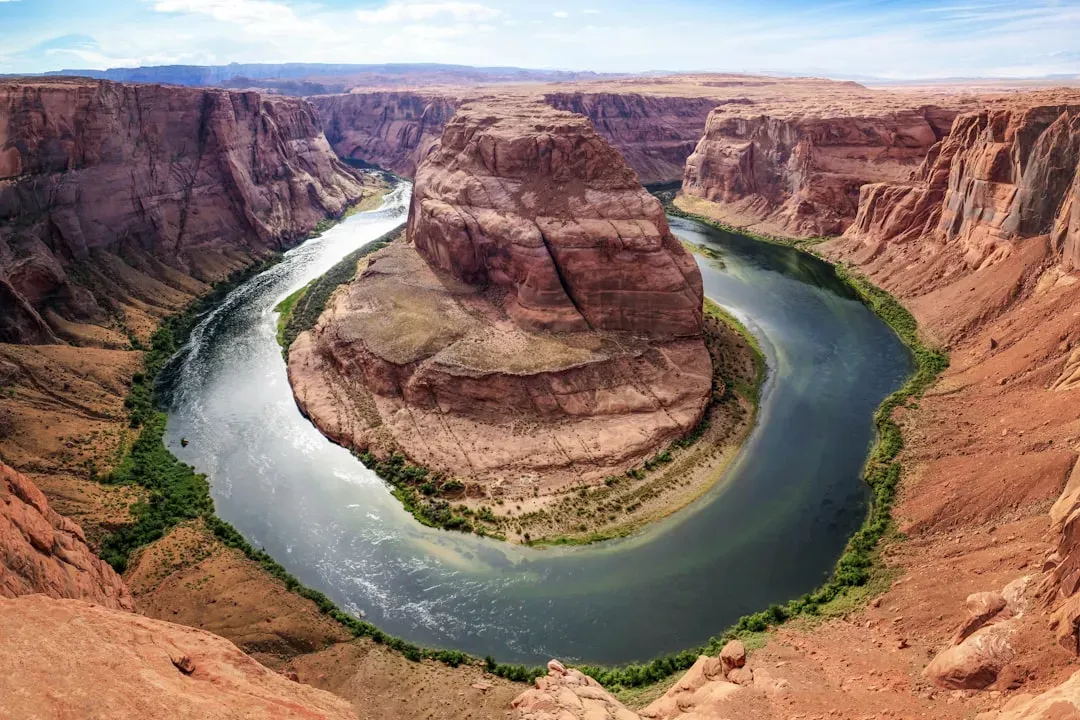
Through one of the nation’s most progressive and comprehensive water conservation programs, Southern Nevada has reduced its per capita water use by 58 percent between 2002 and 2025, even as the population increased by approximately 876,000 residents during that time. That is a genuinely remarkable achievement, and it matters.
Still, conservation at the household level can only accomplish so much when the structural problem is a river system strained across seven states and Mexico. Nevada is not currently using its full Colorado River allocation, and by the end of 2024, the state’s consumptive Colorado River water use was 212,400 acre-feet, an amount that falls below any Colorado River water supply reduction under existing rules. The state’s discipline has, for now, created a buffer.
The 2026 Regulatory Cliff and What Comes Next
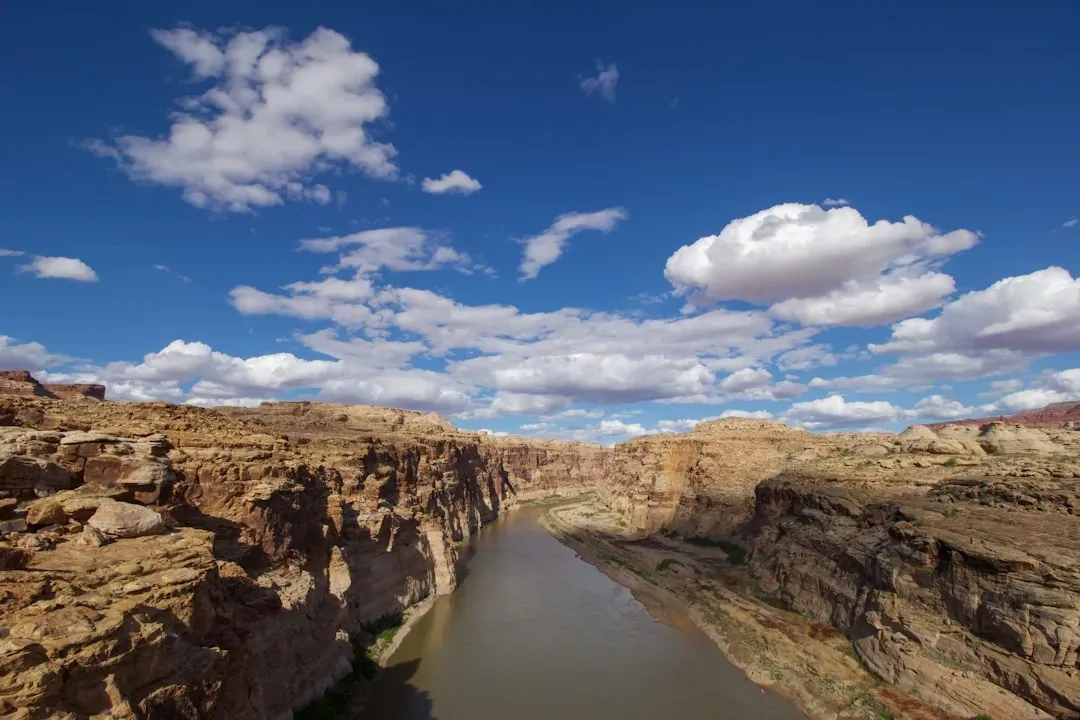
There is a deadline looming over the entire Colorado River system that could affect utility bills in ways that are harder to predict than any drought forecast. Current guidelines, including the 2007 Interim Guidelines, 2019 Drought Contingency Plans, and international agreements, are all set to expire at the end of 2026, leaving a critical void that must be filled with comprehensive strategies.
The current interim 2007 guidelines for Colorado River allowances by state are set to expire in 2026, and if the seven states can’t come to a consensus on water allowances by then, the federal government has said it will step in. Whatever new framework emerges will directly shape the cost and availability of water, and by extension electricity, for every Nevada household going forward.
What Nevada Residents Can Do Right Now
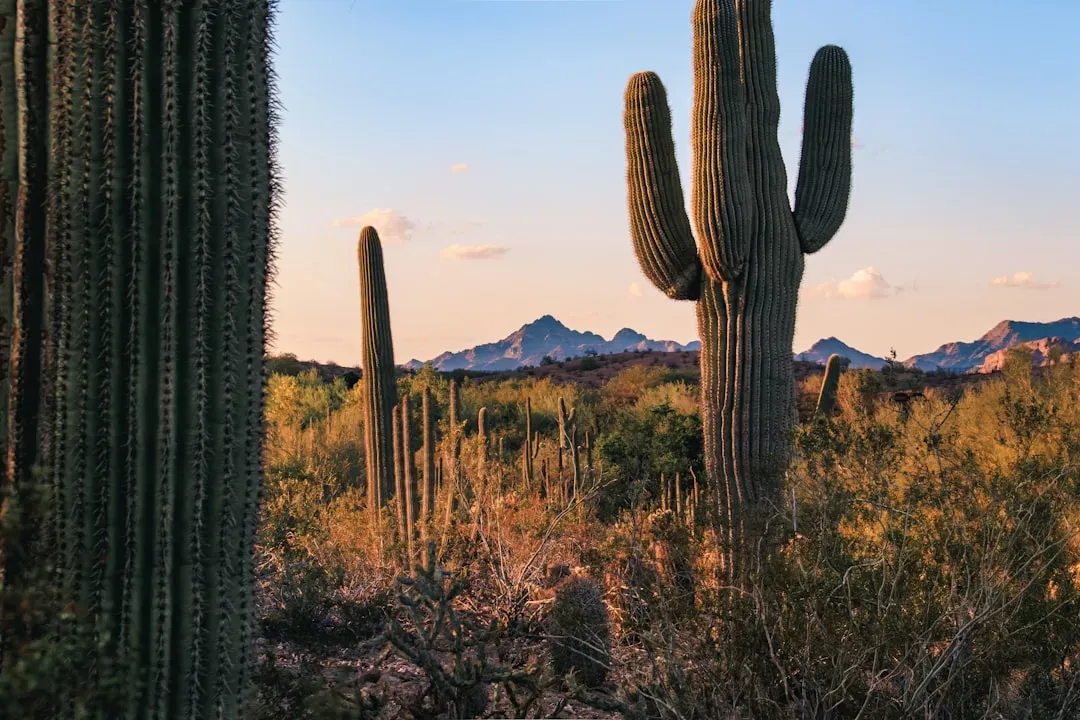
Outdoor water consumption accounts for about 60 percent of Southern Nevada’s overall water use, which makes the lawn and the irrigation system the most meaningful levers most households actually control. Replacing non-functional grass with desert-adapted landscaping on drip irrigation can meaningfully lower a household’s consumption and, in turn, its bill.
A Nevada law passed in 2021 will prohibit the use of Colorado River water to irrigate decorative grass by the end of 2026. The Southern Nevada Water Authority has also identified a goal to cut water use by another 10% over the next 10 years. These are not distant policy goals. They are active changes that residents are already navigating, and the choices made at the household level will shape how much pressure falls on regional infrastructure and, ultimately, on everyone’s bill.
Conclusion: The Bill Reflects the Lake
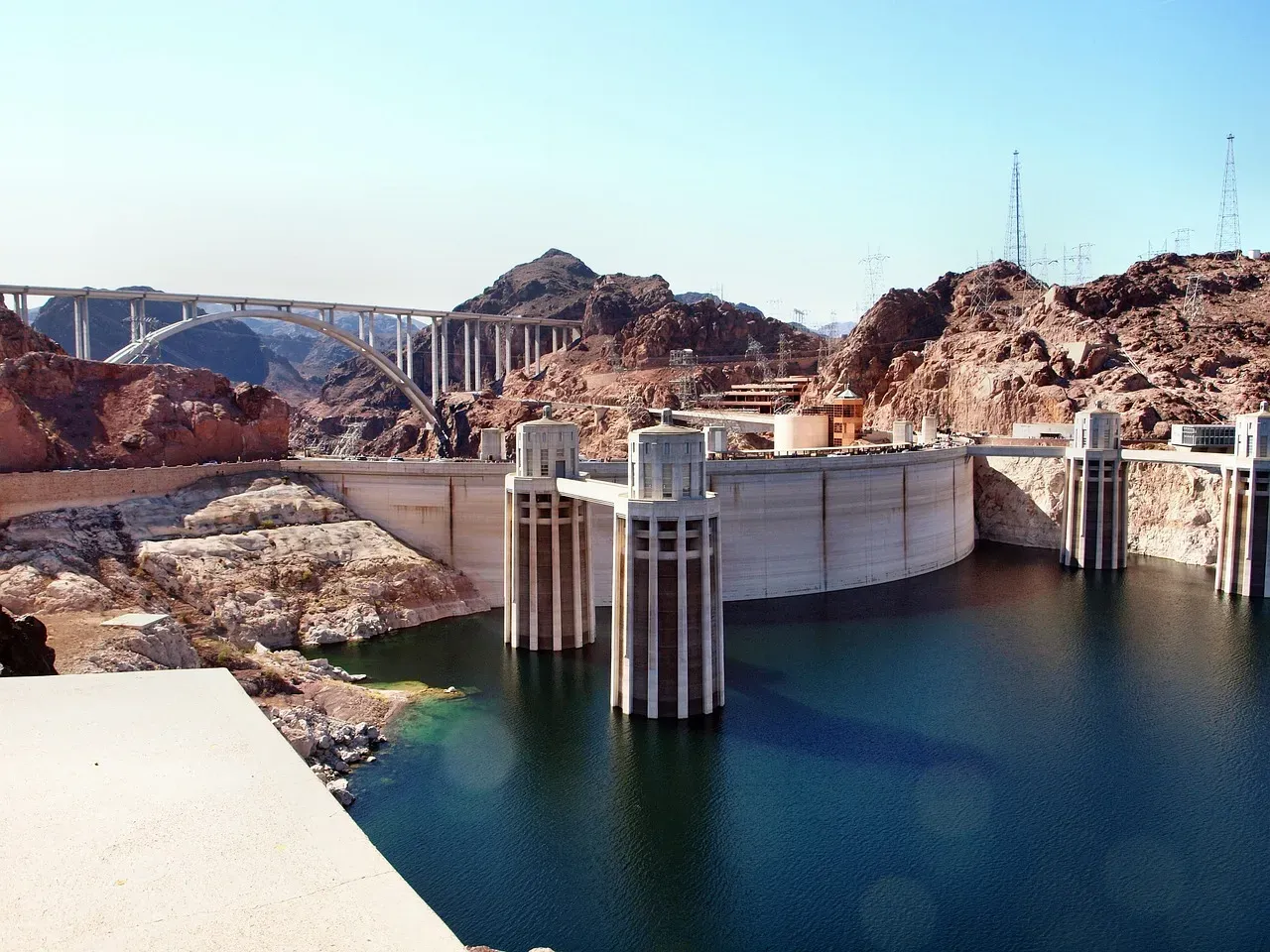
Every month, when a Southern Nevada resident opens a water or power bill, they are in some sense reading a report on the health of a reservoir 30 miles away. The connection is not abstract. It runs through surcharges, shortage allocations, hydropower output, and market-rate electricity purchases.
The data from 2024 through early 2026 tells a consistent story: Lake Mead remains well below historical averages, shortage conditions persist for the fifth consecutive year, and the regulatory framework governing the entire Colorado River expires at year’s end. The decisions made in the next 12 to 24 months, by federal negotiators, state water managers, and individual households alike, will determine whether utility costs in Nevada stabilize or climb steeply.
Water in the desert was never cheap in any real sense. It just took a long time for that reality to show up as a line item on the bill.
Partner offer
Planning a trip to Vegas?
Compare hotel rates and show tickets on VEGAS.com.