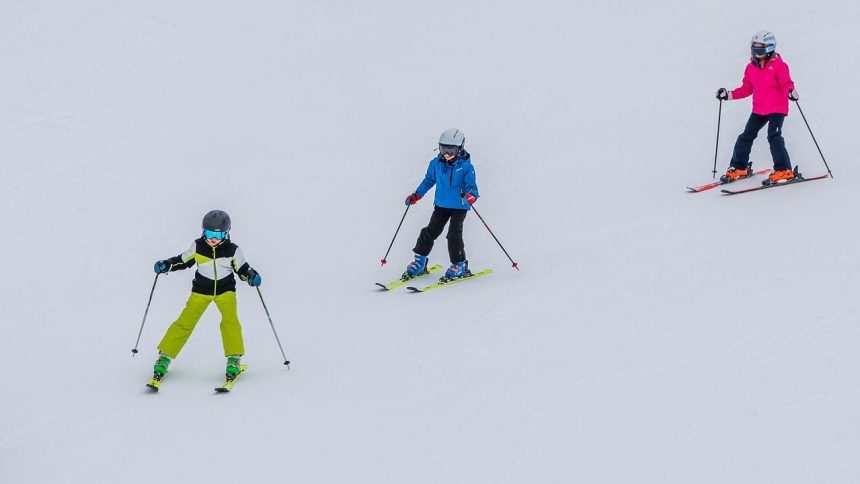

Olympic skier sounds alarm on vanishing snow – Image for illustrative purposes only (Image credits: Pixabay)
Julia Kern has built her career on the precise conditions that winter sports demand. As an Olympic skier, she has watched those conditions shift in ways that affect training, competition, and the long-term viability of the discipline itself. Her observations have moved her from the slopes into a more public role focused on the changes she encounters each season.
Shifting Conditions on Familiar Terrain
Warming winters have altered the rhythm of Kern’s sport in noticeable ways. Snow that once arrived reliably now appears later or melts faster, forcing adjustments in preparation and event planning. These changes do not simply inconvenience athletes; they reshape the calendar and the physical demands placed on competitors who must perform under less predictable circumstances.
Kern has described how the sport she knows is being transformed by these trends. What once felt like a stable foundation now requires constant adaptation. The result is a quieter but persistent pressure on everyone involved, from coaches to event organizers, to find workable solutions amid the uncertainty.
From Personal Experience to Wider Action
Kern’s response has extended beyond her own races. She has begun using her platform to highlight the broader stakes for winter sports. Rather than treating the changes as isolated incidents, she frames them as part of a larger pattern that will continue to influence the next generation of athletes.
This shift from competition to advocacy reflects a growing recognition that individual performance alone cannot address the underlying issue. Kern’s efforts focus on raising awareness so that the conversation moves from the slopes into policy discussions and public understanding. Her approach remains measured, grounded in what she has seen rather than speculation about distant futures.
What Remains at Stake
The challenges Kern identifies touch more than one athlete or one season. They point to questions about how winter sports will continue to exist in their current form if snow patterns keep changing. Organizers and governing bodies are already exploring alternatives, yet the core reliance on natural snow remains central to the identity of the sport.
Kern’s voice adds a personal dimension to these larger discussions. By speaking from direct experience, she connects abstract climate trends to the daily realities of training and racing. The result is a clearer picture of both the immediate adjustments required and the longer-term decisions that lie ahead for the entire community.