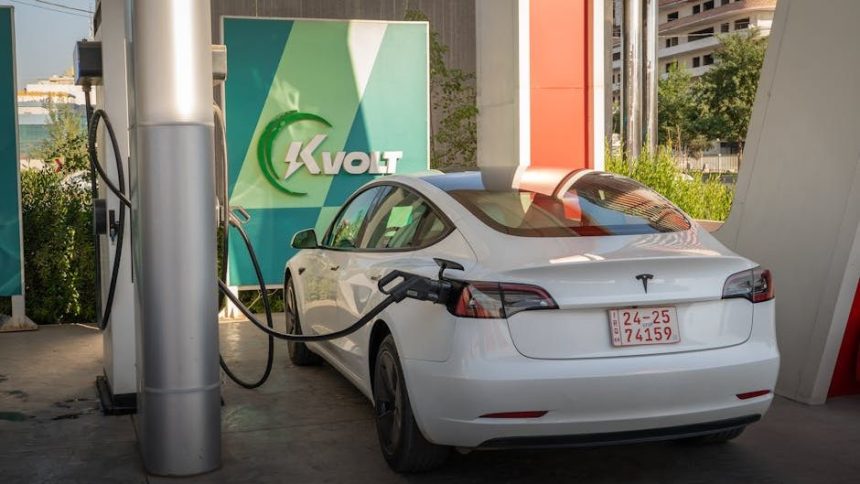
Fuel shortages and high prices push adoption of EVs in Africa, led by Ethiopia – Image for illustrative purposes only (Image credits: Pexels)
In Addis Ababa, electric taxis and buses now move through traffic with little more than a low hum, a noticeable shift from the diesel engines that once dominated the city’s streets. The change stems directly from Ethiopia’s decision to halt imports of gasoline and diesel vehicles in 2024, a policy that has coincided with rising global fuel costs tied to ongoing conflicts. Across the continent, similar pressures are prompting governments and consumers to consider electric options as a practical response to both economic strain and supply disruptions.
Policy Decisions That Reshaped the Market
Ethiopia’s ban on new fossil-fuel vehicle imports marked one of the most decisive steps any African nation has taken toward cleaner transport. The government paired the restriction with reduced tariffs on electric models, making them more accessible despite their higher upfront prices. This approach has already placed more than 120,000 electric vehicles on Ethiopian roads, with roughly 60 percent of new registrations in 2025 falling into the electric category.
The policy also aligns with the country’s abundant hydropower resources, particularly from the Grand Ethiopian Renaissance Dam. Officials see the move as a way to cut annual oil import costs that have approached 4 billion euros in recent years. Other nations are watching closely, though few have matched Ethiopia’s speed in enacting comparable restrictions.
Import Trends Signal Wider Demand
Data from China’s Commerce Ministry shows Africa received 44,358 electric vehicles from Chinese manufacturers in 2025, more than double the 19,386 units imported the previous year. The total value exceeded $200 million, underscoring how sharply demand has risen amid fuel shortages and price spikes linked to the Iran conflict.
Partner offer
Ethiopia accounts for a substantial share of these shipments, but interest is spreading. Countries facing similar fuel constraints are beginning to explore incentives and infrastructure upgrades. The surge reflects a pragmatic calculation: electric vehicles offer lower operating costs once charging networks are in place, even if initial purchases remain expensive for many households.
Practical Benefits and Lingering Obstacles
Electric buses and taxis in Addis Ababa have already reduced noise levels and cut fuel expenses for operators. Riders notice quieter rides, while fleet managers report steadier costs compared with volatile diesel prices. These early wins demonstrate how the technology can deliver immediate relief in high-traffic urban areas.
Yet challenges remain. Charging infrastructure is still limited outside major cities, and many potential buyers worry about battery range on longer rural routes. Resale values for early electric models have also declined faster than expected in some markets, raising questions about long-term ownership economics. Ethiopia plans to install more than 2,300 charging stations over the next decade, but scaling that network across the continent will require coordinated investment.
What the Shift Means Going Forward
The combination of policy action, import growth, and real-world cost savings suggests electric mobility is no longer a distant prospect for Africa. Ethiopia’s experience shows that decisive government steps can accelerate adoption even in economies where average incomes remain modest. As fuel pressures persist, other nations may find similar incentives to follow suit, potentially easing both household budgets and dependence on imported oil.
Whether the momentum continues will depend on sustained infrastructure development and stable electricity supply. For now, the trend offers a clear illustration of how external shocks can drive practical changes in transportation choices across the region.
Partner offer
Planning a trip to Vegas?
Compare hotel rates and show tickets on VEGAS.com.