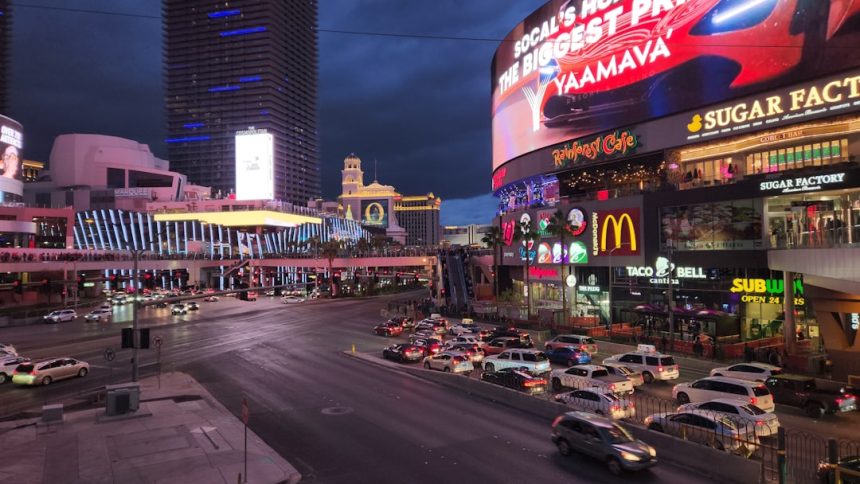
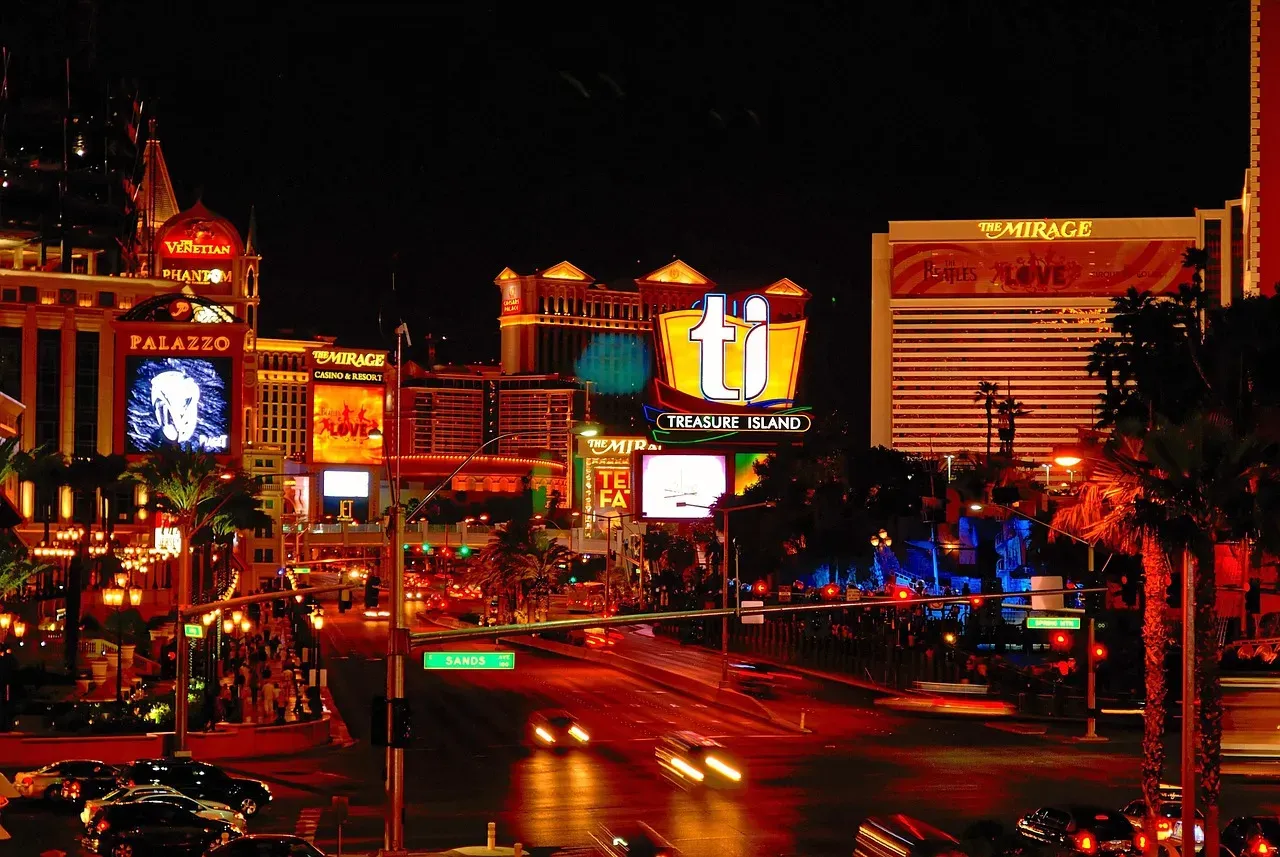
Las Vegas has a reputation problem when it comes to traffic. The Strip jams up by mid-afternoon, I-15 moves like molasses during rush hour, and anyone who’s tried to park near a major resort on a Friday night knows the particular frustration of circling for 20 minutes. The Strip is slow-going most of the time and turns into a virtual car park when the town is busy.
What most people don’t realize, though, is that just a few miles away from all that chaos, entire residential communities exist where you can pull up, park right in front of your house, and never once feel the headache of street congestion. These five neighborhoods are proof of that.
Why Las Vegas Traffic Builds Where It Does

Before exploring the calm spots, it helps to understand where the pressure comes from. With 300,000 vehicles daily and 25,000 lane-changes per hour, the I-15 experiences about three auto accidents per day. That kind of volume is staggering, but it’s concentrated in a surprisingly narrow corridor.
Rush hour in Las Vegas typically occurs between 7:00 and 9:00 a.m. and 4:00 and 6:00 p.m., with I-15, I-215, and US-95 being the busiest highways. The key insight is that this congestion is corridor-specific, not city-wide. Fortunately, neighborhoods away from the center of the Valley are generally much less congested.
While Las Vegas is the second-fastest growing metropolitan area, it is ranked among the top 20 metro areas with the best traffic conditions in the nation. That ranking makes more sense once you realize how much of the metropolitan area is actually low-density, residential, and calm.
Summerlin: The Masterpiece of Master Planning

Summerlin is a master-planned community located along the western edge of Las Vegas, nestled against Red Rock Canyon, known for its scenic views, golf courses, and vibrant downtown district. The community’s internal road network was designed from the start to keep heavy traffic out of residential pockets. As a Summerlin resident, you don’t need to navigate Vegas traffic to get what you need – everything is close at hand for a vibrant, well-rounded lifestyle.
Summerlin offers 250+ parks, top-rated schools, and crime rates 70% below the national average. That kind of density of green space naturally disperses vehicle movement across a larger area instead of funneling it into a few choke points. Residents also benefit from 150+ miles of trails and direct access to Red Rock Canyon, Downtown Summerlin’s 106-acre retail and dining district, and multiple championship golf courses.
Summerlin offers crime rates 70% below the national average, and the same careful zoning that keeps crime down also keeps through-traffic minimal. Parking on residential streets here is genuinely uneventful, the way it should be in a neighborhood.
Southern Highlands: Quiet by Design

Located in the southwestern part of the city, Southern Highlands is a picturesque and upscale community that offers a luxurious and tranquil living experience, with a wide range of amenities such as parks, walking trails, and golf courses. The community’s layout physically separates it from the high-volume corridors running through central Las Vegas.
Southern Highlands encompasses 2,750 acres and is just 12 minutes southwest of the Las Vegas Strip, with more than $200 million invested in the development. That investment included its road infrastructure, which was built to serve residents rather than commuters passing through. The fairways, spacious lots, and eight green spaces give the neighborhood a quiet, relaxed vibe.
Southern Highlands features a Robert Trent Jones Jr. championship golf course, 50+ acres of parks, and guard-gated luxury sections. Guard-gated entries serve a dual purpose here: they offer security, but they also naturally limit the volume of vehicles moving through at any given time.
Centennial Hills: Established and Unhurried
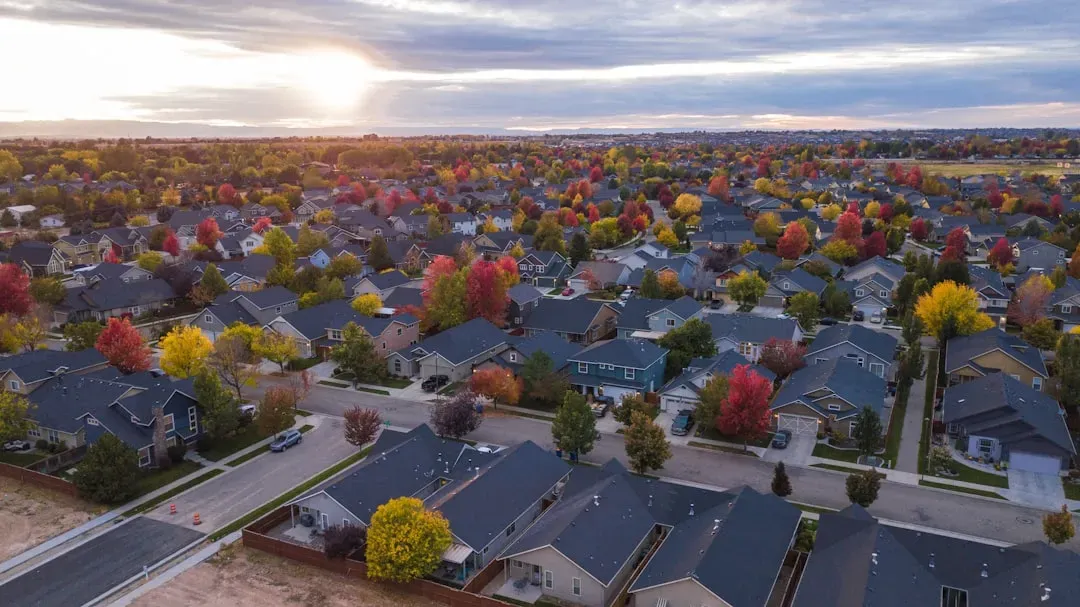
Centennial Hills is a neighborhood in Northwest Las Vegas known for its affordable housing and range of options, and the accessibility of outdoor activities is a significant factor in the area’s appeal. It sits well clear of the tourist corridors and the casino clusters that generate most of the valley’s street-level chaos.
Centennial Hills is an established northwest Las Vegas community with homes ranging from $375,000 to $800,000, offering mature landscaping, quality schools, extensive retail, and a family-friendly atmosphere. The fact that it’s largely built out matters for parking: Centennial Hills is a fully established community, meaning it’s largely built out with mature trees, completed infrastructure, and no ongoing construction zones – unlike still-developing neighborhoods, you move into a finished community with established schools, retail, and amenities already in place.
Centennial Hills is a growing suburban community offering a mix of newer developments, spacious homes, and a strong sense of community, providing easy access to parks, schools, and shopping while maintaining a quieter suburban atmosphere. Streets here feel like streets are supposed to feel in a suburb.
Anthem (Henderson): Elevated, Serene, and Uncrowded
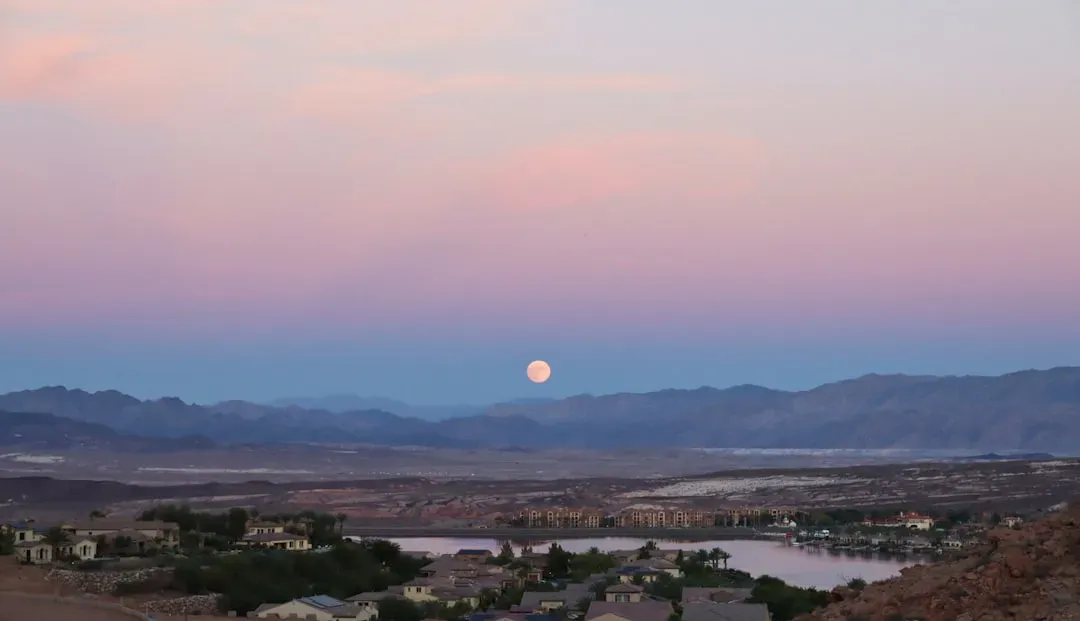
Anthem is a highly sought-after master-planned community located in the southeastern region of Henderson, Nevada, situated in the picturesque foothills of the Black Mountains, offering stunning views of the Las Vegas Valley. Its hillside position alone discourages the casual through-traffic that plagues flatter, more accessible neighborhoods.
Established in 2004, Anthem Highlands is located in the city of Henderson, a suburb of Las Vegas, geared towards a family atmosphere with a slower pace than that of the busy city nearby. That slower pace shows up directly in how the streets feel. The community is at the southern edge of the valley beside the Black Mountain range and Sloan Canyon National Conservation Area, giving the neighborhood the best of both worlds – a feeling of remote privacy while still having easy access to plenty of amenities in a world-class metropolitan city.
Among the top-safety neighborhoods, Anthem in Henderson ranks at 1.5 violent crimes per 1,000 residents. Low crime and low traffic tend to reinforce each other, and Anthem is a clean example of both working together.
Skye Canyon: The Newest Calm in the Northwest

Skye Canyon is a 1,000-acre next-generation master-planned community in Northwest Las Vegas, offering entry-level, move-up, and luxury neighborhoods for individuals, couples, families, and active adults who share a passion for outdoor activities and immersive living. Being one of the newer communities in the valley, its road planning reflects current thinking on residential traffic management.
Skye Canyon is a modern master-planned community known for its newer construction homes, clean layout, and thoughtful community design that blends residential living with outdoor access, with homes including a mix of single-family residences, gated neighborhoods, and contemporary floor plans. As a newer community, Skye Canyon has very low crime. That matters for street atmosphere.
At Skye Canyon, outdoor enthusiasts thrive with dedicated bike lanes, walking paths, and expansive parks encouraging active living. Designated bike lanes reduce the pressure on streets by giving residents a genuine alternative to driving for short trips. Skye Canyon in the northwest valley currently leads appreciation at 2.6% year-over-year, with a median home price of $587,000.
What Makes These Neighborhoods Different: The Planning Factor
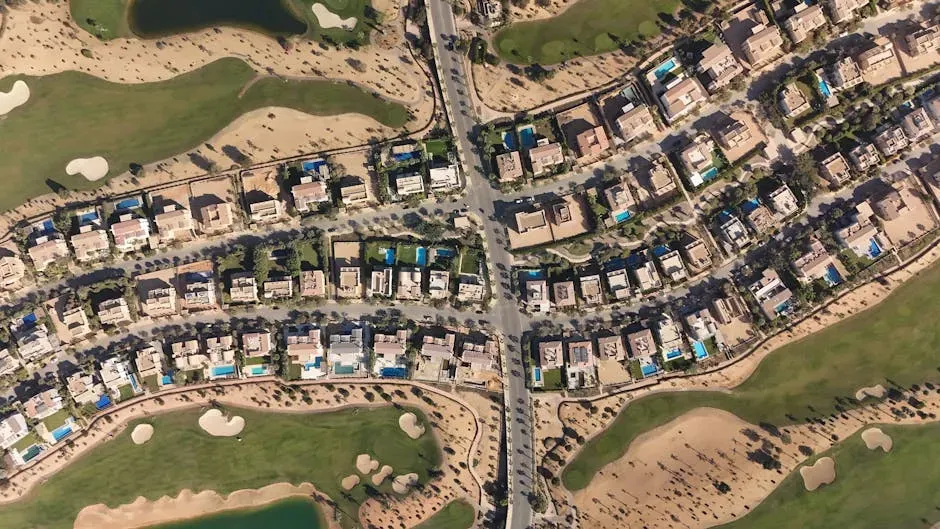
Traffic impact assessments study how new developments will affect roadways and traffic flow, and these evaluations help manage congestion and improve road safety, balancing development with transportation needs. Las Vegas’s master-planned communities are built with these assessments baked in from day one. That’s genuinely different from organic city growth, where streets are widened after the fact and parking is an afterthought.
Mixed-use developments and master-planned communities are essential in creating vibrant, functional urban areas – these zones integrate residential dwelling units with commercial spaces, parks, and sometimes entertainment venues, which minimizes commuting times and fosters community interaction. Fewer long-distance commutes means fewer cars on local streets at predictable times.
The Strip Contrast: Why Location Is Everything

Las Vegas Boulevard is the city’s iconic Strip, home to countless resorts, restaurants, and attractions, and this area is frequently congested due to its popularity with tourists – driving along the Strip, especially during weekends or holidays, can take much longer than anticipated. That contrast is sharp and instructive.
Rush hour is also going to be less congested in Las Vegas’s other neighborhoods, so residents who live and work outside the Strip and downtown area won’t have to worry about quite as much traffic. The valley is large, and the chaos is genuinely contained. Weekend and tourist traffic is particularly pronounced, with Fridays and Sundays often packed due to visitors arriving and departing – especially on I-15 southbound, where traffic to California can form long delays. Residents of Summerlin or Anthem feel almost none of that.
What the Data Actually Shows About Las Vegas Commutes
On average throughout 2023, it took Las Vegas drivers 12 minutes and 33 seconds to drive a typical 6-mile trip, and for a typical commute driven twice a day during rush hours, Las Vegas commuters spent 110 hours driving, of which 31 hours were due to congestion. Those numbers average across the entire metro area, including the worst corridors.
According to the TomTom Traffic Index, Las Vegas was the 21st slowest city in the U.S. – which sounds alarming until you realize it means nearly 20 American cities are worse. For residents of outer neighborhoods like Southern Highlands or Anthem, the lived experience of congestion is dramatically below even that moderate citywide average.
During peak hours, traffic congestion in Las Vegas can increase commute times by up to 30%, making it essential to plan travels accordingly. In residential neighborhoods far from the main corridors, that figure shrinks considerably. Distance from the Strip is essentially a parking guarantee.
What to Look For If You Want a Low-Congestion Address
Not all quiet neighborhoods are equal. The five highlighted here share a few consistent traits. They’re either master-planned from inception, elevated geographically, located well off the primary tourist corridors, or all three. Neighborhoods away from the center of the Valley are generally much less congested. That’s the simplest rule of thumb in Las Vegas real estate.
Zoning regulations help balance the needs of tourists and residents by keeping high-traffic, high-noise areas contained within specific boundaries. When you choose a neighborhood outside those boundaries, the benefits are immediate and concrete. Wide driveways, two-car garages, low-density zoning, and internal road loops all work together to ensure your street stays exactly that: your street.
Las Vegas is a city that has mastered the art of separating its wildest impulses from its quieter, residential reality. For anyone who’s written off the city as too chaotic to actually live in comfortably, these five neighborhoods are a genuine counterargument – built not just to look good on a brochure, but to make parking, and everyday life, feel genuinely easy.