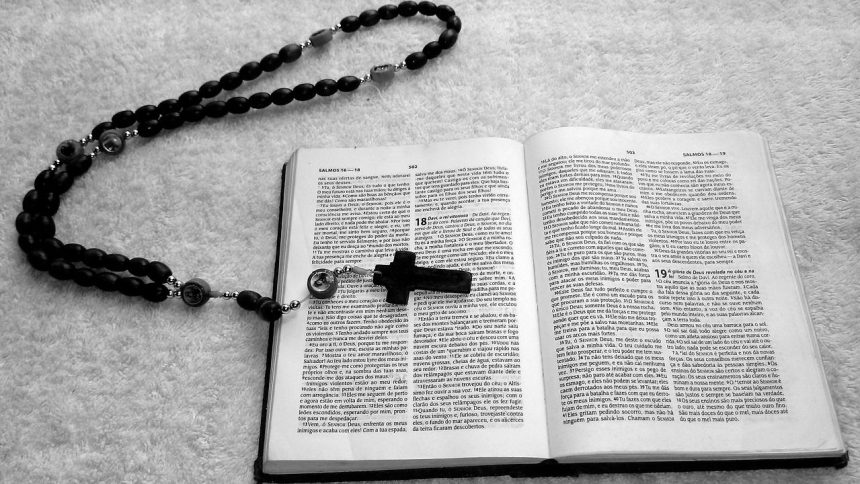

Pope Leo prays for end to ‘fratricidal hatred’ as he celebrates anniversary with visit to Pompeii – Image for illustrative purposes only (Image credits: Pixabay)
Pope Leo XIV spent the anniversary of his election in the ancient ruins of Pompeii, where he offered a pointed prayer for political leaders to set aside division. The visit placed the pontiff in a historic setting known for its preserved streets and silent testimony to sudden loss. His words focused on ending what he called “fratricidal hatred,” a phrase that captured the personal and collective cost of ongoing conflict.
Why Pompeii for This Milestone
The choice of Pompeii gave the day a reflective tone rather than a festive one. The city’s preserved remains stand as a reminder of how quickly life can change, a theme that aligned with the pope’s message about the fragility of peace. By traveling there instead of remaining in Rome, Leo XIV signaled that the anniversary was an occasion for contemplation rather than celebration.
Local officials and pilgrims gathered in modest numbers, respecting the solemn nature of the stop. The pope moved through the site at a measured pace, pausing at key points before leading the prayer. No large public address followed, keeping the focus on the simple act of intercession.
Partner offer
The Prayer and Its Immediate Context
Leo XIV directed his appeal directly to those in positions of power. He asked them to recognize the human cost of sustained animosity and to choose paths that reduce suffering. The language was direct, avoiding diplomatic softening while remaining within the bounds of a pastoral appeal.
Those present noted the absence of any political commentary beyond the call itself. The prayer stood alone as the central act of the day, delivered without additional statements or policy references. In that restraint, the moment gained clarity rather than complexity.
What the Visit Signals Going Forward
By marking the anniversary outside the Vatican, the pope established a pattern of stepping into places that carry historical weight. Such choices often shape how the faithful and the wider public interpret the tone of a pontificate. The Pompeii stop suggested a preference for understated gestures over grand declarations.
Observers will watch whether similar visits follow in the months ahead. The emphasis on ending hatred offers a consistent thread that could appear in future addresses or travels. For now, the day in Pompeii stands as a clear, contained expression of that priority.
Partner offer
Planning a trip to Vegas?
Compare hotel rates and show tickets on VEGAS.com.