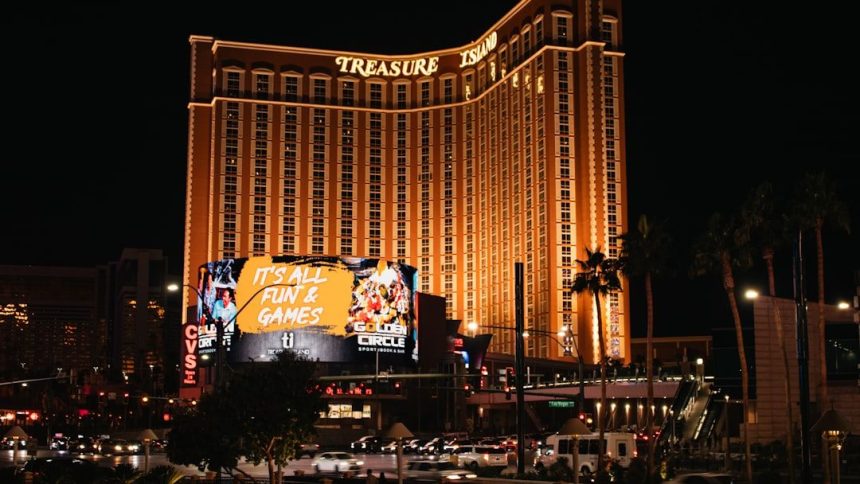
Most people think of Las Vegas as one giant, nonstop soundscape. Sirens, slot machines, bass from nightclubs, the roar of crowds pouring out of casinos at 3 a.m. That picture is accurate enough – for a narrow strip of the city. The broader Las Vegas Valley is a far more varied place, and where you live in it makes an enormous difference in what you hear on any given night. Even though Las Vegas has a reputation for being a boisterous, lively city, many of its residents also seek a quiet place to get away from the hustle and bustle. Fortunately, there is a surprising abundance of quiet neighborhoods where locals can enjoy relaxing days away from the beating heart of the legendary city. Here is a look at where the valley sits on the noise spectrum, ranked from the most serene corners to the loudest.
1. Anthem, Henderson – The Quiet Crown of the Valley
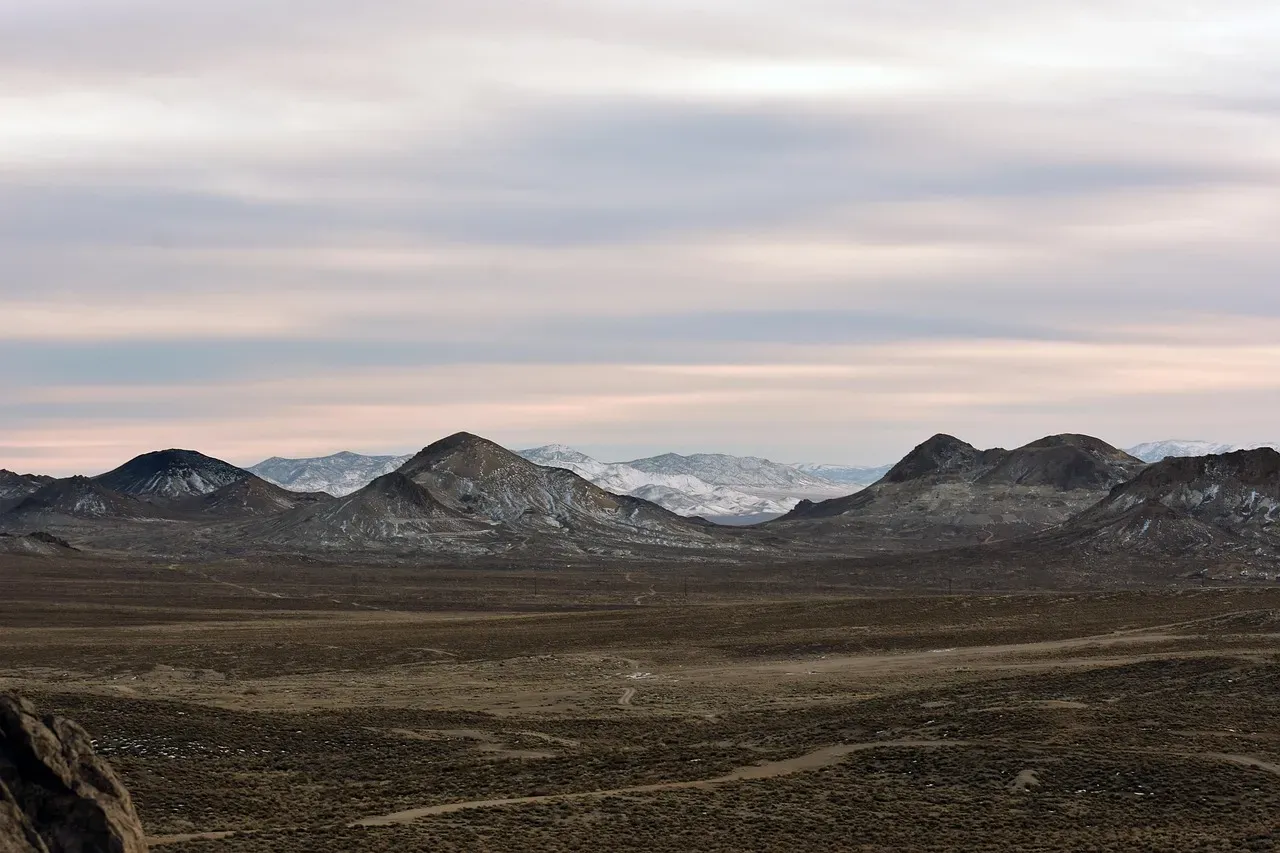
Anthem, located in the serene outskirts of Henderson within the Las Vegas Valley, represents the pinnacle of luxury living in Nevada. This master-planned community, renowned for its breathtaking views, world-class amenities, and prestigious homes, offers residents an unparalleled lifestyle. With its meticulously landscaped streets, exclusive golf courses, and a wide array of recreational facilities, Anthem is an ideal destination for those seeking elegance and comfort.
Anthem, tucked into Henderson’s southern hills, is slower and smaller than Summerlin. It’s built around friendly habits – neighbors wave, and parks fill with weekend picnics but clear out before dark.
Anthem’s strong community ties keep streets quiet and promote looking out for each other. The elevation above the valley floor also creates a natural buffer from the low-level urban hum that pervades closer-in neighborhoods.
2. Green Valley Ranch, Henderson – Suburban Tranquility With Mature Trees
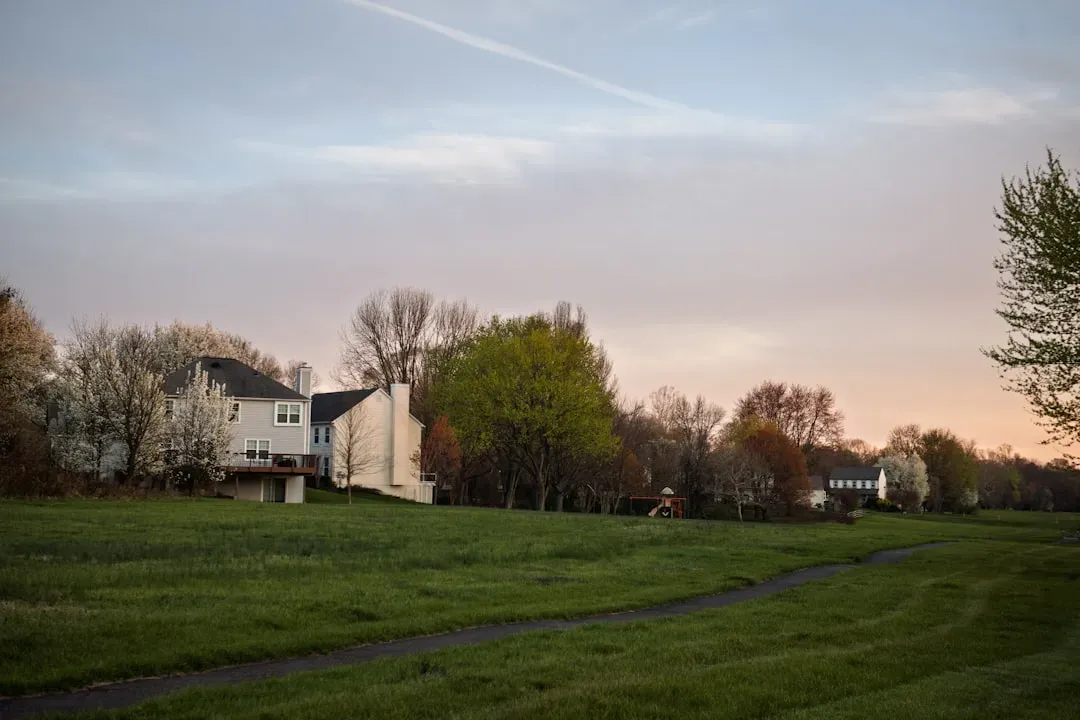
Green Valley Ranch in Henderson ranks as one of the safest choices for families out of all Vegas suburbs. You get tree-lined streets, well-kept parks, and miles of walking and bike trails. The area has a low violent crime rate – about 166 incidents per 100,000 people, far below the national average.
Green Valley Ranch is an established Henderson community with mature landscaping and a central location. It benefits from Henderson’s city-wide safety but lacks the guard gates of Seven Hills or Anthem Country Club. Still, crime rates run well below regional averages, and the neighborhood’s established nature means stable, long-term residents who look out for each other.
This is the kind of neighborhood where the loudest thing you’re likely to hear on a Tuesday evening is a neighbor’s lawnmower or the distant echo of kids at a park. It earns its place near the top of any quietness ranking in the valley.
3. Summerlin – Master-Planned Peace on the Western Edge
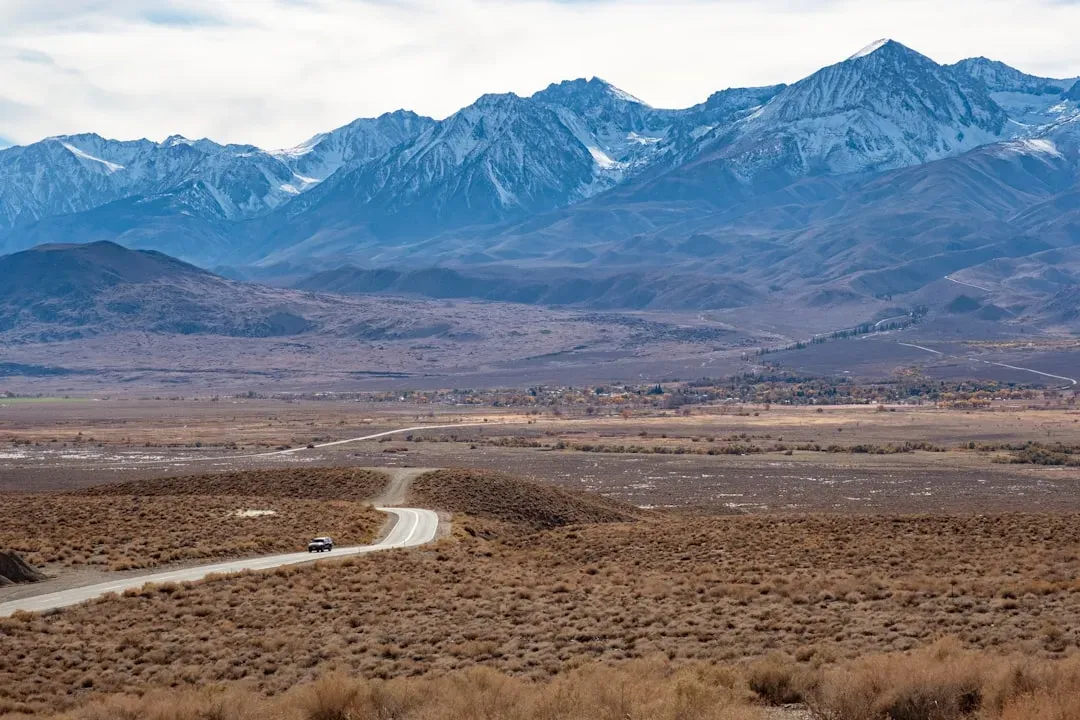
Nestled against the red rocks on the western edge of the Las Vegas Valley, Summerlin is a master-planned community that delivers on its promise of resort-style living. With about 125,000 residents spread across more than 25 distinct villages, Summerlin is all about lifestyle, design, and upscale amenities.
Crime rates consistently run lower in Summerlin than the Vegas average, and its village setup fosters a true sense of community. Compared to the greater Las Vegas area, Summerlin offers a distinct drop in urban noise and grit. The master-planned nature of the community means there are no random alleys, unlit pockets, or mixed-zoning areas that often contribute to higher noise and crime rates in the central valley.
With over 150 miles of trails and walkways and quick access to Red Rock Canyon, Summerlin is paradise for runners, hikers, mountain bikers, and anyone who simply wants scenic walks. That proximity to open desert is also one of its biggest sonic advantages. Wind through canyon scrub is about as far from a nightclub as a Las Vegas resident can get.
4. Southern Highlands – Gated Quiet in the Southwest
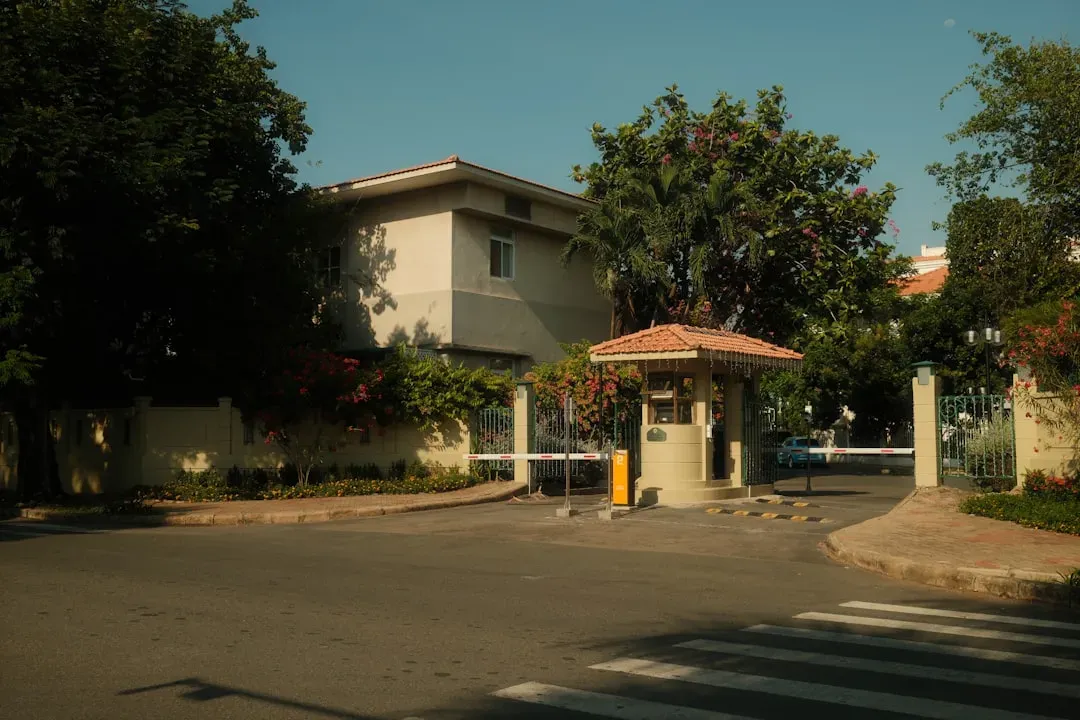
Southern Highlands is a master-planned community in southwest Las Vegas with newer construction and active HOA enforcement. Like Summerlin, it maintains crime rates below Las Vegas city averages. The community’s golf course orientation and higher price floor naturally attract residents who prioritize property values and neighborhood quality.
Some sections offer guard-gated access. Price range runs from $450,000 to over $5 million. Guard gates do more than keep out strangers – they also stop through-traffic, one of the most persistent sources of residential noise in the valley.
Summerlin and Southern Highlands, while technically part of Las Vegas, have crime rates well below city averages due to their master-planned design and active HOA enforcement. Residents here rarely file noise complaints, and the combination of wide lot sizes and deliberate landscaping keeps things noticeably hushed.
5. MacDonald Ranch / MacDonald Highlands, Henderson – Elevated and Isolated

Specific areas of Henderson – like Green Valley Ranch and MacDonald Highlands – offer safety profiles that are nearly identical to Summerlin. Henderson typically reports slightly lower total crime counts than the wider Summerlin Area Command, but when you zoom in on per-capita safety in the residential villages, the difference is negligible.
MacDonald Ranch carries an overall Niche grade of A, with a population of 17,482. Reviewers describe beautiful houses, neighborhoods, shopping centers, schools, and daycares. The elevation and geography of these foothills communities act as a natural sound barrier, pushing them firmly toward the quiet end of the spectrum.
From lakefront luxury to amenity-packed neighborhoods, Henderson’s master-planned communities offer more variety and value than anywhere else in the Las Vegas area. MacDonald Highlands, sitting above much of Henderson, captures that premium particularly well.
6. Rhodes Ranch – Gated and Genuinely Calm
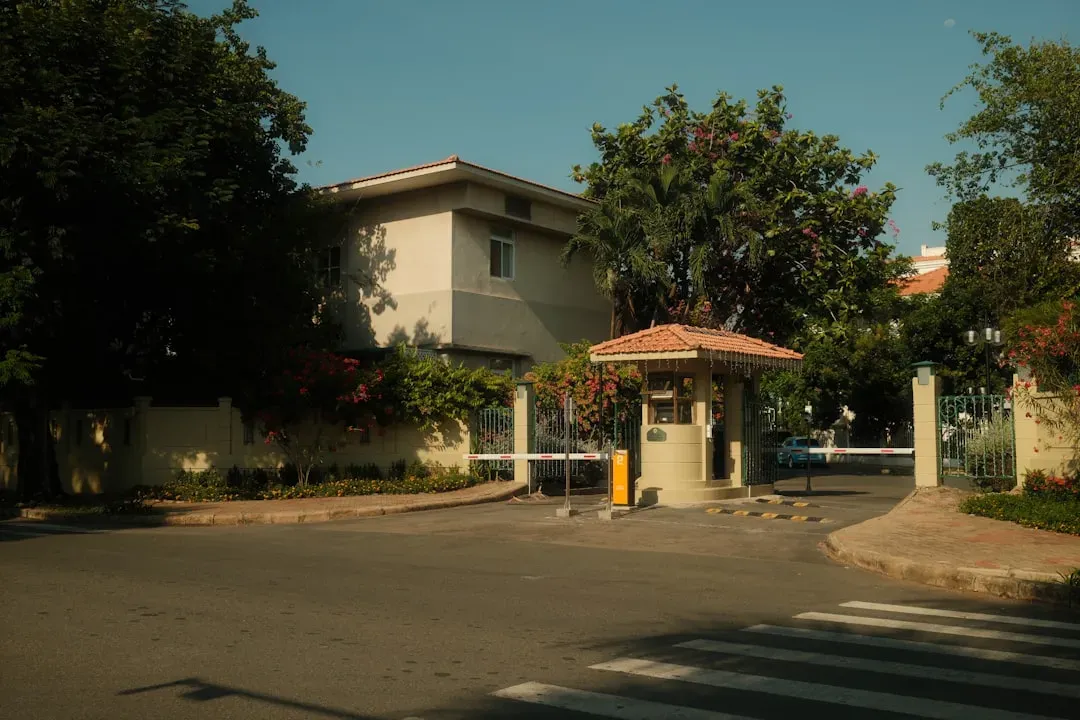
Rhodes Ranch is another strong pick, especially if you want a gated setup and a friendly community feel. If your top priority is saving money without giving up on safety or quiet, Rhodes Ranch checks every box. Nights here are still and peaceful, so everyone wakes up rested.
The community sits in the southwest Las Vegas area, removed from the high-traffic corridors that make central neighborhoods so loud. Its HOA is active, and its gating genuinely limits drive-through noise. Choosing a house rental, condo, or a budget option in Summerlin or Henderson can offer notable savings over Strip pricing. Rhodes Ranch fits that same value-meets-quiet profile.
7. North Las Vegas Residential Zones – A Mixed Picture
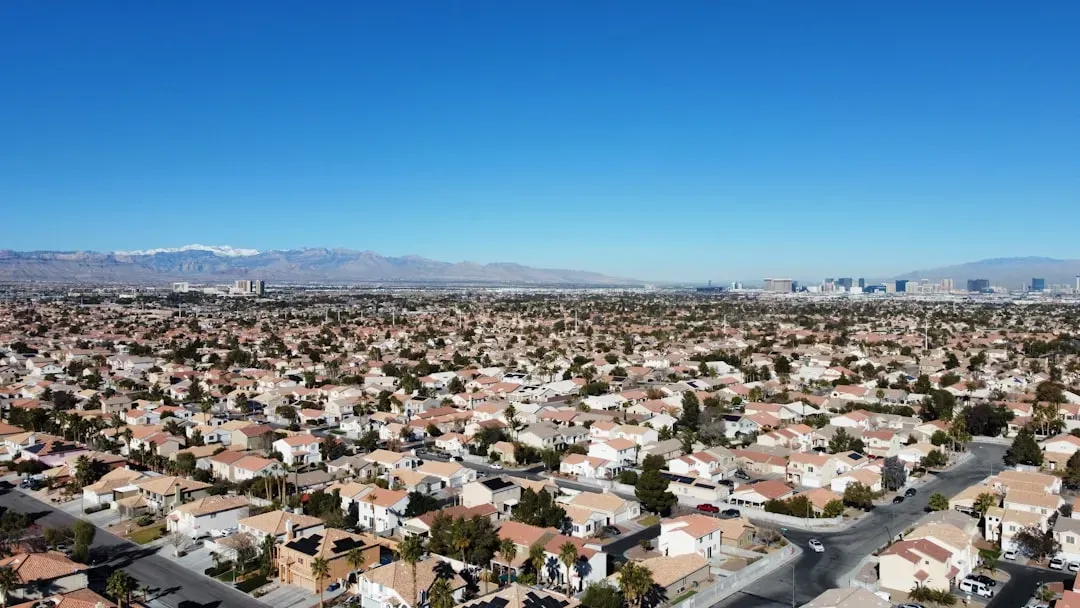
Urban growth in Las Vegas Valley has brought increased density, leading to more frequent complaints about noise – whether from nightlife, construction, late arrivals, or loud gatherings. The Noise Ordinance in North Las Vegas exists as a local response to these real-life challenges, setting clear expectations on acceptable noise levels and quiet hours.
North Las Vegas is genuinely uneven. Some newer master-planned sections, particularly near Aliante, offer relatively quiet living. Older, denser zones closer to the industrial corridor and the I-15 tell a different story, with traffic and commercial noise a persistent presence.
The City of Henderson is a lot quieter than Las Vegas, and for good reason. They operate more like a small town with a lower population compared to Las Vegas. North Las Vegas, by contrast, carries more of the central valley’s urban energy, and residents there feel the difference.
8. Central and East Las Vegas – Where Urban Noise Becomes the Norm
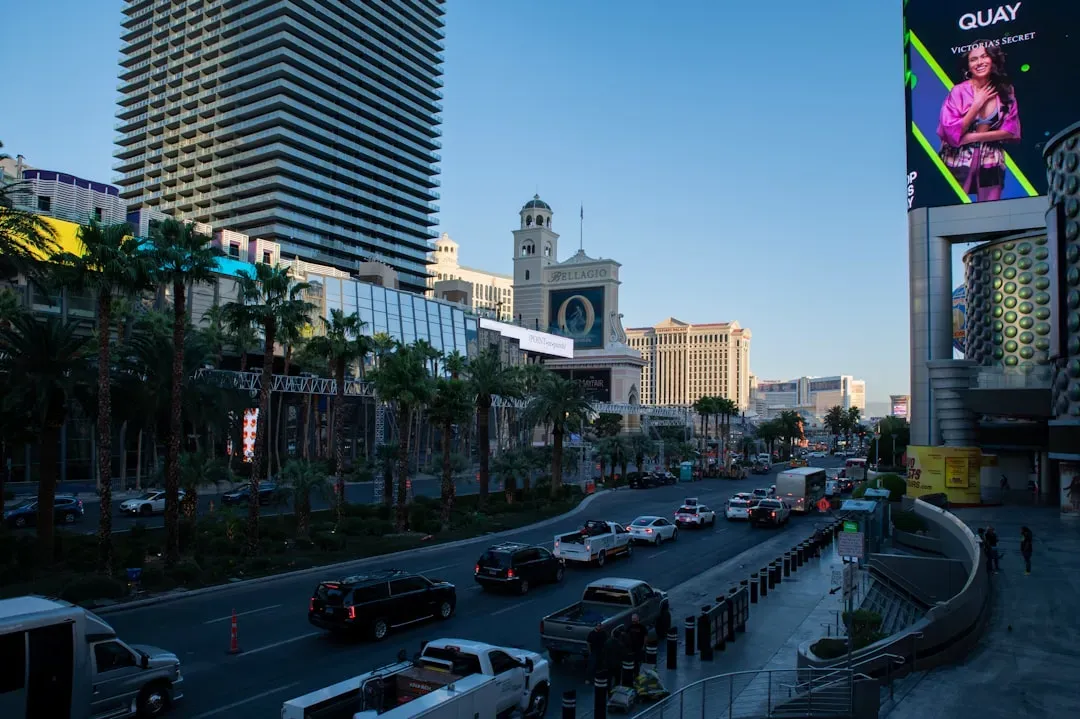
The worst-rated neighborhoods in Las Vegas by multiple quality-of-life metrics include West Las Vegas, Cultural Corridor, Charleston Heights, Pioneer Park, Rancho Charleston, Angel Park Lindell, Downtown East, Sunrise, and Michael Way. Several of these areas also rank highest for noise complaints.
From busy downtown strips to quieter residential neighborhoods, residents are increasingly filing complaints about loud friends, events, construction, and transportation sounds that disrupt daily routines. This surge mirrors national conversations about urban noise pollution and equal access to peace and quiet, especially in densely populated areas.
The east side of the valley has historically had higher population density and older housing stock with less acoustic insulation. The city sets standards for acceptable noise levels in different zones – residential, commercial, and industrial – and provides guidelines for noise during specific hours to distinguish between daytime and nighttime needs. In practice, enforcement in these central zones is more contested.
9. The Las Vegas Strip Corridor – Engineered to Be Loud
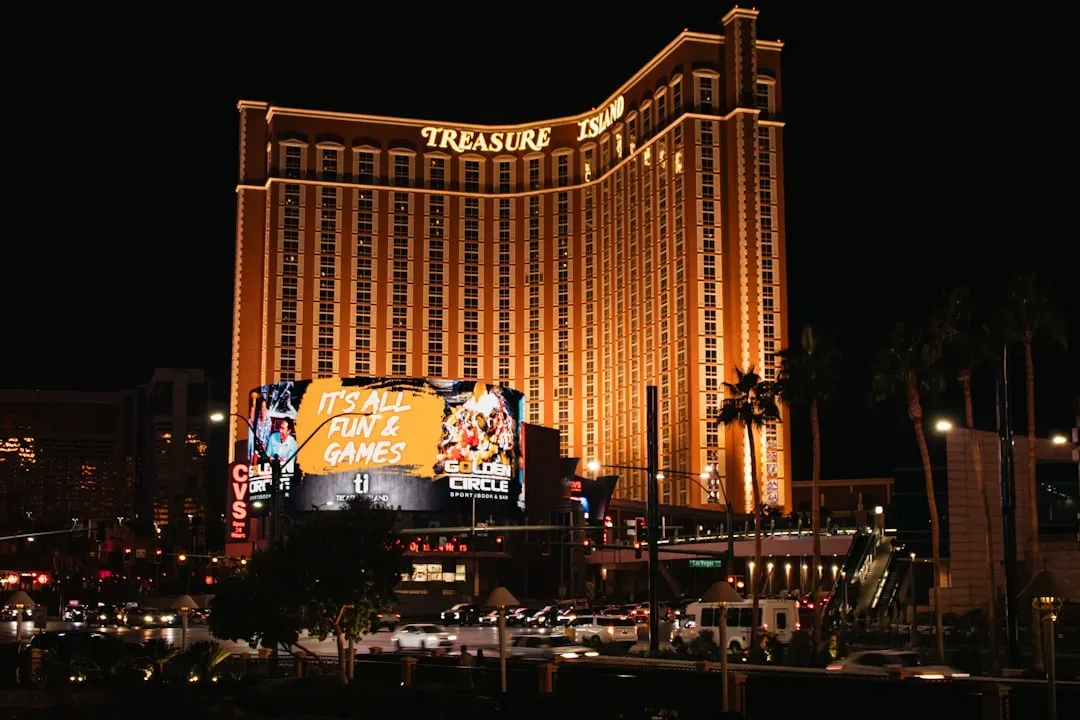
Although there are a few venues in Vegas for those tourists looking for a more peaceful gambling experience, casinos are often designed and intended to be noisy. Many of these bright and shiny places lean into the chaos, intent on recreating an exciting and often noisy, high-rolling, heart-pumping gambling experience.
Las Vegas is the seventh noisiest city in the U.S. according to a study from Forbes Health. The Las Vegas-Henderson-Paradise metropolitan area ranked in the top 10 largely due to a high number of casinos. Forbes Health used U.S. Census Bureau statistics coupled with business data, economic development, and population density to determine its rankings.
Las Vegas has a wide variety of casinos visitors can choose from, and some of them are noisier than others. Casinos located on Fremont Street and the area known as the Strip are combined with larger resorts, which add to the noise level. For residents unlucky enough to live adjacent to the corridor, the sound doesn’t stop at midnight.
10. Fremont Street and Downtown East – The Loudest Corner of the Valley
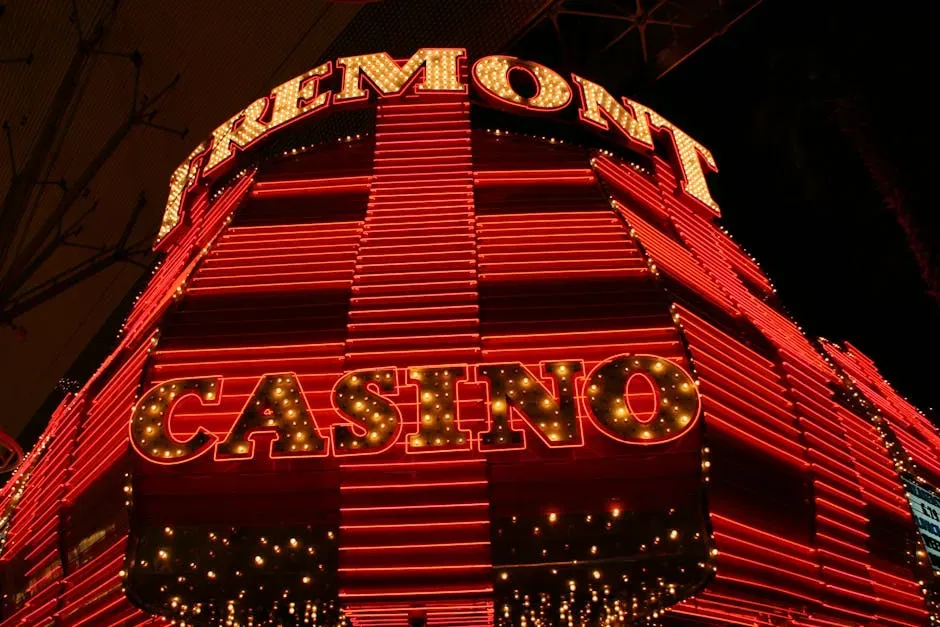
According to Soundprint, the Golden Gate Hotel and Casino venue is rated as “Very Loud” at 88 decibels during the sensitive hours between 10 p.m. and 5 a.m. That number is meaningful: 85 decibels is widely cited by health researchers as the threshold where prolonged exposure begins causing hearing damage.
Despite the relatively small size of the Golden Gate casino and its old-timey design, this place is still right next to Fremont Street and all of the related urban chaos. Noise from the street is a constant complaint among guests, who mention traffic and club music as two of the biggest contributions to the noise factor.
The Las Vegas noise ordinance recognizes that some noise is unavoidable, but limits noise levels more strictly during nighttime hours. Daytime from 7 a.m. to 10 p.m. allows higher levels, while nighttime from 10 p.m. to 7 a.m. carries stricter limits to protect sleeping residents. In the Fremont Street district, those nighttime limits are routinely tested, and the ordinance is enforced on a complaint-by-complaint basis rather than proactively.
What the Rankings Actually Tell Us
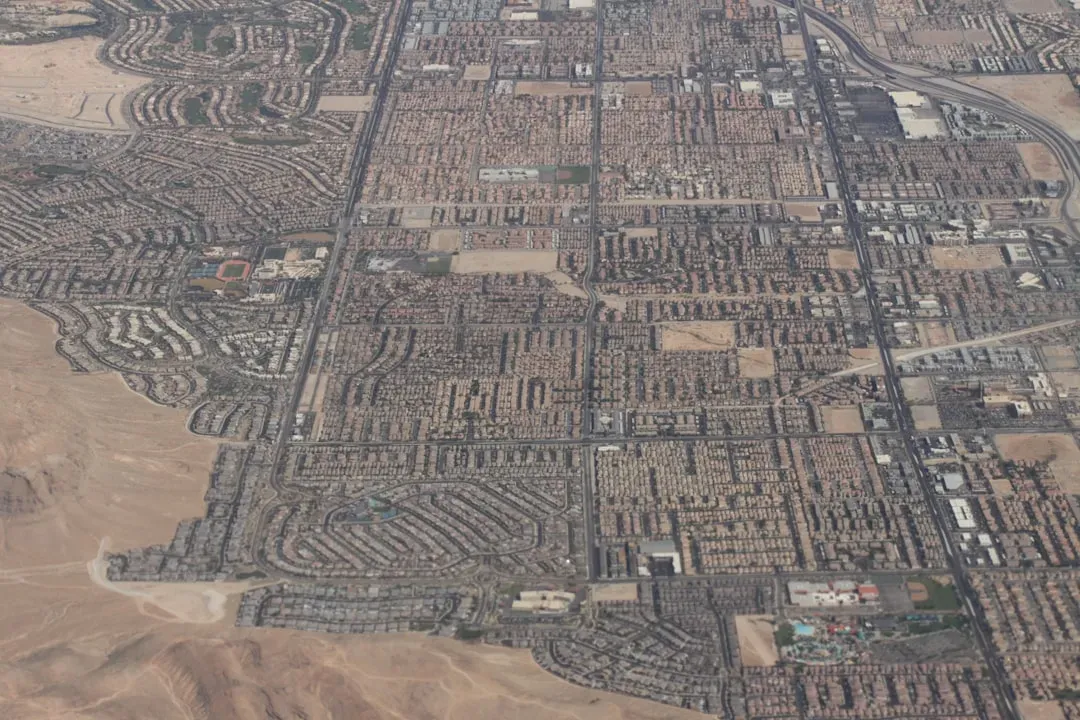
The divide in the Las Vegas Valley isn’t simply between “near the Strip” and “far from it.” It’s also about planning philosophy. The Las Vegas valley includes multiple cities and jurisdictions. When people ask about Las Vegas safety and quiet, they often conflate the tourist corridor – the Strip and downtown – with residential suburbs. These are completely different environments.
Your typical tourists don’t come to Las Vegas in search of peace and quiet, but it’s all around them if they know where to listen. Nevada has some of the quietest spaces in the country, according to a National Park Service analysis. That contrast between the nation’s quietest state and one of its louder metro areas plays out block by block across the valley.
As residents seek peaceful living amid rapid development, local ordinances shape how communities manage sound and respect shared spaces. Whether a neighborhood ends up quiet or loud often comes down to zoning decisions made years or even decades ago, and those decisions continue to shape the lives of every resident living inside them today.
The quietest parts of the Las Vegas Valley aren’t hidden or hard to find. They’re simply the parts that were planned with residents – rather than visitors – in mind. That distinction turns out to matter more than almost anything else when it comes to what you hear when you open a window at night.