Every awards season produces a winner’s speech that gets replayed for years, but it also produces the opposite: a name left off a list that people simply cannot let go of. Some of these moments happened decades ago and still surface in arguments at dinner parties. Others happened just last year and are already calcifying into permanent grudges. What follows is a gallery-style countdown of the snubs that refuse to fade, built from the actual nomination records, historical context, and the specific reactions that followed each one. Some are recent enough to still sting. Others have had thirty or forty years to become folklore, and somehow the sting hasn’t dulled at all.
10. Margaret Qualley left off the Best Supporting Actress list for The Substance
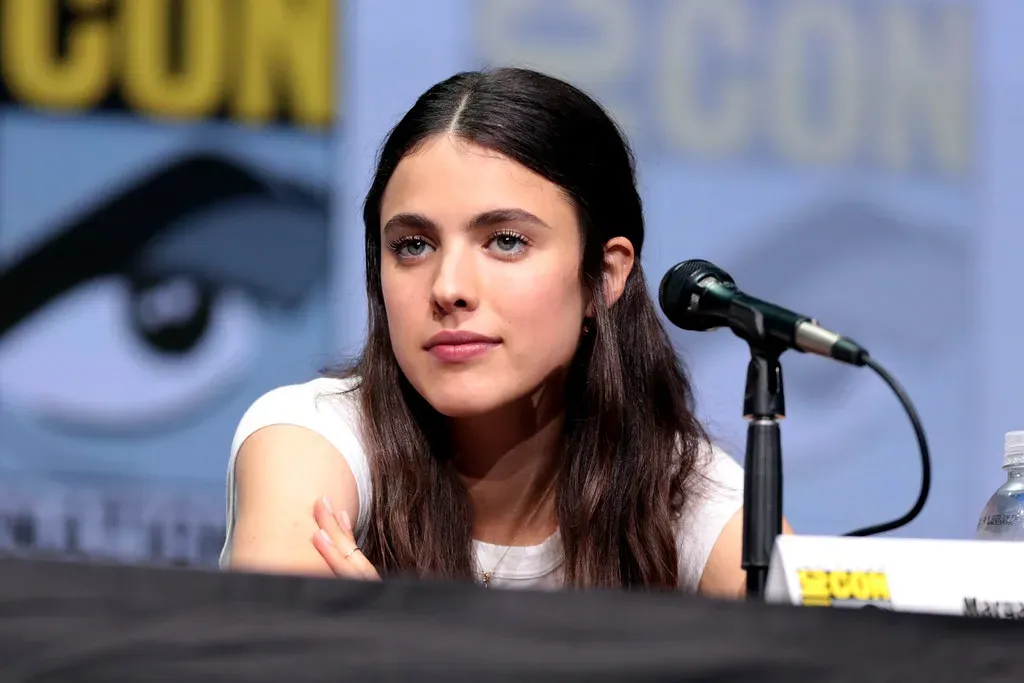
When the 2025 Oscar nominations landed, one of the loudest social media reactions centered on Margaret Qualley’s absence from Best Supporting Actress. One of the biggest surprises of the nominations list was the absence of Margaret Qualley in the Best Supporting Actress category, since her performance in The Substance had been thought to deserve a nomination. The film itself was hardly ignored, since it landed nominations elsewhere, which made her personal omission feel even stranger to fans following the race.
Body horror rarely gets acting recognition from the Academy, and Qualley’s physically demanding, largely wordless performance seemed like exactly the kind of work that could have broken that pattern. Instead, the category filled up with more traditional dramatic turns. Fans were not only outraged by the Qualley snub, they were also surprised about who actually made it onto the shortlist instead. It is a small snub in the grand scheme of Oscar history, but it is a fresh one, and fresh wounds tend to itch the most.
9. Pamela Anderson shut out for The Last Showgirl
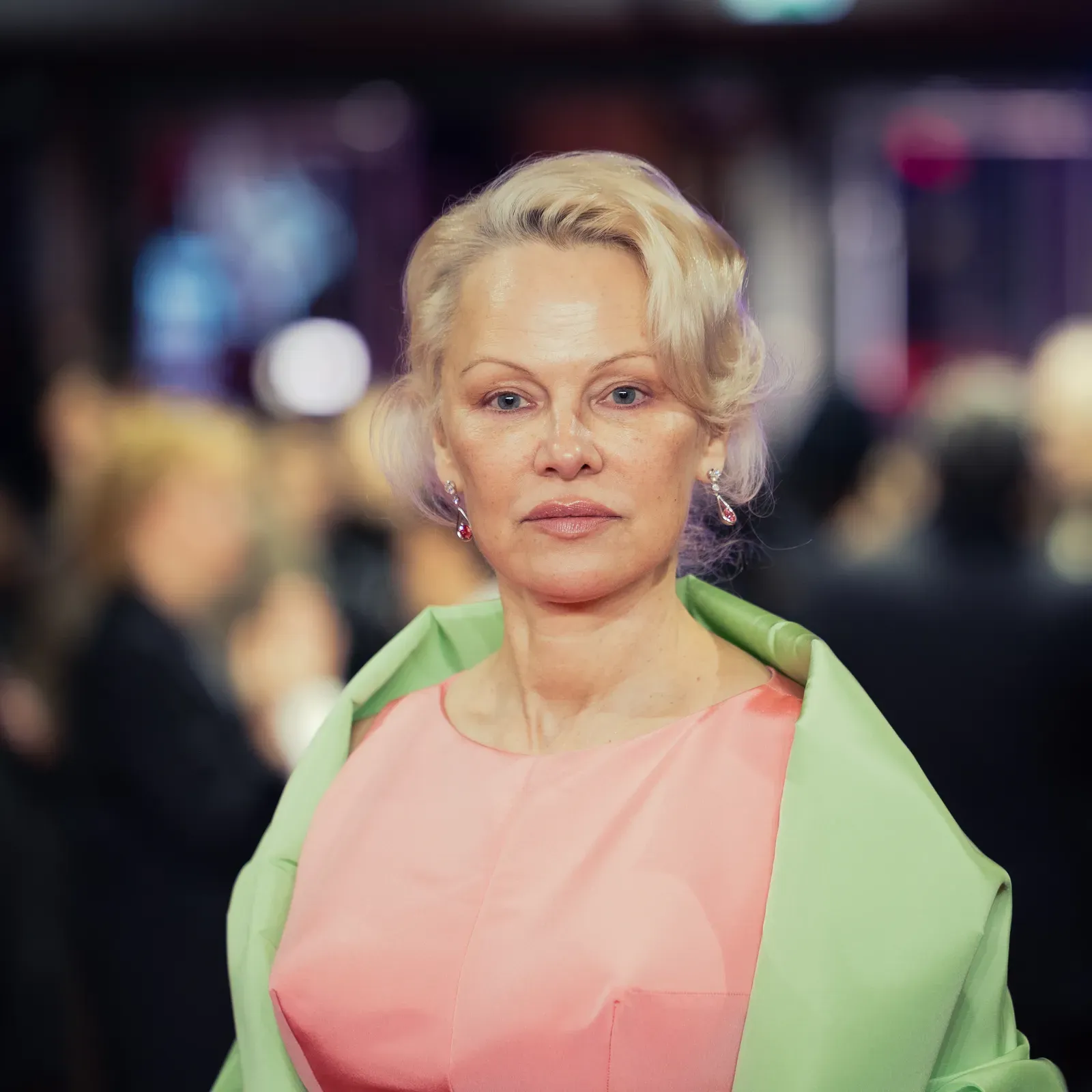
Few 2025 awards-season stories generated more genuine sympathy than Pamela Anderson’s exclusion from the Best Actress race. Her omission from the Oscar nominations for The Last Showgirl became one of the most talked-about snubs of that awards season, in a biographical drama directed by Sarah Polley about a former Vegas showgirl trying to rebuild her career. This was a performer largely known for a very different kind of fame, delivering a dramatic turn nobody expected.
The reviews backed up the outrage. Anderson delivered a deeply vulnerable performance that critics praised as a transformative standout of the year. The film still picked up nominations for its screenplay and for its supporting actress, which only made Anderson’s personal exclusion feel more jarring given how central her performance was to the film’s acclaim. For a lot of casual awards watchers, this was the snub that made the whole nomination morning feel off.
8. Demi Moore losing Best Actress after sweeping the precursors
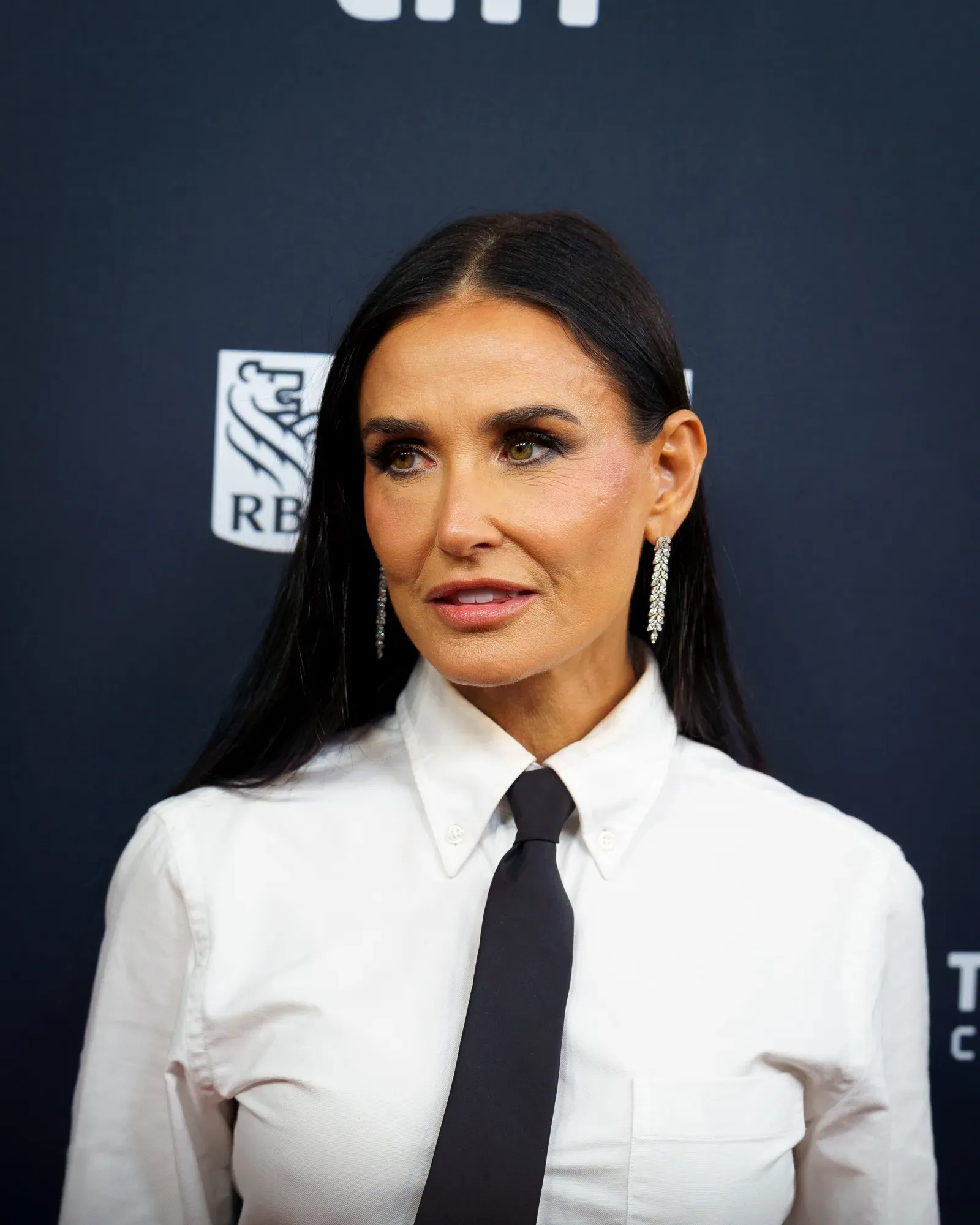
This one technically is not a nomination snub, since Demi Moore made the final five. It is a win snub, and those sting just as much, sometimes more, because the buildup makes the loss feel like a reversal rather than a simple omission. Moore had spent the entire circuit racking up trophies for The Substance, and by the time Oscar night arrived, her win felt like a formality.
It was not one. When Mikey Madison’s name was announced for Best Actress instead, the room reportedly gasped, since Moore had won the SAG Award for the same role just a week earlier, a result widely seen as an Oscars precursor. Fans who had watched Moore’s late-career comeback narrative build for months felt like the rug had been pulled out from under them at the last possible second.
7. Denis Villeneuve overlooked again for Dune: Part Two
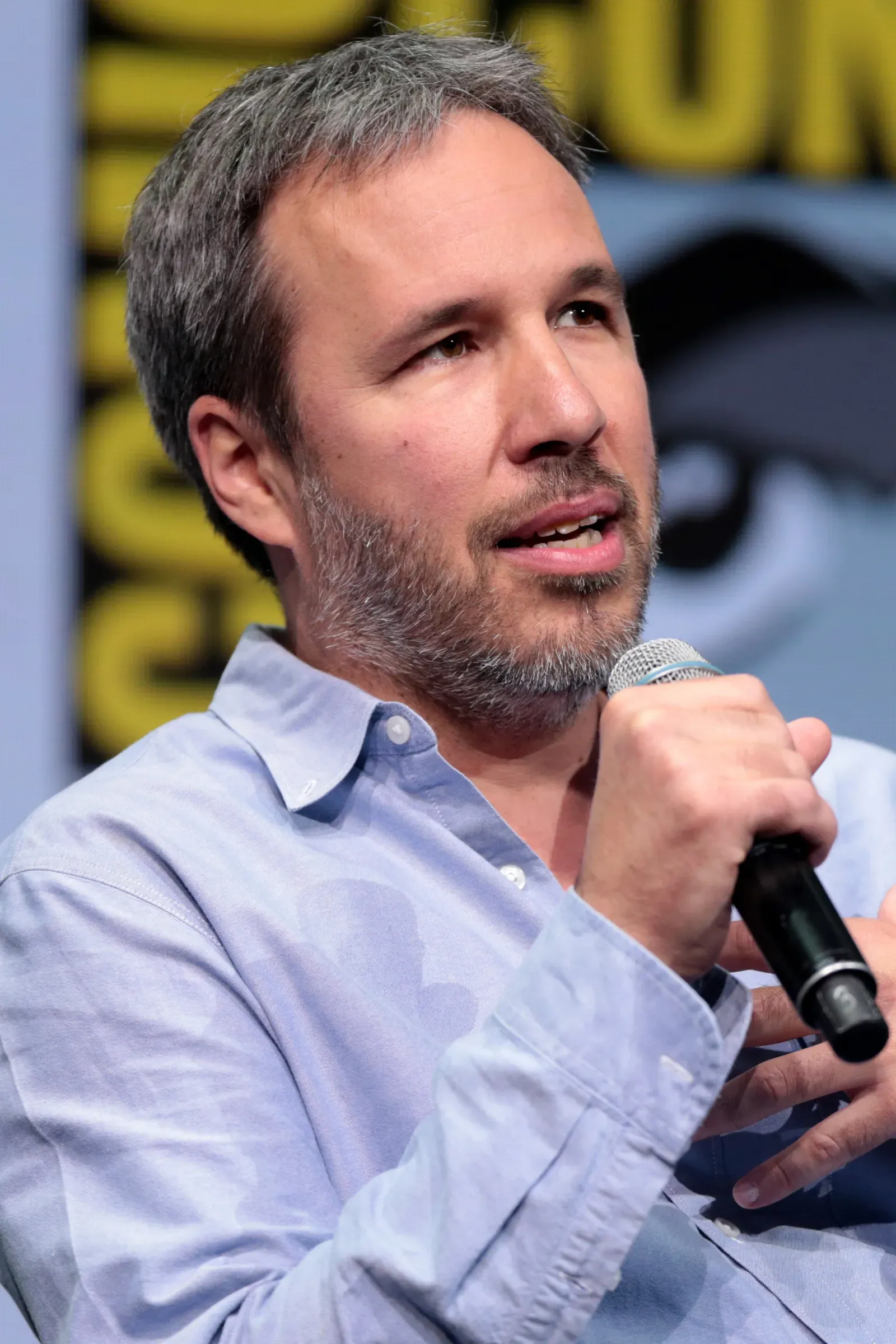
Some snubs feel like isolated bad luck. This one felt like a pattern. Dune: Part Two picked up several nominations, including Best Picture, but Denis Villeneuve, acclaimed for his visionary direction, was still overlooked in the Best Director category. Given that the first Dune film had suffered the same fate, this felt less like an oversight and more like a running joke the Academy kept telling at his expense.
Even his own cast could not stay quiet about it. Dune: Part Two star Josh Brolin voiced his frustration on Instagram, sarcastically remarking that he would quit acting over the Academy leaving Villeneuve out of the Best Director nominees. Fans online argued that no directing nominations for either Dune film was absurd, dismissing the idea that Villeneuve would eventually get a make-up win, and insisting he had been overlooked for his entire career. Two films, two Best Picture nods, zero directing recognition. That math never stopped bothering people.
6. Greta Gerwig sidelined after Barbie’s cultural takeover
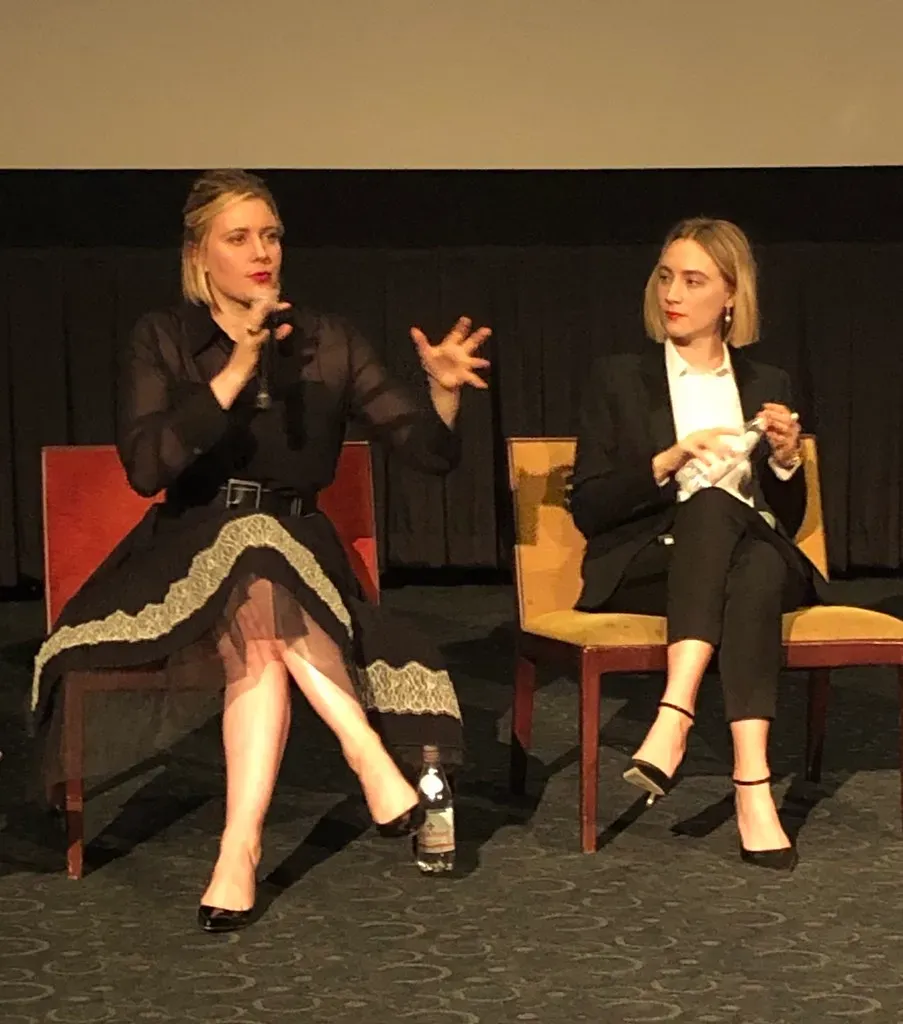
Barbie was not a modest hit that quietly deserved more love. It was one of the defining cultural events of 2023, and by early 2024 it seemed inconceivable that its director would not land a Best Director nomination. The Academy’s lack of female representation in the Best Director category had already become a cultural flashpoint through the 2010s, and that scrutiny returned when Greta Gerwig’s Barbie, a critical and commercial phenomenon with a bold message and lush aesthetic, was widely expected to earn a nomination.
The film still made the Best Picture lineup, which only sharpened the contradiction. While the film landed a Best Picture nod, Gerwig herself was shut out, making the omission one of the most glaring recent snubs. This was not Gerwig’s first time hitting this particular wall either, since her earlier film Little Women suffered a nearly identical fate, a directing nod for the movie’s Best Picture slot but nothing for her personally. Fans noticed the repetition, and it did not sit well.
5. Jim Carrey’s Truman Show snub still bothers people decades later
Long before streaming-era awards chatter, there was Jim Carrey’s turn from broad comedy to genuine dramatic weight in The Truman Show. It remains one of the clearest examples of the Academy’s historical resistance to comedic actors making a serious pivot. The film and Carrey’s performance were widely praised, and the momentum going into nominations felt real.
Partner offer
Carrey demonstrated an uncharacteristic sincerity that took moviegoers by surprise, won a Golden Globe for the performance, and fans anticipated an Oscar nomination as well, but when it did not materialize, Carrey publicly criticized the Academy’s selection process. He would go on to deliver another acclaimed dramatic performance in Eternal Sunshine of the Spotless Mind a few years later, and again, no nomination followed. For a lot of people who grew up on his comedies, this snub still feels like proof that reputations are hard to shake, even when the work clearly earns it.
4. Glenn Close, eight nominations and still no statue
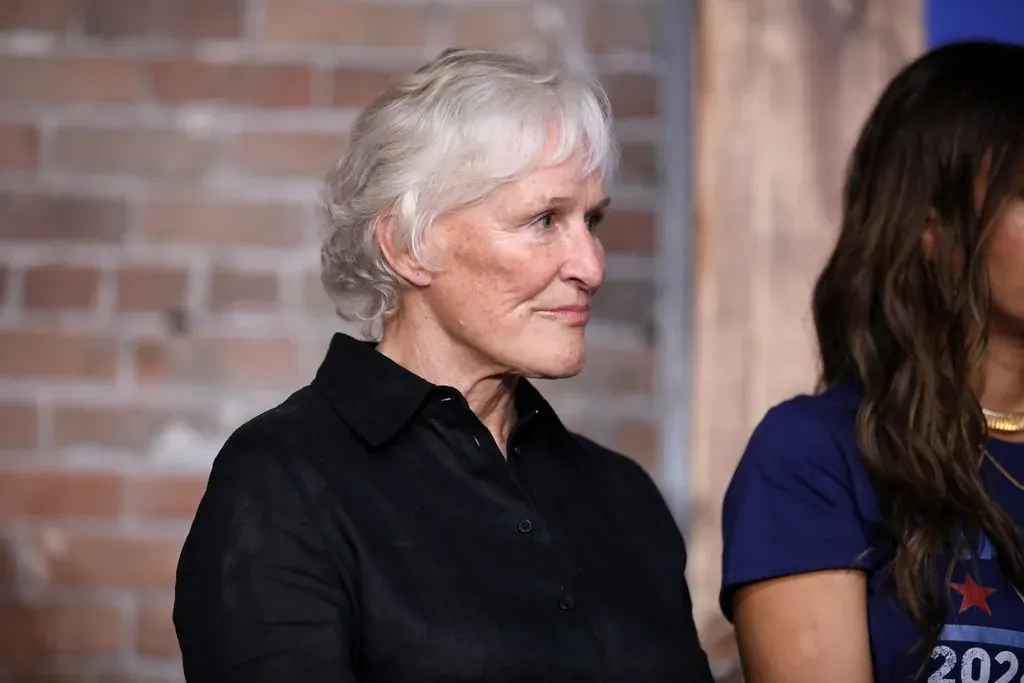
Some snubs are singular events. Glenn Close’s is a slow accumulation, a record nobody actually wants to hold. Close is a Hollywood icon who has yet to win an Oscar despite amassing eight nominations, making her the actress with the most nominations without a win.
Her nominated work spans decades and genres, from Fatal Attraction to The Wife, which makes the streak feel less like bad timing and more like a genuine institutional blind spot. Fans have watched her lose to performances that, in some cases, have not aged nearly as well as her own. Every new nomination she receives now arrives with a strange mix of hope and dread, because the pattern has repeated itself so many times that people almost expect it to continue.
3. Denzel Washington’s Malcolm X loss to a makeup Oscar
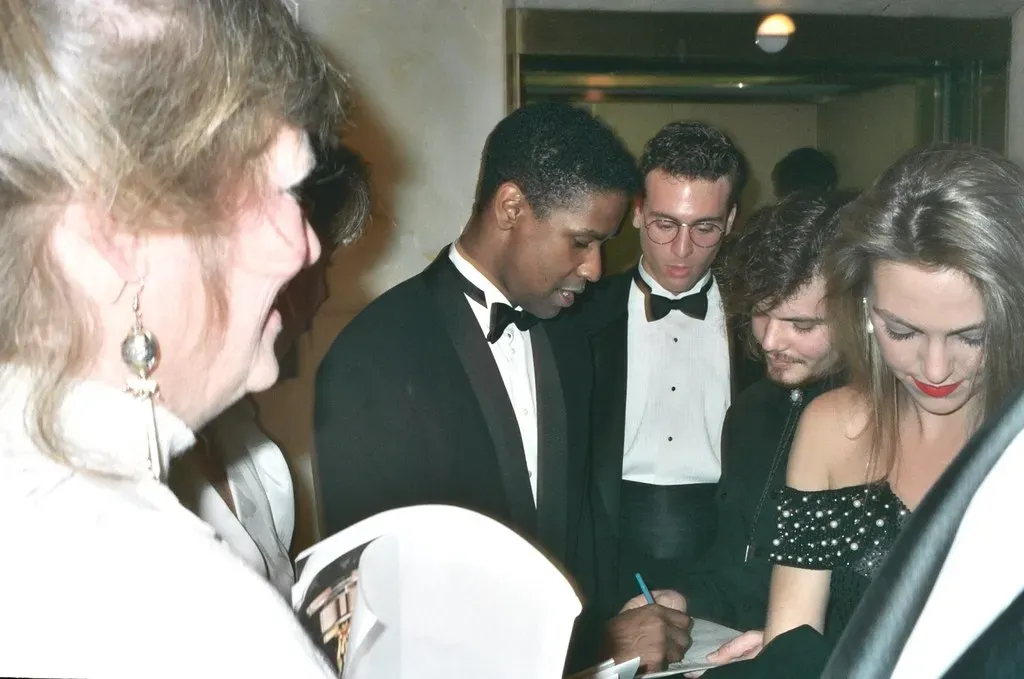
Denzel Washington’s performance as Malcolm X is frequently cited as one of the great biographical performances in American film, full stop. His towering performance remains one of the most powerful biographical portrayals in film history. The 1993 ceremony seemed set up for him to win.
Instead, the Academy went another direction entirely. The Academy awarded Best Actor to Al Pacino for Scent of a Woman, widely viewed as a makeup Oscar, and Washington would later receive his own makeup win for Training Day, cementing Malcolm X as one of the most painful acting snubs ever. The irony is not lost on anyone. Two great actors, two performances that were not actually their career-best work, and an Academy that seemed determined to correct its own mistake years after the fact rather than getting it right the first time.
2. Stanley Kubrick, one of cinema’s giants, never won a competitive Oscar
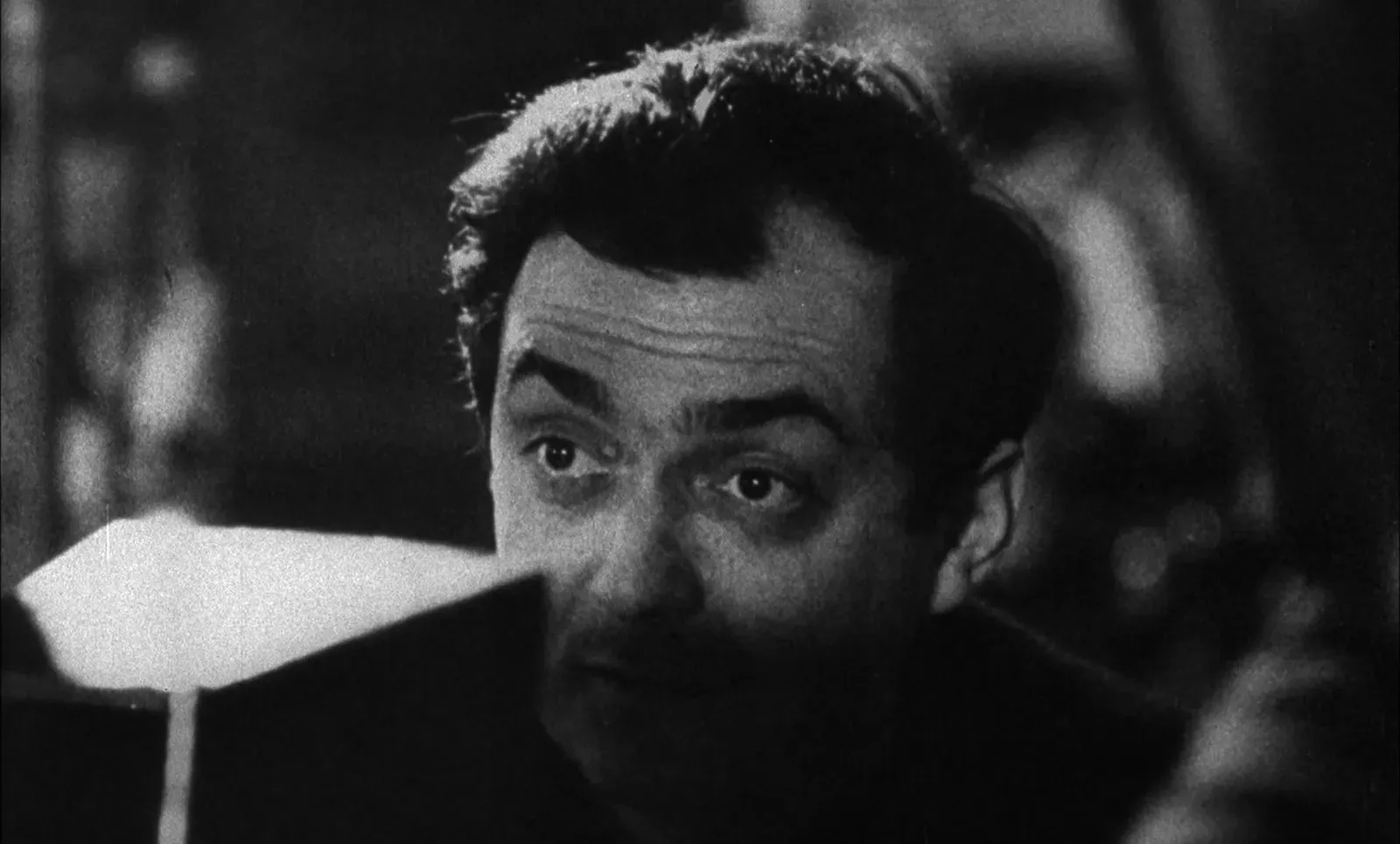
If there is a filmmaker whose Oscar history sums up the Academy’s blind spots better than anyone, it might be Stanley Kubrick. He directed some of the most iconic films in the history of cinema, including 2001, Dr. Strangelove, Barry Lyndon, and A Clockwork Orange, and has zero competitive Academy Awards to his name. He was nominated four separate times for Best Director and lost every single time.
He was nominated four times, losing Best Director to figures like Carol Reed and William Friedkin, with his lone recognition coming from a special effects Oscar for 2001, which feels like insufficient acknowledgment for one of the all-time greats. Half a century later, his films are taught in film schools and referenced constantly in modern cinema, while his trophy case tells a completely different, far less accurate story.
1. Citizen Kane losing Best Picture to How Green Was My Valley
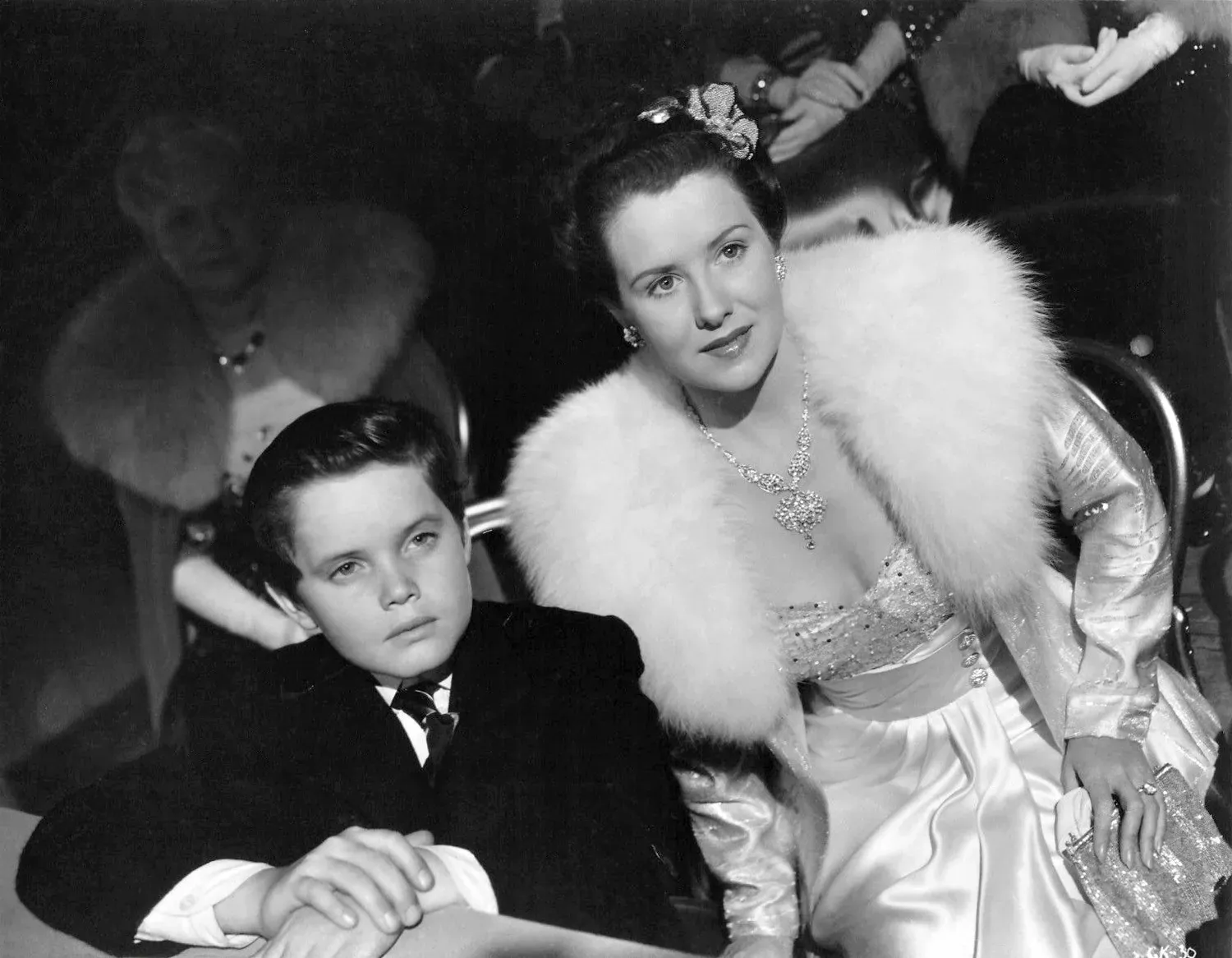
At the very top of this list sits a snub old enough to be considered ancient history, yet it is still the one film buffs bring up first when the topic of Oscar injustice comes up. Citizen Kane is widely regarded as the greatest film of all time, but it did not win Best Picture at the 1942 Oscars. That is not a minor footnote. It is arguably the single most cited example of the Academy getting it wrong in its entire history.
The Best Picture award instead went to the family drama How Green Was My Valley, and while both films have their place in history and still influence filmmakers today, the awards outcome itself remains a point of contention. Orson Welles never fully recovered his early studio standing after Kane’s contentious release, and the film’s Oscar loss became one more piece of a career narrative built on unrealized potential. Decades of film scholarship have only widened the gap between how the industry treated the film in 1942 and how history has judged it since.
Final thoughts on why these snubs still sting
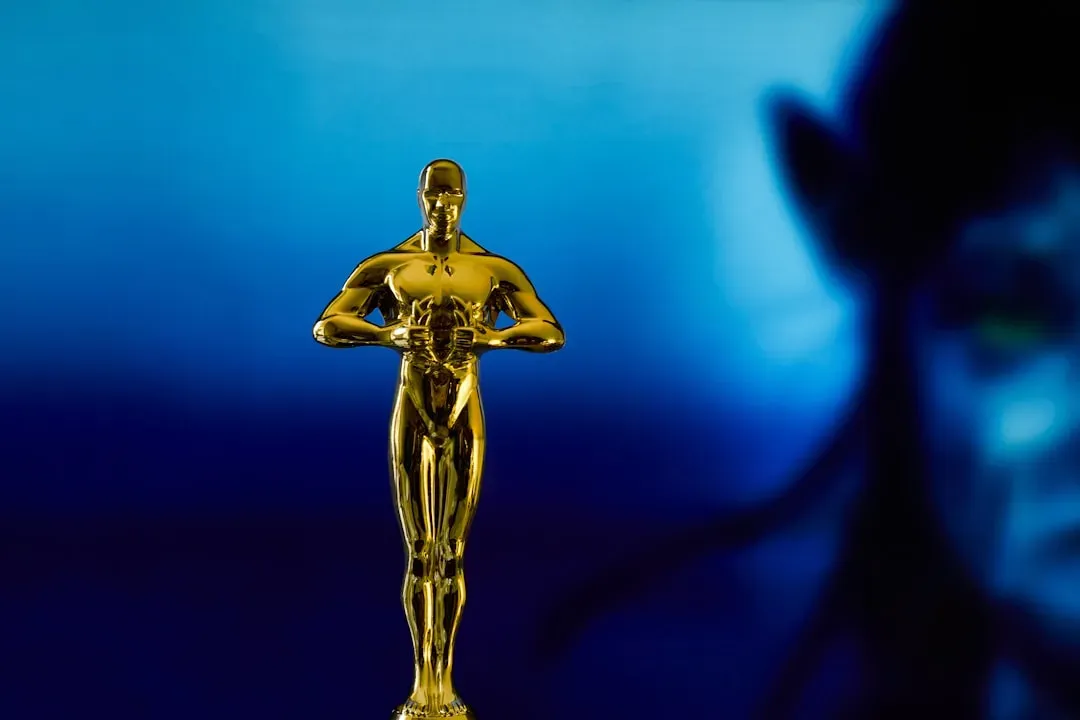
Awards shows are built on the idea that the best work gets recognized in the moment, and most of the time that mostly holds up. These ten cases are the exceptions that stuck, the ones where the gap between critical consensus and Academy decision was wide enough that people simply never let it go.
What connects a 1942 Best Picture loss to a 2025 supporting actress omission is not really about the specific films or performers involved. It is about the feeling of watching something genuinely excellent get passed over for reasons that, years later, rarely hold up to scrutiny. That feeling does not have an expiration date, which is exactly why these arguments keep resurfacing every awards season, whether the snub happened last year or eighty years ago.
Partner offer
Planning a trip to Vegas?
Compare hotel rates and show tickets on VEGAS.com.