There’s a particular kind of noise that only happens when tens of thousands of teenagers scream at once, and for one stretch of the 2010s, that sound followed five young men from Bogotá to Boston to Milan. It wasn’t supposed to last forever, and in some ways it didn’t last long at all. But for a few months in 2014, this group didn’t just fill stadiums. They redefined what a pop act barely out of its teens could pull off in a single touring season.
Five strangers, one X Factor stage
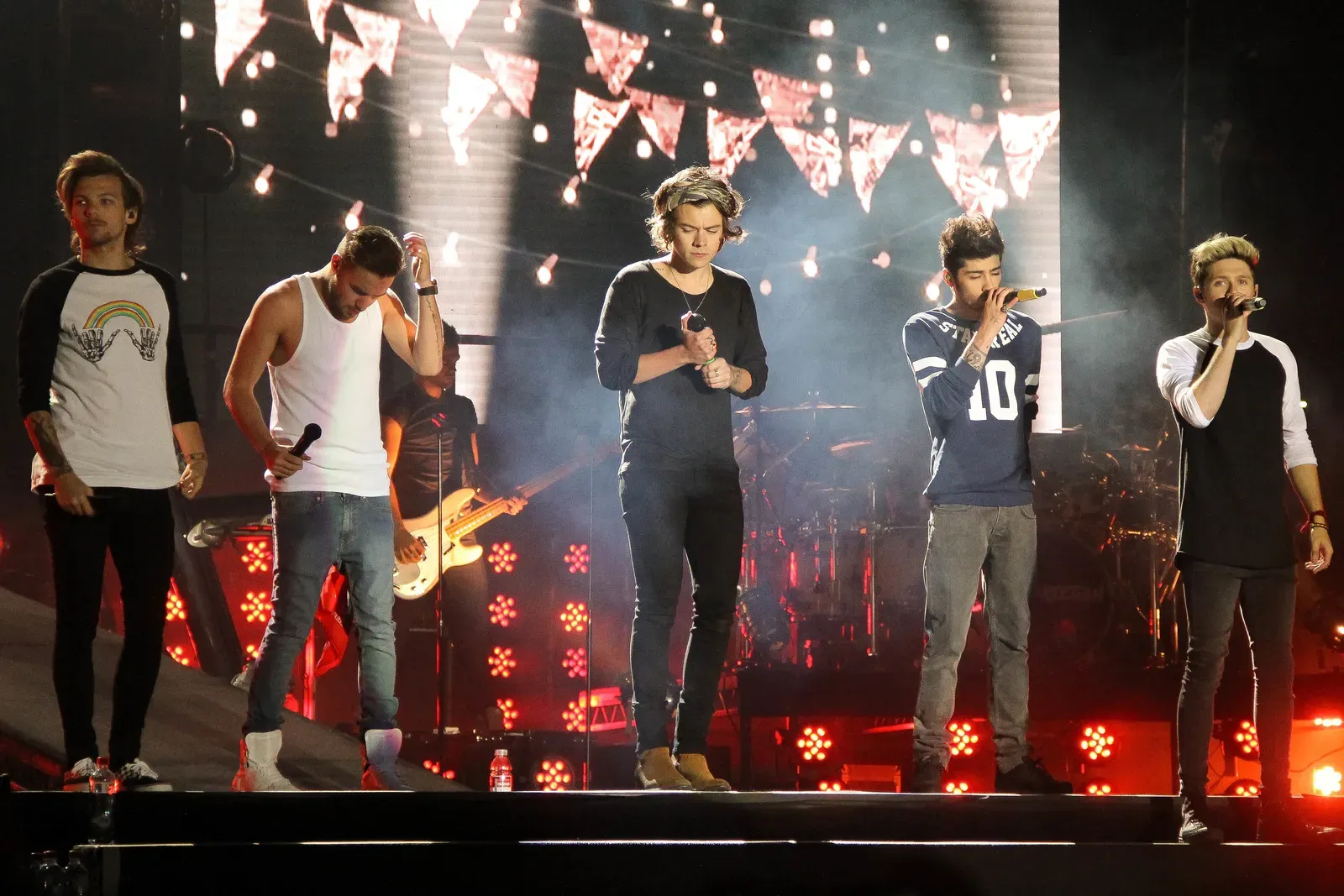
One Direction started as an accident of casting. Harry Styles, Niall Horan, Liam Payne, Louis Tomlinson, and Zayn Malik each auditioned as solo hopefuls on the UK version of The X Factor in 2010, and judge Nicole Scherzinger grouped them together after they failed to advance individually. He was famously placed in a group by judge Nicole Scherzinger, alongside Harry Styles, Niall Horan, Louis Tomlinson and Zayn Malik. They finished third that season, a placement that in hindsight looks almost comically modest.
What happened next moved fast. Signed to Simon Cowell’s label, the band released their debut single within months and their first album, Up All Night, not long after. The X Factor gave them a platform, but it was the internet, particularly Twitter and YouTube, that turned five ordinary British and Irish teenagers into a genuine phenomenon before most casual listeners even knew all their names.
The summer stadiums became the new normal
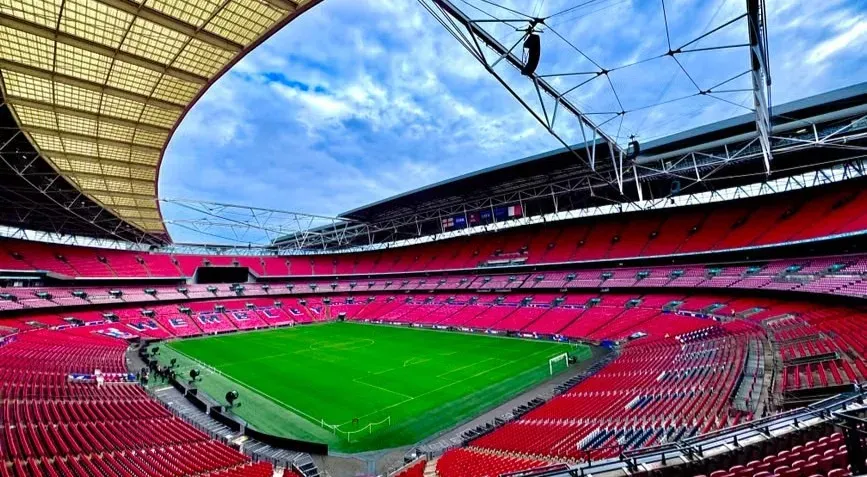
By 2014, arenas weren’t big enough anymore. The band’s Where We Are Tour, built around their third album Midnight Memories, became the third headlining concert tour by English-Irish boy band One Direction, marking the group’s first all-stadium tour with an average attendance of 49,848. It ran from April to October, but the heart of it, the run that people still talk about, landed squarely in the summer months.
Wembley Stadium hosted the band for three consecutive nights that June, and every single one sold out. One Direction gave their fans a weekend to remember as the boy band sold out Wembley three nights in a row. In June of 2014, the British boy band performed three times at Wembley Stadium for 236,566 people, and each show was completely sold out, generating an astonishing sum of $20,017,900 from the venue.
Breaking box office records night after night
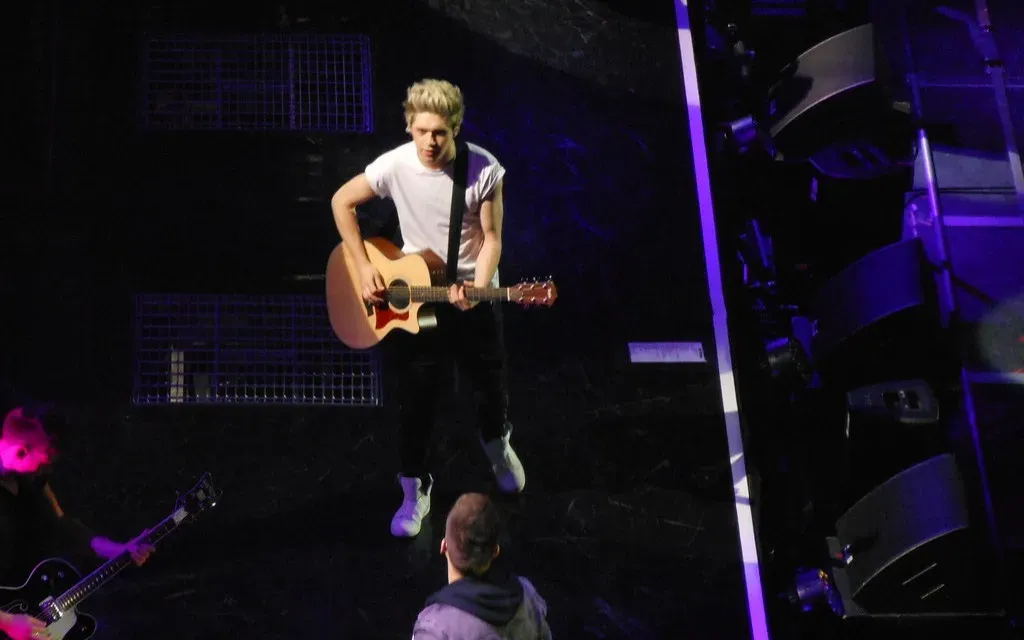
The numbers from that summer are almost hard to process in isolation. One Direction became the first touring artist in 2014 to break the $200 million ticket sales barrier, with $130 million in revenue coming from a single 10 week span during the tour’s summer trek that included stadium dates across Europe and North America. That kind of velocity, tens of millions of dollars in a matter of weeks, was almost unheard of for an act that had only existed for four years.
By the time the full tour wrapped, the totals were staggering. Ticket sales from the tour totaled $230 million from more than 2.7 million sold tickets at 53 sold out concerts at that point in the run, and the final figures climbed even higher once every leg was counted. The tour ended up as the highest-grossing tour of 2014, mobilising 3,439,560 fans and $290,178,452 in revenue overall.
The music behind the noise

It would be easy to reduce One Direction to ticket receipts and screaming crowds, but the songwriting underneath it mattered too. Tracks like “Story of My Life” and “Night Changes” leaned into a more mature, guitar-driven sound than their earlier bubblegum singles, a shift that fans and critics both noticed as the band matured on stage. Payne was best known in One Direction for his recognizable falsettos that became an integral part of the band’s chart-topping bubblegum pop hits.
Commercially, the catalog held up remarkably well. Across three albums, the band had sold more than 36 million records worldwide and achieved a total of 61 number ones by late 2013, a figure that kept climbing through Four and their final studio record. By 2020, industry tallies put their lifetime sales north of 70 million records, placing them among the best-selling boy bands ever assembled.
The weight of unrelenting fame

Selling out stadiums looks glamorous from the outside, but the pace behind it was punishing. The band toured almost continuously between 2011 and 2015, moving from arena runs to stadium legs with barely a break in between, all while filming documentaries, releasing albums on an annual cycle, and navigating a level of public scrutiny few teenagers have ever faced.
Members later spoke, in scattered interviews over the years, about how disorienting that period felt. Liam Payne in particular discussed struggling with the pressure and later sought treatment; he described his eventual decision to get sober as one of the more significant turning points of his life. The machinery that made the summer of 2014 possible was, by most accounts, exhausting to be inside.
Partner offer
Zayn Malik’s exit and the first crack
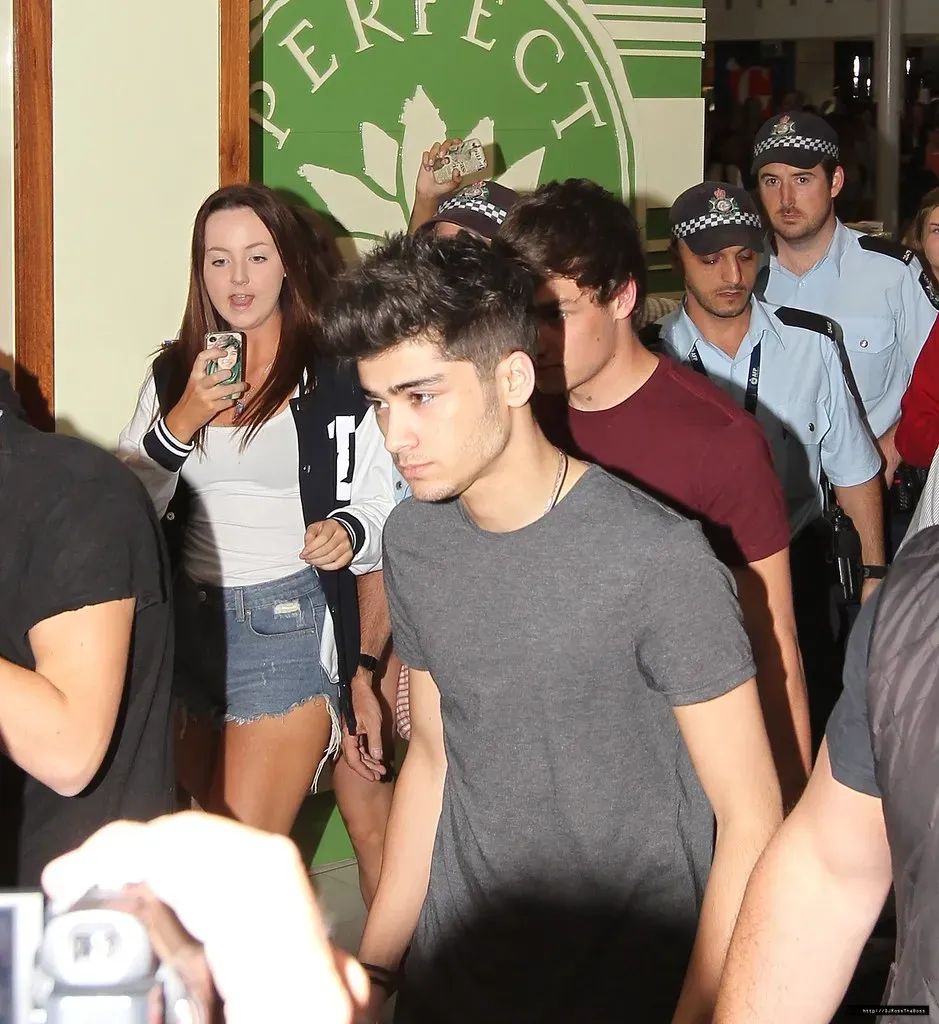
The first visible sign of trouble came in March 2015, when Zayn Malik left the group midway through their next tour cycle, citing a need to step away from the spotlight. It was the band’s last full-length tour with band member Zayn Malik, before his departure during On the Road Again Tour in 2015. Malik’s exit wasn’t just a lineup change. It was the first real crack in a story that had, until then, felt unstoppable.
The remaining four carried on for a while, releasing one more album, Made in the A.M., in late 2015. But the group dynamic had visibly shifted, and rumors of an eventual breakup started circulating almost immediately after Malik’s departure became public.
The hiatus that quietly became a breakup
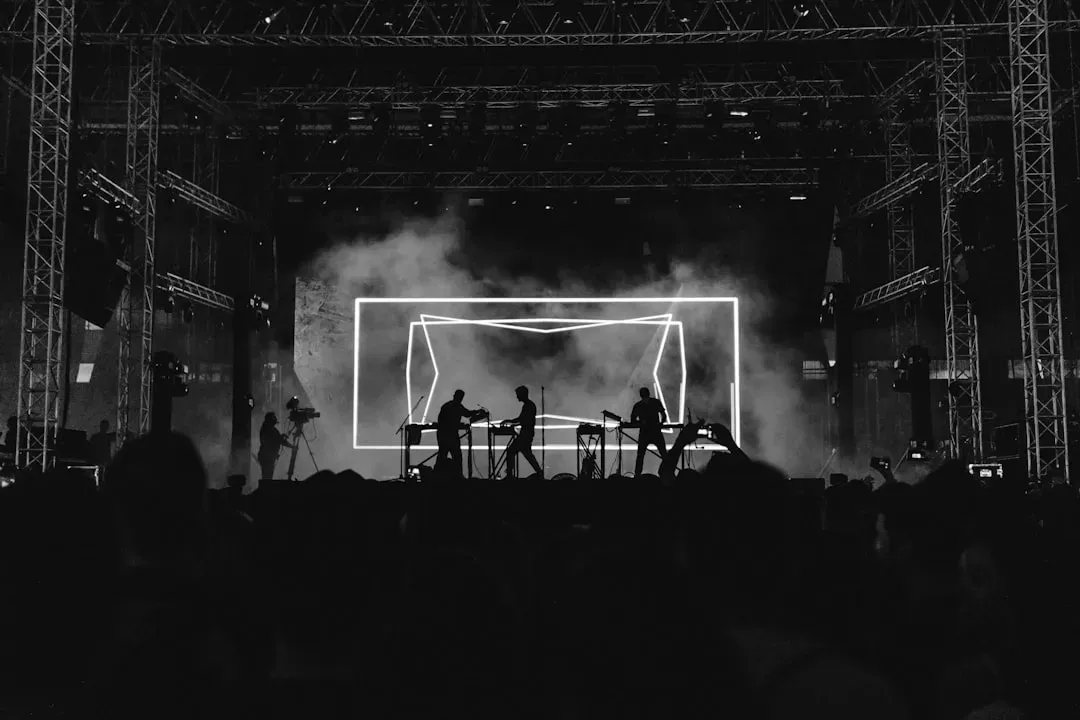
One Direction announced an indefinite hiatus in 2016, framing it as a pause rather than an ending. One Direction announced an indefinite hiatus in 2016, just one year after Malik became the first member to exit in pursuit of a solo career. Technically, the band has never formally disbanded, a distinction that fans have clung to for a decade.
In practice, though, the hiatus has functioned as a breakup for almost ten years now. The remaining band members have not officially broken up, but they’ve been focusing on solo careers, with the pop band on an indefinite hiatus since 2016. No new music, no joint tour, and for a long stretch, barely any public appearances together at all.
Life after the band: five solo paths

Each member scattered into a distinctly different career. Harry Styles became the most commercially dominant, transitioning into a solo artist whose albums and world tours have outperformed almost anything the band achieved together. Niall Horan built a steady, well-reviewed solo catalog, while Louis Tomlinson took longer to find his footing but has released consistent solo work, including a new album titled How Did We Get Here that arrived in early 2026.
Zayn Malik pursued an R&B-leaning solo sound starting with his 2016 debut Mind of Mine and has continued touring, with a new world tour set to begin in March 2026 after a Las Vegas residency. Liam Payne released the single “Strip That Down” in 2017, which cracked the top 10 in the United States and peaked at No. 3 in the UK, followed by his debut album LP1 in 2019. For a while, five separate careers seemed to prove that the group’s talent hadn’t been a one-time fluke.
Liam Payne’s death and a fandom in mourning

Then came October 2024. On 16 October 2024, Liam Payne died at the age of 31 after falling from a third-floor balcony at a hotel in Buenos Aires, Argentina, while intoxicated. An inquest later confirmed the cause of death as polytrauma, and Argentine authorities charged multiple people in connection with the case, including hotel staff and a friend of Payne’s. The tragedy remained under investigation in Argentina, where five people were charged in connection with Payne’s death, including the hotel manager, receptionist, and Payne’s friend, who faced manslaughter charges, while two others were accused of supplying drugs.
The remaining members reunited publicly for the first time in years, gathering for Payne’s funeral that November. Former One Direction bandmates Harry Styles, Zayn Malik, Louis Tomlinson and Niall Horan all reunited to pay their respects to their late friend Liam Payne. It was a somber echo of the stadium reunions fans had spent years hoping for, arriving instead as a funeral procession rather than a comeback tour.
Where the story stands now
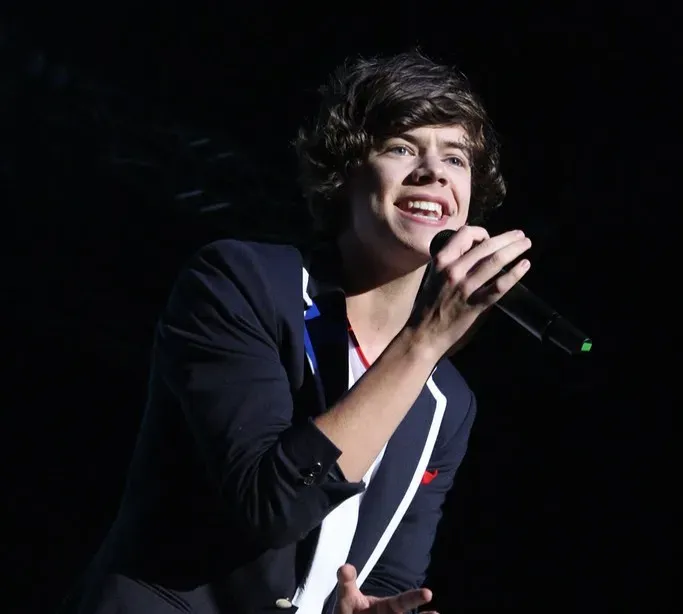
A decade removed from that record-setting summer, One Direction remains technically unreconciled and, by most accounts, unlikely to fully reform. A One Direction reunion seems unlikely, especially following the tragic death of Liam Payne in October 2024, since he was reportedly the biggest cheerleader for the idea. Louis Tomlinson addressed the topic candidly, saying he now finds it hard to imagine performing as a group without Payne there. Still, the surviving members have drifted back into each other’s orbit in smaller ways. Louis Tomlinson and Zayn Malik are set to appear together in a Netflix documentary in 2026, described as a road trip series exploring their lives a decade after Malik’s departure. It’s not the stadium tour fans once imagined for a tenth anniversary, but it suggests the five men who filled Wembley three nights running are still, in their own fragmented way, connected to a summer none of them have quite left behind.
Partner offer
Planning a trip to Vegas?
Compare hotel rates and show tickets on VEGAS.com.